How to Brew Drip Bag Coffee Correctly: A Beginner's Guide to Pour-Over
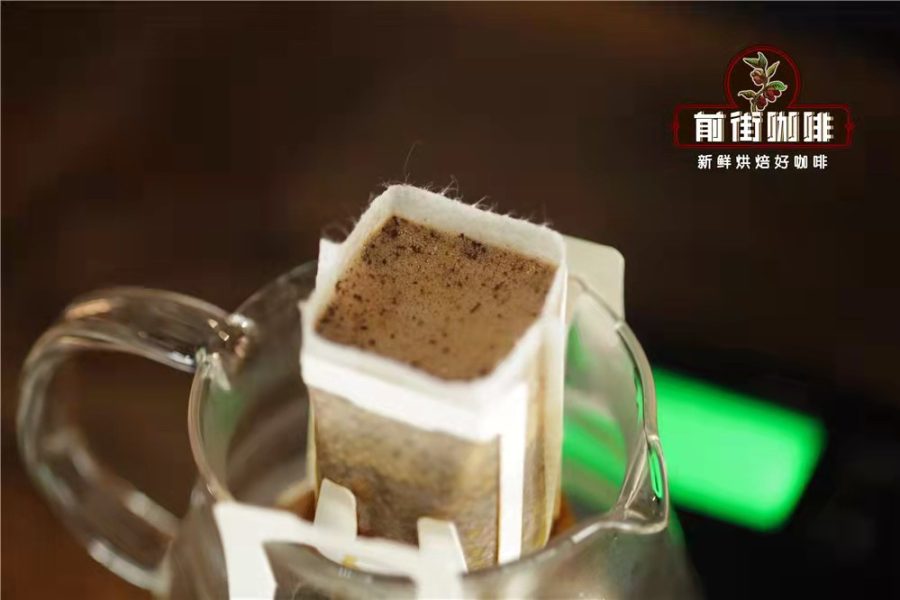
Introduction: Drip bag coffee is a convenient alternative to pour-over coffee—just hot water and a cup are enough to enjoy freshly ground coffee flavor. This article explains in detail why drip bag coffee is fundamentally different from instant coffee, corrects common brewing mistakes, and provides a step-by-step guide and flavor selection advice to help beginners easily master the golden 1:13–15 coffee-to-water ratio and brew a layered, specialty-grade cup.
Drip bag coffee is made from freshly roasted coffee beans that are finely ground and sealed in food-grade non-woven filter bags—a portable drip-filter coffee product. This design preserves the essence of pour-over coffee flavor while eliminating the cumbersome operation of professional equipment; only room-temperature drinking water and a mug are needed to restore the beans' diverse flavor layers, such as floral and fruity notes and caramel sweetness.
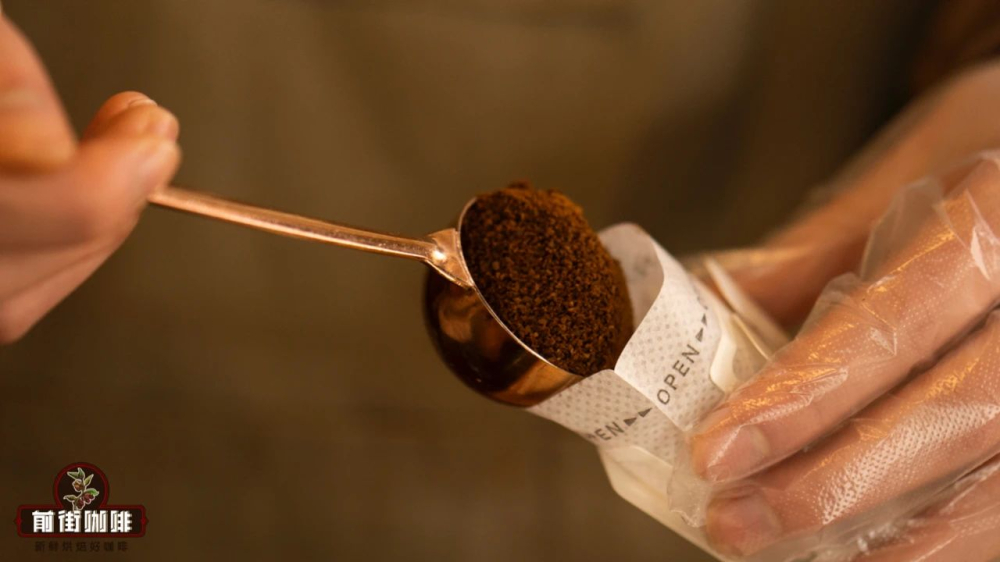
Unlike common instant coffee on the market, the coffee particles in a drip bag contain about 70% insoluble plant fiber structure. These lignin components not only cannot dissolve in water but also affect overall extraction efficiency. If the entire drip bag is directly immersed in the cup for brewing (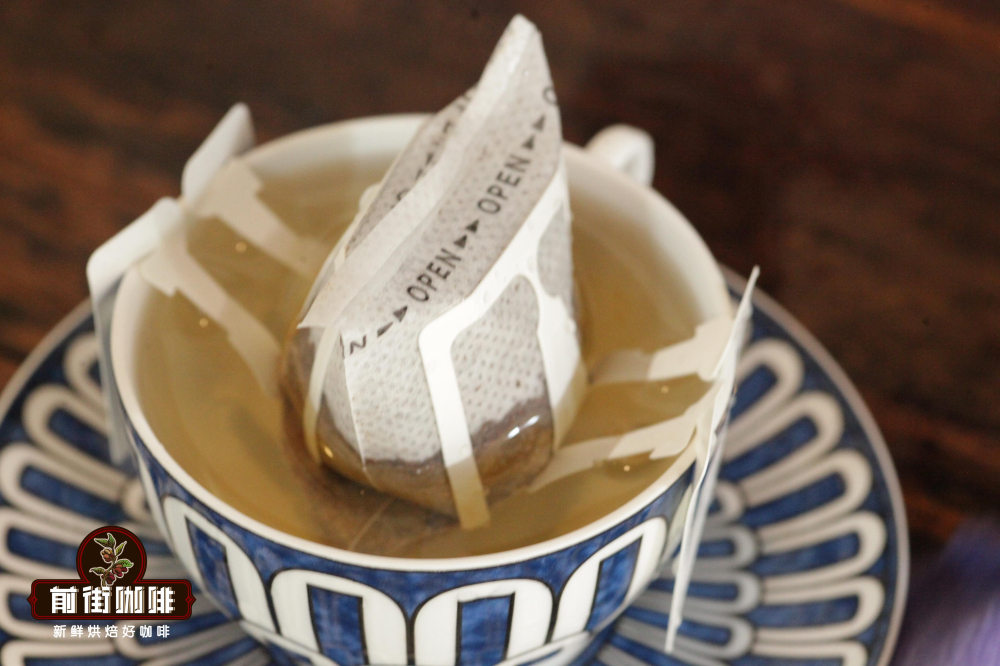 ), water flow will be unevenly distributed, causing some coffee grounds to be over-extracted and bitter while the rest is under-extracted and retains a green-bean taste.
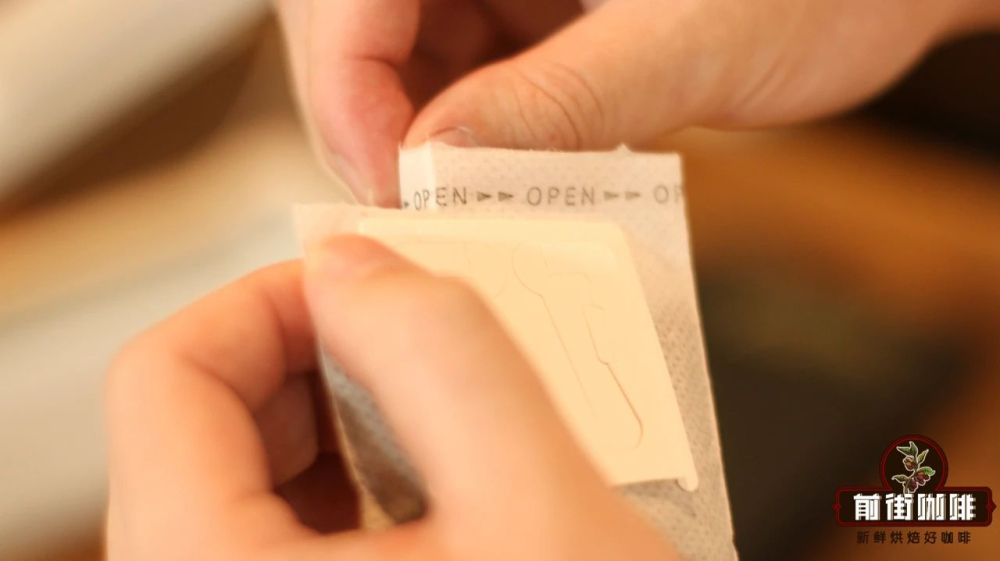
The standard brewing process requires a straight-walled glass cup with a 200–300 ml capacity and hot water at 90±2°C (boiling water can be left to stand for 90 seconds to cool). After opening the package, you will find a filter bag sealed in an individual aluminum foil pouch, with foldable paper hanging ears extending from both sides. Note that the top of the filter bag usually has a perforated tear line; open the pouring opening along this line.
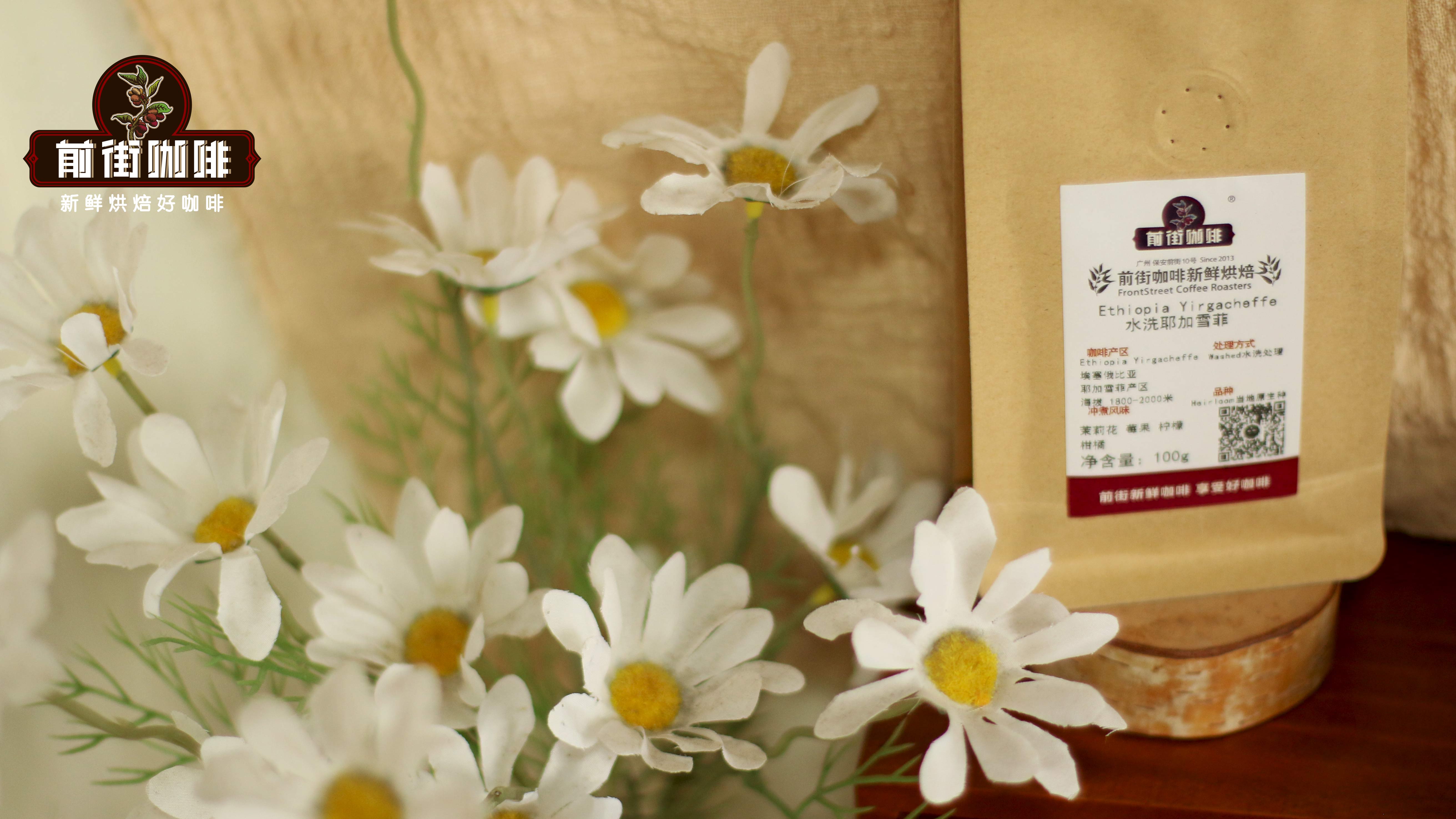
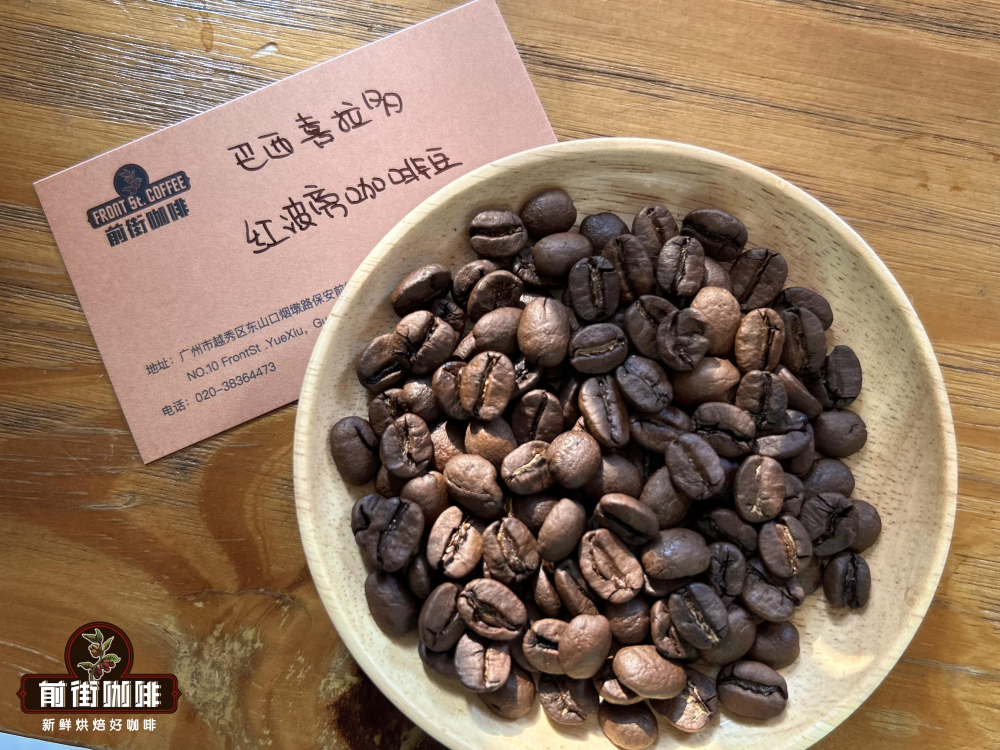
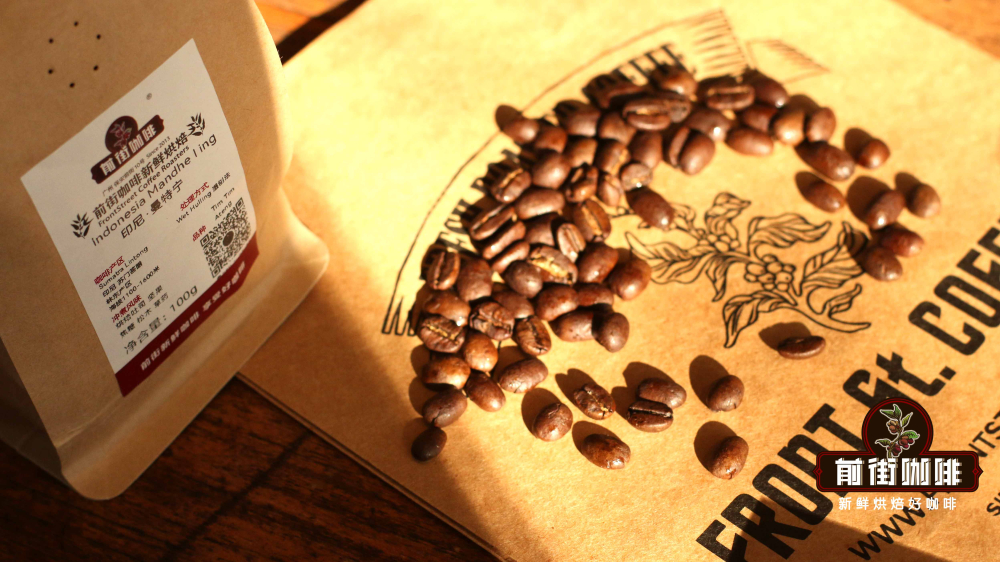
Depending on the coffee roast level, those with flavor preferences are advised to choose according to the following directions: light-roast drip bags from the Yirgacheffe region present distinct citrus notes and bright acidity, suitable for people seeking a fresh taste; medium-roast products from the Brazil Cerrado region feature nutty and chocolate finish, with a mild and balanced mouthfeel; dark-roast Indonesian Mandheling series highlight the heavy texture of black pepper and cocoa, with higher body.
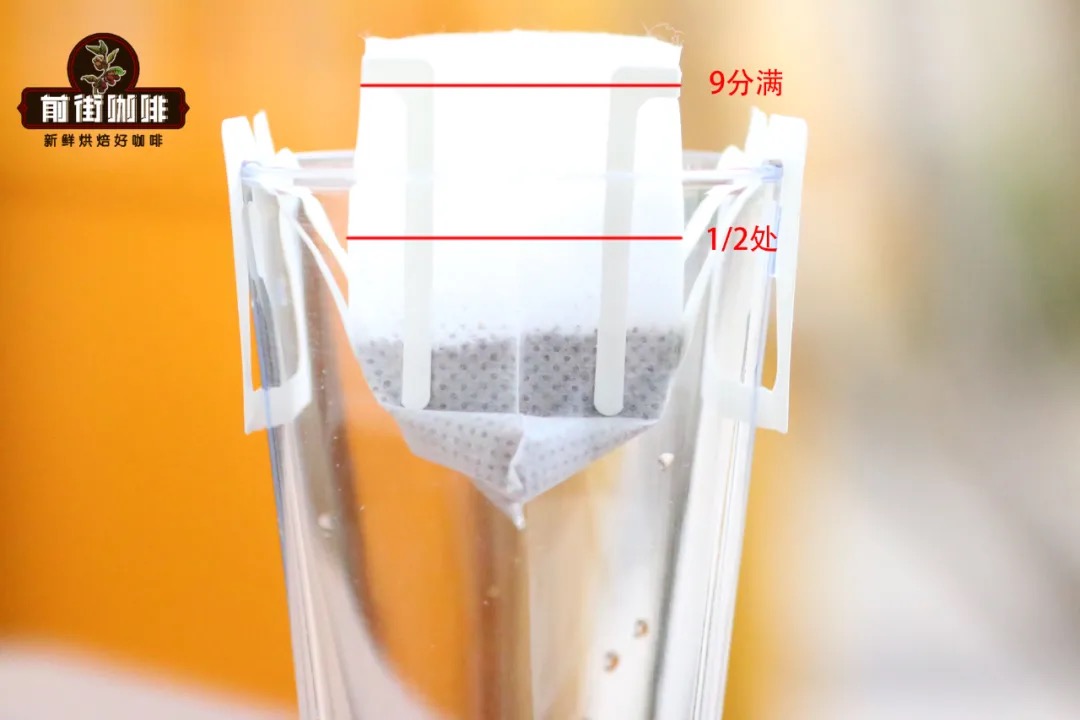
In practice, first unfold the paper hanging ears on both sides and firmly hook them onto the rim of the cup, ensuring a 1–2 cm gap between the filter bag and the cup wall for water flow. Use the center-pouring method: for the first pour, slowly pour 30 ml of hot water from the center point of the filter bag and let it stand for 30 seconds to start the blooming stage and awaken the coffee grounds. Then add water in 3–4 pours, keeping each pour within 80% of the filter bag's volume, maintaining a fine, even stream pouring over the surface of the coffee bed.
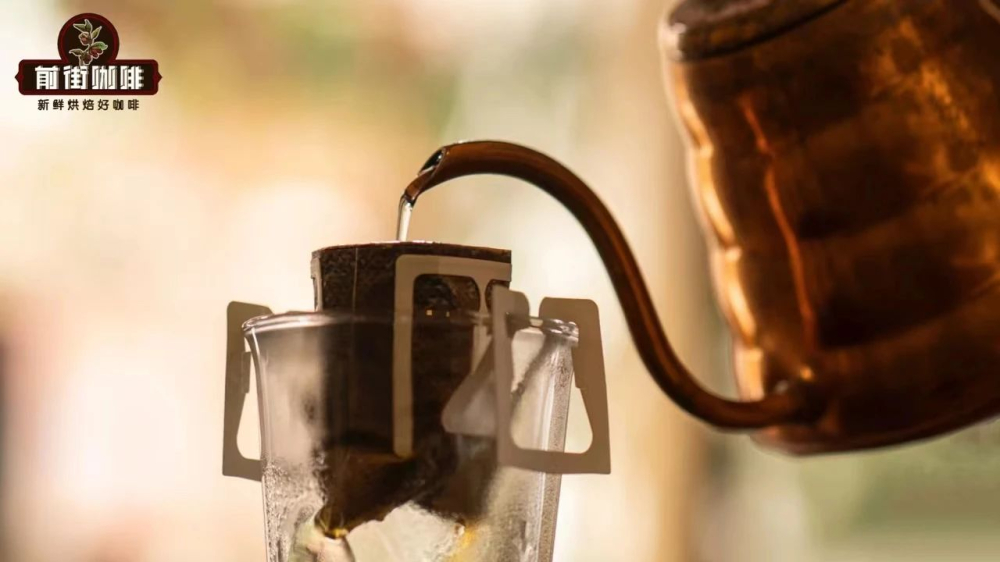
The golden brewing parameters recommend a coffee-to-water ratio of 1:13 to 1:15, that is, each standard 10 g drip bag paired with 130–150 ml of hot water. If you prefer a stronger concentration, reduce to 1:12; if you prefer a lighter taste, extend the pouring time to a total water volume of 180 ml. Note in particular that a single brew fully extracts the flavor substances; reusing the bag will cause excessive release of woody fiber and produce off-flavors.
After brewing, remove the filter bag promptly to avoid the residual coffee grounds soaking too long and affecting the taste. Properly brewed drip bag coffee presents clear floral aroma, caramel sweetness, and a moderate, full body, with a clean finish free of papery off-flavors. After mastering the above techniques, you can easily recreate a specialty coffee shop-level pour-over experience at home.


