Drip Bag Coffee Brewing Guide: Pour-Over Parameters and Flavor Tuning
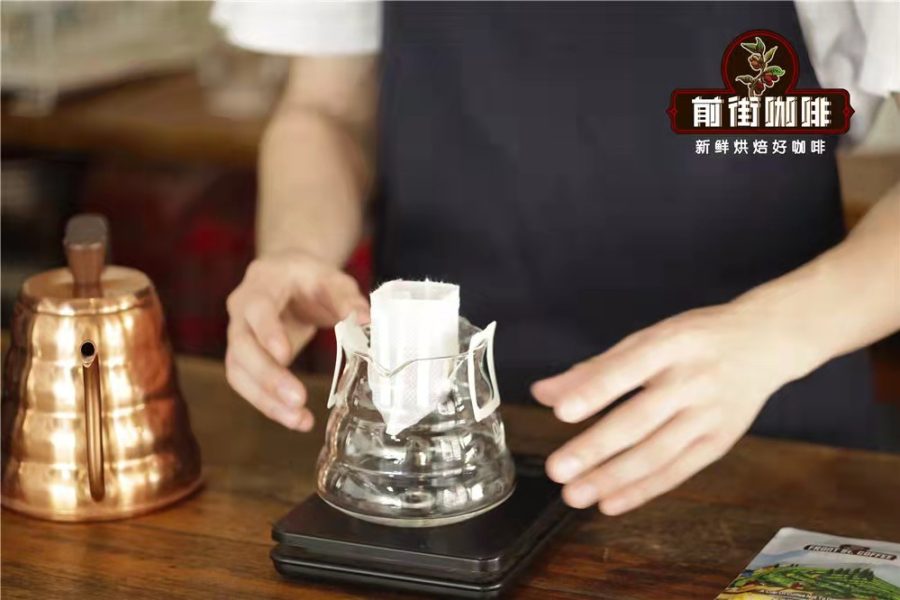
Introduction: Drip bag coffee is a specialty coffee format that combines convenience with flavor, and its brewing method directly affects the final taste. This article explains the complete process from equipment preparation to pouring technique, compares the essential differences from instant coffee, and provides the scientific basis for key parameters such as water temperature, water volume, and bloom time. By adjusting the pouring rhythm and water flow, even coffee beginners can easily brew a cup with distinct layers of flavor and unlock different flavor expressions when enjoyed hot or cold.
Compared with specialty pour-over, which requires careful bean selection and control of the coffee-to-water ratio, drip bag coffee's advantage lies in its ready-to-use convenience—only hot water and basic equipment are needed to consistently reproduce the aroma and flavor layers of freshly ground coffee. The coffee grounds come from grinding whole roasted coffee beans and are held in a degradable plant-fiber filter bag, which avoids the health concerns of artificial additives and non-dairy creamer in instant coffee while offering the bright fruit acidity of a light roast or the mellow, sweet finish of a dark roast through different roast levels.
The basic equipment for brewing drip bag coffee is simple: one drip bag filter pack, one gooseneck pour-over kettle, a digital scale (accurate to 1 gram), and a drinking cup with a capacity of 200ml or more. A special note: using a thermometer to help control temperature is recommended; hot water from a typical household water dispenser is usually only about 85°C, so boil water in advance and let it stand for 30 seconds to cool to the target range.
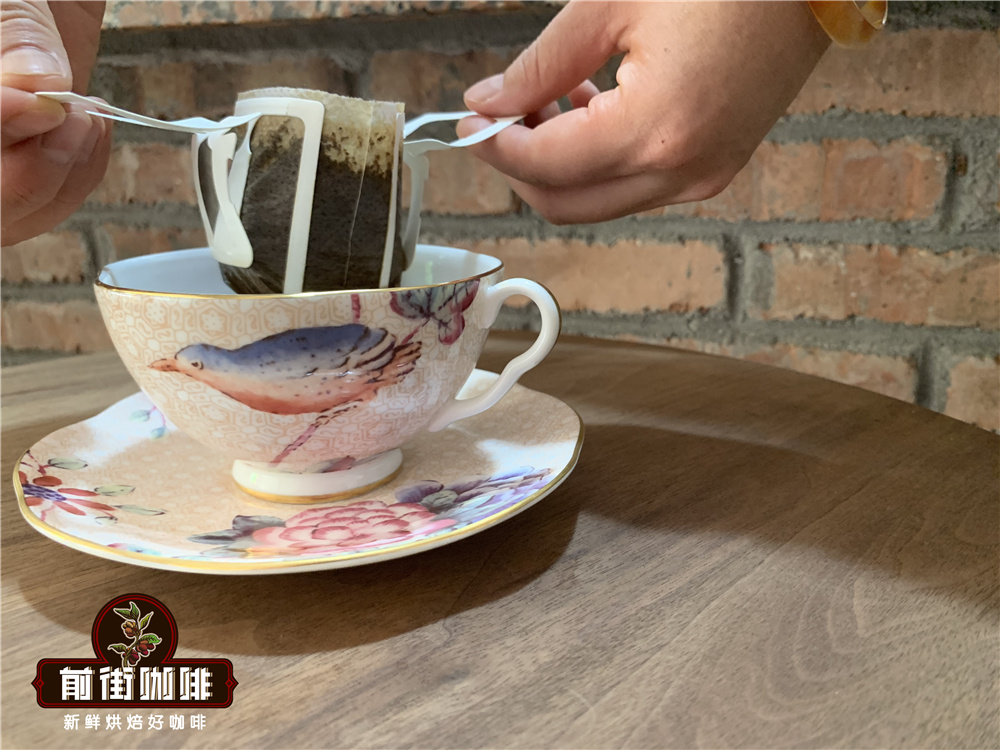
The core brewing parameters need to be strictly controlled: water temperature should be kept stable at 92±2°C (this temperature effectively extracts the aromatic substances and acidic components in coffee; too high tends to cause bitterness, while too low makes the flavor thin); total water volume should be controlled at 180ml (corresponding to the standard ratio for 10-12 grams of coffee grounds; if the filter pack indicates a different amount of grounds, adjust accordingly); circular pouring frequency should be maintained at 1 circle per second (steady small circles ensure the coffee grounds in the filter bag are evenly saturated and prevent localized over-extraction).
Before the main brew, a bloom is needed—open the filter pack and place it on the cup rim, slowly pour 22ml of hot water into the center of the filter bag, wetting all the coffee grounds in a spiral motion from the inside out and back in, then let it sit for 20-40 seconds. This step is key to activating the coffee: the longer the bloom (closer to 40 seconds), the fuller the flavor release and the richer and more full-bodied the resulting cup; shortening it to 20 seconds preserves more fresh acidity, suiting those who prefer a lighter taste. Pay attention to the height of the coffee bed expansion; high-quality coffee grounds will visibly rise about 1-2 cm after blooming.
The first pour starts from the center of the filter bag, using a coin-sized stream (about 2-3cm in diameter) to draw concentric circles from inside to outside and back inside, slowly pouring to the 100ml mark. At this point, wait patiently for the liquid level in the filter bag to drop to half its height (about 15-20 seconds), allowing the coffee grounds to fully release the first wave of flavor compounds. Then proceed with the second pour, maintaining the same circular technique, adding the remaining 80ml in two or three pours, for a final total of 180ml. For a richer taste, extend the circling time and increase the coverage area of the water stream; for a lighter flavor, switch to a straight pour to reduce contact time with the coffee bed.
After completing the pours, let it sit until dripping is finished (usually another 30-45 seconds). Tasting it hot lets you experience the coffee's original flavor layers—bright floral and fruity notes, mellow nutty tones, or a subtle caramel finish. Advanced brewers can try cooling the remaining coffee to an iced state; low temperature amplifies citrus acidity and sweetness while weakening bitterness. Comparing the hot and cold expressions of the same drip bag gives a more complete understanding of its flavor potential. Note that the drip bag filter should be discarded immediately after use to avoid residual coffee grounds affecting the purity of the next brew.


