Drip Bag Coffee Brewing Guide: Ratio, Water Temperature, and Flavor
Introduction: Drip bag coffee has become a daily choice for pour-over enthusiasts thanks to its convenience, but how do you brew it to achieve the ideal flavor? This article explains the golden coffee-to-water ratio, the optimal water temperature range, and the brewing steps for drip bag coffee, and analyzes the flavor characteristics of different roast styles to help beginners master professional-level brewing techniques, while also offering practical tips for extending freshness.
Drip bag coffee has become a coffee favorite in fast-paced life thanks to its "no-equipment" advantage—all you need is a kettle and a mug to complete the brew, skipping the grinder, digital scale, and other complex tools required for traditional pour-over. But convenience does not mean compromising on quality: to brew a coffee with distinct layers, you need to focus on three core elements: freshness management, water temperature precision, and coffee-to-water ratio.
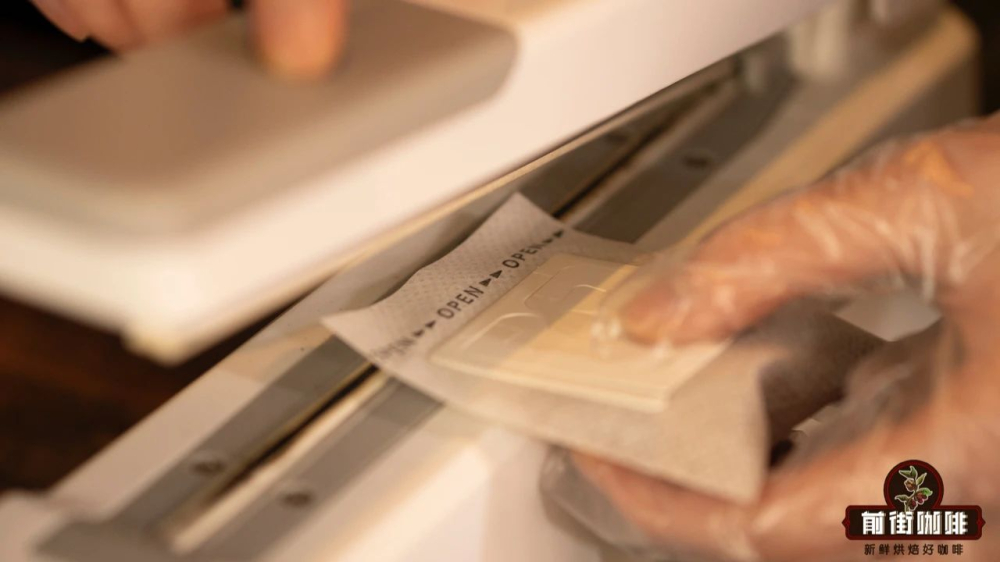
The optimal enjoyment window for roasted coffee beans is about 40 days, and because drip bag coffee is pre-ground, its aromatic compounds evaporate faster, so it is recommended to choose drip bag products produced within two weeks of roasting.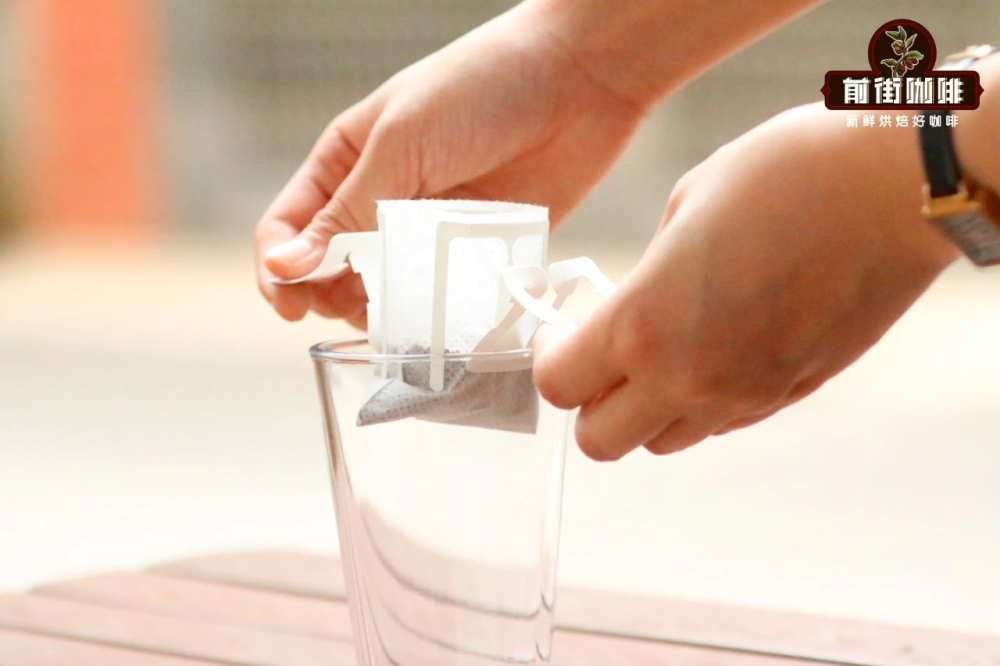 When choosing, check the roast date on the packaging and prioritize products labeled "roasted to order" for a flavor closer to the beans' peak state.
Water temperature control directly affects coffee extraction efficiency: the ideal range is 90°C to 95°C. Water that is too cool (such as room-temperature water from a water dispenser) leads to insufficient extraction of flavor compounds and a thin-tasting coffee; using freshly boiled 100°C water directly tends to over-extract and produce burnt, bitter notes. Without a thermometer, pour the boiling water into an open container and let it rest for 1 minute 30 seconds to 2 minutes until the temperature naturally drops to the target range.
The strength of drip bag coffee is adjusted through the coffee-to-water ratio. Commercially available drip bags typically contain 8–12 grams of coffee (10 grams is a common size), corresponding to a standard coffee-to-water ratio of 1:15 to 1:18. For example, with 10 grams of coffee, pouring in 150–180 milliliters of hot water yields a medium-strength coffee. Drip bag weights vary between brands, so confirm the amount stated on the packaging before brewing.
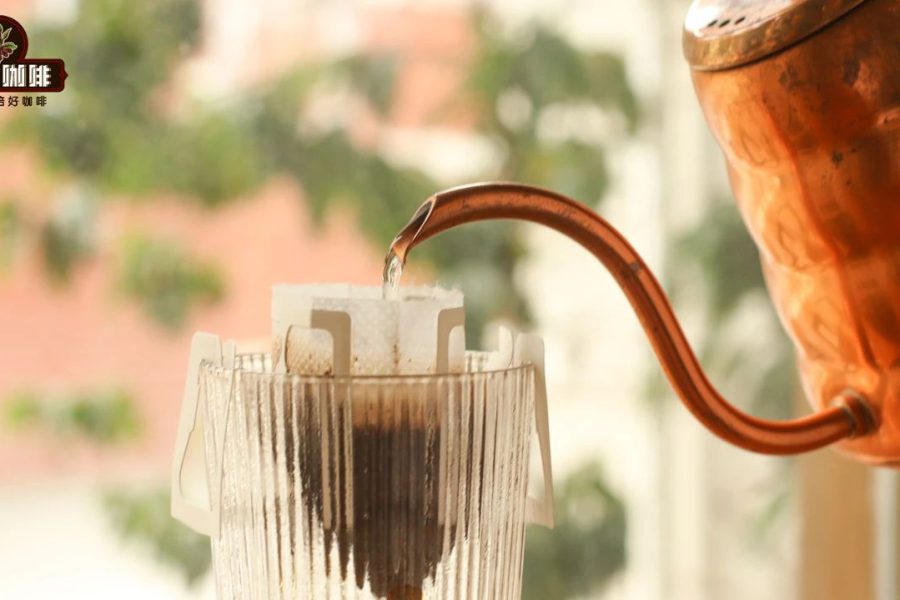
 The brewing process is divided into two stages: pre-wetting and main extraction. The first pour should be just enough to completely saturate the coffee bed (about 1/3 of the total water), then let it rest for 20 seconds so the coffee grounds fully absorb water and expand. This step can be extended to 40 seconds to increase the coffee's body. Next, use a slow, circular pour, keeping the water level at about eight-tenths of the filter paper's capacity, and slowly pour the remaining water up to the target mark (such as 150 ml or 180 ml). There is no need to wait for the water in the filter to drip through completely—once extraction is complete, simply remove the drip bag.
 Those with flavor preferences can adjust flexibly to taste: for a richer cup, reduce the water to 120–140 ml; for a lighter flavor, increase it to 180–200 ml. Common mistakes include pouring all the water at once too quickly, which causes channeling; a staged pouring method is recommended to control flow rate. Also avoid repeatedly boiled hard water—purified or filtered water is best.
 Coffee beans with different processing methods present unique flavor characteristics: washed coffees typically show bright citrus acidity and jasmine aromas, suited to beginners experiencing a fresh flavor; natural or honey-processed coffees carry richer caramel sweetness and tropical fruit aromas, with greater complexity. Dark-roast drip bag coffee has notable body and a clear bitter-sweet balance, making it suitable for drinking with milk; light-roast products have lively acidity, highlighting floral and citrus notes.
Storing drip bag coffee requires attention to oxygen and light exclusion: unopened drip bags should be kept in a cool, dry place, and once opened, it is recommended to use them within 7 days. If you cannot finish them in the short term, transfer them to an airtight jar with a food-grade oxygen absorber, which effectively slows the loss of aroma. Avoid storing drip bags in the refrigerator; temperature fluctuations tend to cause condensation inside the packaging, accelerating moisture damage to the coffee grounds.
 Professional baristas suggest judging freshness by observing the drip bag's appearance: high-quality drip filter paper should be white and free of oil stains, and the coffee grounds should be uniform with no clumps. Gently shake the drip bag before brewing—fresh coffee grounds will release clear origin-characteristic aromas (such as nut, berry, or chocolate notes); if you smell obvious stale or rancid notes, freshness has declined.
Once you have mastered these techniques, you can further try variable-control experiments: fix the water temperature and coffee amount, adjust the pouring speed, and observe changes in extraction time (the ideal extraction time is 2 minutes 30 seconds to 3 minutes); or switch to water sources from different altitudes to test the effect of water quality on flavor. These practices help deepen your understanding of the science of coffee brewing and improve the precision of home brewing.