The best brewing guide for drip bag coffee: water volume and water quality tips
Introduction: Drip bag coffee is a convenient alternative to pour-over, and brewing details directly affect flavor. This article explains the ideal coffee-to-water ratio, key points for water quality selection, and gear pairing suggestions for drip bag coffee, from the scientific 1:15 to 1:18 ratio to alternatives for water dispenser water, helping beginners master the key variables that affect extraction and easily brew coffee with distinct layers.
The brewing logic of drip bag coffee is essentially the same as pour-over coffee: hot water penetrates the coffee grounds layer to release flavor compounds. Once the core parameters are mastered, even with this convenient drip bag format, the true flavor of quality coffee can be consistently presented.
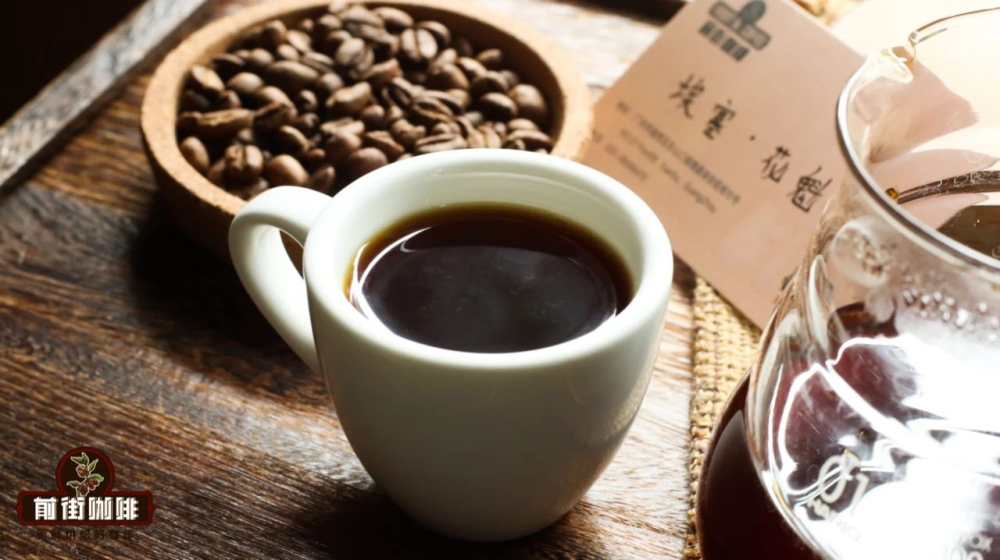
Coffee beans of different roast levels present distinct flavor tendencies: users who prefer fresh fruity acidity can choose beans with bright citrus or berry notes; consumers who value a full-bodied mouthfeel are better suited to products with prominent caramel notes or a clear nutty finish; those seeking a balanced experience often find that a combination of rose aroma and sucrose sweetness brings a gentler taste experience.
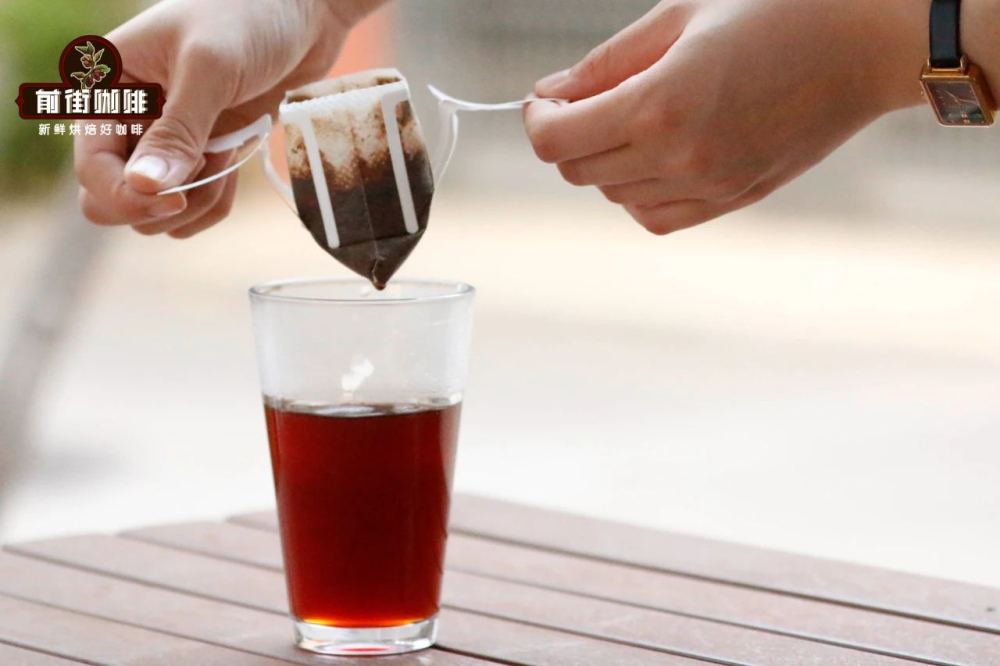
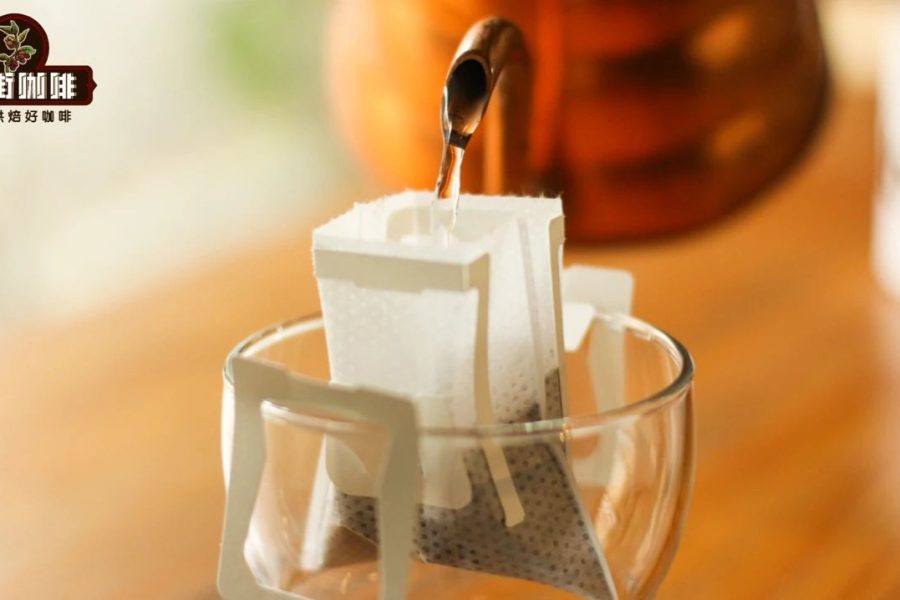
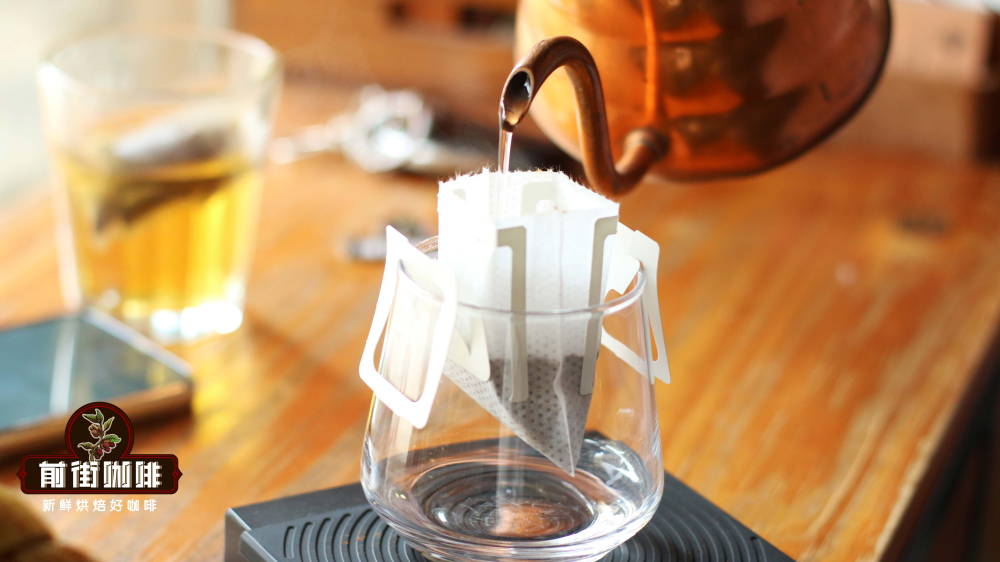
The choice of brewing vessel directly affects the uniformity of coffee extraction. It is recommended to use a narrow-mouth glass or ceramic mug taller than 12 cm; such vessels both ensure the filter bag hangs stably and avoid the backflow soaking problem caused by shallow-mouth containers. Special attention should be paid to keeping the hanging ears on both sides of the filter bag in proper contact with the cup wall; the cup opening width is recommended not to exceed 9 cm to prevent the filter bag from sliding down during pouring.
Water temperature control is the key factor determining the efficiency of flavor release. The ideal brewing water temperature should be maintained in the 90-96°C range; directly using room-temperature water from a water dispenser (usually about 25°C) will lead to insufficient extraction. Without a thermometer, boiled tap water can be left to stand for about 120 seconds until it feels slightly hot to the touch; this temperature range can effectively stimulate the dissolution of coffee oils and aromatic substances.
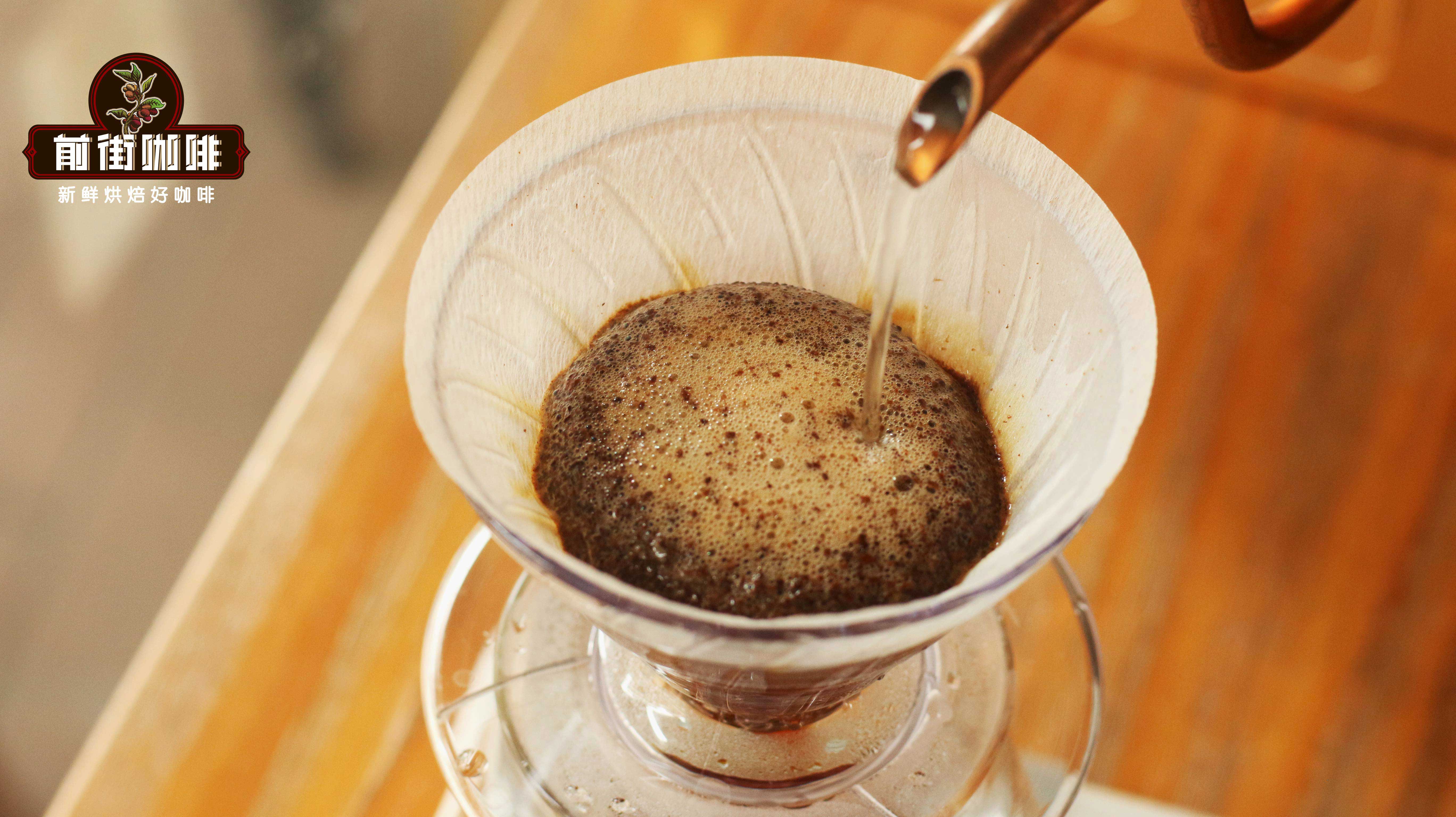
The standard coffee-to-water ratio is set at 1:15 to 1:18 with reference to pour-over parameters. Taking the common 10 g drip bag as an example: when pursuing a full-bodied taste, 150-180 ml of hot water can be poured; for staged pouring, it is recommended to first pour 50% of the total water for pre-infusion (about 75 ml for 20 seconds), then pour twice more at 15-second intervals until the target volume is reached; those who prefer a lighter flavor can extend pouring to four stages, with the final water volume increased to about 200 ml, obtaining a cleaner taste by extending the extraction time.

For advanced operation, it is recommended to use the central spiral pouring method, keeping the water stream about 5 cm high and pouring vertically, avoiding direct impact on the bottom of the filter bag that causes channeling. Begin the next pour when the water level drops to the surface of the coffee grounds, controlling each pour to 30-50 ml, ensuring the overall extraction time falls within 1 minute 30 seconds to 2 minutes.
Users in areas with special water quality should note: in hard water areas, filtered water or bottled purified water is recommended; excessive calcium and magnesium ions in water may cause abnormal astringency in coffee. In low-temperature winter environments, the water temperature can be appropriately raised by 1-2°C to compensate for heat loss, but avoid brewing directly with boiling water above 100°C, which causes over-extraction.