Filter Coffee vs. Instant Coffee: Key Differences and Pour-Over Tips
Introduction: Have you ever wondered about the essential difference between filter coffee and instant coffee? This article breaks down the core differences between the two, from raw material processing and flavor expression to brewing practice, and shares key tips for improving the taste of filter coffee. Master details such as when to use freshly roasted beans and how to choose a filter, and even beginners can easily brew a cup of layered pour-over coffee.
In terms of production methods, filter coffee usually uses freshly roasted and ground coffee beans, extracted through drip filtration, pour-over, and other methods, which preserves more of the coffee beans' original flavor characteristics, such as pronounced sweetness, layers of fruity acidity, or nutty notes. Instant coffee, by contrast, is made by dehydrating pre-made coffee liquid through processes such as freeze-drying or spray-drying. Although it is convenient to prepare, flavor compounds are lost to a considerable extent during processing.
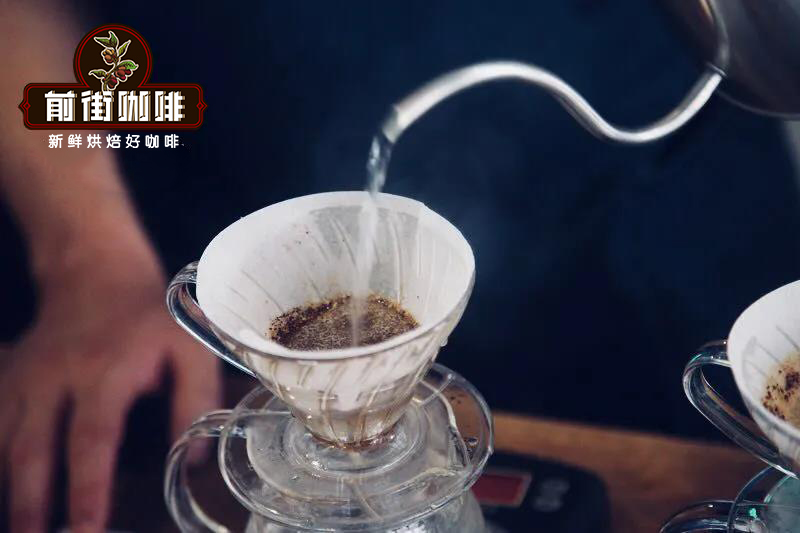
To brew a cup of balanced filter coffee, the freshness of the raw material is fundamental. Beans within 7-21 days after roasting are recommended; grinding fresh and using immediately preserves aromatic compounds to the greatest extent. The dripper and filter paper combination in the image is a common setup, but note that if the filter pores become clogged with fine particles, you can briefly hold it near a low heat source for 2-3 seconds to clear them, so as not to affect the flow rate.
The coffee-to-water ratio and pre-treatment of the grounds are equally key. The standard coffee-to-water ratio reference range is 1:15 to 1:18 (for example, 15 grams of coffee to 225-270 milliliters of water). Some enthusiasts mix a small amount of chicory powder into the ground coffee to adjust body, but the proportion should not exceed 3% of the total coffee grounds. Rinsing the filter paper with hot water in advance not only preheats the dripper but also removes the papery taste; this step is often overlooked yet has a significant effect on the final flavor.
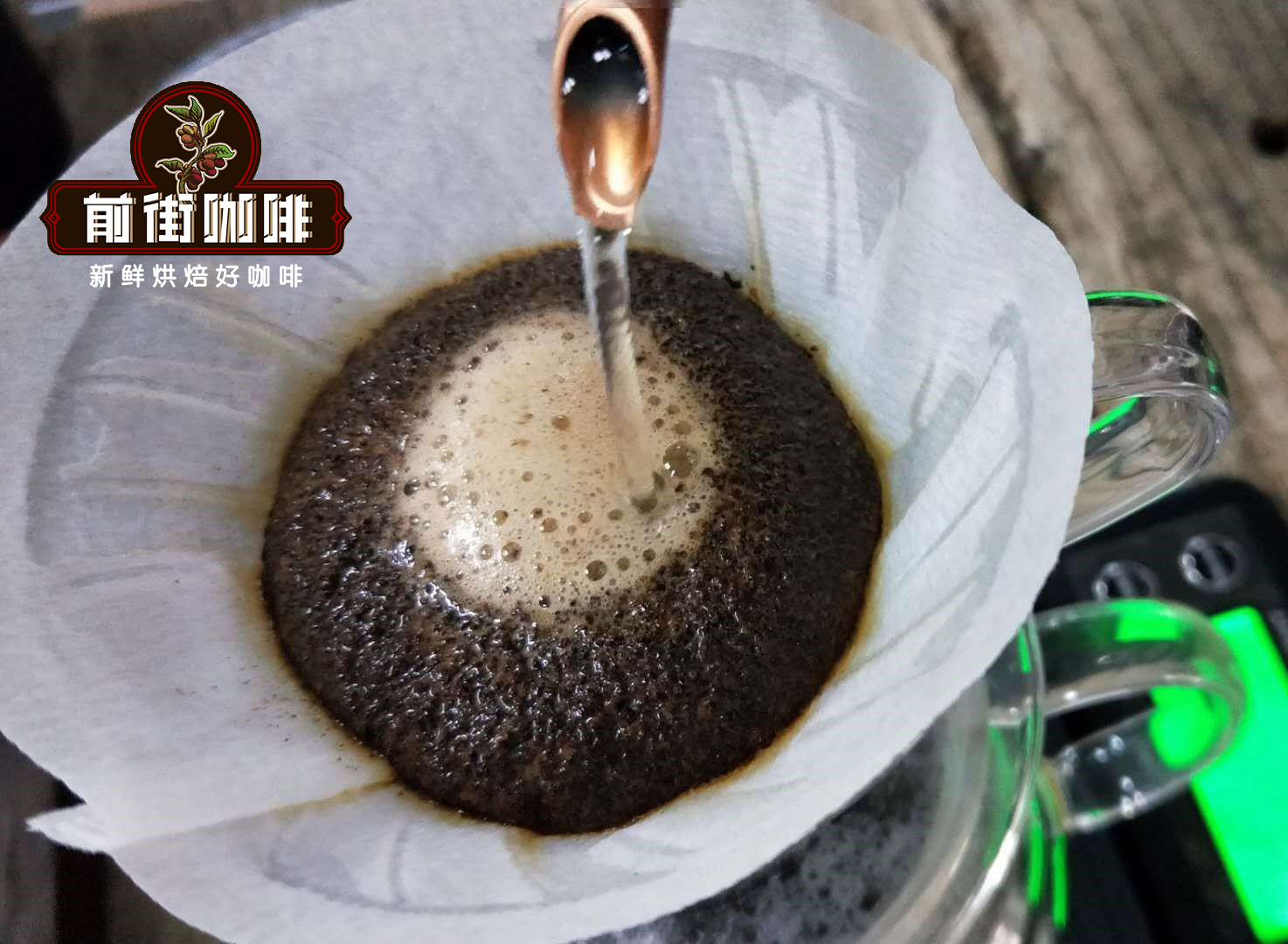
Regarding equipment cleaning, residual old coffee grounds will cause off-flavors in subsequent brews, so the filter and server should be cleaned promptly after each use. If the water flows too slowly, besides checking whether the filter pores are clogged, also confirm whether the grind size matches the brewing method—fine grinds suit pressure extraction, while coarser grinds are better for slow drip extraction.
A special reminder: drippers of different capacities should be matched with the corresponding amount of coffee. For a single cup (about 150-200 milliliters), a medium dripper is recommended, with the dose kept at 12-18 grams; for multiple servings, switch to a larger filter and increase the coffee grounds accordingly. Once you have mastered these basics, you can gradually explore a brewing plan that suits your personal taste preferences by adjusting parameters such as water temperature (usually 90-96°C) and pouring technique.


