Pour-over vs. espresso: how grind and brew time shape flavor
Introduction: Many coffee enthusiasts often wonder whether pour-over coffee is more bitter than espresso, or why the two differ so significantly in extraction time. This article systematically compares the core differences between these two mainstream brewing methods—from grind size and extraction principles to flavor characteristics—and reveals the key techniques professional baristas use to adjust parameters, helping you precisely control your coffee's taste.
To make a proper espresso, the grind size of the coffee beans is the first key factor. Because of the high-pressure extraction characteristic of espresso machines, water contacts the coffee grounds for only a very short time (usually 20-30 seconds), so the beans must be ground extremely fine—close to the texture of flour—to ensure full extraction of flavor compounds under high pressure.
It is worth noting that "espresso" does not refer to a specific coffee bean variety. Beans from any region, after appropriate roasting, can be used to make espresso, though the market does offer dark-roasted beans optimized specifically for espresso; these beans typically have a richer caramelized aroma.
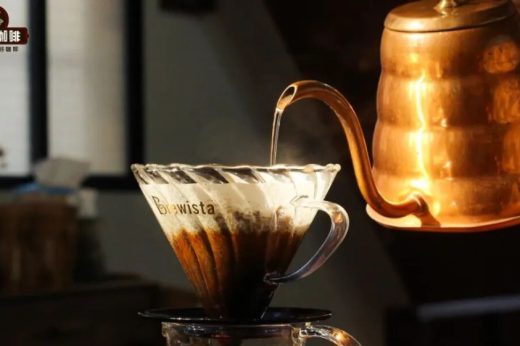
In home or commercial settings, besides espresso, there are many other coffee brewing methods to choose from. Compared with the intense impact of espresso, methods such as pour-over and the French press—by controlling parameters like water temperature and flow rate—can more delicately reveal the coffee's fruity acidity, floral notes and other layers. But whichever method is used, repeated practice is needed to consistently bring out the best flavor of the beans.
From the perspective of extraction principles, espresso relies on the high-pressure environment of 9-15 atmospheres generated by the espresso machine, forcing hot water to penetrate quickly through the extremely fine coffee bed. This high pressure not only accelerates extraction but also emulsifies the coffee oils to form the signature golden Crema layer. In contrast, common drip coffee (such as pour-over) relies entirely on gravity, with hot water naturally permeating the coffee bed to complete extraction.
The core parameter differences between the two are significant: the standard espresso brew ratio is about 1:2 (e.g., 18 grams of grounds extracting 36 milliliters of espresso), with total extraction time controlled at around 25 seconds; pour-over coffee usually uses a 1:15-1:18 brew ratio, with total extraction time reaching 2-4 minutes. It is precisely these parameter differences that create the two methods' distinctly different taste profiles.
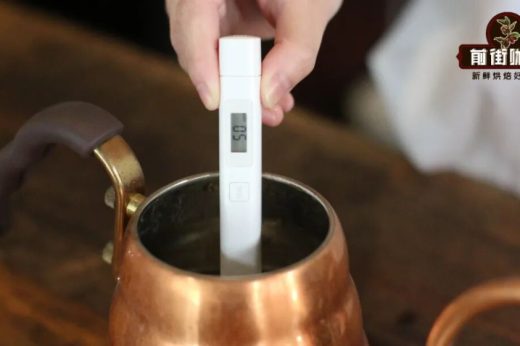
A clarification on the bitterness misconception: when simply comparing the unadjusted original tastes, espresso's bitterness tends to be more concentrated and intense due to its high-concentration extraction and the oil-coating effect. But pour-over coffee, if ground too coarse or extracted too long, will likewise produce noticeable bitterness. In fact, by adjusting grind size (for example, using a slightly finer grind for pour-over), controlling water temperature (88-92°C recommended) and refining pouring technique, pour-over can perfectly achieve a balance of bright acidity and sweetness.
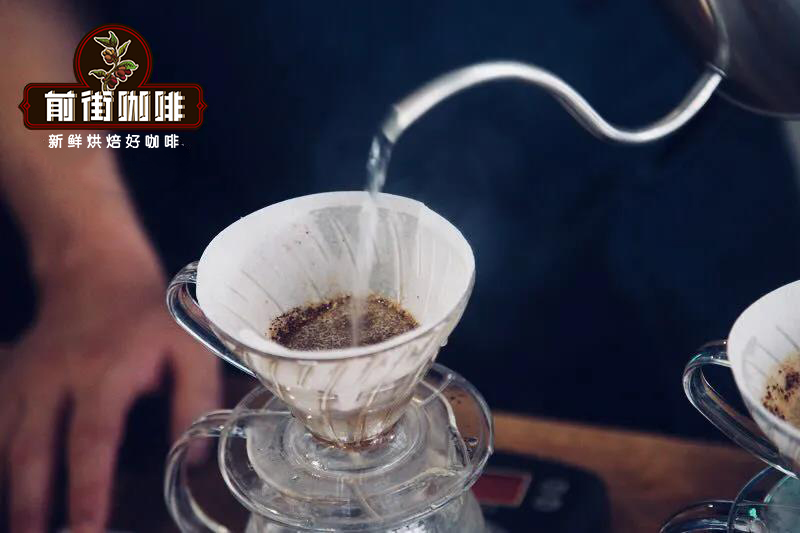
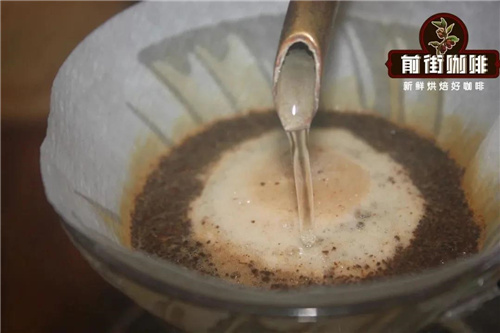
Professional baristas recommend beginners start with the following basic parameters: when making espresso, ensure you use freshly roasted beans (ideally within 7-21 days after roasting), and after grinding the particles should form a dense but non-clumping puck; for pour-over coffee, pay attention to the pouring rhythm and use a staged pouring approach (e.g., first pour 30% of the water for a 30-second bloom, then pour in stages up to the target volume), which effectively improves extraction uniformity.