Pour-Over vs. Espresso: Acidity and Extraction Time Explained
Introduction: Many coffee beginners often confuse the flavor characteristics of pour-over and espresso, and may even be deterred by concerns about sourness or intensity. This article provides an in-depth comparison of the core differences between these two mainstream brewing methods, breaking down everything from extraction principles and parameter settings to flavor expression, and specifically answering practical questions such as 'which coffee is less acidic' and 'which brewing method saves time', helping you choose the coffee experience that suits your taste preferences.
When ordering at a café, many people will directly say 'no espresso', but in reality, they may not be clear about what espresso actually is. In fact, espresso is not a specific coffee bean or beverage, but a coffee-making process that uses high-pressure extraction.
Traditional espresso extraction relies on the 8-10 bar high pressure of a professional espresso machine, combined with very fine grinding of coffee grounds, completing extraction within 25-35 seconds. This process requires the machine to deliver stable pressure, and ordinary home equipment struggles to replicate the authentic flavor. The resulting coffee liquid is about 30 milliliters, with a rich crema layer and an intense, complex flavor profile—featuring both bright acidity and full-bodied sweetness and aroma.
Espresso is often used as a base mixed with other ingredients, such as adding 9-15 ounces of steamed milk to make a latte, or mixing with 4-5 ounces of steamed milk to become a cappuccino, and can even be combined with tonic water to create the innovative drink Espresso Tonic. Although its flavor is strong on its own, by adjusting the mixing ratios, it can be adapted to different consumers' taste preferences.
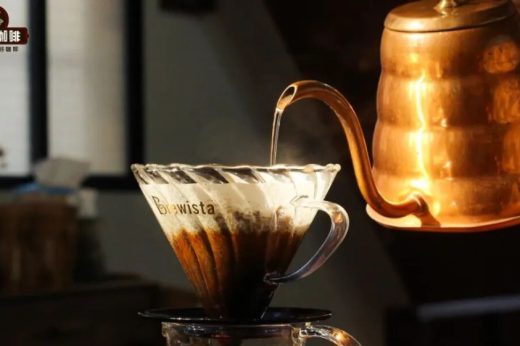
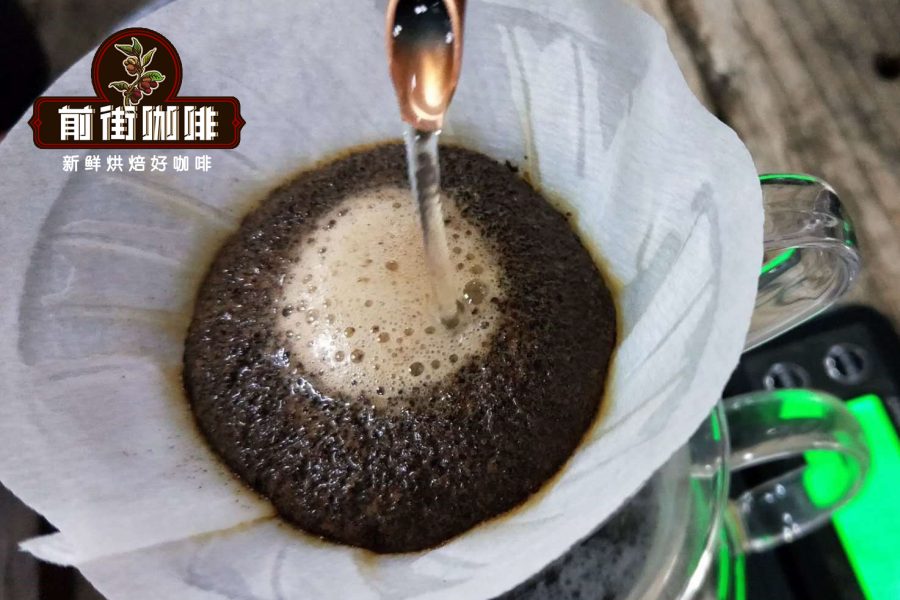
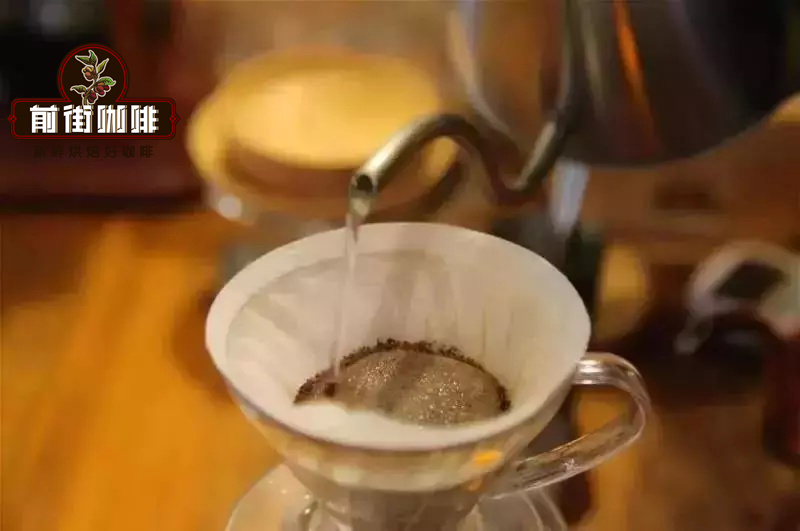
Unlike the high-pressure extraction of espresso, filter coffee (including pour-over, drip, and other methods) relies on gravity to drive water through the coffee grounds. This natural extraction method requires no additional pressure equipment but needs a longer contact time—typically starting with wetting the coffee grounds (commonly called 'blooming'), going through an approximately 30-second degassing phase (helping release carbon dioxide to improve water flow), followed by continuous pouring until extraction is complete, totaling about 1.5 to 2 minutes.
Filter coffee is generally ground coarser than espresso, and the coffee-to-water ratio is also higher (commonly 1:15 to 1:18), so a single serving is larger (usually requiring 200-300 milliliters of water per cup). Because the extraction process is gentle, fewer acidic compounds are released, and the overall flavor is cleaner and more refreshing, especially suitable for highlighting the unique flavors of single-origin coffee beans (such as fruity, floral, or nutty notes). At the same time, the longer extraction time makes the coffee liquid smoother and less sour, making it more friendly to those new to coffee.
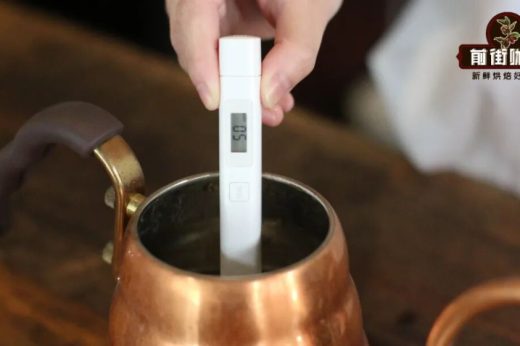
In terms of time efficiency, if only the core extraction step is counted (excluding grinding and preparation), the standard brewing time for espresso is 25-30 seconds, while filter coffee takes about 2 minutes (including blooming). However, if you add grinding, dosing, pre-infusion, and other steps, the actual preparation time for pour-over coffee may be longer. Nevertheless, filter coffee has a lower equipment threshold—a manual pour-over kettle or a simple dripper is enough to get started, making it suitable for daily home use.
In summary, if you seek a rich, full-bodied cup and quick caffeine delivery, espresso is an efficient choice; if you value delicate flavor presentation and a milder taste, filter coffee (especially pour-over) can offer a richer drinking experience. There is no absolute superiority between the two; simply adjust according to personal taste preferences.