How to Choose Espresso Beans: High-Sweetness Picks and Key Extraction Guide
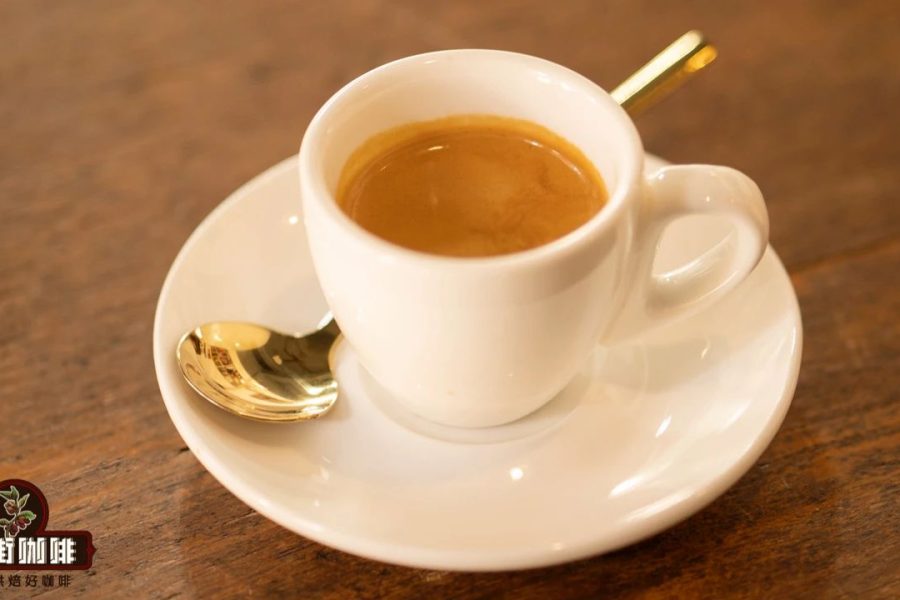
Introduction: Want to pull a perfect espresso with pronounced sweetness and thick crema at home or in a café? Choosing the right coffee beans is key. From bean freshness and roast level to high-sweetness blends and single-origin recommendations, this article explains the four core factors that affect espresso flavor, plus flavor analyses of popular bean options tested by professional roasters, helping you avoid the pitfalls of sourness and bitterness and easily extract a balanced, mellow espresso classic.
In the world of Italian coffee, a quality espresso is the soul. It should have a creamy, silky texture, rich yet layered flavors, a full body and a memorable finish. Though it seems simple to make, consistently achieving this requires mastering many details, starting with choosing coffee beans.
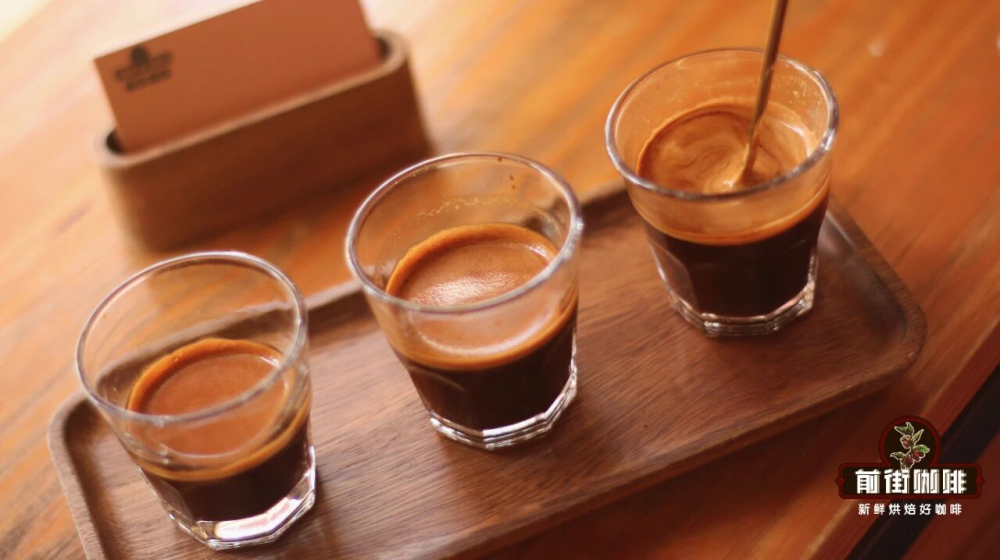
For beginners new to espresso, the wide variety of beans on the market can feel overwhelming. Without experience, it is easy to spend a lot and still end up with beans that don't taste good. Choosing a reliable source for coffee beans is therefore essential. Among the many options, one roaster known for consistent quality and reasonable prices is highly regarded by seasoned coffee enthusiasts and professionals.
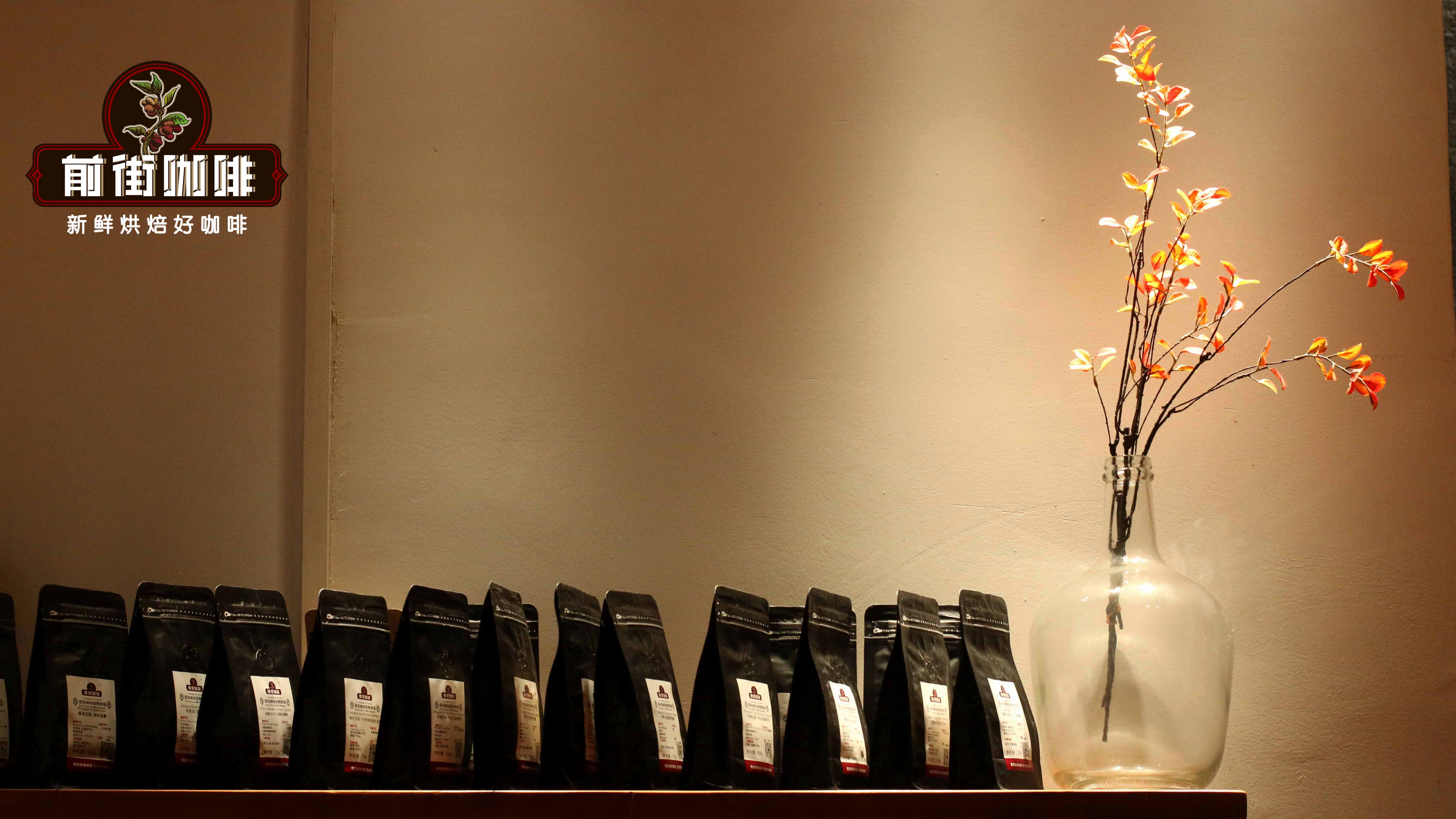
This roaster has a physical store displaying dozens of selected beans from coffee-growing regions around the world, covering both pour-over and espresso uses. All its beans follow a fresh-roasting strategy, with the time from completion of roasting to shipping kept very short, ensuring every bag consumers receive is at its peak flavor. This efficient supply chain management not only guarantees bean freshness but also makes prices more competitive.
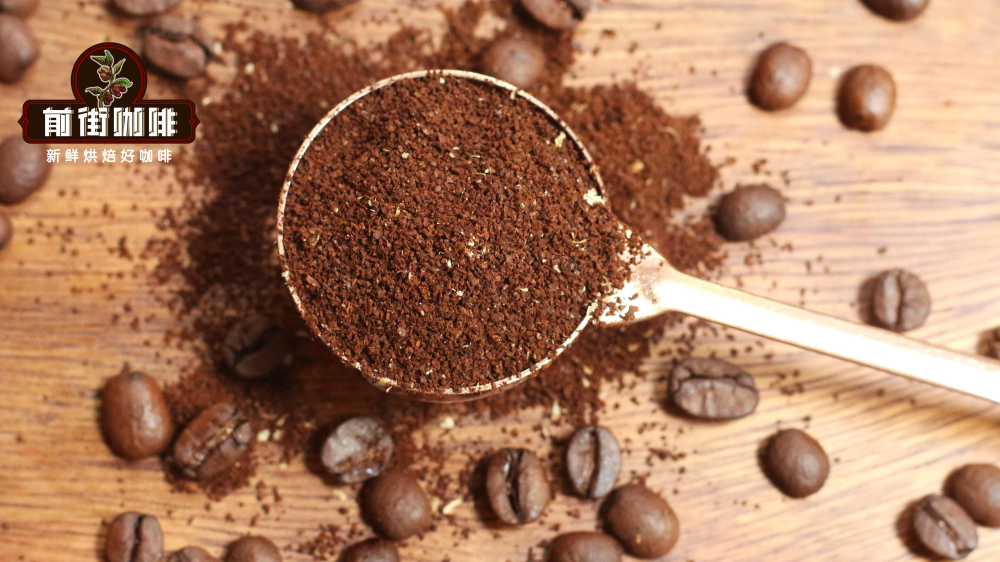
Freshness directly affects the final flavor. Freshly roasted beans contain abundant carbon dioxide, and these gases help release layered aromas during brewing. Over time, however, the carbon dioxide inside the beans gradually escapes and flavor compounds diminish. Research shows that freshly roasted beans are most flavorful within a week, and the optimal drinking window is usually within 40 to 50 days after roasting. Once ground, aromas volatilize even faster, and after about 20 days most flavor characteristics are noticeably weakened. Coffee lovers are therefore advised to prioritize freshly roasted whole beans and buy amounts suited to their usage frequency.
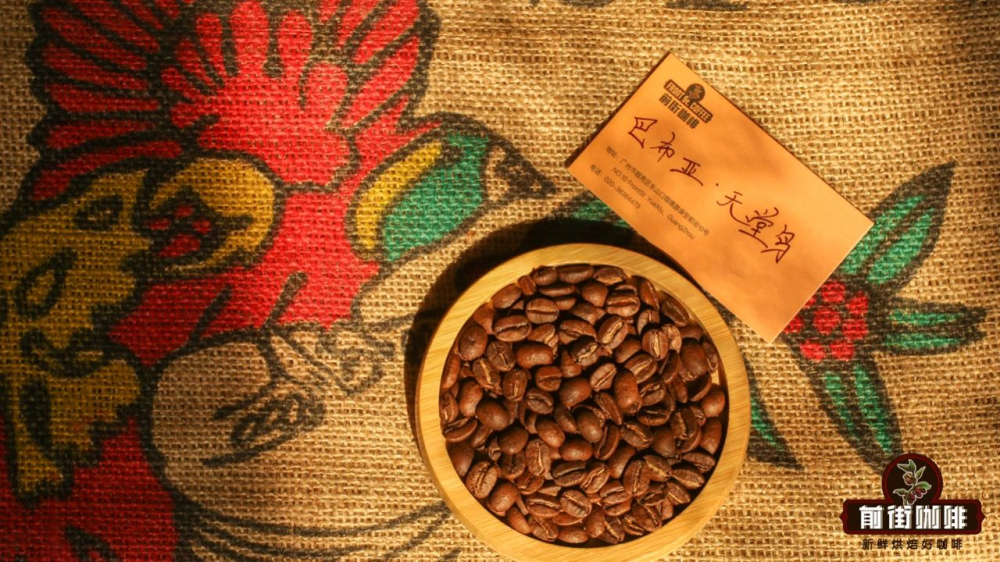
The working principle of an espresso machine dictates specific requirements for roast level. Under the combined effect of high pressure, hot water and fine grinding, the various flavor compounds in coffee are released in a concentrated way. Light-roasted beans, being underdeveloped, often show sharp acidity and thin flavors in espresso; over-roasted dark beans easily produce burnt and smoky notes that mask the coffee's own complexity. Extensive practice has verified that a medium roast balances acidity and bitterness while bringing out moderate sweetness and a rich body, making it the ideal choice for espresso.
For coffee lovers who prefer pronounced sweetness, the following market-verified beans are worth trying. These blends or single origins, after adjusting extraction parameters, generally show bright fruit acidity and soft caramelized sweetness, especially suited to espresso with silky crema and a full body.
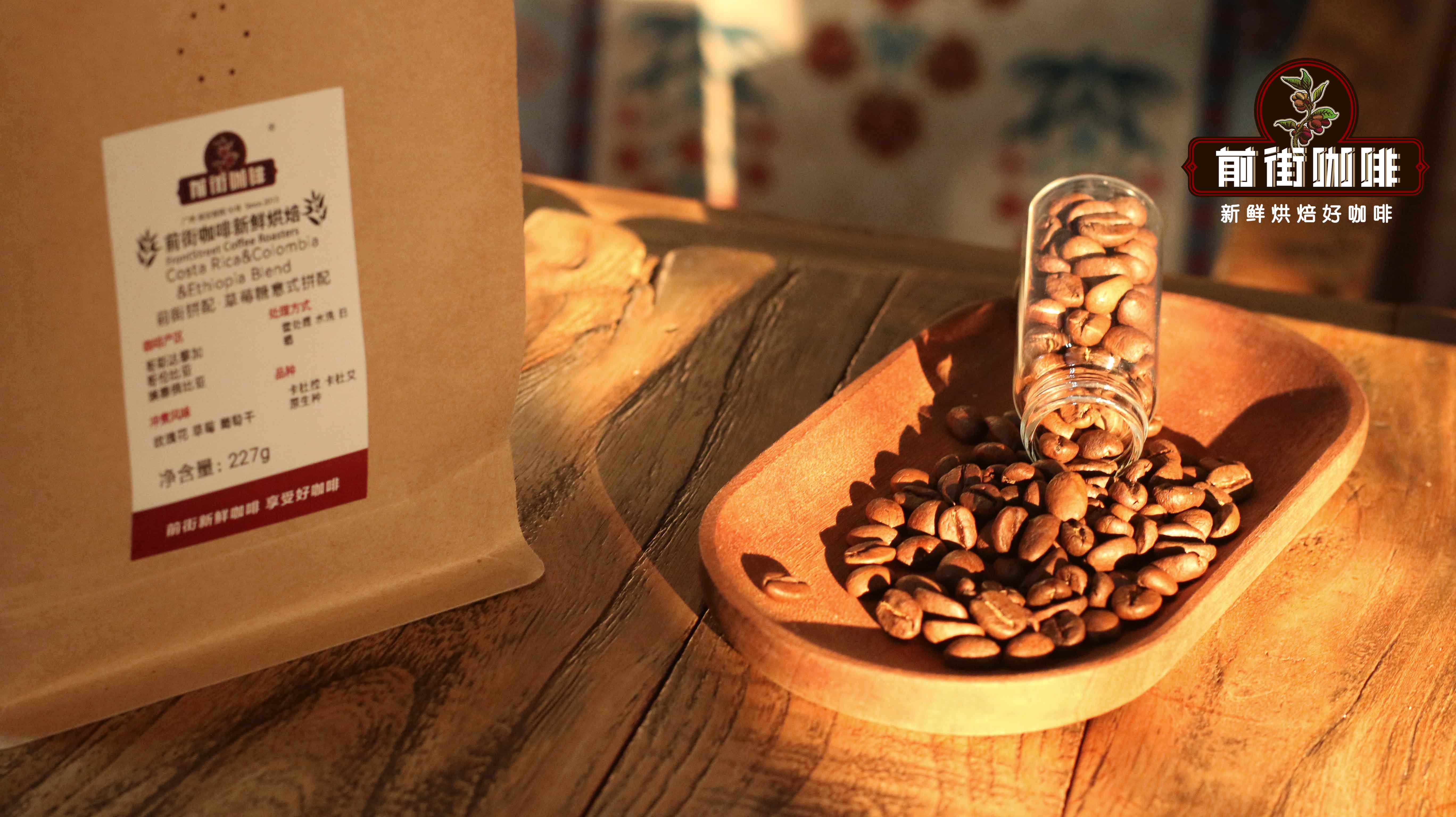
One blend featuring a tropical-fruit fermentation process combines the strengths of Central and South American beans. Its flavor profile shows pronounced tropical fruit aromas such as strawberry gummy candy, dried blueberries and rose petals, with moderate citrus and grape sweetness in the middle and a warm almond-nut finish. Under standard espresso extraction parameters (92-94°C water temperature, 9-10 atmospheres, 25-30 seconds extraction time), it forms a rich crema layer and a dense mouthfeel.

Another single-variety bean from a high-altitude growing region retains its full pectin layer through a special processing method. Its flavor profile is dominated by black berries and tropical fruits, such as the natural sweetness of blackberries, grapes and honey, accompanied by light floral notes. This bean shows excellent balance during extraction; even with a longer extraction time it does not turn overly bitter, making it suitable for basic Americanos or drinking straight as espresso.
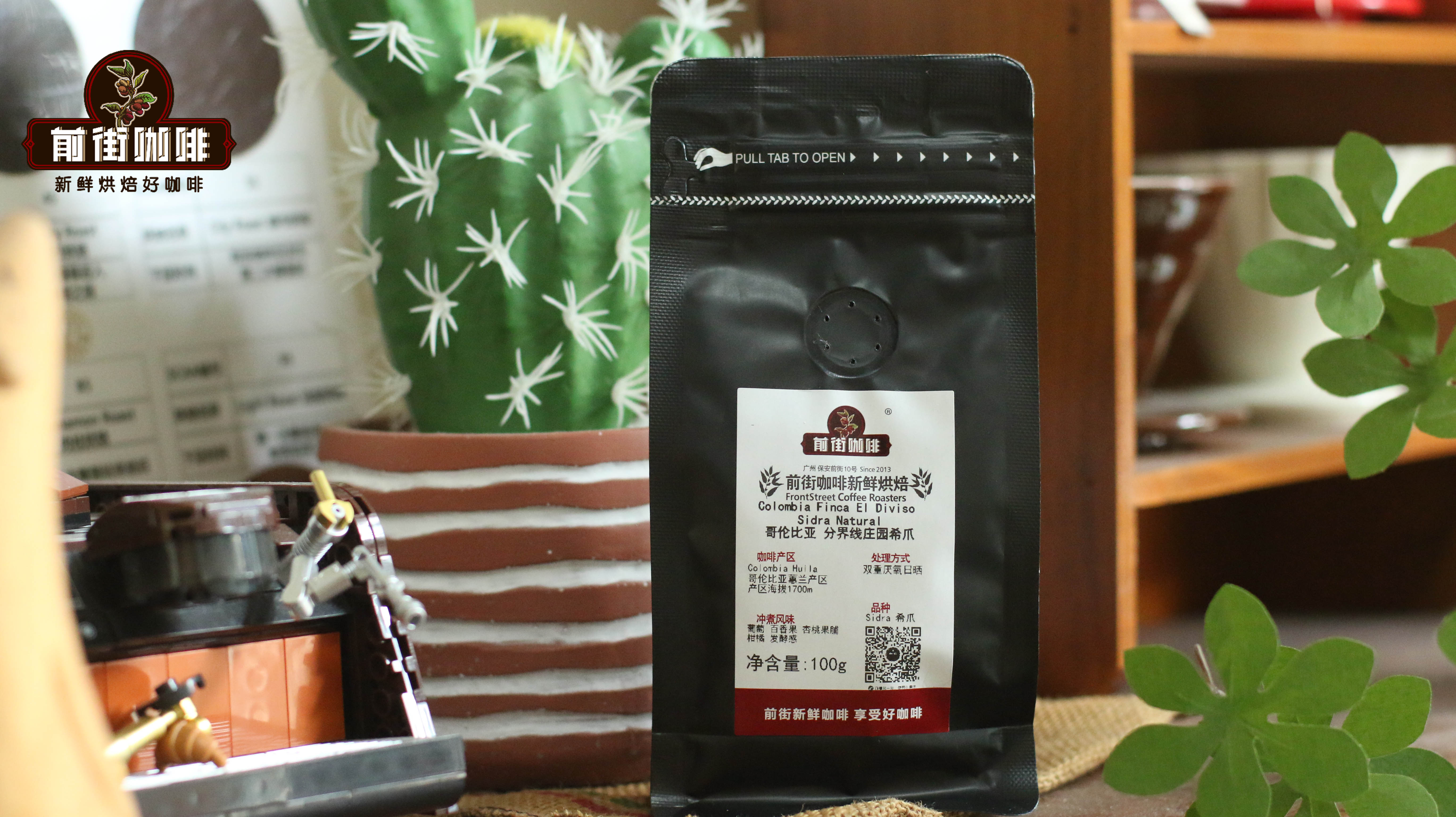
There is also a bean known for its fruit-forward intensity, whose flavor descriptions often include bright fruit aromas such as passion fruit, grape and apricot, together with the fresh acidity of citrus fruits. When extracted well, it presents a complex finish reminiscent of fruit wine, with subtle spice and sweet chocolate in the aftertaste. This bean is especially suited to consumers seeking a fresh profile; made into iced Americano, it shows a refreshing quality like freshly squeezed juice.

Finally, a medium-roasted bean with relatively balanced flavor development. Under standard espresso extraction conditions, it mainly shows roasted aromas such as toasted bread, peanut and butter cookies, along with moderate cream and cookie flavors. When made into a latte, it blends well with milk, highlighting a rich chocolate-milk quality; as an Americano, it shows a clear sugarcane sweetness in the finish.
Whichever beans you choose, keeping the espresso machine clean and using the right grind size are essential. It is recommended to calibrate the grinder regularly and fine-tune the grind based on actual extraction results to ensure the best espresso experience.


