Pour-Over Coffee for Beginners: How to Choose Your Coffee-to-Water Ratio, from 1:14 to 1:16
Introduction: The key to mastering pour-over coffee lies in understanding how the coffee-to-water ratio affects flavor. This article explains the ideal uses for the three classic ratios of 1:14, 1:15 and 1:16, the differences in extraction parameters from dark to light roasted beans, and teaches you to precisely control water volume and grind size, with step-by-step photos recreating a professional pour-over process so you can easily brew coffee with distinct layers of flavor.
The appeal of pour-over coffee lies in precisely controlling flavor release by adjusting parameters. This process centers on the pouring point and involves three key elements: water temperature, grind size and the coffee-to-water ratio—of which the coffee-to-water ratio directly affects coffee strength and flavor presentation, making it the invisible variable that decides success or failure.
When hot water penetrates the coffee bed, every additional 1 milliliter of water dissolves more soluble substances. But note: research by the Specialty Coffee Association (SCA) shows that only 18%–22% of coffee compounds contribute ideal flavor, and extracts beyond this range instead cause bitter imbalance. Like mixing a cocktail, the coffee-to-water ratio determines this cup's "base strength."
In technical terms, the coffee-to-water ratio refers to the ratio of coffee grounds weight to total water volume. For example, 1:15 means every 1 gram of coffee grounds corresponds to 15 milliliters of water; this figure directly affects two things: strength (the amount of substance per unit volume) and extraction yield (the proportion of substances dissolved). Experimental data shows that, with other parameters fixed, reducing water volume increases strength but intensifies flavor concentration, while increasing water volume dilutes strength but lets flavors unfold more.
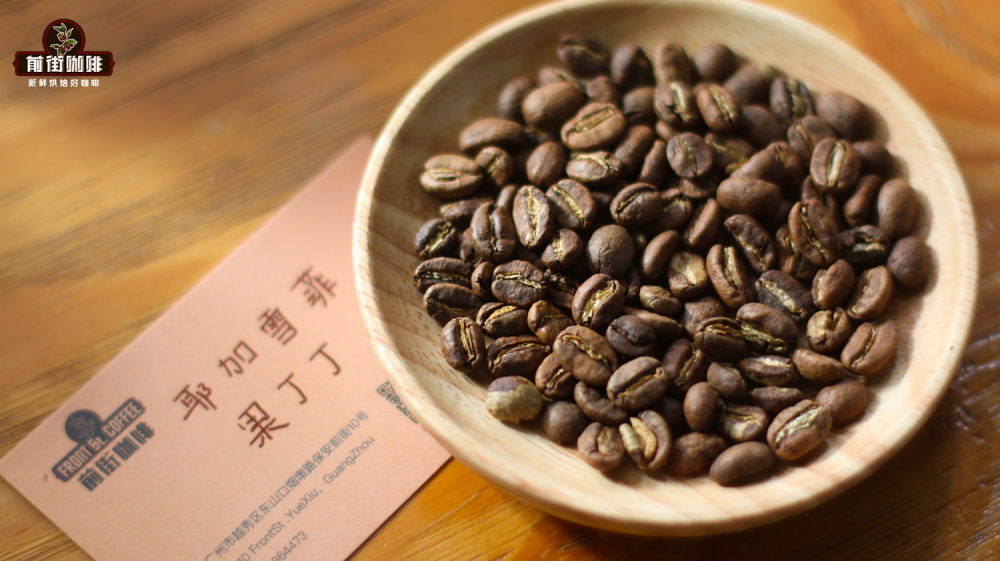
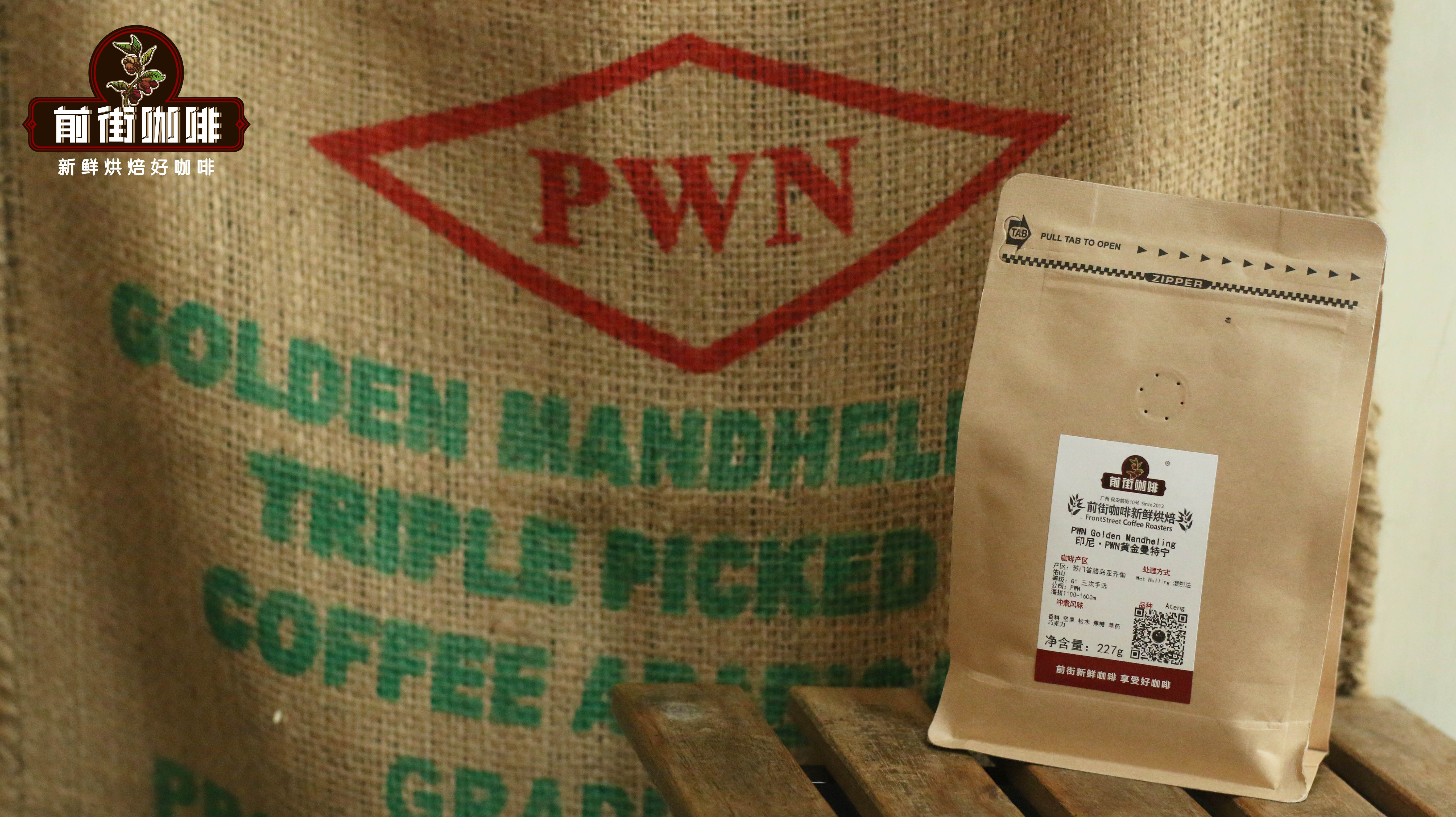
For dark roasted coffee beans (such as Mandheling types), a strong 1:14 recipe is recommended.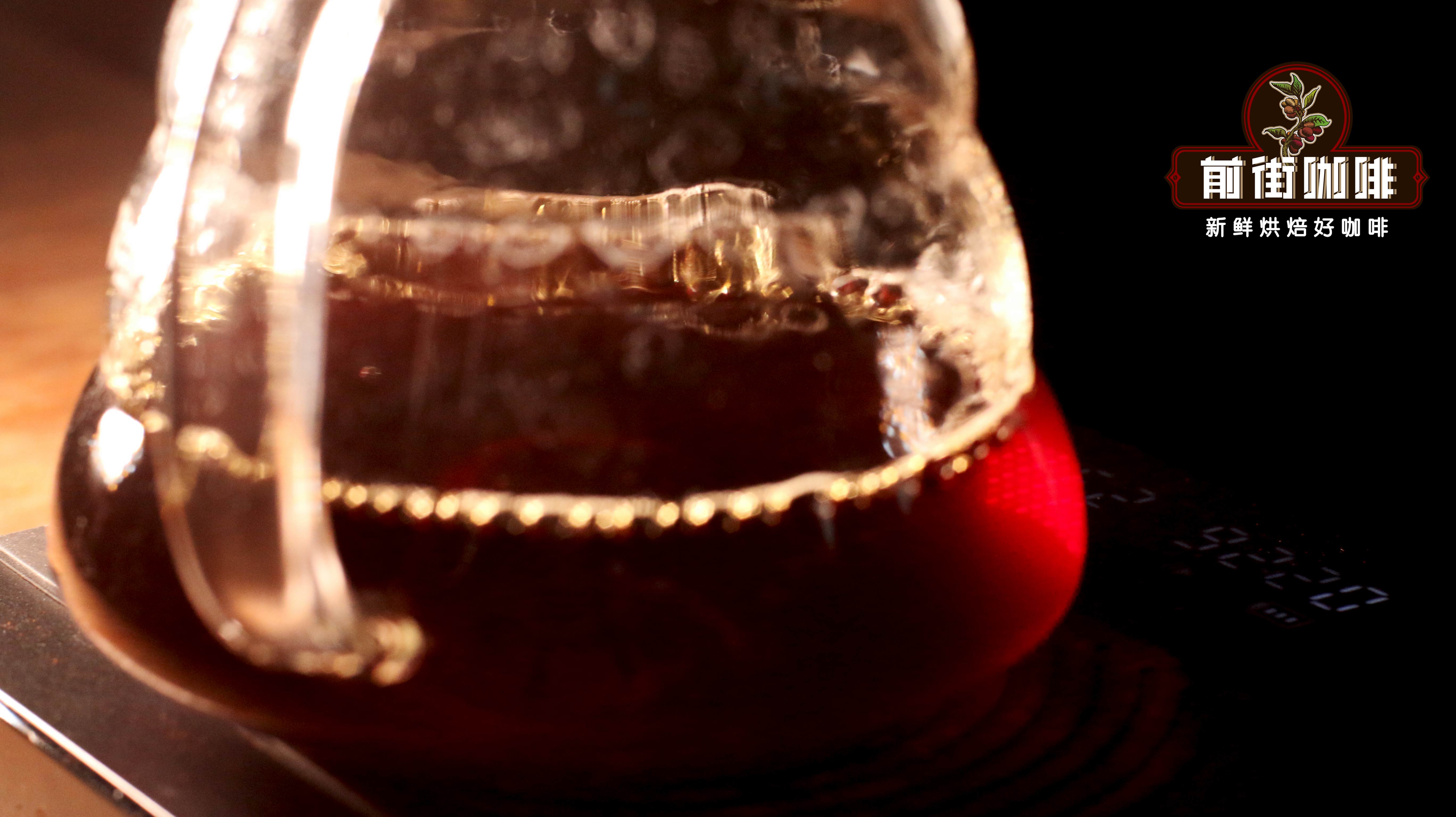 These beans naturally contain more caramelized substances, and a lower coffee-to-water ratio strengthens black chocolate, spice and pine notes while suppressing the sharp acidity produced by over-extraction. In actual brewing you can observe: high-temperature water quickly penetrates the dense dark-roast particles, releasing abundant full-bodied substances, and the bitter finish gradually turns to sweetness as the temperature drops.
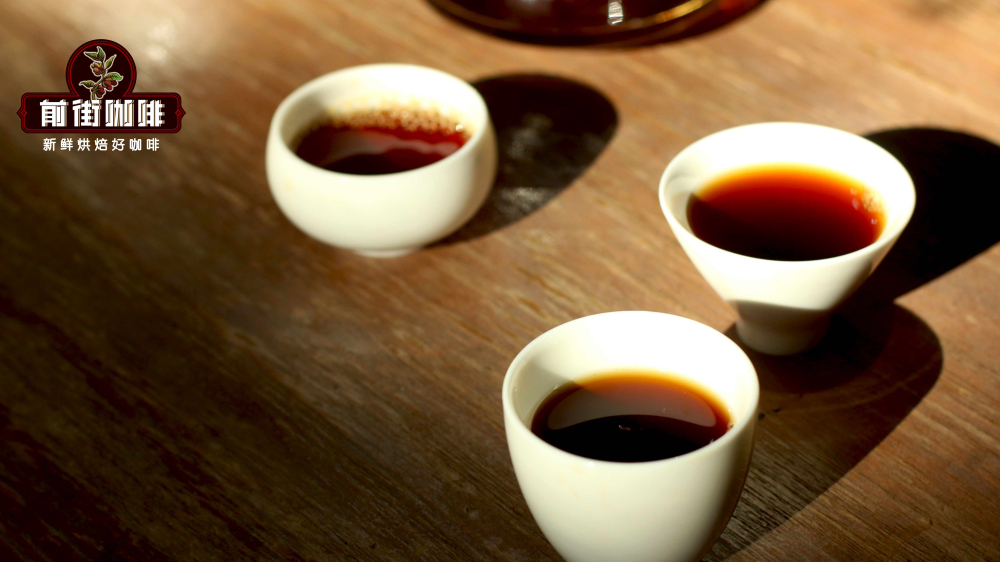 When working with medium roasted coffee beans (such as common Colombian lots), 1:15 becomes the golden balance point. For a single brew of 15 grams of coffee grounds, for example, the total water needed is precisely calculated as 225 milliliters (15×15). This ratio is especially suited to highlighting tropical fruit flavors such as passion fruit and apricot while maintaining a moderate sweet-acid balance. Note that you should use a medium-coarse grind here (about 70% passing a No. 20 sieve) with a water temperature of around 88°C to prevent fruit acids from releasing too early.
When using light roasted or natural processed coffee beans, it is recommended to switch to the more diluted 1:16 plan.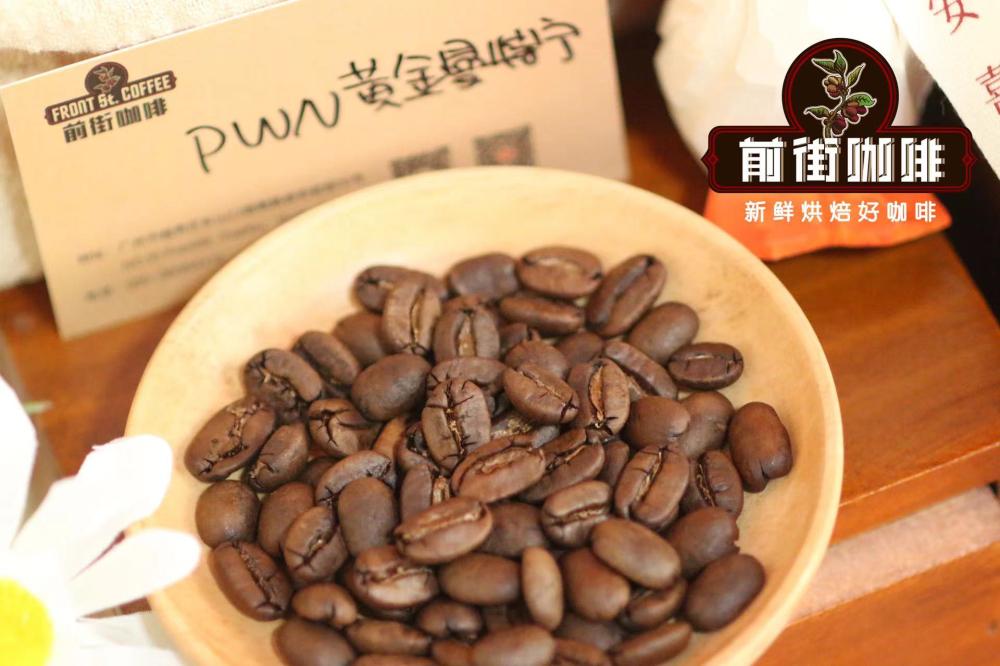 A larger water volume fully reveals light flavors such as jasmine and lemon peel and avoids flavor muddling caused by high strength. In practice you need to extend the pouring time; a staged extraction method is recommended: first pour to 105 milliliters, pause, and once the coffee bed collapses continue pouring the remaining water. This ensures even extraction of both the surface and bottom layers of coffee grounds.
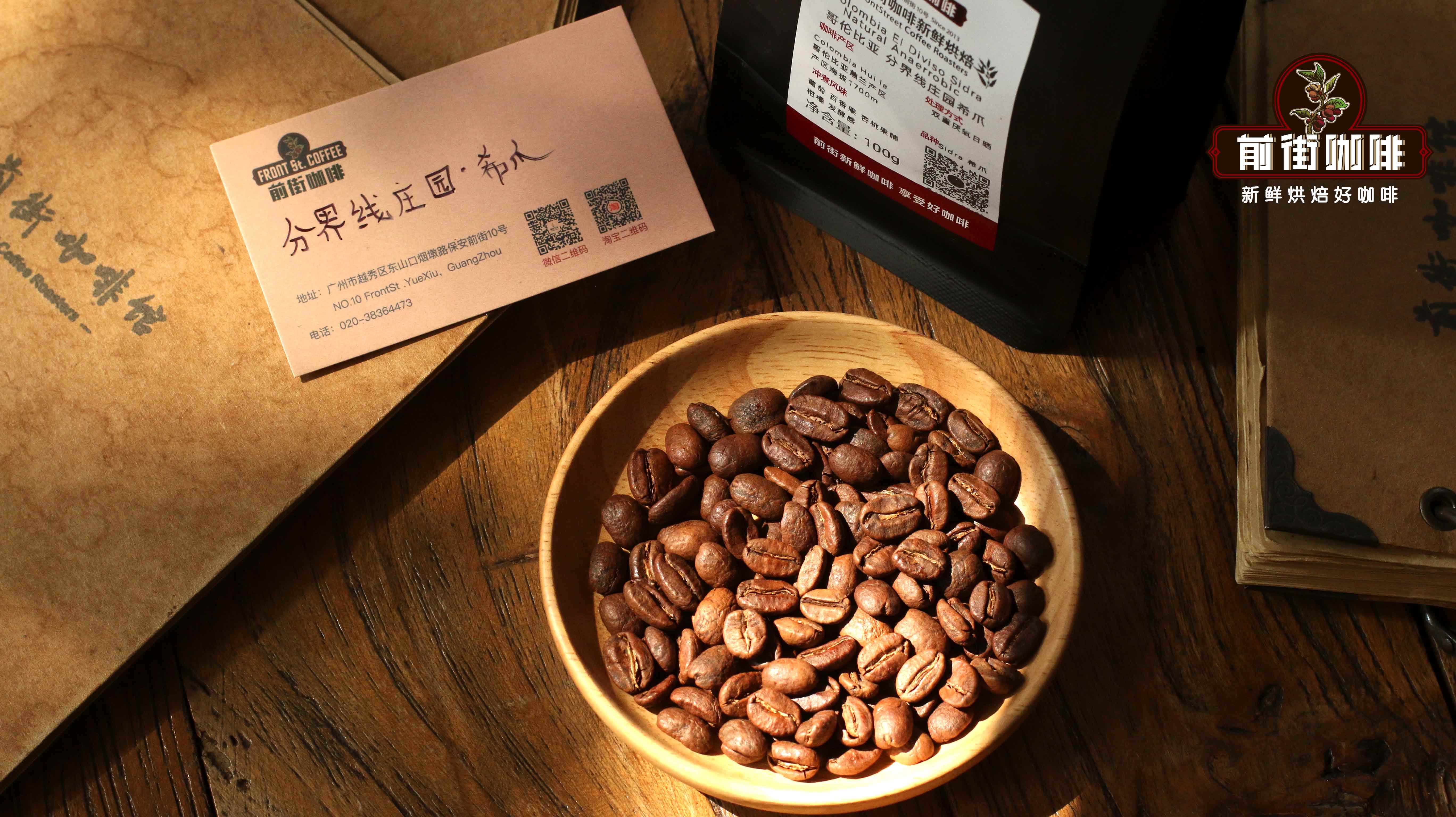
Key details of the professional pour-over process:
1. Pre-wet the dripper: first rinse the filter paper with hot water to both preheat the equipment and avoid interference from a papery taste
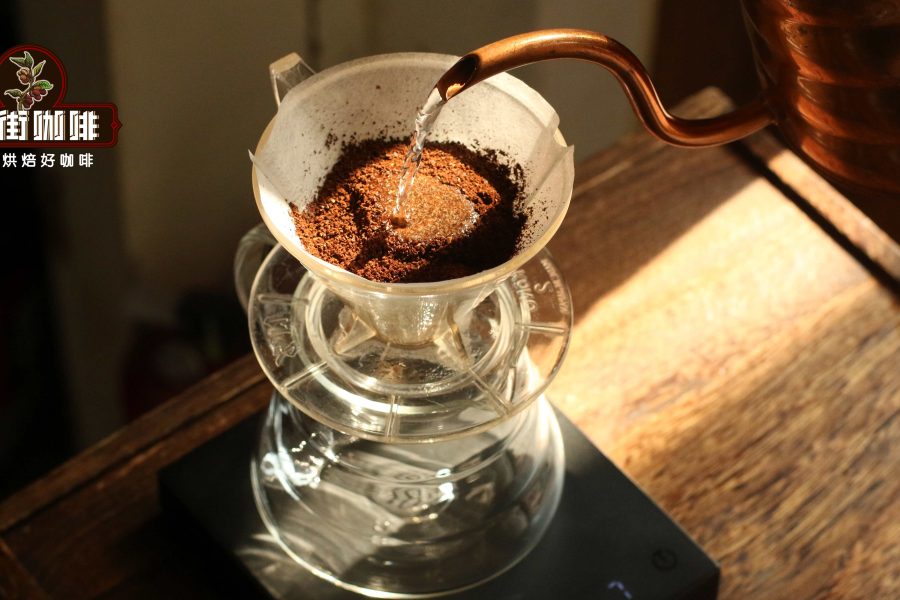
2. Blooming stage: pour 30 milliliters of hot water to soak the coffee grounds for 30 seconds, activating aromatic substances
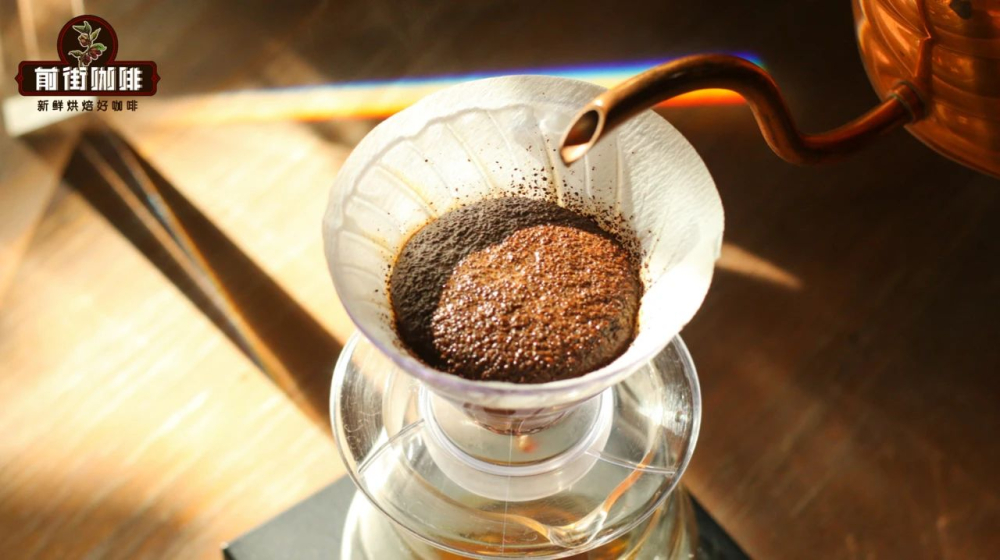
3. Center pouring: keep the stream diameter no more than 1/2 the dripper radius, with the pouring speed controlled at 2 seconds per circle
4. Staged control: each stage's water volume is recommended to be 30%–40% of the total, waiting between stages for the coffee bed to drop naturally
 Common misconceptions to note:
- Mistakenly believing "the more water the better": exceeding a 2:16 ratio causes over-dilution and loss of the flavor core
- Ignoring grind matching: dark roast beans need a coarser grind to prevent over-extraction, light roast beans need a finer grind to ensure full extraction
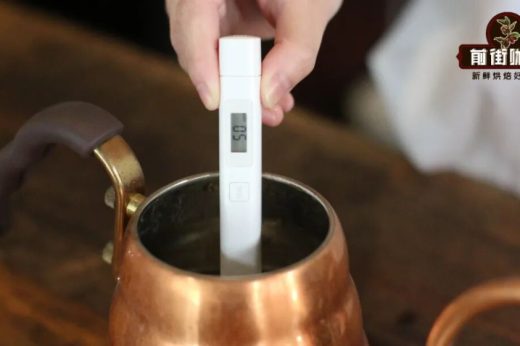
- Uncontrolled water temperature: every 1°C increase raises the extraction yield by about 15%; dark roast beans are recommended at 86–88°C, light roast beans can go up to 90–92°C
Example standard brewing plans (using 15 grams of coffee grounds):
- Dark roast recipe: 1:14 ratio / 87°C water / medium-coarse grind / total water 210 milliliters (30 grams bloom + 180 milliliters main pour)
- Medium roast recipe: 1:15 ratio / 88°C water / medium-coarse grind / total water 225 milliliters
- Light roast recipe: 1:16 ratio / 90°C water / fine grind / total water 240 milliliters
By systematically adjusting these three variables, even the same coffee beans can present entirely different flavor profiles. Remember the golden rule: for dark roasts choose a strong ratio to highlight body, for light roasts use a lighter ratio to show freshness; only by precisely recording each parameter combination can you find your own flavor code.