Drip Bag Coffee Brewing Guide: Water Volume, Temperature, and Pour-Over Differences
Introduction: Drip bag coffee has become a daily choice for many coffee lovers due to its convenience, but many people still have questions about how to brew it, such as how much water should be used for one bag? Is it the same as pour-over coffee? This article details the optimal water volume, water temperature, time, and other key parameters for drip bag coffee to help you precisely control the flavor, while also answering the differences between drip bag and pour-over coffee and why repeated brewing is not recommended.
Nowadays, more and more people choose drip bag coffee as a daily beverage. Its portability and relatively simple operation make it an ideal choice for the office, home, or even travel. However, for first-time users or those unfamiliar with brewing techniques, questions often arise: how many milliliters of water should be used for one bag of drip coffee? What exactly is the difference between it and traditional pour-over coffee?
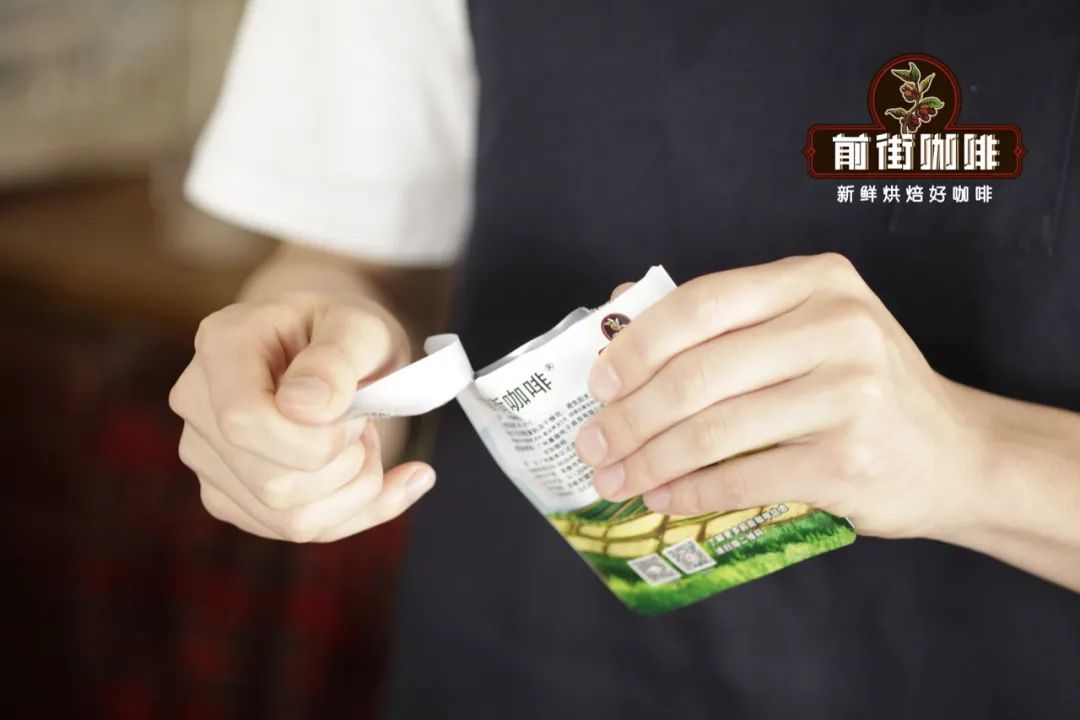
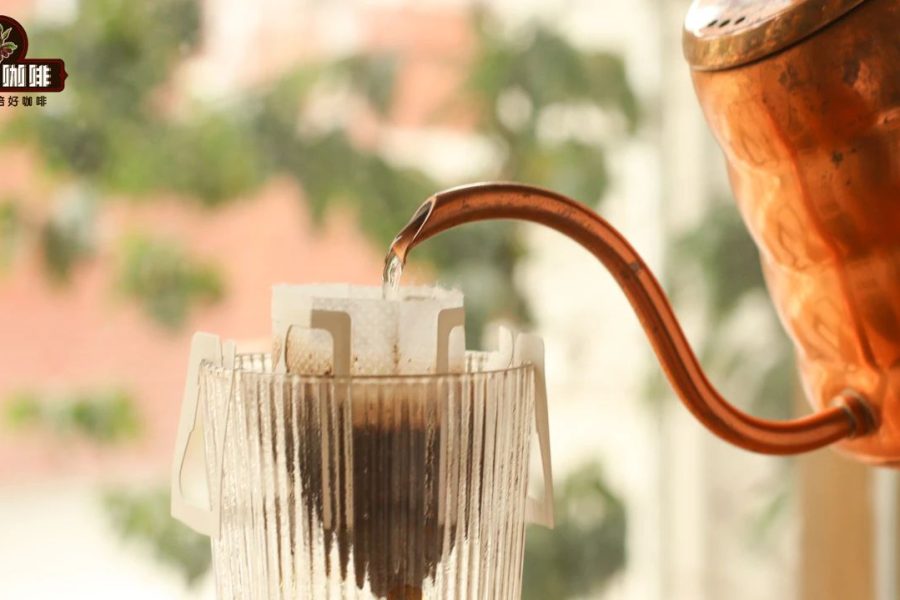
Simply put, drip bag coffee is ground coffee packed in a filter bag with hanging "ears." The "ears" on both sides are designed to hang the filter bag on the rim of a cup, simulating the drip process of pour-over coffee. This design retains the flavor layers of pour-over coffee while eliminating the hassle of grinding beans, weighing, and using professional equipment, making it especially suitable for quick daily enjoyment.
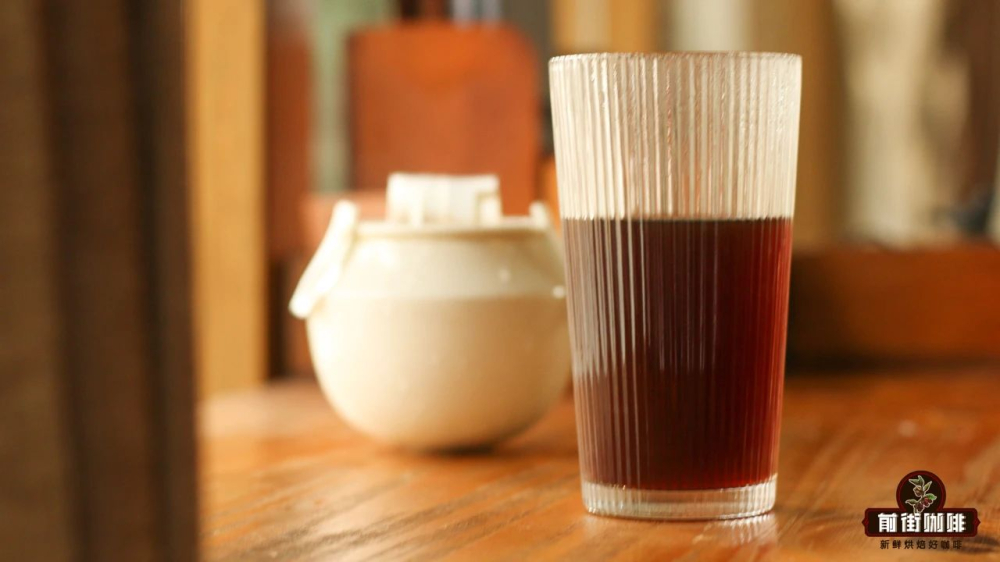
Common drip bag coffee packaging usually indicates the net weight of coffee powder per bag, generally 10 grams, which saves the trouble of weighing. When brewing, mastering the coffee-to-water ratio and extraction parameters is key to determining the flavor. A coffee-to-water ratio of 1:15 to 1:16 is generally recommended, meaning 10 grams of coffee powder corresponds to about 140–160 milliliters of hot water. The brewed coffee liquid will be about 140–150 milliliters, with a balanced flavor that is neither too weak nor too strong.
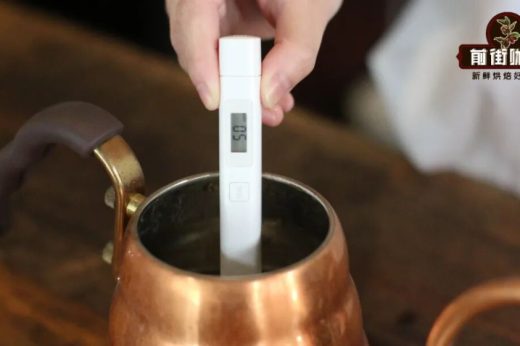
For water temperature, hot water at around 90°C is recommended. If you don't have a temperature-controlled device, you can turn off the heat after boiling, open the lid, and let it sit for 2–3 minutes. The water temperature will usually drop to a suitable range for extraction (assuming room temperature is around 28°C). Water that is too hot or too cold will affect the coffee's flavor: too hot can cause bitterness, while too cold may result in under-extraction and a flat flavor.

Drip bag coffee comes in various flavor types. For example, medium-dark roast products with spice, nut, and caramel notes are suitable for those who prefer a rich taste; medium-light roast styles highlighting fresh floral and citrus flavors with mild acidity are more suitable for beginners; and medium roast options focusing on nutty and balanced flavors suit most people's preferences. These drip bag coffees from different origins and roast levels provide consumers with a rich flavor experience.
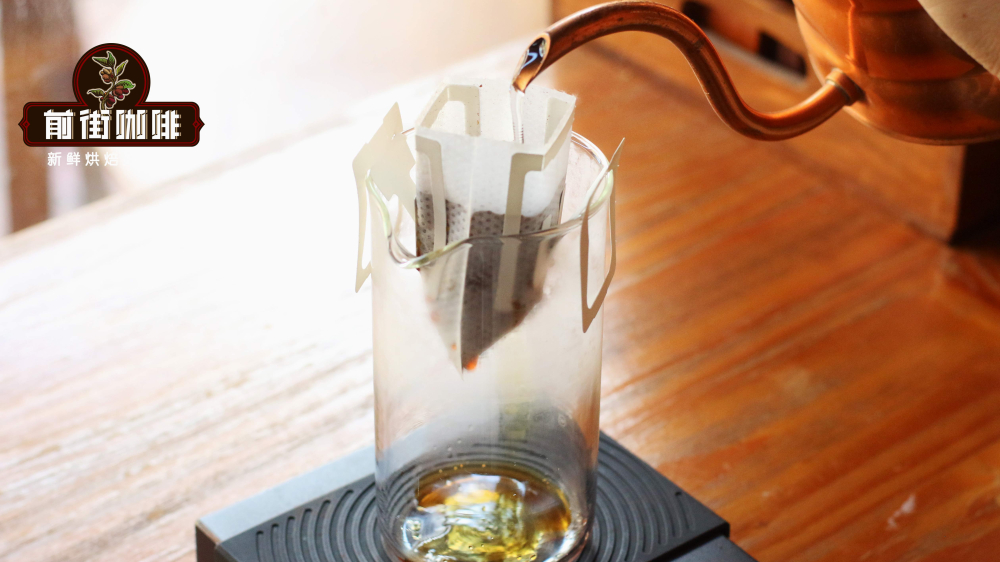
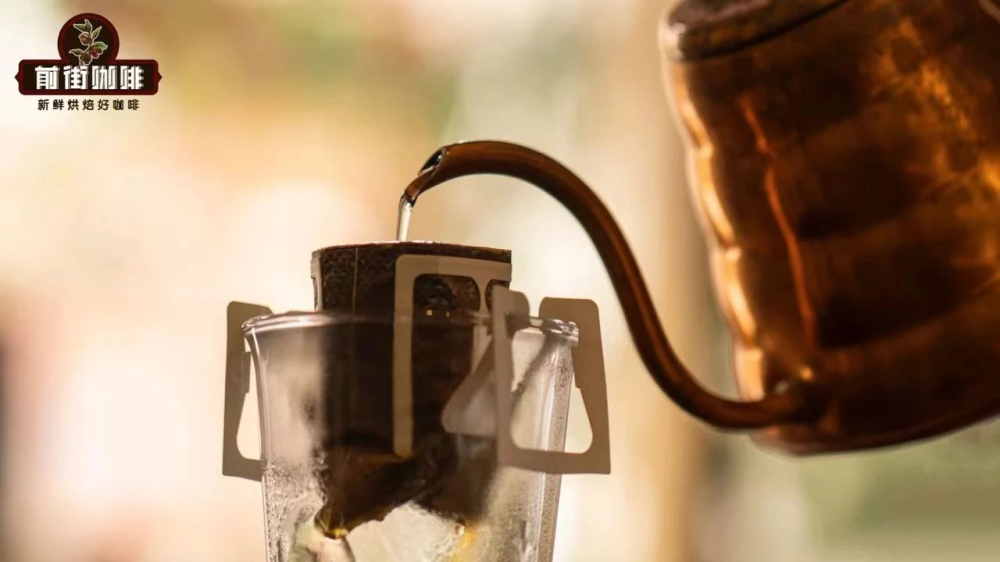
So, without professional pour-over equipment, can drip bag coffee brew a good taste like pour-over? The answer is yes, as long as you master the correct method. First, gently pull open the "ears" on both sides of the drip bag and hang them on the cup rim, ensuring the filter bag fits flat against the rim, then gently shake to distribute the coffee grounds evenly. Next, wet the coffee grounds with a small amount of hot water for a 30-second bloom. This step helps release the coffee's aroma.
After the bloom, begin the main pouring. A staged pouring method is recommended: first, slowly pour a small amount of hot water in a circular motion, and after the coffee bed fully expands and begins to settle, continue pouring slowly with a small stream, filling the cup to about nine-tenths full each time, and repeat until the total water volume reaches 140–150 milliliters. If you prefer a simpler operation, you can also pour 150–160 milliliters of hot water at once, wait for all the water to drip through, and then remove the drip bag.
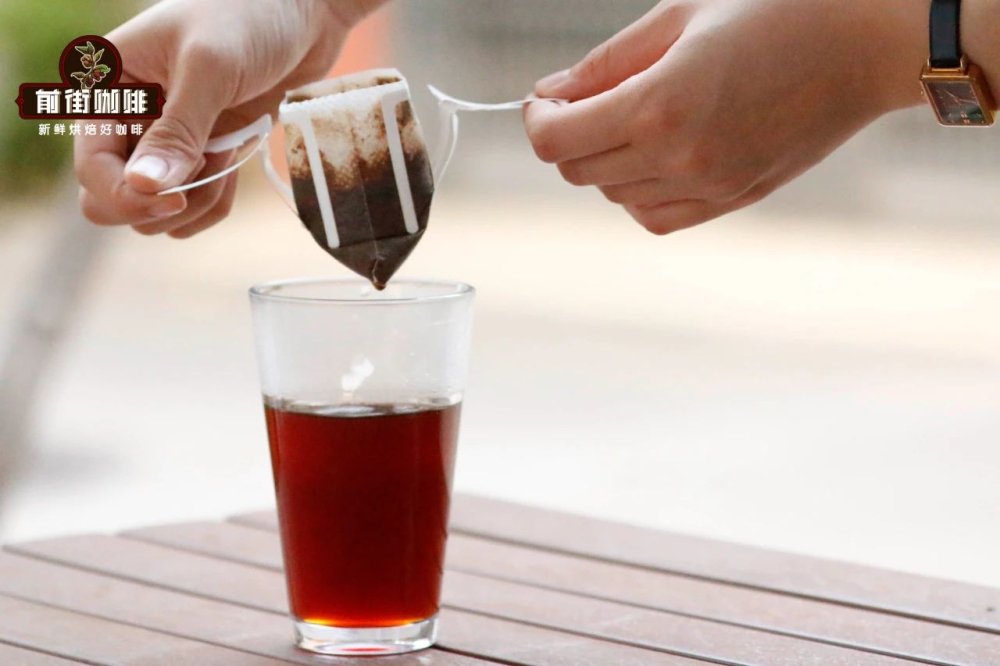
The entire brewing process should ideally be controlled within about 1 minute, which balances concentration and flavor release well. Note that drip bag coffee uses pre-ground coffee powder, which loses flavor faster over time compared to whole beans. Therefore, it is recommended to consume within 3 weeks after opening to ensure the best taste.
Additionally, many users ask: can drip bag coffee be brewed multiple times like pour-over? The answer is not recommended. Both drip bag coffee and pour-over coffee are essentially single-extraction processes, because only about 30% of the soluble substances in coffee can be extracted by water under reasonable parameters, and the rest is mainly insoluble fiber. Even with multiple pours, the subsequent extraction is limited, resulting in a weak flavor and possibly unpleasant off-flavors. Therefore, the filter bag should usually be discarded after one brew.
In summary, drip bag coffee has become a preferred choice for many coffee lovers due to its convenient operation and flavor close to pour-over. By mastering the core parameters such as 10 grams of coffee to 140–160 milliliters of water, water temperature of 90°C, and brewing time of about 1 minute, you can easily enjoy a cup of good drip bag coffee at home, in the office, or on the go.