Instant vs. Hand-Poured Coffee: Bitterness and Brewing Guide
Introduction: From instant to pour-over, the flavor differences and brewing methods of different coffee types often confuse beginners. This article explains the core differences between instant coffee, drip bag coffee and pour-over coffee, analyzes why pour-over coffee may be more bitter, and provides professional brewing parameters and practical advice to help you find the coffee experience that suits you.
For beginners just getting into coffee, facing different types such as instant, drip bag and pour-over, it is often confusing. Which coffee actually tastes better? Is pour-over coffee really more bitter than instant? Understanding the characteristics of these coffee forms can help you better enjoy the pleasure of coffee.
What is instant coffee?
Instant coffee was first created in 1937, when a Swiss company, to meet Brazil's coffee production capacity needs, developed the "spray drying method," atomizing concentrated coffee liquid at high temperature and quickly dehydrating it into powder—this was the prototype of modern instant coffee. This process is low-cost and easy to preserve, and it quickly became mainstream in the market.
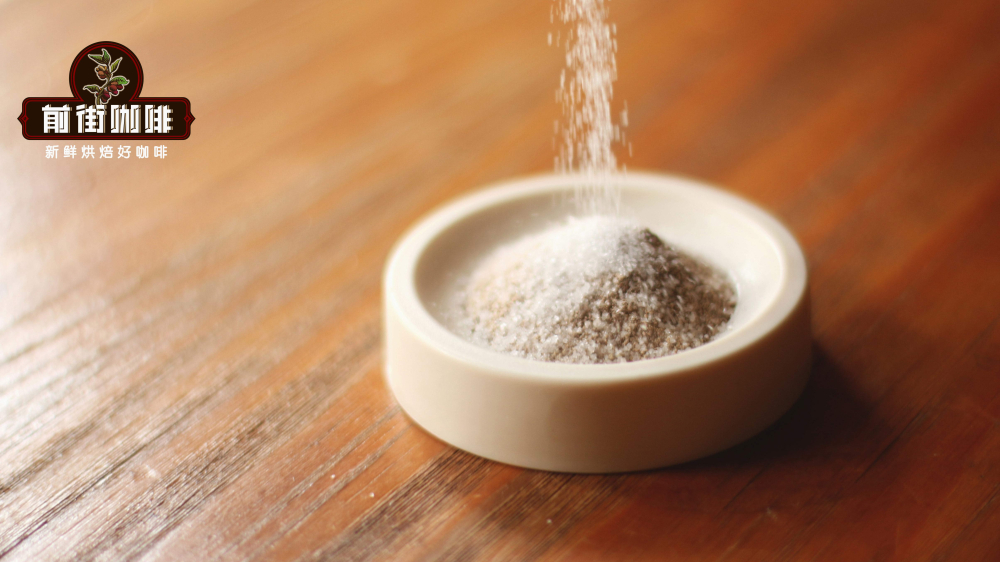
The biggest advantage of instant coffee is convenience: it dissolves quickly with just hot water. In the early days, limited coffee bean quality, combined with deep roasting and high-temperature processing, caused serious flavor loss. To improve the taste, many products added large amounts of sugar and non-dairy creamer—the common "3-in-1 instant coffee." Although this type of coffee has a mild taste, long-term consumption may be unhealthy, so moderate control is recommended.
Shortcomings of instant coffee
Because instant coffee pursues convenience and standardization, the quality of the raw coffee beans is often not high, and the production process involves multiple high-temperature treatments, causing serious loss of flavor compounds, with weak aroma and layering. In addition, the sugar and creamer added to mask poor flavors may also affect health, so it is not recommended to drink it in large amounts over the long term.
What is drip bag coffee? How is it related to pour-over coffee?
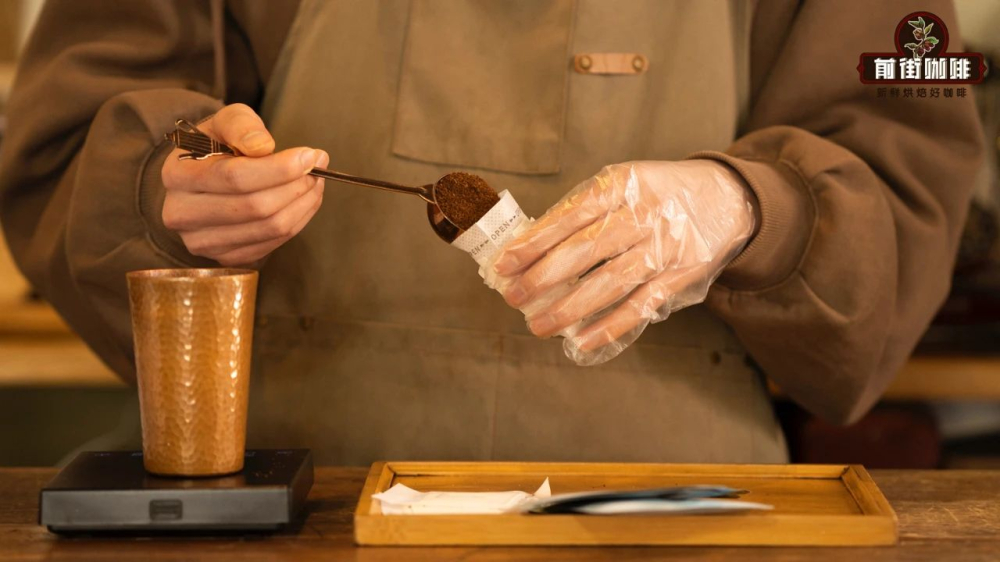
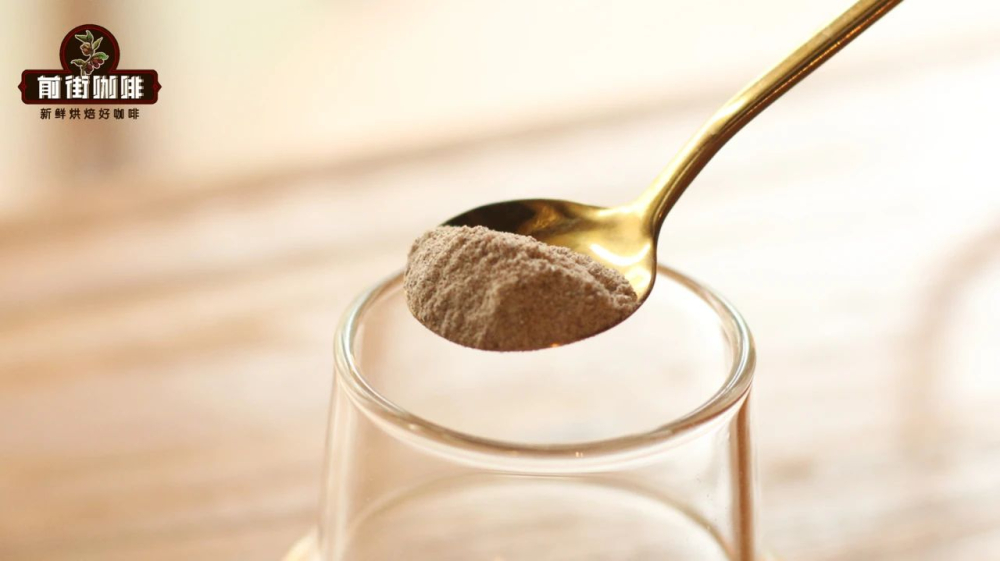
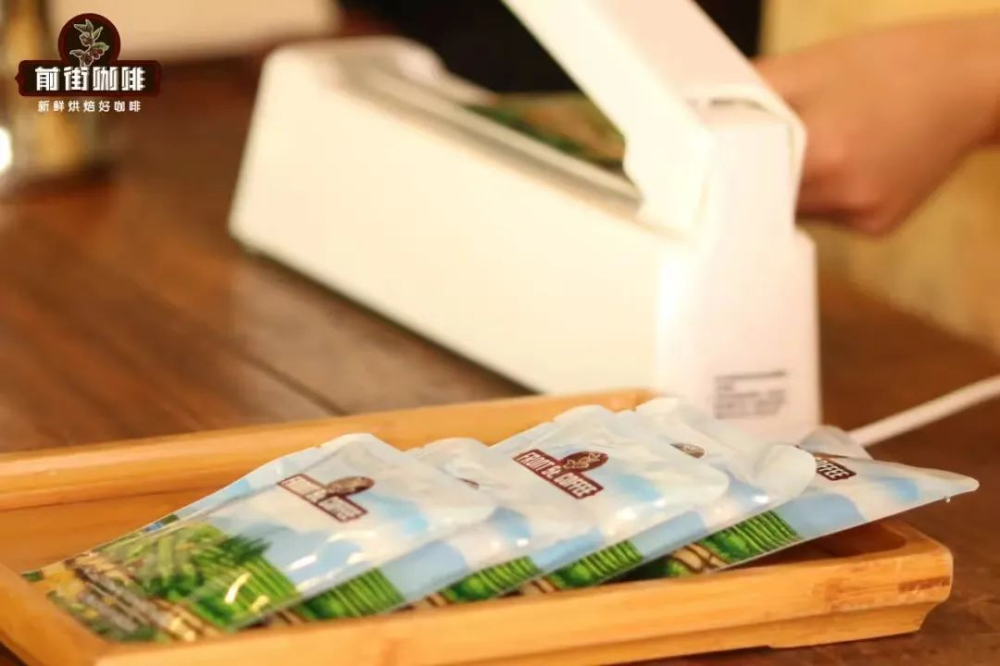
Drip bag coffee can be seen as a "pre-ground pour-over coffee packet." It puts ground coffee into a filter bag; when brewing, you only need to pour in hot water without extra grinding. It is convenient to use and retains the coffee's original flavor relatively well.
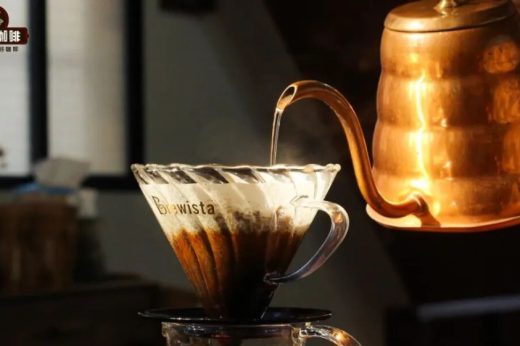
Pour-over coffee, on the other hand, uses manually controlled pouring to let hot water pass through the coffee grounds and extract flavor compounds, then filters through filter paper to obtain clear black coffee. This process involves coffee bean selection, grind size, water temperature, pouring method and many other parameters, which significantly affect flavor.
Compared with pour-over, drip bag coffee saves the steps of grinding beans and preparing a dripper; only hot water and a cup are needed to complete brewing. It suits users who want convenience without sacrificing too much flavor.
Origin and development of drip bag coffee
The concept of drip bag coffee can be traced back to 1990, when a Japanese company developed it inspired by the design of stringed tea bags. By setting "ear" structures on both sides of the filter bag, the bag can hang on the rim of the cup and simulate the effect of pour-over drip filtration. In 2002 the design obtained a patent and was gradually promoted; because it is easy to operate and its flavor is close to pour-over, it became widely popular.
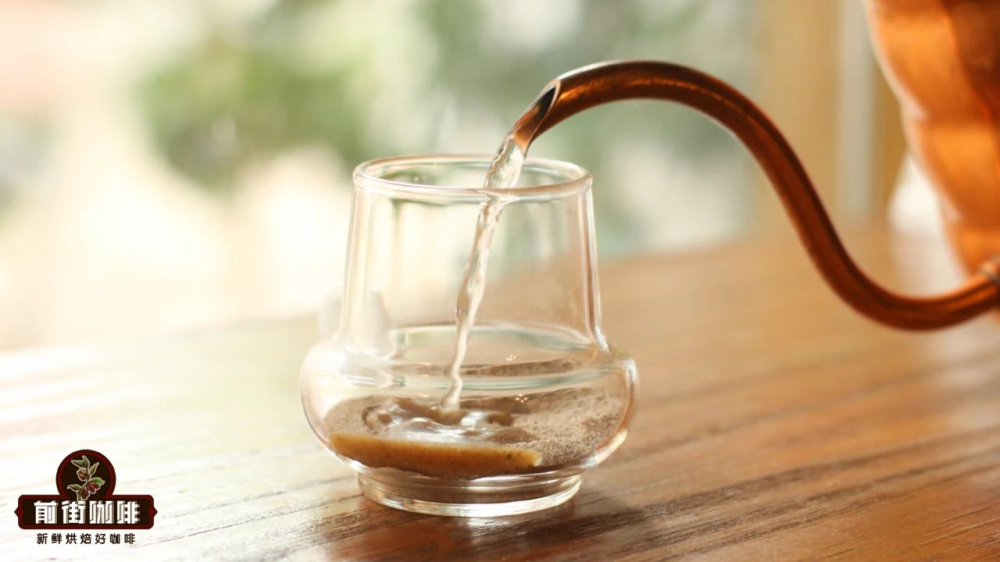
Today's drip bag coffee has developed many flavor types, adapted to coffee beans from different origins and roast levels, and consumers can choose freely according to personal taste.
The key to pour-over and drip bag: coffee bean freshness
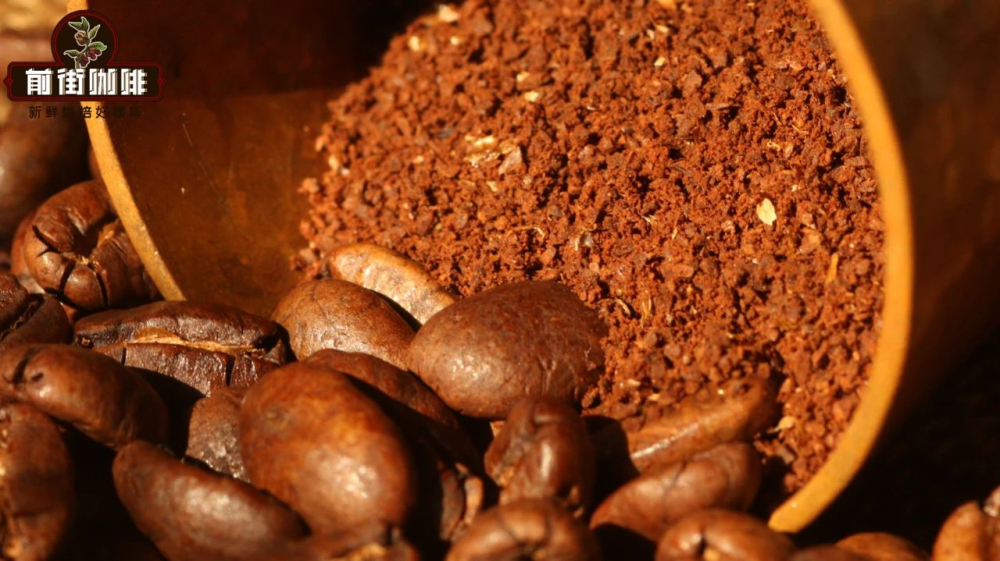
Whether pour-over or drip bag, the freshness of coffee beans is crucial. It is recommended to choose coffee beans with a roast date within 4 to 30 days; during this period the coffee's flavor is fullest and extraction is more stable. Freshly roasted coffee beans are usually shipped within 1 to 3 days after roasting, ensuring consumers receive them while still in the best tasting period.
How to properly brew drip bag coffee?
Taking a common 10-gram drip bag coffee packet as an example, it usually brews about 120–130 ml of black coffee. The brewing steps are as follows:
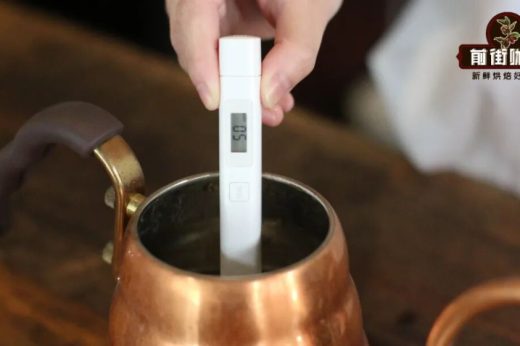
1. Boil water and let it cool slightly to 90–93°C, and prepare a clean cup;
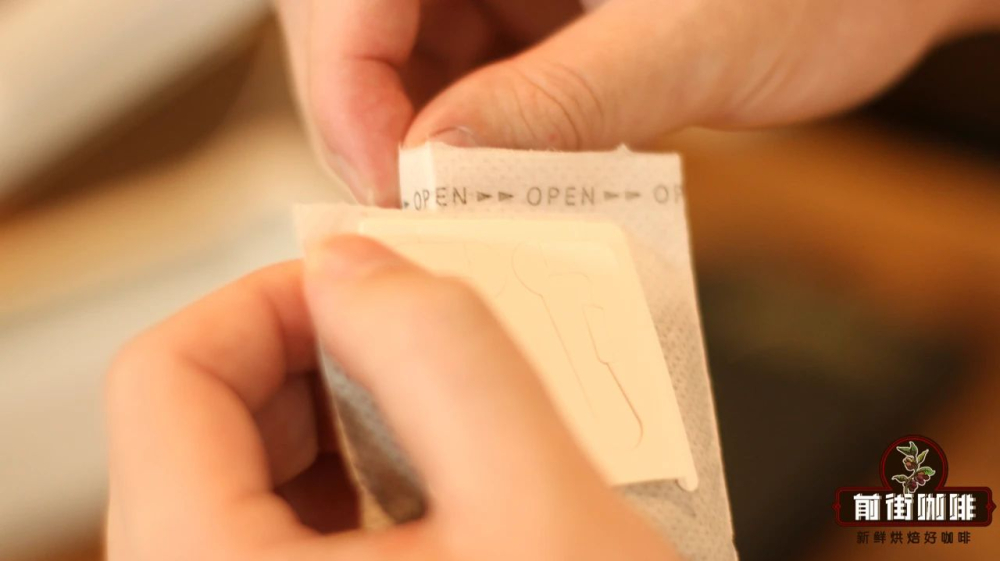
2. Tear open the drip bag, open the non-woven filter bag along the dotted line, and hang the "ears" on both sides over the cup rim;
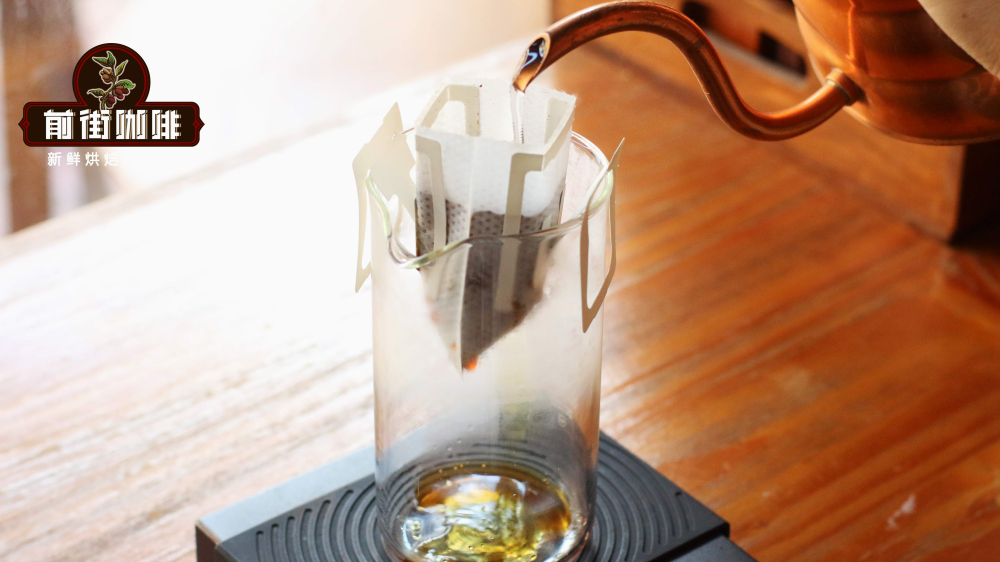
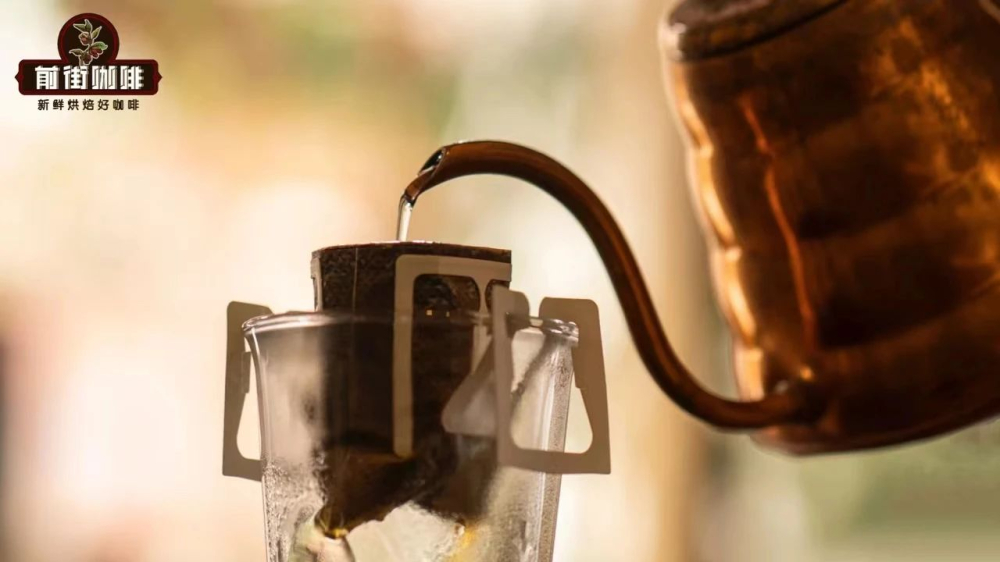
3. First pour in a small amount of hot water (about 30 g) and let it bloom for 10–20 seconds to awaken the coffee grounds;
4. Then pour slowly with a steady medium-small stream; the total amount of water is recommended to be 150–180 g, with extraction time controlled at about 2 minutes;
5. After the coffee liquid has finished dripping, remove the drip bag, discard it, and enjoy.
When brewing, you can adjust the water amount and grind size according to personal taste. If you like a strong taste, reduce the water amount appropriately; if you prefer a lighter flavor, increase the water amount. If pure black coffee tastes too bitter, you can also add an appropriate amount of milk or sugar to adjust it as you like.
Why is pour-over coffee sometimes more bitter?
The bitterness of pour-over coffee is related to multiple factors, including the roast level of the coffee beans, grind coarseness, water temperature and extraction time. Generally, deeply roasted coffee beans have more obvious bitterness, and high-temperature, long-time extraction easily extracts too many bitter compounds. Therefore, controlling these parameters well can effectively balance the acidity, sweetness and bitterness of coffee and bring richer flavor layers.
By contrast, because the operating process of drip bag coffee is fixed, its bitterness is usually more stable, making it suitable for beginners.
Overall, instant coffee wins on convenience, drip bag coffee achieves a good balance between convenience and flavor, and pour-over coffee can bring a richer flavor experience, suiting enthusiasts with higher requirements for coffee quality.
No matter which form you choose, fresh, high-quality coffee beans are key. Understanding the characteristics of different coffee types and choosing according to your own taste and needs is the way to truly enjoy the wonderful experience coffee brings.