Hawaiian Kona Coffee: Pour-Over and French Press Guide to Flavor and Brewing
Introduction: This article details the key operational points of two classic brewing methods for Hawaiian Kona coffee—pour-over drip and French press—and reveals the secrets to balancing its bright fruit acidity and rich sweetness. From the growing environment on volcanic slopes at an altitude of 2,000 feet, to the story of the production area facing pest and climate challenges, to practical advice on pour-over filter paper selection, water temperature control, and French press grind size, this guide helps you precisely present the unique flavor layers of this precious coffee bean.
As the only commercial coffee-producing region in the continental United States, Hawaiian Kona coffee cultivation faces unique challenges. Although coffee farmers in California and Florida have also attempted cultivation, limited by the lack of volcanic soil and suitable temperature differences, their output is difficult to reach high-quality commercial standards. The Kona region is located on the volcanic slopes on the west side of the Big Island, where the microclimate at an altitude of about 2,000 feet provides an ideal growing environment for Arabica coffee trees, but also requires dealing with uneven rainfall and coffee berry borer infestation—this boring beetle damages coffee cherries and directly affects annual yield.
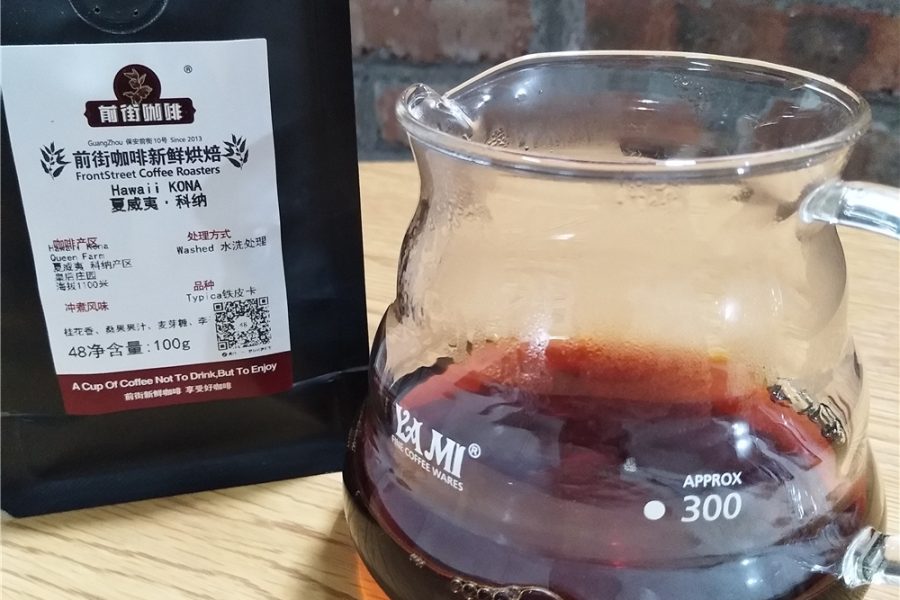
Currently, Kona coffee annual production is about 7 million pounds, accounting for only 0.04% of global supply. Its high labor costs (the local legal minimum hourly wage is $9.25) make pure Kona beans generally more expensive than ordinary commercial beans. However, this scarcity precisely creates its distinct flavor characteristics: high-quality Kona coffee often exhibits a rich base of brown sugar and milk chocolate, layered with bright citrus acidity and berry notes, and when light-roasted, it shows a cleaner and more refreshing character.
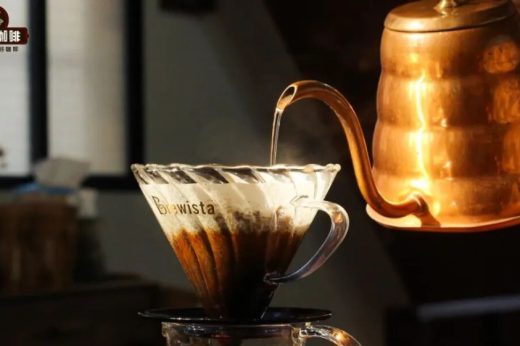
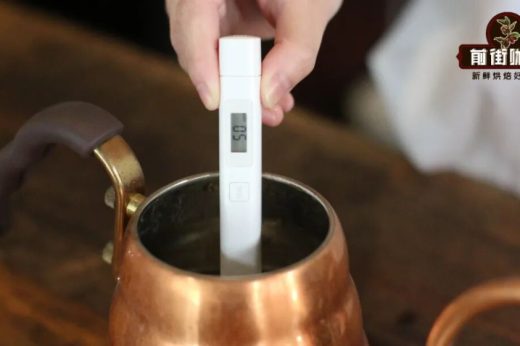
For enthusiasts pursuing flavor fidelity, pour-over drip is the brewing method that best highlights the delicate balance of Kona coffee. It is recommended to use medium-roast beans (roast level between City and Full City) with a coffee-to-water ratio of 1:15 to 1:17. When pouring, pay attention to staged extraction: first wet the filter paper with 90-93°C hot water and pre-infuse the coffee grounds for 30 seconds, then pour water in a spiral from the center outward, controlling the total extraction time between 2 minutes 30 seconds and 3 minutes. For filter paper selection, white natural wood pulp filter paper better preserves floral and fruity notes, while bamboo fiber filter paper enhances body. Avoid over-extraction that causes tannic astringency; for light-roast beans especially, be careful to keep the water temperature no higher than 94°C.
The French press is a powerful tool for showcasing the rich flavor of Kona coffee, especially suitable for medium-dark roast beans (roast level close to Full City+). It is recommended to adjust the grind size to coarse sugar granule size (about 800-1000 microns), and the coffee-to-water ratio can be relaxed to 1:12 to 1:15. After pre-infusion, steep the coffee grounds with hot water (90-92°C) for 4 minutes, then slowly press down the filter mesh. This process fully extracts the brown sugar sweetness and chocolate finish produced by caramelization reactions. Special note: after use, rinse the filter mesh promptly with clean water to avoid coffee oil residue affecting the flavor purity of the next brew. If you prefer a fuller body, you can appropriately extend the steeping time to 4 minutes 30 seconds, but beware of over-extraction causing woody bitterness.
Whether pour-over or French press, the unique charm of Kona coffee lies in its perfectly balanced acidity and sweetness. This rare bean variety grown on Pacific volcanic islands carries the resilient tradition of Hawaiian agriculture and also provides coffee enthusiasts with an excellent sample for exploring tropical flavor terroir.