Kenya AA Coffee Bean Guide: High-Altitude Flavor and Pour-Over Parameters
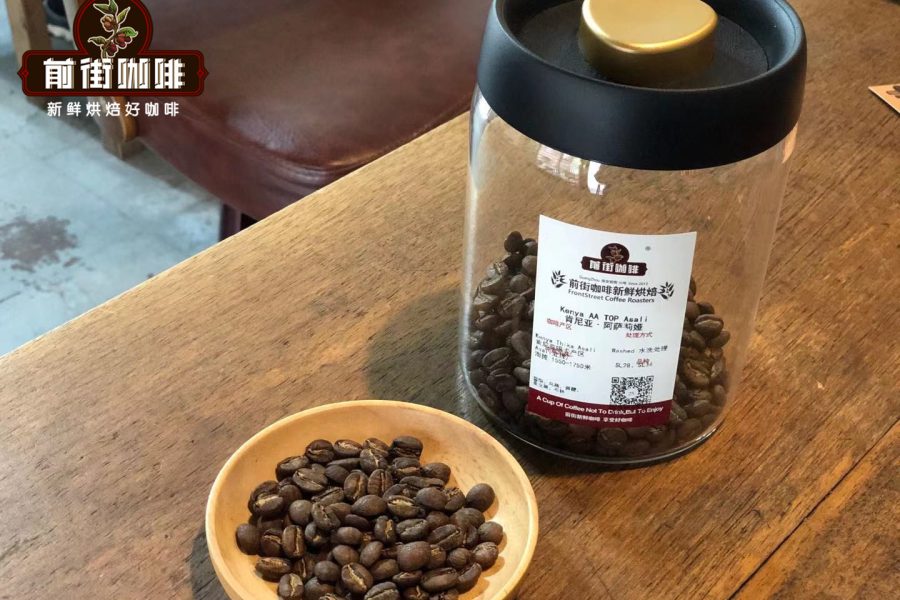
Introduction: Kenya AA coffee beans, with their bright acidity and layered fruit notes, have long held a place in the top tier of specialty coffee. This article breaks down the core growing regions, grading standards and unique flavor causes of these high-priced beans, and offers professional roasting advice and a pour-over recipe to help coffee lovers precisely capture the essence of this "champagne of the coffee world."
At the top of the global specialty coffee pyramid, Kenya always occupies an irreplaceable position. The unique microclimate of the country's highlands and its rigorous cultivation system have produced top-tier beans represented by Kenya AA—beans that are not only regulars at auction but also hailed by professional cuppers as "a textbook example of balance between acidity and body."
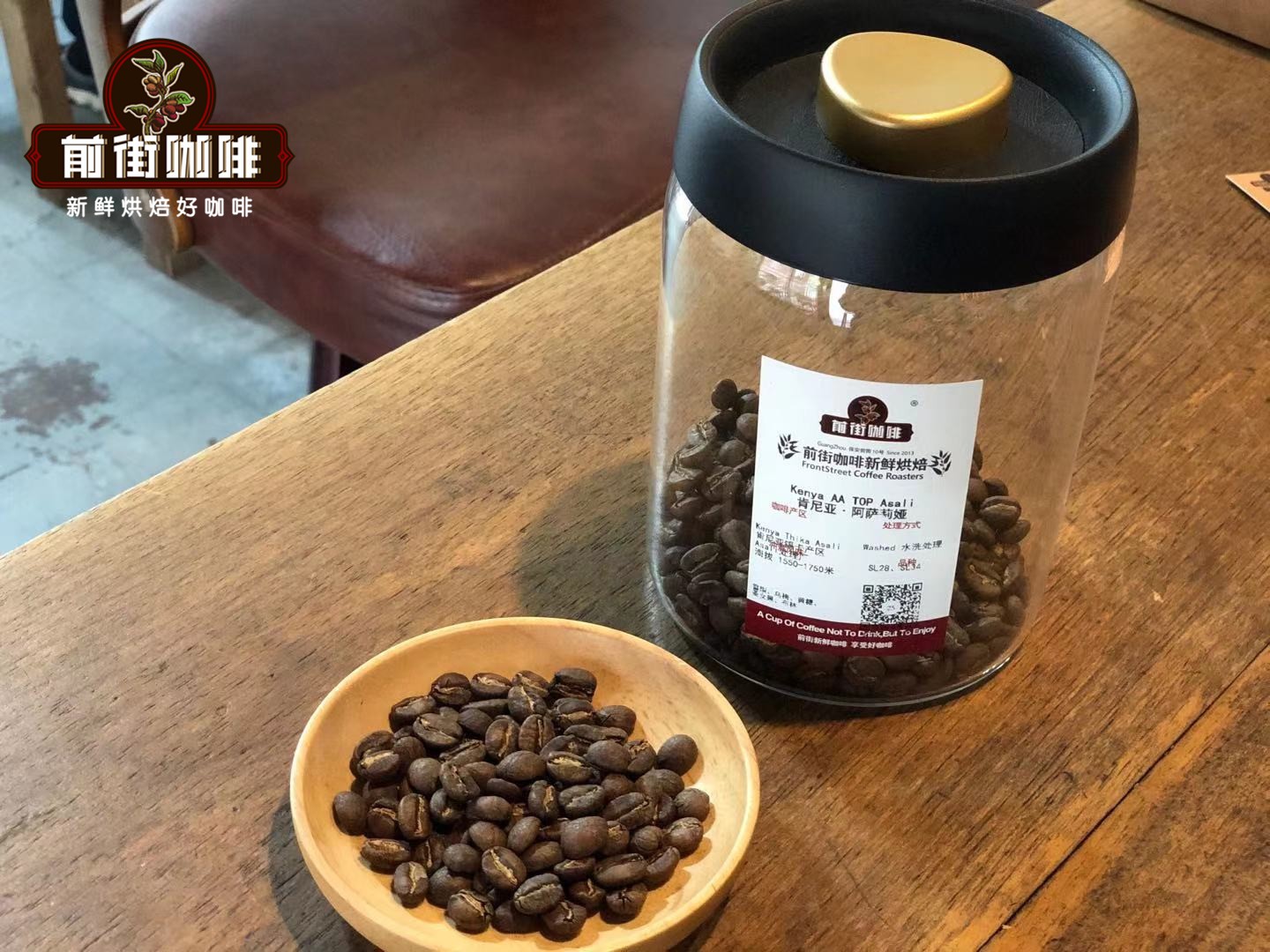
The name Kenya AA comes from the screen-size standard in its grading system: only beans with a diameter over 8.2 mm (roughly larger than 1/4 inch) qualify. These beans are generally harvested from highland areas at 1,700–2,100 meters above sea level, with output from volcanic-soil regions such as Nyeri and Kirinyaga particularly outstanding. The high-altitude environment not only lengthens the fruit's ripening cycle but also prompts the coffee cherries to accumulate higher concentrations of sugars and aromatic compounds.
Compared with ordinary commercial beans, Kenya AA shows extremely distinct sensory characteristics: the first sip brings intense citrus acidity (like grapefruit or lime), which then turns into a rich, black-tea-like body, while the finish lingers with complex berry flavors such as blackberry and tomato leaf. This "three-stage burst" tasting experience makes it the ultimate goal for black coffee lovers.
It is worth noting that Kenya's unique cooperative production and marketing model ensures quality consistency. The nationwide unified open auction system requires every lot of coffee beans to be labeled with the specific region, processing plant and even picking date; this transparent traceability mechanism effectively prevents low-quality beans from entering the high-end supply chain. Although its market price often ranks at the top among similar products, every bag consumers receive comes with a complete traceability record.
For home brewing, it is recommended to use 92–94°C water with a 1:15 coffee-to-water ratio; with a V60 dripper, the grind size should be between medium-fine and fine (similar to the texture of granulated sugar). When pouring in stages, focus on the blooming stage of the first two pours—a fully awakened Kenya AA will release its signature jasmine aroma and honey sweetness. If you prefer a softer mouthfeel, you can appropriately shorten the extraction time to within 2 minutes 10 seconds.
Besides the classic AA grade, AB-grade coffee beans from the same regions (screen size 6.8–8.0 mm) also offer high value for money, with a flavor profile of rounder nutty notes and moderate acidity, suitable for beginners trying Kenyan beans for the first time. Professional roasters remind that the optimal roast level for such beans should be kept between "City Roast" and "Light City Roast"; over-dark roasting will cause the signature bright acidity to be lost.


