Is Yunnan Coffee Suitable for Espresso? Typica Flavor and Roasting Guide
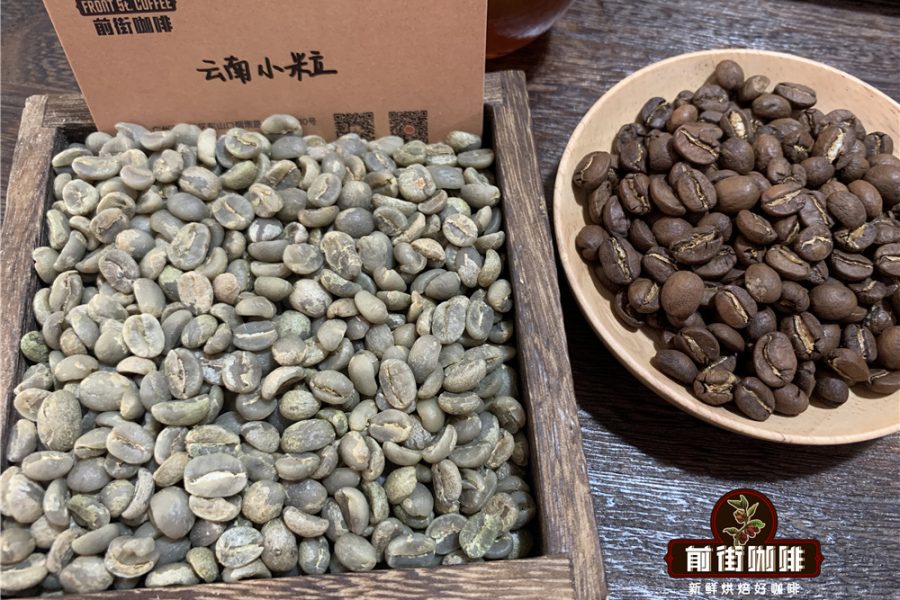
Introduction: Yunnan is China's largest coffee-producing region, and its Typica coffee beans are often discussed as to whether they are suitable for making espresso. This article begins with the core growing environment and classic flavor characteristics of Yunnan coffee, analyzes flavor performance under medium-dark roasting, and provides practical flavor description references to help enthusiasts judge its suitability, along with a growing region map for better understanding.
When people mention Yunnan, most first think of Pu'er tea, but in fact Yunnan's coffee industry is equally renowned. As China's largest coffee planting base, Yunnan has entered the important tier of global coffee origins—in the 2016/17 crop season, when China first entered the world's top 20 coffee-producing countries, Yunnan Province alone accounted for as much as 95% of production, demonstrating its core position.
Yunnan's geographical conditions provide natural advantages for coffee cultivation: the mountainous terrain combined with abundant vegetation resources, plus ample rainfall in the western and eastern valley areas, and the moist, warm air from the Bay of Bengal and the Gulf of Tonkin flowing upward along low-altitude areas, create a humid microclimate suitable for coffee growth. More critically, the northern mountain ranges effectively block cold air intrusion, protecting coffee plants from low temperatures and ensuring stable fruit development. The image below shows the geographical environment of Yunnan's main coffee-producing areas.
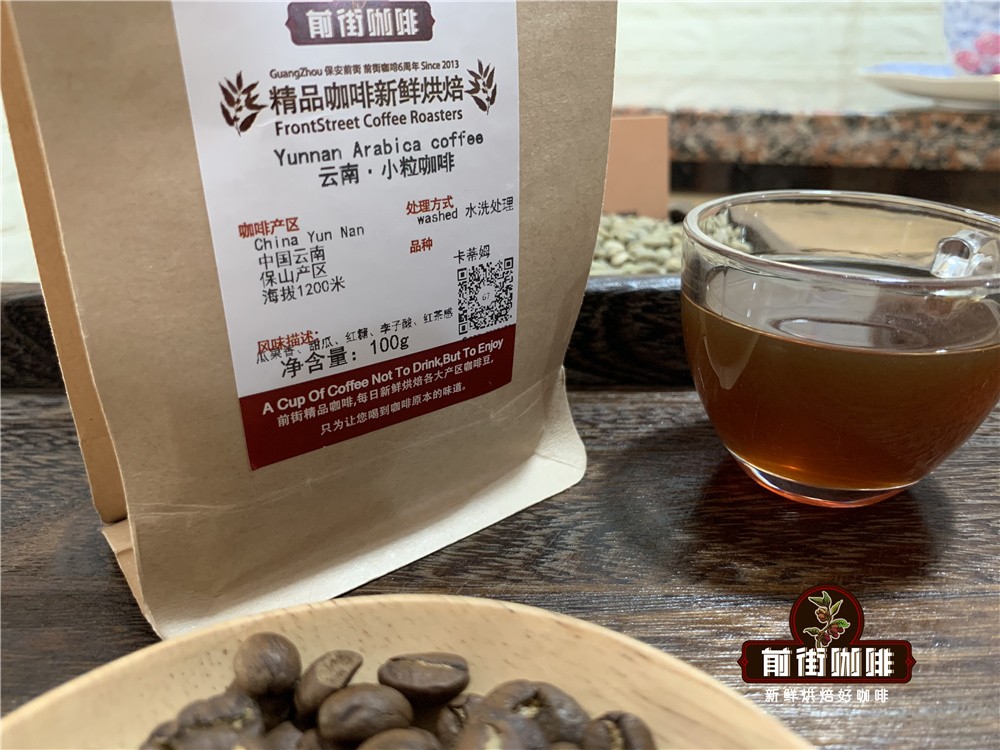
In terms of flavor characteristics, Yunnan Typica coffee beans typically present a balance that is "rich without bitterness, aromatic without harshness." After brewing, a clear floral base is easy to detect, the mid-palate often carries a sweet melon-like layer, and the finish reveals a soft black tea quality. A high-quality Yunnan coffee has an overall flavor intensity on the light to medium side, with mild acidity that is not sharp and a clean, pure mouthfeel—characteristics that often invite flavor comparisons with wet-processed South American coffees.
Regarding suitability for espresso, the focus should be on roast depth and flavor compatibility. The industry generally classifies Yunnan coffee beans in the medium-dark roast range—this roast level both highlights their inherent sweetness base and enhances body through caramelization reactions, precisely meeting espresso's basic requirements of "balanced acidity and bitterness, prominent body." Practical observation shows that Yunnan beans and Brazilian beans share certain similarities in flavor direction after roasting (such as nutty notes and moderate bitter body), so in many basic blend recipes, Yunnan beans often appear as a stabilizing supporting player.
For home users or café professionals planning to try Yunnan beans for espresso, it is recommended to prioritize medium-dark roast batches (roast level around the dense early stage of second crack) and pay attention to grind adjustment: a fine grind is suggested for espresso machines (close to granulated sugar texture), with extraction parameters for reference: dose 18-20g, liquid weight 36-40ml, time 25-30 seconds, controlling flow rate by adjusting grind fineness. Avoid over-extraction, which aggravates tannic astringency, or under-extraction, which causes sharp acidity.
In summary, Yunnan Typica coffee beans, with their rich base and mild sweetness after medium-dark roasting, fully possess the potential to make qualified espresso, especially as a high-quality ingredient for balancing flavors in blend systems. Understanding their core flavor characteristics and roasting compatibility logic can help users better leverage the advantages of this domestic bean variety.