Coffee Bean Grading Explained: What's the Difference Between Grade 1 and Grade 5 Specialty Beans? A Must-Read for Pour-Over Buyers
Introduction: Coffee bean grading standards directly affect flavor performance and price range. This article provides an in-depth breakdown of the internationally used SCA coffee bean grading system, from screening principles to defect tolerance at each grade, helping you understand the core differences between Grade 1 specialty beans and Grade 2 premium beans. It includes practical buying advice to help you avoid defective bean traps and precisely match beans to pour-over or espresso needs.
In the specialty coffee world, grading is a key indicator of coffee bean quality. But behind the seemingly simple numbers lies a comprehensive assessment of defect rates, roast uniformity, and flavor potential. Currently, the grading standards established by the SCA (Specialty Coffee Association) are widely used around the world, ensuring that coffee beans at every grade deliver stable quality performance through scientific testing and cupping verification.
The grading process begins with physical screening of green beans.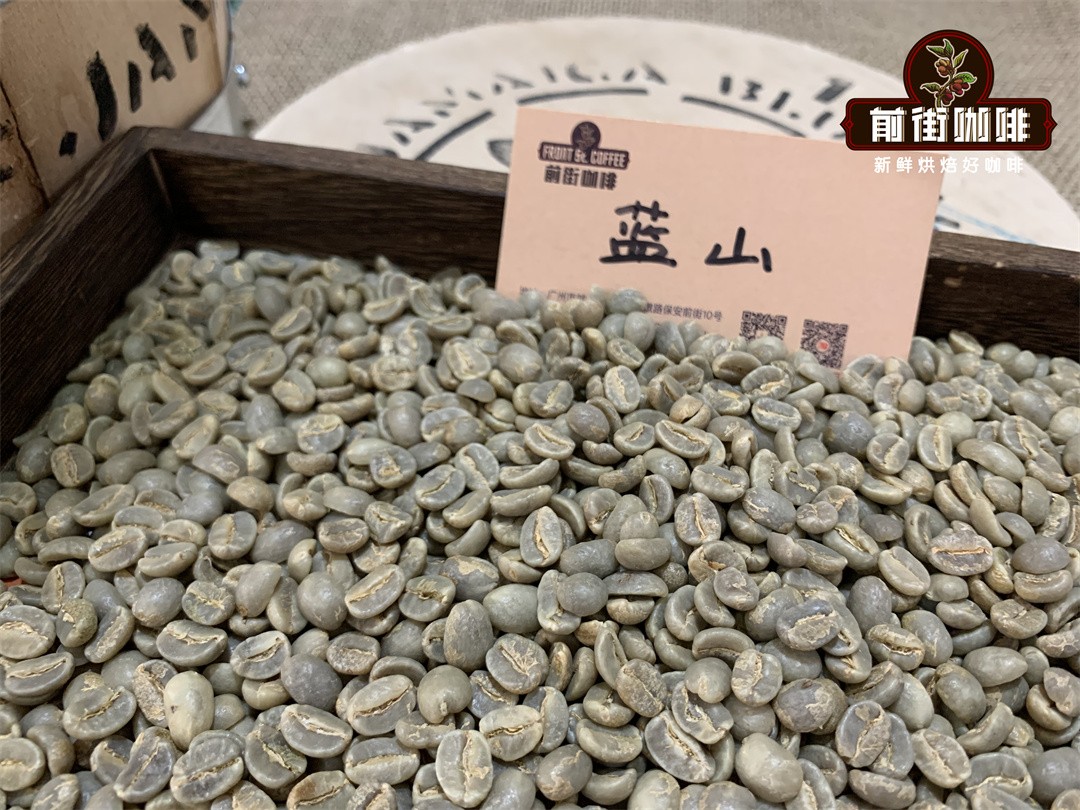 Professional organizations use screens with different hole sizes to separate parchment green beans by size—typically with hole sizes ranging from 14 to 20 mesh, corresponding to coffee bean diameters of about 5.5 to 8 mm. After screening, not only is the proportion of each size group counted (a deviation of ±5% from the reference size is allowed), but low-quality beans must also be removed through density flotation. The cupping stage after roasting is even more critical: evaluators score across more than ten dimensions including cleanliness, sweetness, and acidity layers, and the final grade is determined comprehensively.
At the top of the pyramid, Grade 1 specialty beans can be called the industry benchmark. These beans must have zero primary defects (such as black beans or insect-damaged beans) and no more than 3 secondary defects, with the total defect count in a 300-gram sample strictly controlled at 0-3 beans. Even more stringent, their green bean size must fall within ±5% of the screen standard, and in cupping they must show at least one outstanding trait in flavor complexity, bright acidity, or full body. Special note: Grade 1 beans require the complete removal of "quaker beans" (unripe, pale whitish beans), as such defective beans significantly disrupt overall flavor balance.
The more commonly seen Grade 2 premium beans allow a small amount of quality compromise. While maintaining the same screening process as Grade 1, the total defect count is relaxed to 0-8, and quaker beans are allowed up to 3. Although such beans are slightly less consistent, they can still present pleasant fruit acidity and sweet aroma through proper roasting, making them the preferred mid-to-high-end blend choice for many specialty coffee shops. When buying, it is advisable to check the roast date, as freshness is especially important for the flavor release of Grade 2 beans.
Grade 3 exchange-grade beans, which enter commercial circulation, have noticeably looser standards. They allow 50% of green beans to reach a large size of 15 mesh or above (corresponding to a screen hole size of about 7 mm), while accepting 9-23 obvious defects, though quaker beans are still limited to within 5. Such beans are commonly found in prepackaged product lines at chain supermarkets. Although they have basic drinking value, it is advisable to prioritize products that have undergone secondary hand sorting. Special reminder: Grade 3 and above beans are better suited to dark roasting, using high-temperature caramelization reactions to mask some defects.
At the lower end of the quality ladder, Grade 4 standard beans and Grade 5 inferior beans require caution. Grade 4 allows 24-86 defects of various kinds per 300 grams (including broken beans and fermented beans), while Grade 5 beans with more than 86 defects may carry a risk of mold. These two categories are typically used for cheap instant coffee or industrial raw materials and are not recommended for individual consumers to purchase. If accidentally purchased, the impact can be reduced through flotation (skimming off lightweight floating beans) and manual hand sorting, but the cost-effectiveness is often unsatisfactory.
Supplementary practical tips: home roasters can use a magnifying glass to inspect the surface of green beans; insect damage usually appears as small holes or internal cavities. The silver skin (the inner layer of the parchment) of fresh, high-quality beans should be uniformly semi-transparent. For enthusiasts pursuing flavor, it is advisable to directly choose products labeled "SHB" (Strictly Hard Bean) or "EP" (European Preparation), as these labels often reflect actual quality better than simple numerical grades. Remember, grading is only a reference; the final flavor still depends on the roasting curve and extraction plan.