Pre-ground Coffee vs Whole Bean: A Beginner's Guide and Flavor Preservation Tips
Introduction: Faced with the dazzling array of coffee products on café shelves and supermarket aisles, many coffee lovers often struggle with whether to choose pre-ground coffee or whole beans. This article takes an in-depth look at the essential differences between the two—from freshness retention and flavor performance to suitable use cases—to help you make an informed choice based on your own brewing habits, and offers professional-grade storage advice to preserve the coffee's original flavor as much as possible.
In the world of coffee consumption, choosing between pre-ground coffee and whole-bean coffee has always been an important topic for beginners. These two forms of coffee raw material may look similar, but in fact they differ significantly in freshness, flavor release and ease of use. Understanding these essential differences can help you make a more sensible choice based on your actual needs.
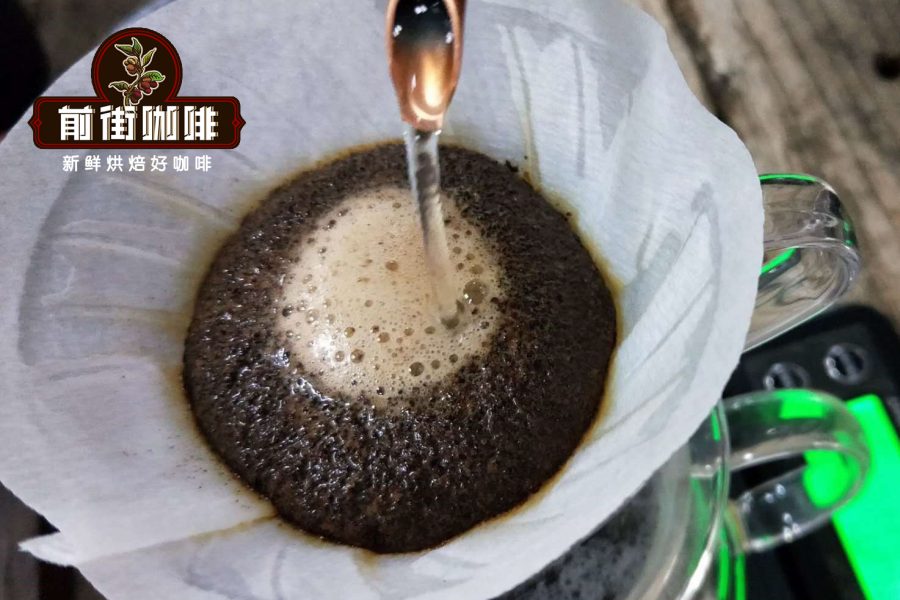
Pre-ground coffee refers to coffee particles that have been uniformly ground to a specific fineness by industrial equipment. These products are usually optimized for common devices such as home drip coffee makers and French presses; their ready-to-use straight from the bag nature makes them the first choice for consumers seeking efficiency.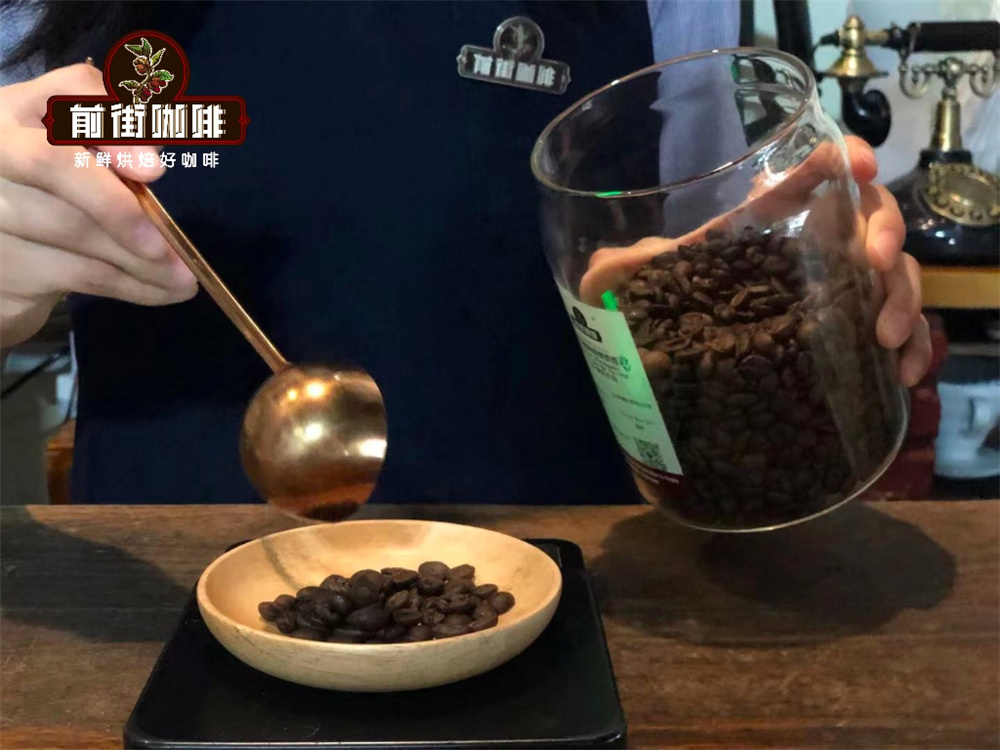 You simply pour an appropriate amount of powder into the filter basket and add hot water to complete the brew—especially suitable for office workers in a hurry in the morning.
By contrast, whole-bean coffee comes in the form of the complete bean after the coffee fruit has been roasted. These dark and light brown oval particles, after arriving at the roastery from the origin estate, have only undergone high-temperature roasting, fully retaining the aromatic oils and flavor compounds inside the coffee bean. When you buy whole coffee beans, you are in fact getting a "flavor container" that requires you to complete the final grinding step yourself.
The greatest advantage of using whole-bean coffee is complete control over the extraction process. Professional baristas recommend adjusting the grind coarseness according to different brewing methods—for example, pour-over coffee suits a medium-coarse grind (similar to the texture of fine sugar), while espresso requires an extremely fine grind (close to the feel of salt grains). This flexibility lets you optimize parameters for different devices such as siphon pots and moka pots, fully bringing out the coffee beans' regional flavor characteristics.
Although pre-ground coffee has the convenience of being ready to use, it has a freshness problem that cannot be ignored. After coffee beans are ground, the more than 1,000 aromatic substances contained inside them oxidize and dissipate at a rate of about 15% per hour. This means the roast date marked on the bag may be weeks away from the actual flavor peak, especially for ordinary packaged products that do not use nitrogen preservation technology. If you notice the powder has turned gray or has a stale oily smell, it indicates that freshness has greatly declined.
In terms of price, pre-ground coffee is usually priced lower because it saves consumers the step of grinding it themselves, making it suitable for daily drinking on a limited budget. But note that some low-priced products may be mixed with low-quality coffee beans or contain excessive fine powder, affecting the final taste. Although whole-bean coffee has a higher unit price, considering its characteristic of being grindable in batches, the long-term cost of use is not necessarily higher.
For coffee lovers who pursue flavor, it is recommended to give priority to buying freshly roasted whole-bean coffee. Ideally, coffee beans should be used within 7-21 days after roasting and stored in a light-proof, sealed container. If you really do need pre-ground products, choose small-package sizes and make sure the packaging has a one-way exhaust valve, and strictly seal the remaining powder after each use. Remember, no matter which form you choose, proper storage is the key to preserving the coffee's original flavor.


