How green coffee beans are graded by quality: a professional buying guide
Introduction: Understanding green coffee grading standards is the first step in choosing quality coffee beans. From bean size and altitude to processing methods, every stage affects the final flavour. This article explains the world's main green coffee grading systems in detail, helping you master professional bean-selection skills and avoid common pitfalls. Worth saving whether you buy for yourself or for roasting.
Grading green coffee quality is a meticulous discipline, and different producing regions use different assessment systems. These standards not only determine market prices but also directly affect the flavour in the cup. Knowing the grading rules helps consumers choose beans precisely for their needs, and lets roasters anticipate processing difficulty.
The most common grading dimensions include varietal characteristics, such as the inherent differences between Arabica and Robusta, or the traits of classic sub-varieties like Bourbon and Typica. Physical size grading uses screen mesh: for example, "AA grade" usually corresponds to a 17/18 screen (about 8.0-8.7 mm diameter), while "Supremo" is a common South American name for very large beans.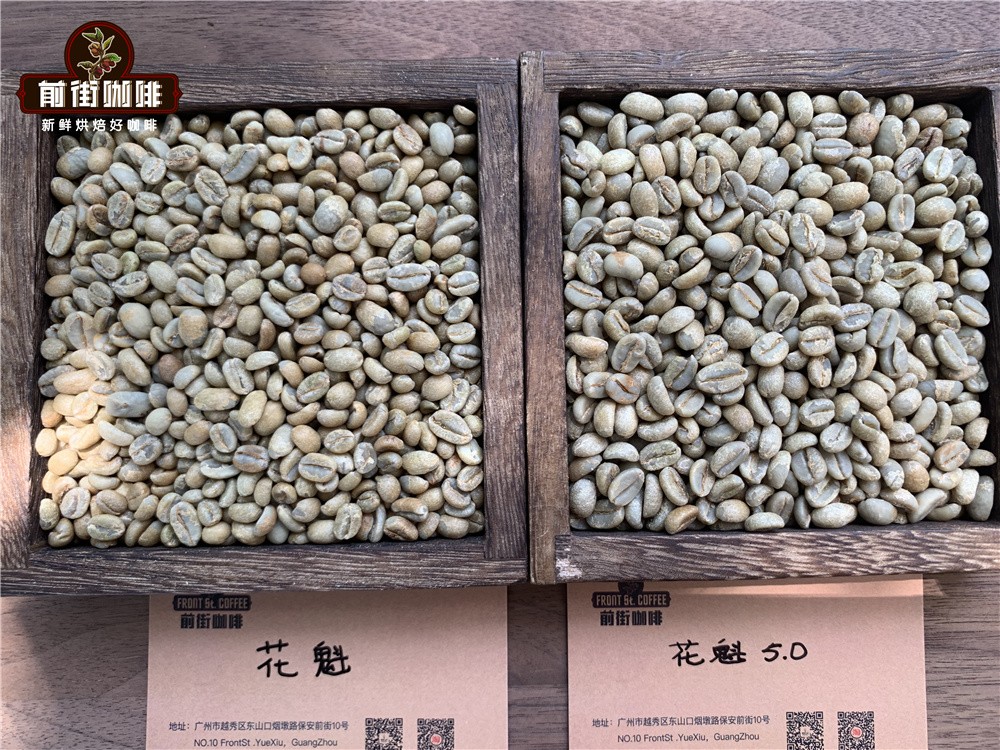 Notably, Peaberry, being rare and denser, is often listed as a separate special grade.
Processing method significantly affects grading results. Washed coffees are usually very clean with low defect rates and suit specialty coffee systems; natural or honey-processed beans need stricter screening for mould risk. Professional buyers pay special attention to altitude labels: high-altitude growing areas, usually above 1,500 metres, give beans a longer growing cycle and greater density, allowing richer layers of acidity to develop.
Defect-rate testing is the core of grading. International standards count defect beans in each 300-gram sample, including insect-damaged, black and broken beans; exceeding a certain defect threshold means downgrading. Density testing is often done by flotation: beans that sink have higher density and usually represent better maturity and flavour potential. Beginners often assume uniform colour means high quality, but in fact some regions allow slight colour variation; the key is overall consistency.
Professional grading systems also assess cupping performance. Experienced quality controllers record parameters such as acidity brightness, sweetness persistence and body, and these flavour traits are often strongly linked to the microclimate of the growing region. Ethiopian highland beans, for example, commonly show citrus notes, while Sumatra Mandheling is known for herbal, earthy aromas.
For ordinary consumers, priority should go to origin information and processing method. Quality regions usually have strict grading rules, such as Colombia's Supremo grade or Kenya's AA grade. Before roasting, always check the appearance of the green beans: even colour, plump shape and dry, mould-free surface are basic requirements. Store away from moisture and light; freshness directly affects the final extraction.