Specialty coffee bean grading: SCAA standards and Guatemalan high-altitude beans
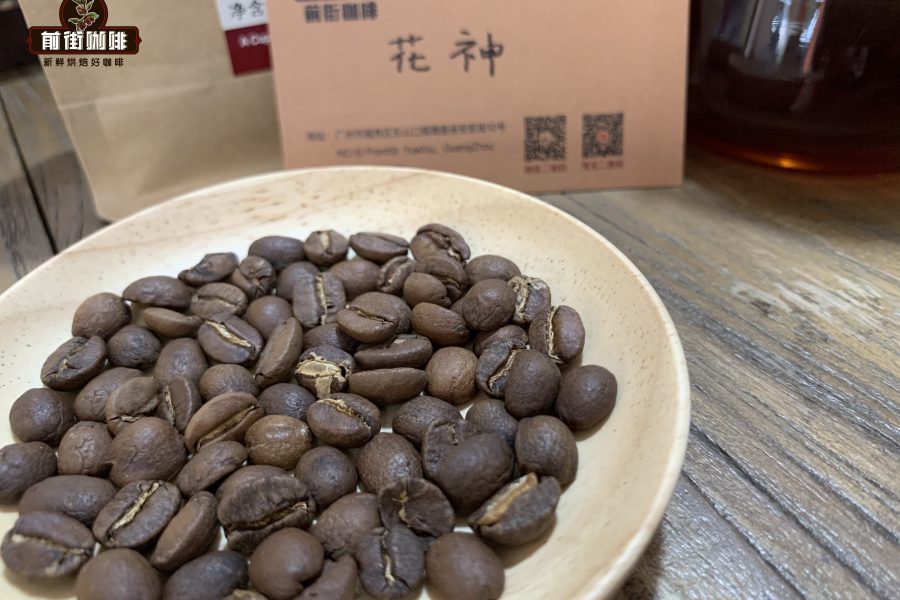
Introduction: Judging the quality of specialty coffee involves multiple standards, from the internationally used SCAA grading system to origin-specific altitude grading methods, and each approach reveals different characteristics of the beans. This article explains the practical points of SCAA green bean classification, compares Guatemala's distinctive altitude-based grading system, and answers the common question of whether high altitude equals specialty coffee, helping you build professional knowledge for selecting coffee beans.
Several systems exist for grading the quality of green coffee beans, and the standard set by the Specialty Coffee Association of America (SCAA) is highly regarded for its analysis of the relationship between defective beans and cupping flavor. However, the system also has limitations—it does not yet fully cover the impact of some special defect types.
The SCAA grading uses a 300-gram sample of hulled green beans for inspection (in everyday practice, a 100-gram sample can be substituted if there are few defects). During inspection, the beans are screened and weighed by screen size from 14 to 18, and the proportion in each range is recorded. After grading, the flavor performance is also assessed through roasting and cupping. This process systematically reflects the physical defects and potential flavor characteristics of the bean lot.
The specific grading standards are as follows: Specialty green beans (Grade 1) require no more than 5 full defects in a 300-gram sample and no primary defects, a size deviation within ±5%, at least one distinctive attribute of body/flavor/aroma/acidity, zero defect spots or insect damage traces, and a moisture content of 9-13%. Premium grade (Grade 2) allows up to 8 full defects and 3 insect damage spots, and must likewise meet the distinctive attribute and moisture requirements. Commercial grade (Grade 3) extends the defect range to 9-23, with the key requirement that the proportion of beans on screen 15 and above meets the standard. Substandard (Grade 4) and poor grade (Grade 5) correspond to 24-86 defects and more than 86 defects, respectively.
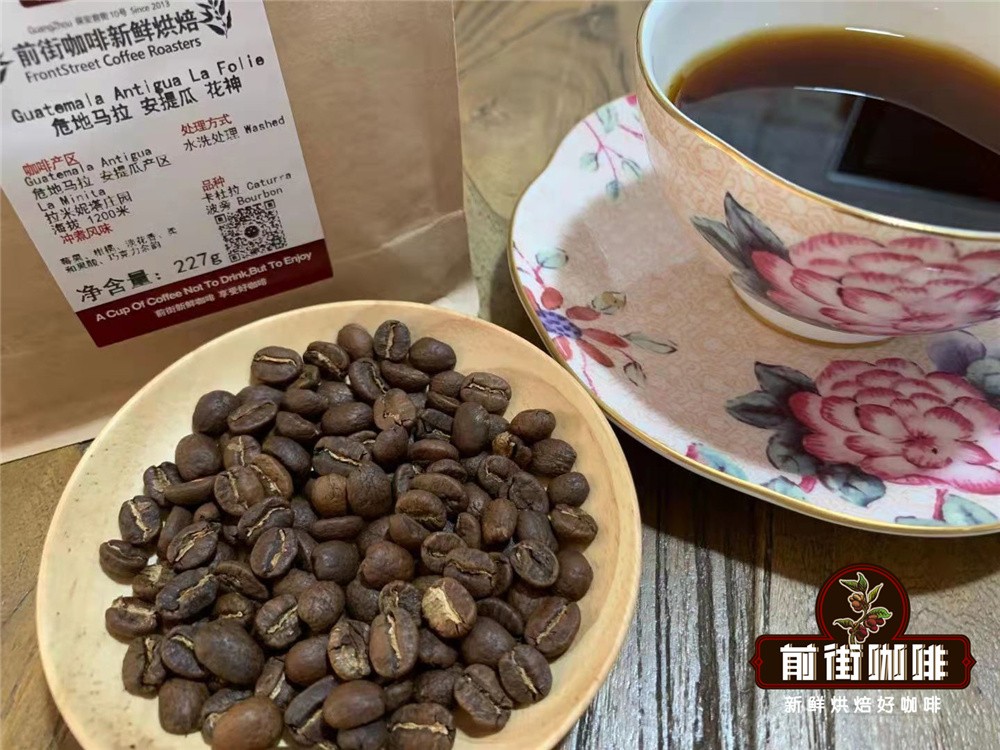
Guatemala uses a distinctive altitude-based grading system. Local coffee is classified by growing altitude into categories such as Strictly Hard Bean (SHB) and Hard Bean (HB)—the higher the altitude, the greater the day-night temperature difference, which causes the coffee cherries to ripen more slowly, increasing bean density and flavor complexity. The high-altitude environment naturally selects for hard-textured beans, and these beans usually contain richer body and distinct regional flavor characteristics.
It should be noted that although high-altitude growing is one important condition for specialty coffee, it is not the only standard. Truly high-quality Guatemalan coffee must also pass inspection of its defect rate under the SCAA system and show distinctive sweetness, balance, or floral and fruity notes in cupping. When buying, consumers are advised to combine origin altitude information with authoritative certification for a comprehensive judgment.


