Freshly Ground Coffee Freshness: Pour-Over vs Instant Guide
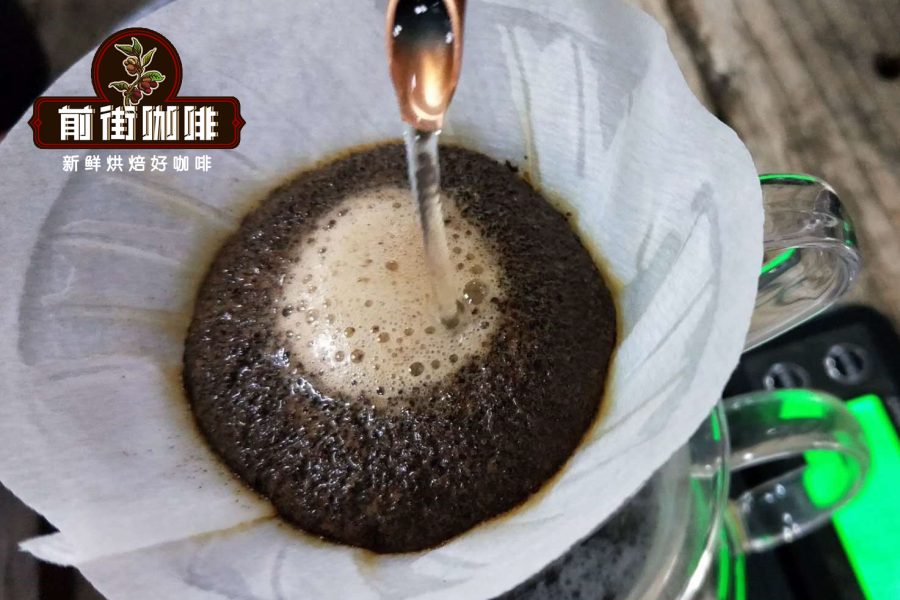
Introduction: Have you ever wondered why specialty coffee shops emphasize grinding and brewing fresh? From the flavor window after roasting to the oxidation process after grinding, this article uncovers the core secrets of fresh coffee. By comparing the flavor differences between freshly ground and instant coffee, we walk you through the golden drinking period, storage tips, and answer how to brew drinks at home that come close to café quality—whether you are a pour-over beginner or an instant coffee lover, you will find practical advice.
When you taste blueberry, citrus, or even jasmine notes emerging in your coffee, these are not artificial flavorings but the aromatic oils naturally contained in the coffee beans themselves. These volatile compounds are most active only during the **golden window of 1 to 2 weeks** after roasting is completed. As time passes, organic compounds gradually break down, and the coffee's layers of flavor noticeably diminish—which is also the main reason pre-ground coffee is often considered thin-tasting.
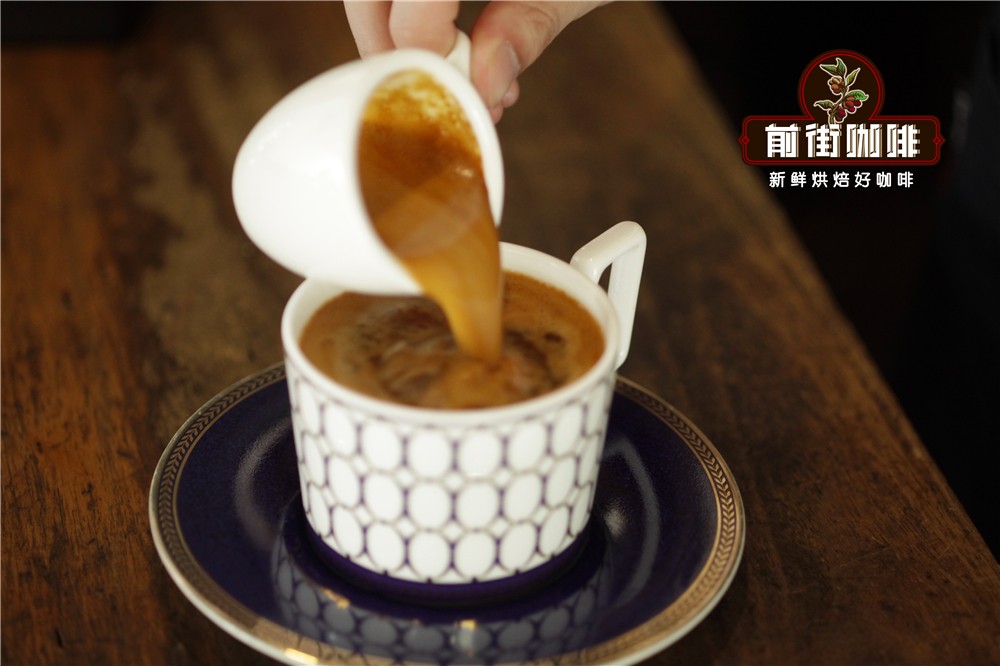
Every stage of quality coffee, from growing altitude and processing method to the roast profile, influences the final flavor expression. Freshly roasted beans may show the sweet-tartness of blackberry, the tropical fruitiness of mango, or a honey-like sweet finish, combined with moderate acidity and a clean woody base, creating a stunning taste experience. Presenting this complexity depends on three key elements: just the right roast level, strict freshness control, and the correct extraction method.
Coffee roasting is essentially a precise chemical transformation: polysaccharides in the green beans caramelize at high temperatures, producing base flavors such as caramel and nuts; at the same time, large amounts of carbon dioxide and aromatic substances are released. But a problem follows—these precious volatile components quickly dissipate over time. Research shows that **carbon dioxide emission is greatest in the first 48 hours** after roasting, and contact with oxygen causes the oils to oxidize, turning originally bright citrus notes into a dull cardboard taste.
For freshly ground coffee, preserving flavor faces a double challenge: the grinding process increases surface area by hundreds of times, accelerating carbon dioxide release while making it easier for oxygen to penetrate. Experimental data shows that when ground coffee is exposed to air, **aromatic compounds can lose up to 40% within 30 minutes**. This is why professional baristas insist on the principle of "grind fresh, brew fresh" and recommend that ordinary consumers choose foil packaging with a one-way degassing valve.
The process differences of instant coffee determine its flavor characteristics. Through spray drying or freeze drying, although some of coffee's basic taste is retained, the high-temperature process has destroyed the vast majority of volatile aromatic compounds. The advantage, however, is excellent stability—unopened, it can be stored for 18–24 months, making it suitable for emergencies or travel. If you want convenience without demanding ultimate flavor, you can choose products with added freeze-dried coffee liquid, which can provide a relatively fuller mouthfeel when reconstituted.
Want to maximize the flavor potential of freshly ground coffee? Remember these three points: first, buy small packages of freshly roasted beans (it is recommended to buy no more than a 2-week supply at a time); second, adjust the grind setting according to your brewing method before grinding (medium-coarse for pour-over, fine for espresso); finally, extract immediately after grinding and seal the remaining beans. When stored in a cool, dark place, expelling the carbon dioxide from the bag before sealing can extend freshness by about 3–5 days. Be sure to avoid refrigerating, as condensation caused by temperature changes will accelerate spoilage.
Whether you are after the terroir-driven character of a single-origin pour-over or the quick pick-me-up of an instant option, understanding the science of freshness is what helps you make the choice that suits you better. Next time your coffee shows an unpleasant astringency or a hollow sweetness, check the roast date on the bag—freshness is always the first rule of delicious coffee.


