Pour-Over Coffee Bean Buying Guide: Are Dark Roasts Suitable?
Introduction: Choosing coffee beans suitable for pour-over requires considering roast level, freshness and flavor characteristics. This article explains in detail how different roast levels affect the taste, reveals the limitations of dark-roasted beans in pour-over, and offers professional advice to help beginners find a balanced flavor. Master these key points, and you can brew a high-quality coffee with distinct layers.
Every coffee bean has a unique flavor fingerprint, a difference that stems from the combined influence of origin terroir, processing methods and roast profiles. For enthusiasts who want to explore coffee flavors, it is recommended to visit local specialty coffee roasters directly. Such shops usually update their bean lists regularly and offer small-batch green coffee products from different regions, so every purchase lets you experience distinct regional characteristics.
There is a common misunderstanding about coffee preservation—some people firmly believe coffee can be stored forever, while others mistakenly think it will inevitably spoil after two weeks. In fact, coffee beans are essentially the seeds of dried coffee cherries, and their optimal flavor window is directly related to freshness. Be sure to choose products whose packaging clearly states the roast date; if only a "best before" date is marked or an outdated year such as 2014 appears, be cautious about buying.
The golden standard for freshness is: use within three weeks of the roast date. Specialty cafes generally report that days 7 to 14 are the peak period when flavors bloom, when acidity is bright, sweetness stands out and aroma layers are rich. Although coffee is still drinkable up to four weeks, after two weeks its body drops noticeably, often producing a flat, watery mouthfeel.
There are clear patterns regarding the compatibility of roast level and brewing method. Because dark-roasted beans undergo prolonged high-temperature treatment, their internal substances are drastically transformed, forming large amounts of caramelized polymers and concentrated phenolic compounds. Such beans require the extreme conditions of an espresso machine—9-10 atmospheres of pressure and temperatures above 92°C—to effectively extract the bound oils and roasted aroma components and form the signature full-bodied taste. The water temperature (usually 90-93°C) and water pressure (1 atmosphere) of ordinary pour-over equipment struggle to break down their tight structure.
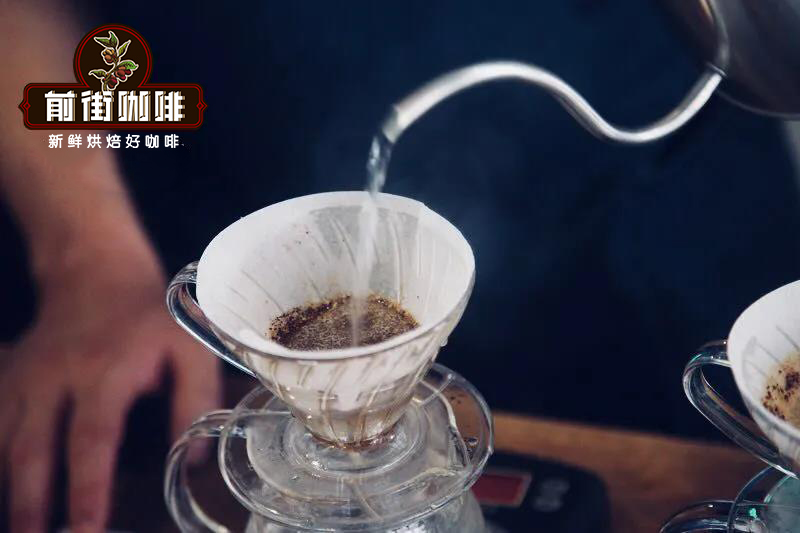
By contrast, medium roast (about 70-80% roast level) and light roast (50-60%) are better suited to pour-over. These beans retain more original flavor compounds, including citrus acidity, berry aromas and floral notes, while maintaining a moderate sweet base. The gentle extraction of pour-over (a recommended coffee-to-water ratio of 1:15-1:17 and a steady flow rate) can precisely extract these delicate flavors and avoid the bitterness caused by over-extraction. Professional baristas usually recommend 88-91°C water for light-roasted beans, while raising it to 92-94°C for medium-roasted beans to bring out body.
Beginners can follow three principles when buying: first check the roast date rather than the shelf life; choose the roast level according to personal taste preferences—prefer light roast for bright acidity, medium roast for a balanced mouthfeel; and pay attention to storage conditions, placing unopened bean bags in a light-proof, sealed container at a recommended ambient temperature below 22°C. Master these basics, and you will lay a solid foundation for successful pour-over brewing.