Yunnan's Four Coffee Regions: Flavor, Bean Selection and Processing Guide
Introduction: As an emerging specialty coffee region globally, China's Yunnan is widely recognized for its arabica coffee, prized for its distinctive fruitiness and balanced cup. This article takes a deep look at the terroir of four core regions including Dehong and Baoshan, compares the flavor differences of mainstream varieties such as Catimor and Typica, explains how washed and natural processing affect the cup, and offers practical bean-selection advice from origin to cupping.
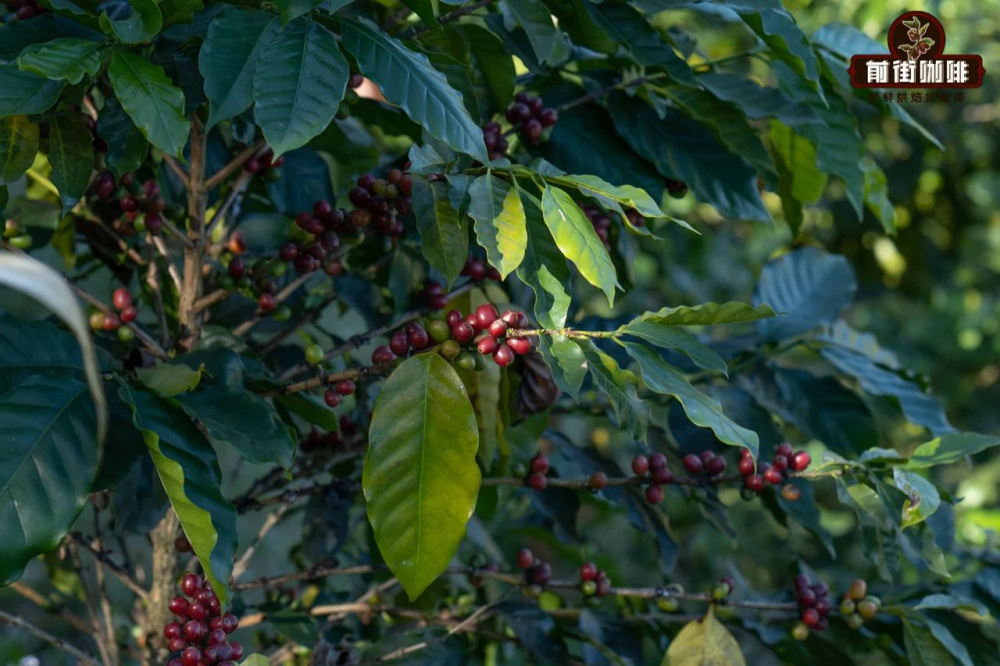
After a century of development in China's coffee consumer market, Yunnan coffee has become the representative of domestic specialty coffee. This golden growing belt, located between 15°N and the Tropic of Cancer, with mountain environments at 1,000–2,000 meters, abundant sunshine and marked day-night temperature swings, produces arabica coffee that is strong without being bitter and aromatic without being harsh. The four core regions each have their own terroir, offering coffee lovers diverse choices.

Dehong Prefecture has long been known as "China's hometown of coffee," with a significant share of high-altitude growing areas above 1,000 meters, including 30,000 mu of mountain plantations above 1,600 meters. Local farms use organic management, and their beans have bright acidity and lively floral and fruity aromas. For every 100 meters of elevation gain, coffee acidity rises by about 15% while sweetness concentration increases by about 10%—this is the core advantage of high-mountain growing. 
Baoshan's arabica was successfully introduced in the 1950s, and beans from the Lujiangba area once earned first-class certification in international competitions. The region's soil is rich in volcanic minerals, giving the beans a full body and a caramel finish. Notably, Baoshan coffee's body index (Brix value) generally reaches 22–24, higher than the 18–20 of ordinary commercial beans—a key parameter behind its full mouthfeel.

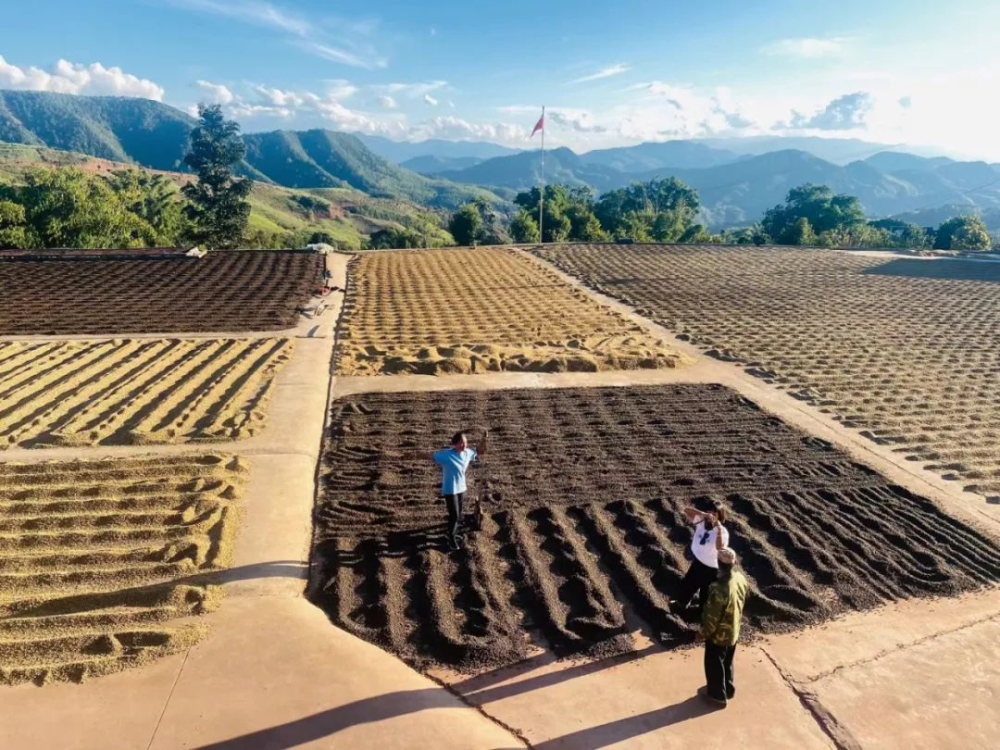
Lincang sits astride the Tropic of Cancer, and its average annual temperature of 16.8°C–17.2°C with distinct wet and dry seasons is especially suited to traditional varieties such as Typica. Beans from this region often carry distinctive nutty and red-berry notes, and natural processing can further raise their sweetness to a sugar value of 18–20°. At the growing base established in Lincang by a professional institution, raised-bed natural processing increases the beans' sucrose conversion rate by about 25%.
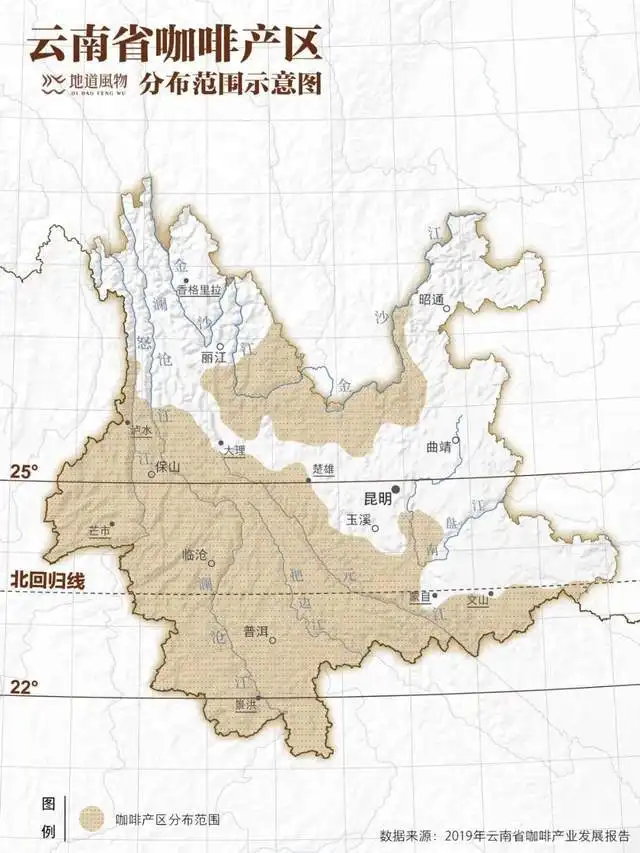
Pu'er is the benchmark for large-scale coffee cultivation in Yunnan, with 54 of its townships across 9 counties and 1 district taking part. Local farmers use terraced planting to solve drainage on slopes, combined with shade-tree planting to maintain ecological balance. Pu'er coffee's elevation range spans 1,200–1,800 meters, with beans from the 1,400–1,600 meter band achieving the best balance of body and acidity.

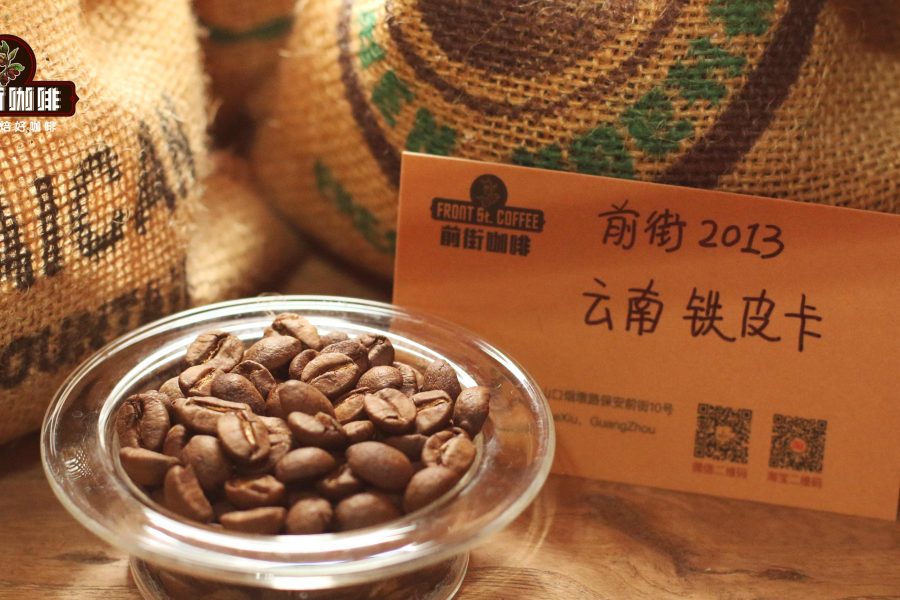
Although the Catimor variety grown widely in Yunnan accounts for 90% of the market, its 25% Robusta lineage limits flavor complexity. By contrast, Typica yields less (about 500 g per plant per year vs. 800 g for Catimor) but has more elegant citrus acidity and honey sweetness. The Bourbon variety's green-tip trait helps it perform better above 1,800 meters, where cupping often reveals a combined jasmine and black tea aroma.

The choice of processing method directly shapes the final flavor: washed processing highlights cleanliness and bright acidity (pH 5.2–5.4), while natural processing enhances sweetness and body (sugar content up 15–20%). Given the rainy-season climate, Yunnan commonly uses a double-washed fermentation process, keeping fermentation to 18–24 hours to limit unwanted microbial growth. Specialty estates, meanwhile, strictly select fruit of uniform ripeness, keeping the defect rate of natural-processed lots below 3%.

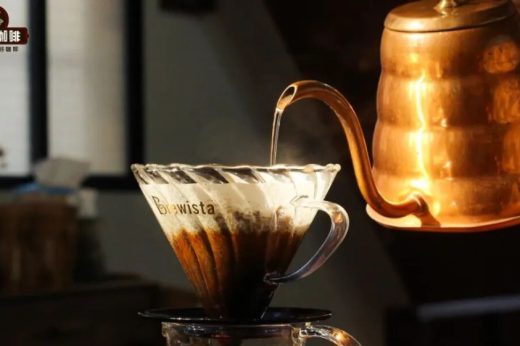
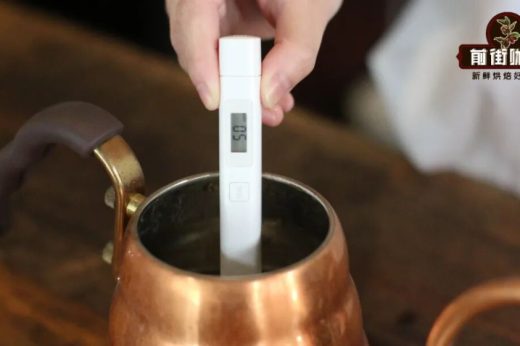
Home brewing suggestions: use a medium-fine grind (75–80% passing a Chinese standard No. 20 sieve) and water at 90–92°C. For pour-over, bloom for 30 seconds then pour in stages, for a total extraction time of about 2 minutes 10 seconds to achieve the ideal balance. Moka pot users should note: a recommended coffee-to-water ratio of 1:12, with the key moment for turning the heat from medium down to low occurring 30 seconds after the first sound, when the pressure is about 2.5 atmospheres for optimal extraction.
When buying Yunnan beans, look for these traits: high-quality green beans are blue-green with a glossy surface and a defect rate below 3%; after roasting, regional flavor markers should be clear—Dehong beans often show jackfruit and black tea notes, Baoshan beans have a dark chocolate finish, and Lincang natural beans show distinct caramel and apricot aromas. For storage, maintain 55–65% humidity and 18–22°C, and keep beans sealed away from light to extend the flavor window to 21–28 days after roasting.