Single-Serve Pour-Over Coffee Guide: Dose, Gear, and Precise Brewing Parameters
Introduction: Want to easily enjoy a balanced cup of pour-over coffee at home? Starting from single-serve extraction needs, this article details the coffee dose suitable for 1-2 people, gear selection tips, and key parameters affecting extraction. It focuses especially on the actual performance of a small conical dripper, using comparative experiments to help you master a more stable brewing rhythm and flavor presentation.
Among the many pour-over coffee tools, the Hario V60 is one of the most common models, with the 01 and 02 being the most frequently used. The 02 has a larger capacity and is suitable for making 3 to 5 servings in a sharing carafe, while the 01 is often used for single or double servings, with a recommended coffee dose of 15 to 20 grams. However, when coffee beans are running low or you only want to taste a cup or two, brewing a small amount in a large dripper can cause the water to flow too quickly due to a thin coffee bed. This not only makes water control more difficult but also tends to make the coffee taste thin and lacking in aroma.
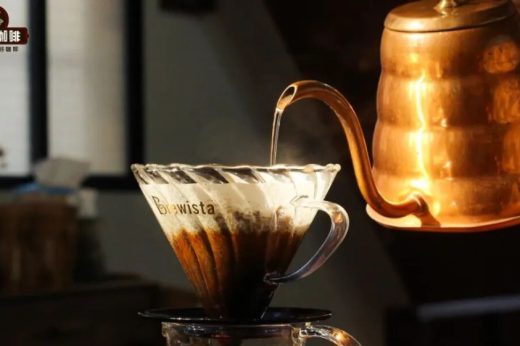
To meet the needs of single-serve small-batch brewing, drippers designed specifically for small doses have gradually appeared on the market. For example, a 30-degree conical dripper launched by the Japanese brand Tarachine is called "V30" because of its cone angle design. This dripper is more suitable for coffee doses below 15 grams, especially for single servings, and is compact and practical.
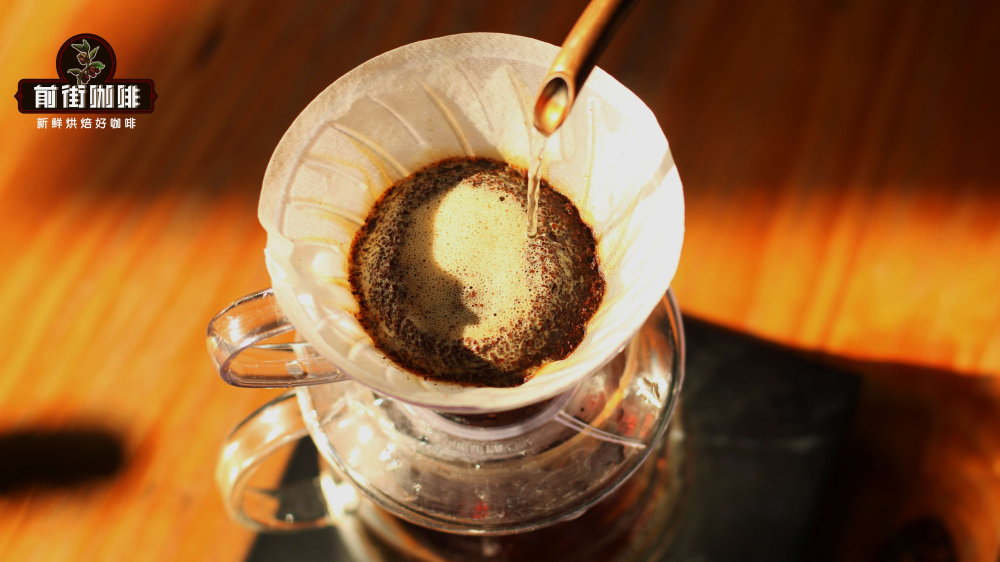
Made of transparent resin, the V30 is small and lightweight, resembling a miniature drill bit. Its most notable feature is a cone angle of only 30 degrees, steeper than the regular V60, with a cross-sectional diameter of about 6 cm. To ensure sufficient extraction space, the V30's body height reaches 11 cm. In addition, the V30's bottom filter hole is smaller, with a diameter of about 1.5 cm (the V60 01's filter hole diameter is 2 cm), and it is equipped with two clockwise parallel spiral ribs that extend the water flow path, helping to improve extraction uniformity and flavor layers.
When using the V30, filter paper selection also matters. Although there is official compatible filter paper, you can also use commercially available large Hario filter paper as a substitute. By folding the large filter paper in half and opening one side, it can fit the V30's conical structure. However, this folding method results in one side of the filter paper being single-layered and the other side triple-layered, which may affect extraction consistency in different positions. To address this, we have put together a practical filter paper folding method: first, align the two radii and fold in half; then, fold the unconnected side radius back toward the center line and secure it; do the same on the other side, like folding a paper airplane; finally, open the filter paper along the center line and place it aligned with the dripper's cone angle.
To verify the V30's actual performance, we selected three groups of coffee beans with different roast levels for testing, uniformly using 13 grams of coffee, a 1:15 coffee-to-water ratio, and a three-pour method to observe extraction effects and flavor performance.
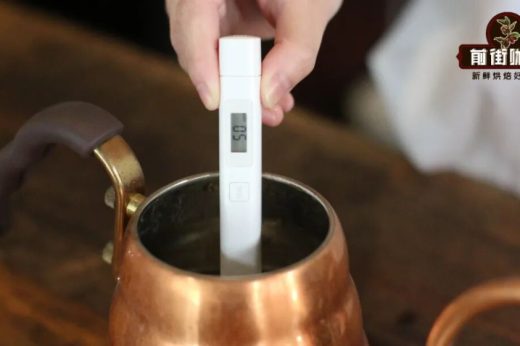
The first group used Kenya Asalia coffee beans with prominent fruit acidity, at a lighter roast level. Parameters were set at a water temperature of 92°C, a grind size of about EK43s setting 10 (equivalent to 80% passing through a No. 20 standard sieve), and a pouring rhythm of 25 grams, 75 grams, and 95 grams. During actual extraction, the coffee bed accumulated at the bottom, the water flow rate was generally slow, and slight clogging occurred at the tail end, with a total time of about 2 minutes 23 seconds. In terms of flavor, this coffee had bright acidity with berry and black tea notes, but the aroma was relatively flat, the body was average, and the finish was somewhat drawn out. The speculated reasons may be that light-roasted beans absorb water more slowly, and the V30's body structure causes a higher water level, making it difficult for the coffee bed to rise evenly, resulting in over-extraction at the tail end.
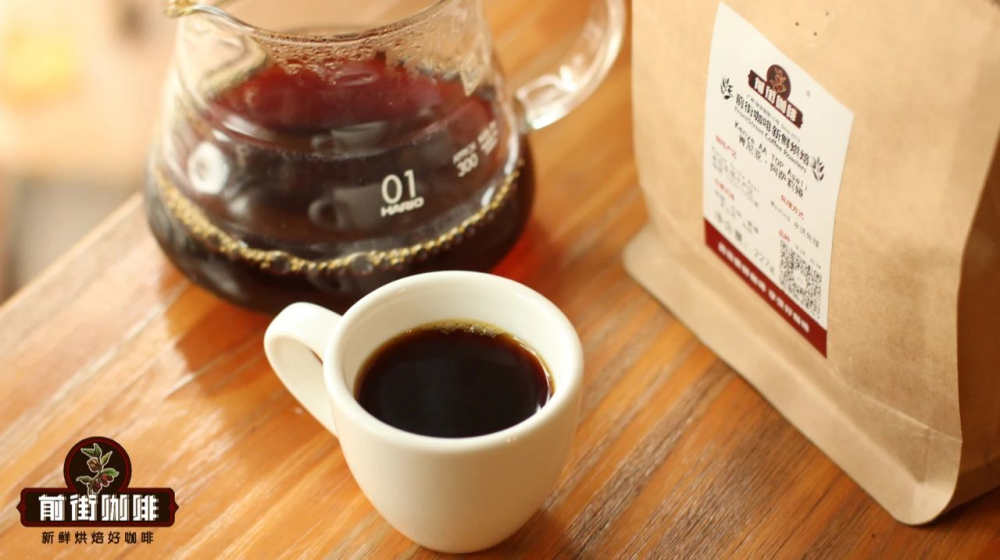
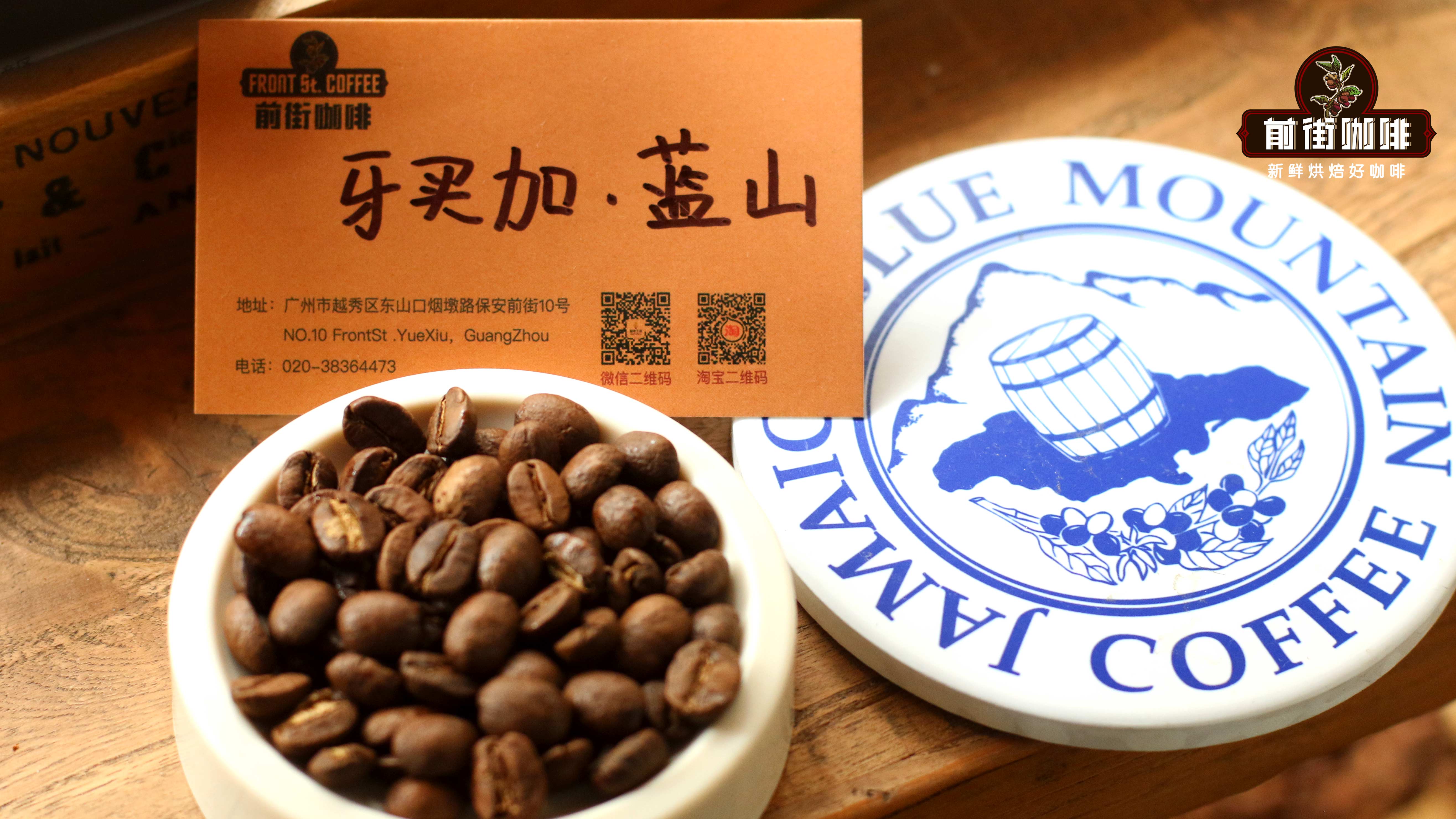
The second group switched to medium-dark roasted Jamaica Blue Mountain No. 1, with the water temperature lowered to 88°C and the grind size slightly coarser at EK43s setting 10.5 (about 75% passing through a No. 20 sieve). The pouring rhythm remained unchanged. Compared with the previous group, the Blue Mountain coffee extracted more smoothly, taking about 2 minutes overall. The coffee bed was evenly distributed and the flow rate was stable. Compared with the commonly used KONO dripper, the Blue Mountain coffee brewed with the V30 had a softer and smoother mouthfeel with slightly less body, but the dark chocolate aroma was obvious, and the sweet aftertaste was clear and lasting.
For further comparison, we also selected three medium-roasted coffee beans (including Colombia Chiro, Guatemala New Orient Geisha, and Honduras Lychee Orchid), and used the V30 and V60 small drippers respectively, uniformly with 13 grams of coffee, keeping other parameters consistent. The results showed that the V30 group all completed dripping in 2 to 2 minutes 10 seconds, while the V60 group took only about 1 minute 50 seconds. Observing the inside of the drippers, the V30 formed a deeper coffee bed depression and a thicker coffee layer. In terms of flavor, the coffee extracted with the V30 performed better in complexity and mouthfeel viscosity, with richer flavor layers.
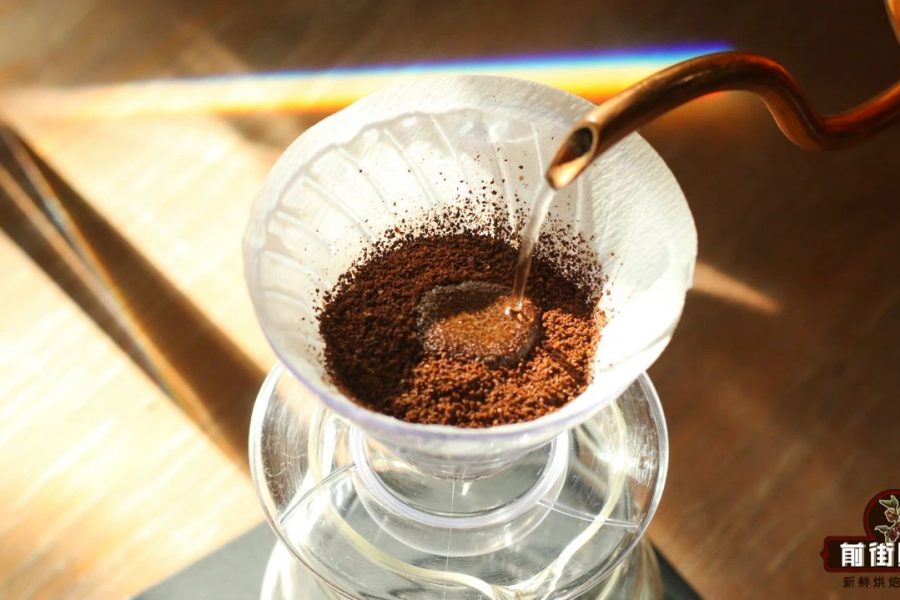
From multiple experiments, it can be found that at the same dose, the V30, with its smaller cone angle and thicker coffee bed, can effectively slow down the water flow rate. Even under a large water flow, it can quickly raise the coffee bed, enhancing the soaking and extraction efficiency of the coffee grounds. Its internal rib design also optimizes the release of gases and the water flow path, improving both the flavor concentration and balance of the coffee liquid.
In summary, the V30 dripper is particularly suitable for brewing small doses of medium to dark roasted coffee (recommended dose between 8 and 15 grams), and can better showcase the rounded fruit acidity and rich sweetness in coffee, such as caramel, dried fruit, apricot, and fermented wine aromas. However, when using it, pay attention to controlling the pouring height to avoid water exceeding the dripper's edge and causing overflow. It is recommended to use a small water flow in circular pours, evenly in stages, which can effectively control the extraction rhythm and achieve a more stable and layered flavor performance.