Pour-Over vs. French Press: Which Brewing Method Suits You Best?
Introduction: Pour-over coffee and French press are the two most common methods for home coffee brewing, but their flavor profiles and operational difficulty differ significantly. This article will analyze the differences between the two from the aspects of flavor characteristics, grind size selection, and brewing parameters, to help you find the coffee brewing method that best suits your personal taste preferences and brewing habits.
Coffee is not just a daily beverage; it carries regional terroir, cultivation techniques, and human stories. When we pick up a cup of coffee, we are actually experiencing a journey across mountains and seas. And making coffee at home allows people to immerse themselves in it, feeling the care and warmth behind each cup.
Among many brewing tools, pour-over coffee and French press are among the most popular choices. Both can reveal the unique flavors of coffee beans, but the methods and results are completely different. Understanding their characteristics will help you make the best choice according to your preferences.
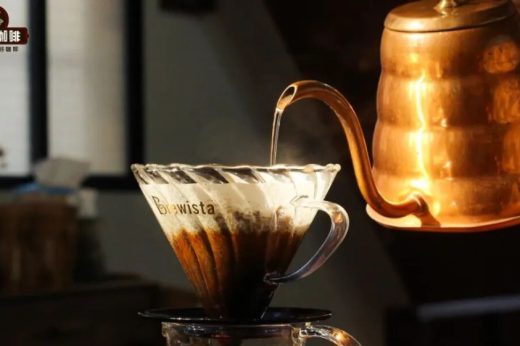
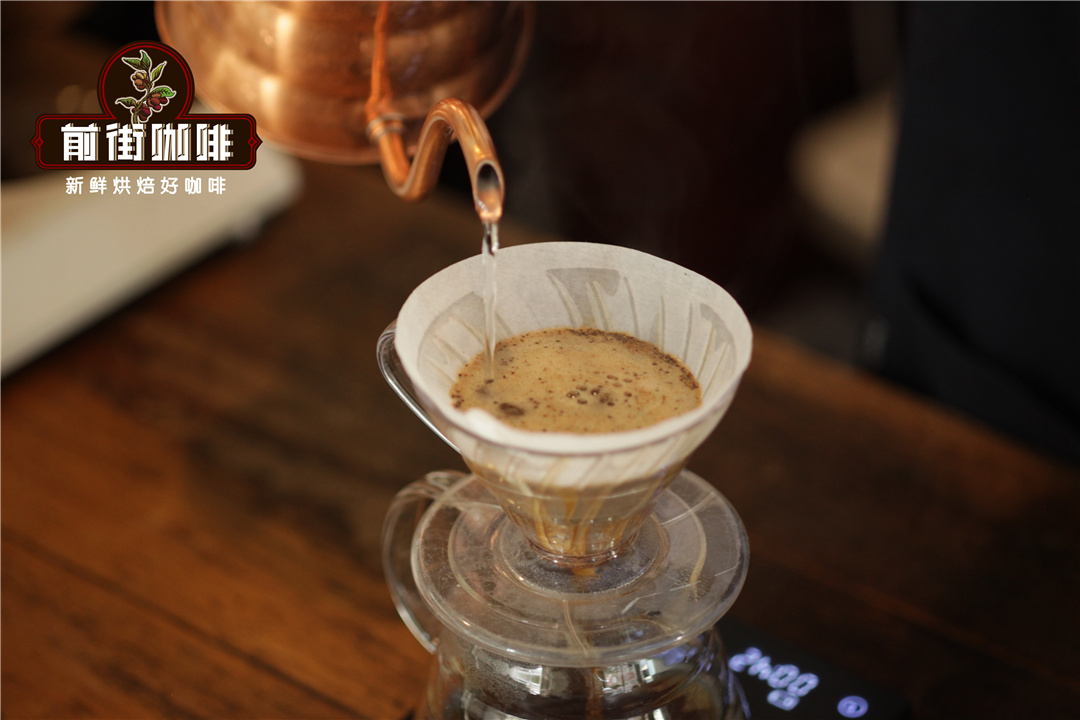
Pour-over coffee emphasizes "precision" and "meticulousness." By controlling water temperature, pouring speed, water flow rate, and extraction time, the origin flavors of the coffee beans can be clearly presented. For example, Yirgacheffe from Ethiopia often has distinct citrus acidity and jasmine aroma; while Mandheling from Indonesia is known for its low acidity, full body, and herbal and dark chocolate flavors; Colombian coffee often shows mild fruit acidity, nutty aroma, and balanced flavor layers. These characteristics are fully displayed in the pour-over process, so pour-over is more suitable for coffee enthusiasts who pursue flavor complexity and a sense of ritual.
Compared to pour-over coffee, the French press is simpler and more intuitive to operate, making it the first choice for many coffee beginners. It does not rely on complex techniques; you only need to master the amount of coffee grounds, water temperature, and steeping time to consistently brew a cup of coffee. Generally, the recommended brewing time for a French press is around 4 minutes; the longer the time, the more soluble substances are extracted, and the stronger the taste. However, too long an extraction time may also bring over-extracted bitterness, so beginners are advised to start with 3–4 minutes and then adjust slightly according to taste.
The reason French press is suitable for coarse coffee grounds is mainly twofold. First, fine coffee grounds easily pass through the metal filter of the French press and mix into the coffee liquid, affecting the mouthfeel. Second, coarse coffee grounds, during prolonged contact with hot water, can extract evenly, neither producing excessive bitterness due to over-extraction nor resulting in a bland taste due to under-extraction. This coarse grind method makes the coffee taste fuller and less acidic and astringent, especially suitable for drinkers who prefer a rich mouthfeel but dislike sharp acidity.
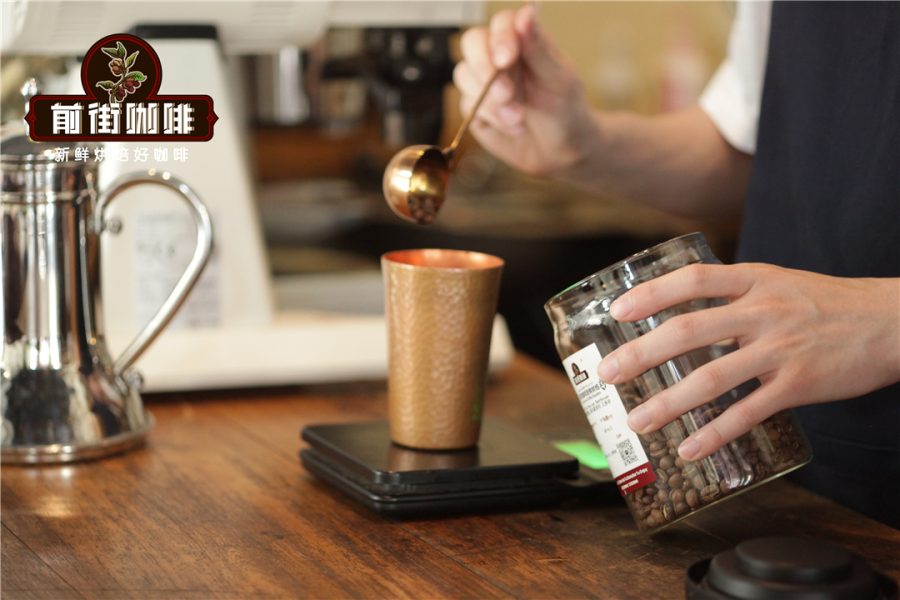
In terms of grind size, pour-over coffee usually uses a medium-fine to medium-coarse grind, similar to the texture of fine sugar or sea salt, which helps to fully extract flavors within a shorter pouring time. For the French press, coarse grind is recommended, close to the size of coarse sugar or sea salt particles, ensuring that coffee grounds do not penetrate the filter while facilitating a full and balanced mouthfeel.
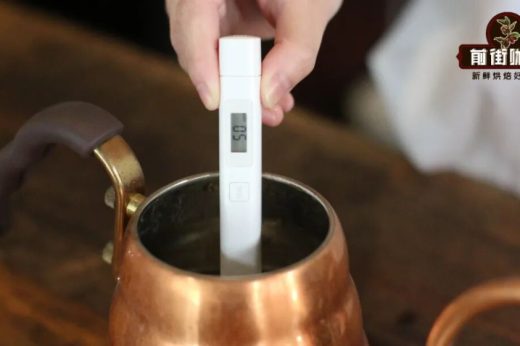
Besides grind size, water temperature is also an important factor affecting coffee flavor. Pour-over coffee generally recommends water at 90–96°C, which can be adjusted according to the roast level of the beans: light roast beans can use higher water temperatures to bring out acidity and aroma, while medium-dark roasts are suitable for slightly lower temperatures to avoid excessive bitterness. The water temperature range for French press is relatively wider; 90–95°C is a common range, with higher fault tolerance.
In summary, if you like to explore the delicate flavor variations of coffee from different regions and enjoy the focus and ritual of the brewing process, pour-over coffee is a more suitable choice. If you prefer simple operation, stable flavor, and want to get started quickly, then the French press is undoubtedly a more friendly entry-level tool. Regardless of which method you choose, the key is to adjust the appropriate parameters and techniques according to your taste preferences, making every cup of coffee a delicious experience of your own.