Can a French Press Use Pre-Ground Coffee? Flavor Differences and Brewing Guide
Introduction: Many coffee lovers often struggle with whether a French press is suitable for pre-ground coffee, and how the taste differs between pour-over and French press brewing. This article takes a deep look at the core differences between the two, from grind coarseness and water temperature control to extraction time, offering professional parameter suggestions and revealing what to keep in mind when using pre-ground coffee. By comparing the pros and cons of both brewing methods, it helps you find the coffee experience better suited to your own taste.
The French press is a classic immersion-style coffee brewing tool that separates the coffee grounds from the liquid through a filter mesh and pressure, producing a rich, full-bodied cup. As for whether you can use pre-ground coffee, the answer is yes, but it is not the best choice.
Freshly ground whole-bean coffee preserves aroma and flavor compounds to the greatest extent. Pre-ground coffee has a larger surface area, so it oxidizes faster on contact with air and loses flavor noticeably. If you can only use pre-ground coffee, choose a coarse grind (similar to the texture of sea salt) and make sure to use it up within 1 week of grinding.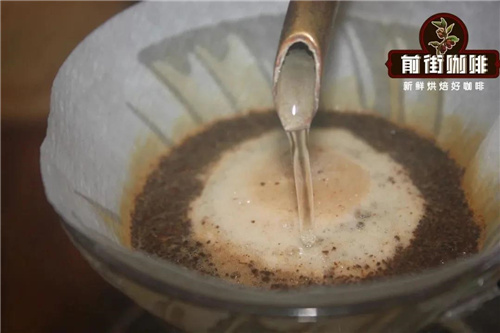
Grind size is the key variable for a French press. Coffee that is too fine (like fine sugar) leads to over-extraction and bitter sediment; too coarse (like coarse sugar) leads to under-extraction and a thin body. The ideal is a medium-coarse grind that lets hot water pass evenly through the coffee layer. Typically, 4 servings require 15 grams of coffee beans (about 1/2 cup); grind them and put them in the bottom of the press to set aside.
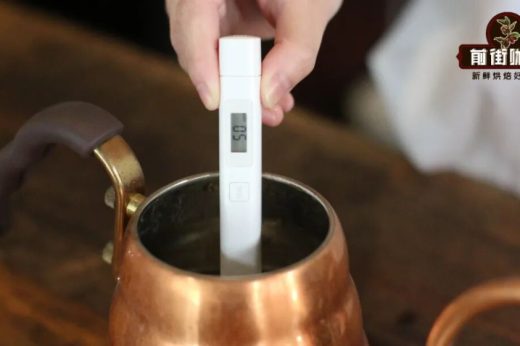
Water temperature directly affects flavor extraction efficiency. Boiling water (100°C) scorches the coffee grounds, causing burnt, bitter flavors; water that is too cool (below 90°C) cannot fully extract flavor compounds. The best practice is to boil the water and let it sit for 60 seconds until the temperature drops to 92-96°C before pouring it into the press, ensuring even immersion.
The standard French press brewing time is 4 minutes (some advanced methods extend it to 5 minutes). Start timing once the water has been poured and lightly stirred, and avoid moving the filter during this time. More than 5 minutes leads to over-extraction and noticeable woody or cardboard notes; less than 3 minutes gives prominent acidity but thin layers.
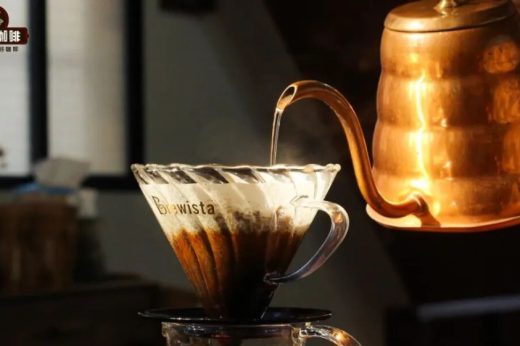
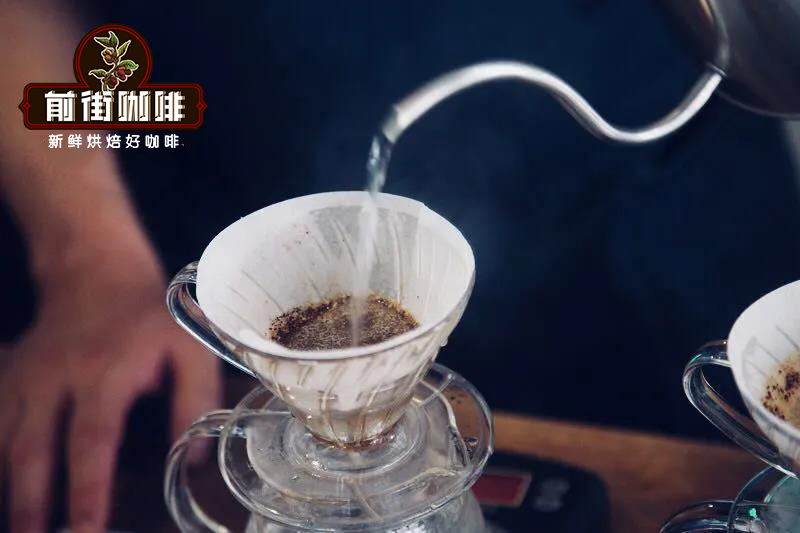
The core difference between pour-over coffee and a French press lies in the extraction method. Pour-over mostly uses a drip method (such as a V60 cone dripper), achieving precise flavor adjustment by controlling flow rate and coffee-to-water ratio, highlighting a balance of sweetness and acidity, with a total brew time of usually 2-3 minutes. The French press, by contrast, is full-immersion extraction, similar to cupping, and can present the coffee's original flavor spectrum more completely, including body and the layered changes of the finish.
Beginners using a French press should note: 1. Stir immediately after pouring in the hot water to ensure even contact between grounds and water; 2. Press the filter down vertically and slowly, avoiding disturbing the coffee grounds; 3. Before drinking, let it sit for 1 minute to let the sediment settle. Those using pre-ground coffee should store it in an airtight jar and keep it in a cool, dark place to slow flavor degradation.