French Press vs Pour-Over: Grind, Water Temp and Time Compared
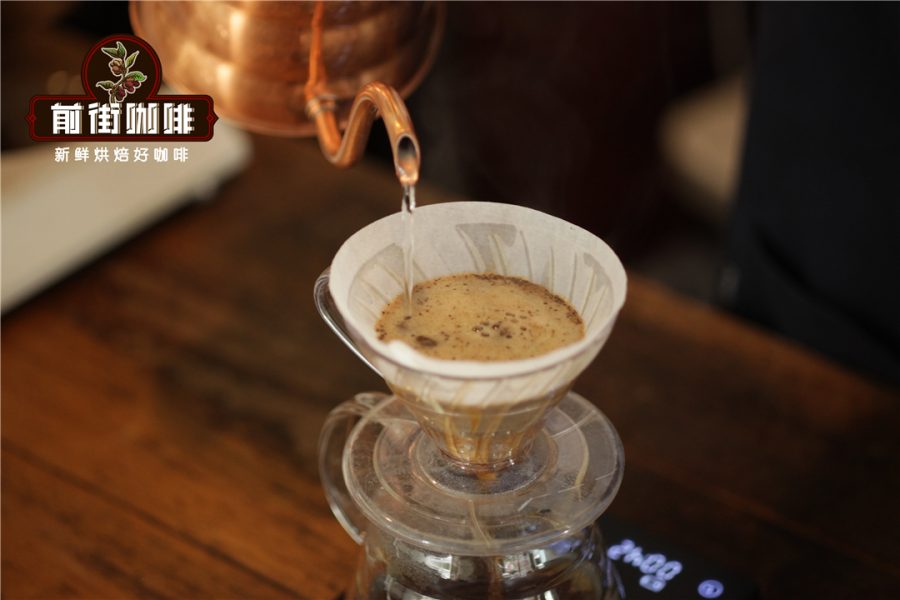
Introduction: The French press and pour-over are the two most common brewing methods at home, but do you know where their core differences lie? From grind size and water temperature control to the extraction logic of immersion versus drip, these parameters directly affect the coffee's body and flavor layers. This article analyzes the key differences between the two from a practical standpoint to help you choose the right equipment based on your taste preferences, with professional-grade parameter references included.
The essential difference between the French press and pour-over lies in the underlying logic of "immersion extraction" versus "drip extraction." The former soaks coffee grounds in hot water for an extended period before filtering, much like steeping tea; the latter relies on water flowing through the coffee bed, drawing out flavor compounds in stages. This fundamental difference gives the two methods distinct contrasts in grind size, water temperature, time control, and ultimately the final taste.
Let's start with taste differences. Thanks to the impact of water flow and staged extraction, pour-over coffee clearly showcases the diverse flavor layers of the beans—from citrus acidity to nutty finish, the compounds released at different stages create a progressive experience. The French press's "all-in-one" immersion method, by contrast, dissolves all flavor compounds evenly, resulting in a fuller, heavier body with a more pronounced sweet-bitter balance.
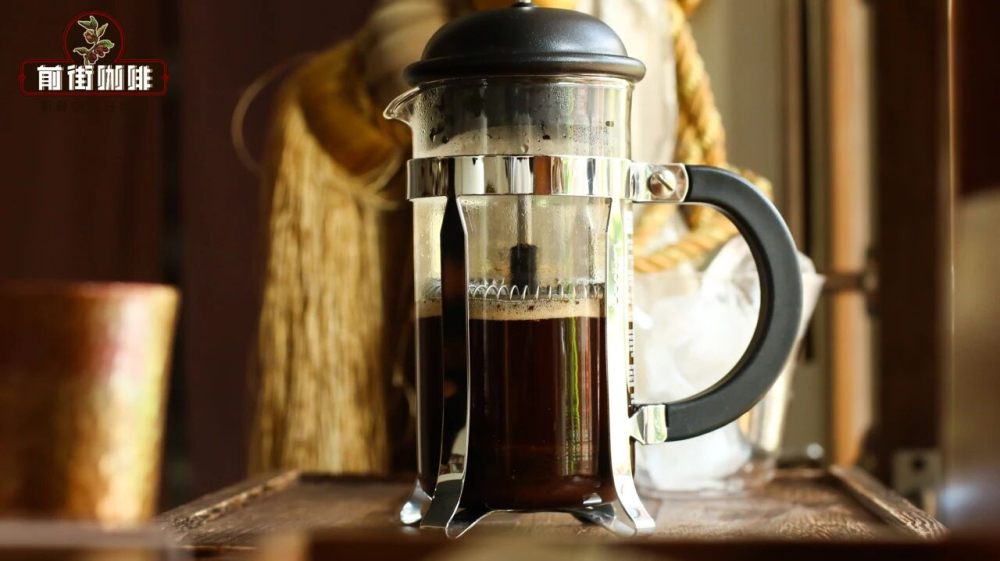
The French press is simplicity itself to operate. Its core structure consists of a cylindrical body with a metal mesh filter and a plunger that can be raised and lowered; hot water soaks the grounds, then the filter is pressed down to separate the sediment. The whole process requires controlling just four key variables: coffee-to-water ratio of 1:15-1:16, grind size (coarse sugar granule size), water temperature, and steeping time. This stable extraction mode, similar to cupping, restores the beans' original flavor characteristics to the greatest extent possible.
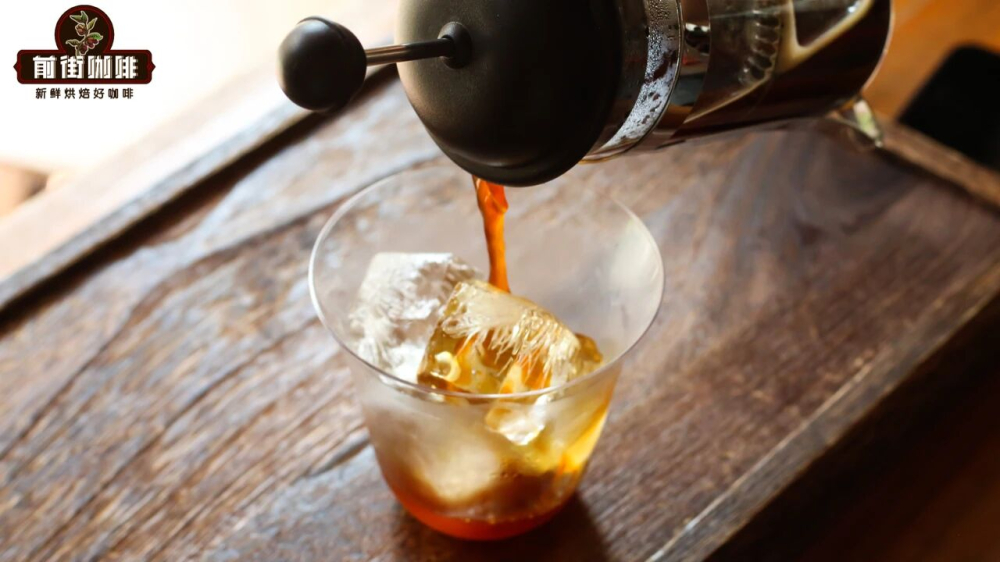
Water temperature is the first threshold for the French press. Because water is poured in all at once and extraction proceeds while standing, the temperature inside the vessel gradually drops with the environment. For medium-light roasts (more acidic), use 92-94°C hot water to spark lively acidity; for medium-dark roasts (more bitter), lower it to 89-90°C to avoid over-extraction. In autumn and winter, preheat the vessel with boiling water first to reduce heat loss.
Time control directly affects the extraction balance point. Under the same conditions, extending the steeping time increases concentration but may raise the risk of over-extraction. Test data shows: medium-light roasts need about 4 minutes, when sweet and acidic compounds are fully released and off-flavors have not yet emerged; medium-dark roasts are best at 3 minutes 30 seconds, which brings out caramelized flavors while avoiding the bitterness from woody fibers. Watch the color of the coffee liquid—when transparency drops noticeably, press the filter down promptly.

The question of "which tastes better" essentially depends on personal preference. If you seek distinct flavor layers and bright sweet-acid shifts, pour-over offers more exploratory fun; if you value the balance between convenience and a full-bodied taste, the French press is undoubtedly the lazy person's first choice. A special note: after filtering with a French press, gently swirl the vessel to even out the coffee liquid and avoid the problem of a thin top layer and an overly strong bottom layer.

A deeper look at the French press's immersion principle reveals it works much like brewing tea. Hot water is poured into the coffee bed all at once, allowing flavor compounds to dissolve slowly over sufficient time, and finally the metal mesh physically blocks the sediment. The greatest advantage of this method is its friendliness to beginners—no need to precisely control flow rate or pouring technique; just master the four basic parameters for consistent results. The resulting coffee typically has a fuller layer of oils (crema) and a silky mouthfeel.

Turning to the pour-over equipment list, professional-level brewing requires the following basic setup: a gooseneck kettle (800ml or larger recommended), a conical dripper (common models like V60/KONO), a server, a grinder (conical burr preferred), filter paper, a digital scale (with timer), and a thermometer. The grinder's performance is crucial; quality equipment should produce grounds with uniformity >90%, avoiding too-coarse particles that cause under-extraction or too-fine powder that causes over-extraction.
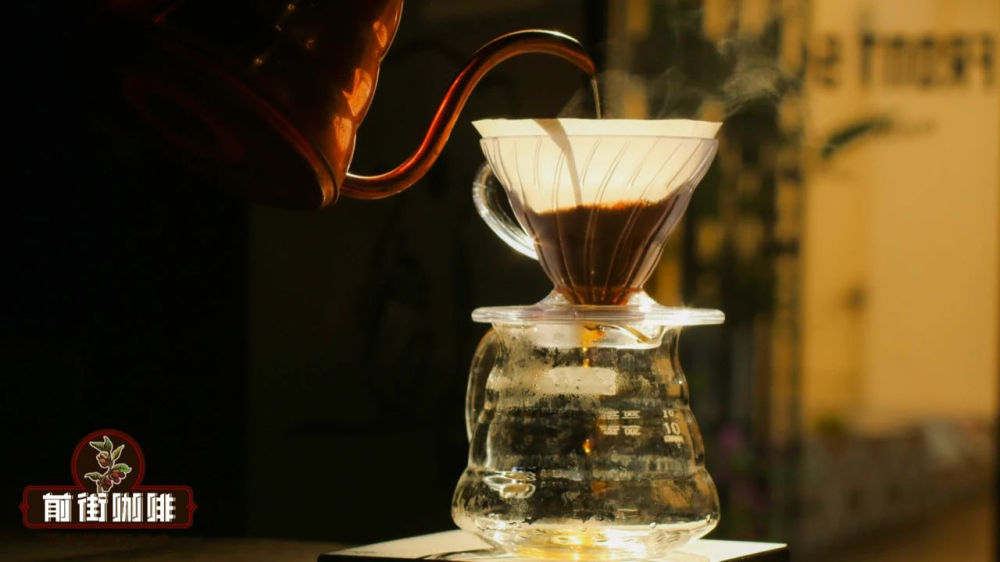
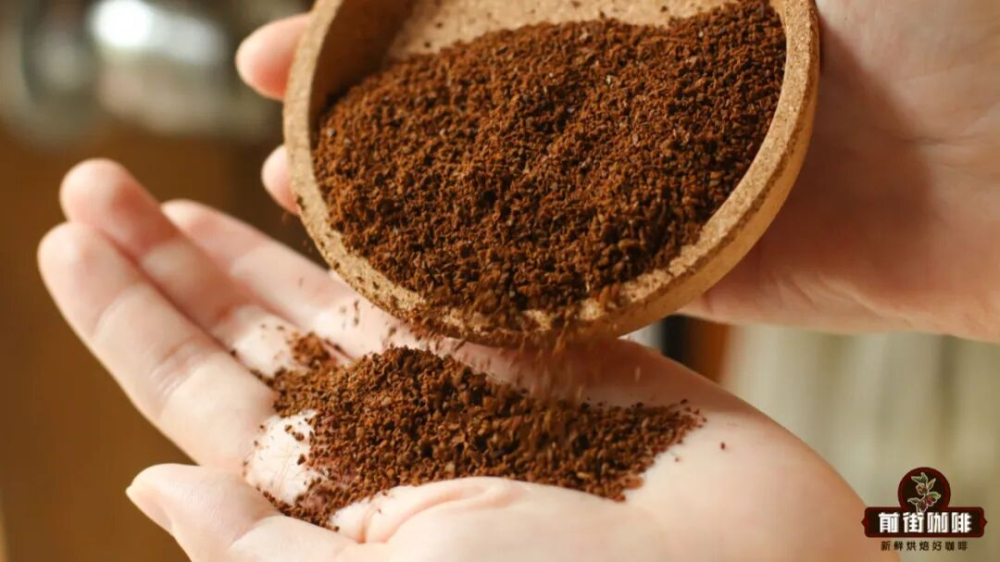
Grind size selection directly affects extraction efficiency. Using the Chinese No. 20 standard sieve (0.85mm aperture) as a reference baseline, a coarse grind with about 80% passing rate suits light roasts (such as Ethiopian natural), corresponding to an extraction time of about 2 minutes; for medium-dark roasts, adjust to a 65-70% passing rate medium-coarse grind and extend to about 2 minutes 30 seconds. Clean residual oils from the burrs regularly to prevent flavor cross-contamination.
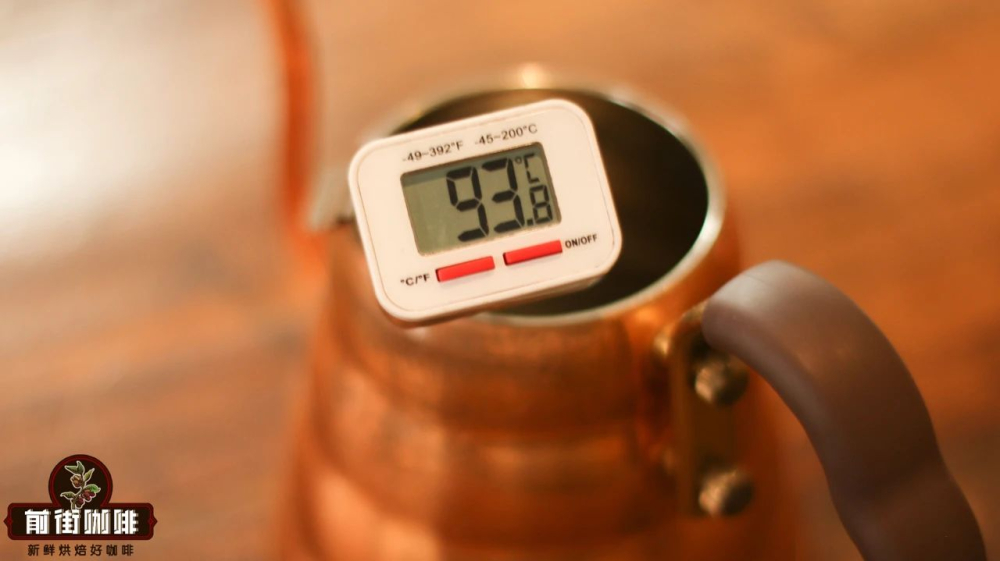
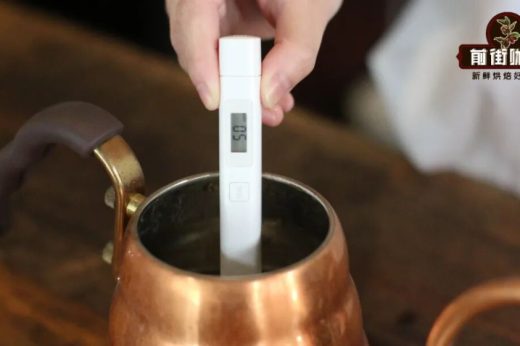
Water temperature management is an advanced topic in pour-over. Different roast levels require differentiated handling: light roasts (below City roast) work best at 91-93°C to bring out floral and fruity acidity, while medium-dark roasts (above Full City roast) are best at 87-90°C to suppress the release of bitter compounds. Use a thermometer to monitor in real time, or estimate roughly by observing the standing time after boiling—use immediately after boiling at about 96°C, after 30 seconds it drops to about 90°C, after 1 minute to about 85°C.

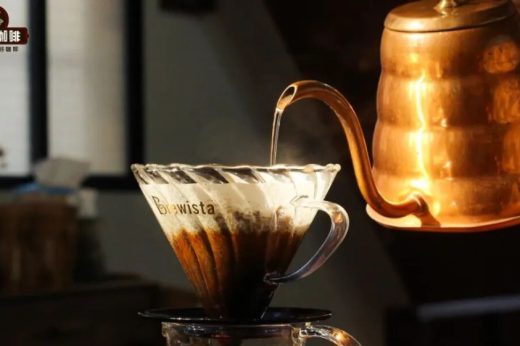
The choice of dripper also holds hidden subtleties. The V60's spiral rib design speeds up water flow, suiting light roasts with bright acidity; the KONO's flat-bottom structure extends contact time, better extracting the full body of dark roasts. When using dedicated filter paper, mind the wetting step—rinsing the filter with hot water first not only preheats the equipment but also removes papery odors.
The core of pour-over technique is water flow control. A three-stage pouring method is recommended: "center pour → spiral expansion → center convergence," keeping the spout height at about 15cm to avoid disturbing the coffee bed structure. A single pour should not exceed 2 times the dose (e.g., 30ml water for 15g coffee), and total extraction time should stay within the 2:00-2:30 range. Advanced brewers can further optimize flavor by adjusting pre-infusion (bloom) time and the ratio of staged pours.

Common pitfalls to avoid: ① Never use too-fine a grind in a French press (such as espresso grind), which will clog the filter and produce a muddy mouthfeel; ② When brewing pour-over, avoid letting the water level exceed the dripper's maximum mark to prevent side flow from affecting concentration; ③ Either way, freshly roasted beans (7-21 days after roasting) always deliver better flavor. Finally, always store coffee beans in an airtight canister with a one-way degassing valve, away from light and moisture.
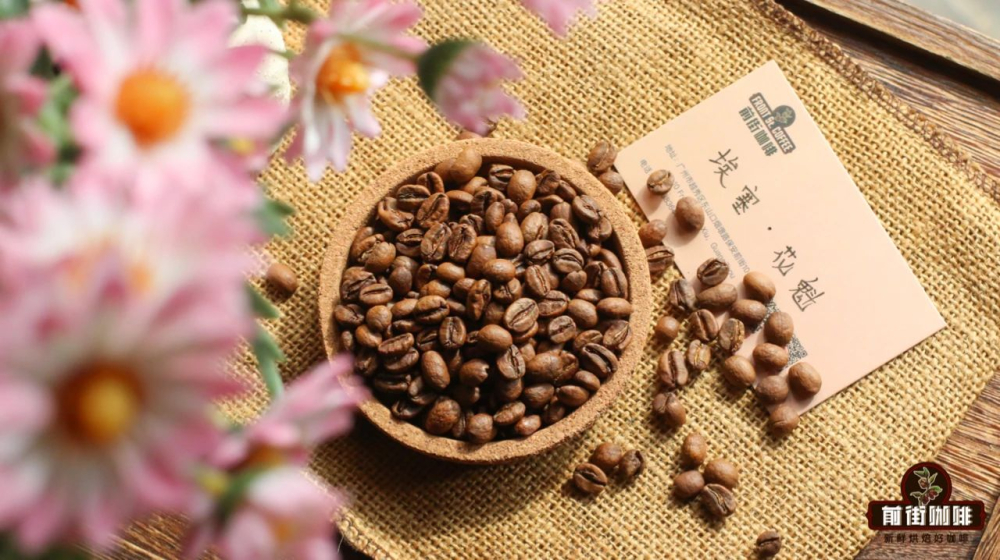
On bean recommendations (flavor-type examples only): for floral notes, choose high-altitude Geisha; for fresh acidity, try Ethiopian Hualukui; for balanced nutty-chocolate flavors, consider Brazilian beans; and for a full body, Indonesian Golden Mandheling is also a classic choice. When buying, prioritize your own palate preferences rather than blindly following trends.