Behind the buzz of 600 Coffee: Shanghai Mental Health Center's warm cultural products and destigmatization
Introduction: From the Spirit Mooncake to 600 Coffee, the Shanghai Mental Health Center has used a series of cultural and creative products to break the public's stereotypes about mental health. This article details how this limited-time, staff-only coffee sold 100 cups in one hour, examines its pricing strategy of Americano and latte starting at 15 yuan, and further explores the humanistic care the hospital conveys through media such as mooncakes and art exhibitions, offering a look at creative approaches to mental health education.
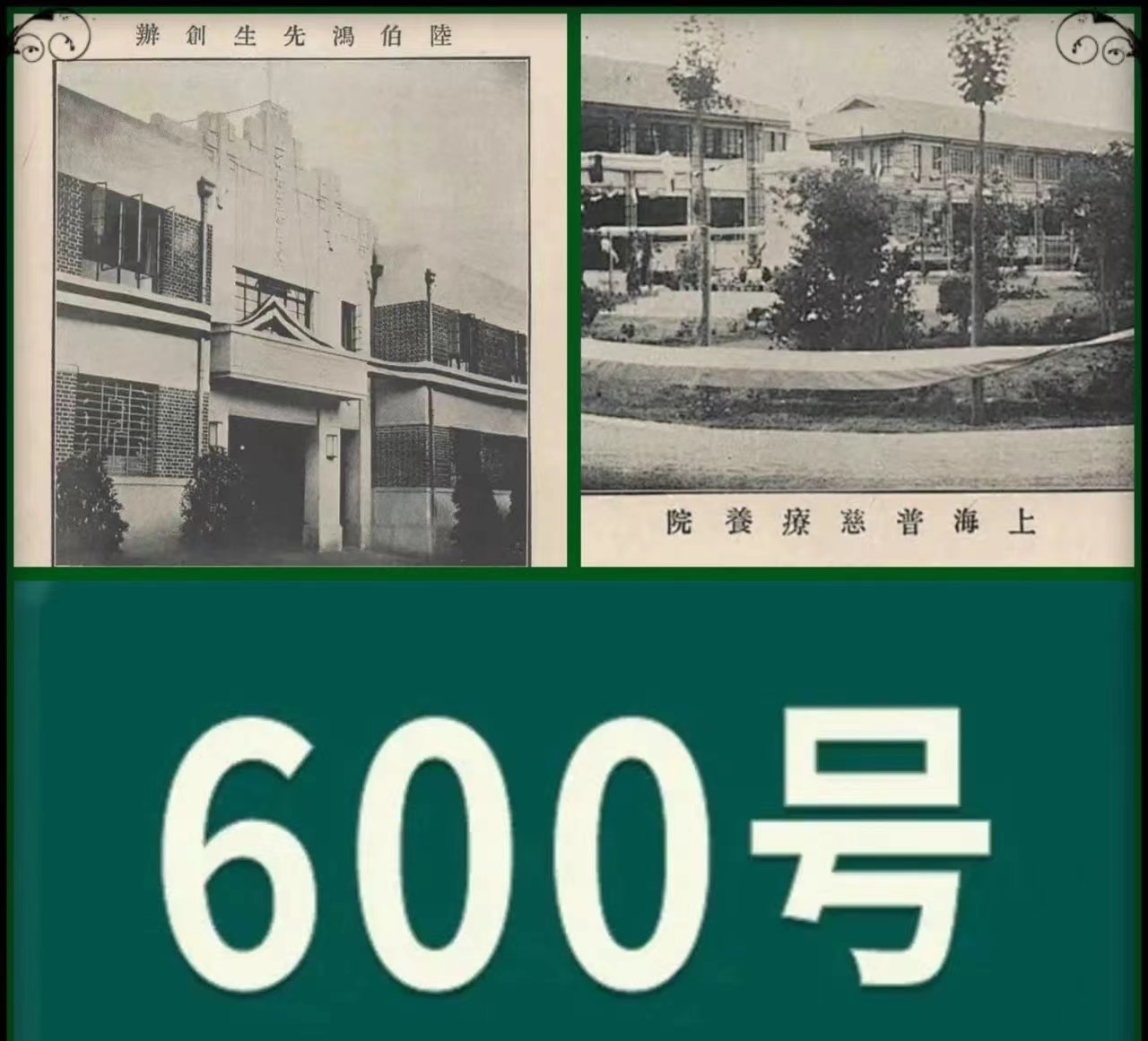
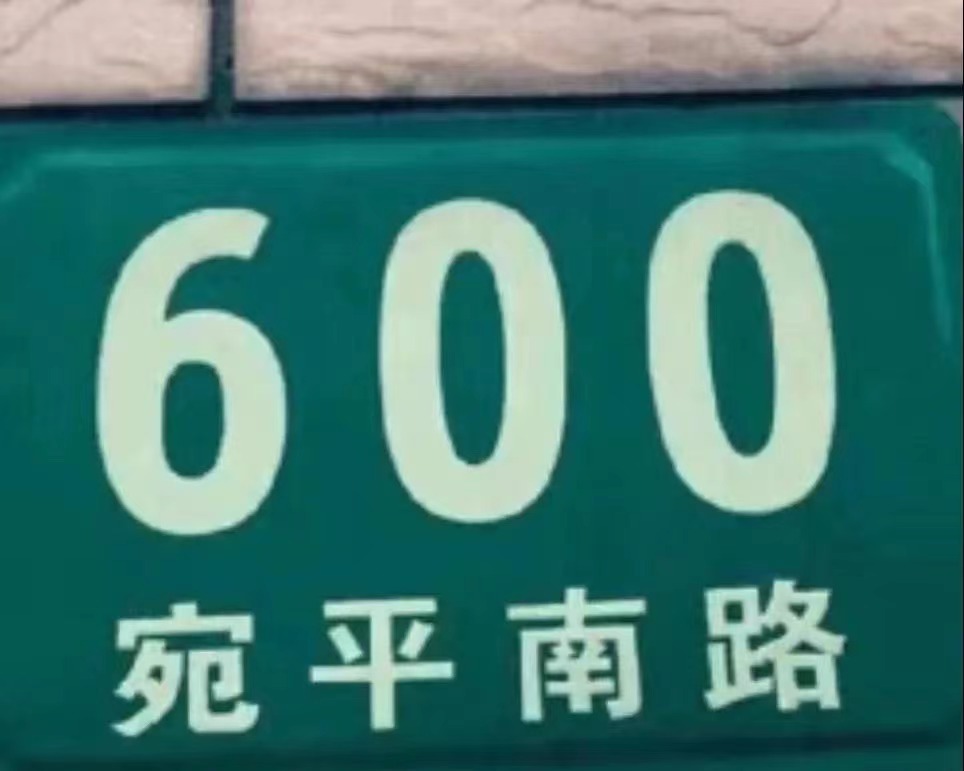
Founded in 1935, the Shanghai Mental Health Center has grown over decades into the country's largest psychiatric diagnosis and treatment institution with the most complete range of departments. Its Xuhui campus is located at No. 600 Wanping South Road. This medical complex, covering nearly 100 mu with more than 30,000 square meters of floor space, is not only a clinical treatment center but has also become a phenomenon-level topic carrier through cultural deconstruction in the internet age.
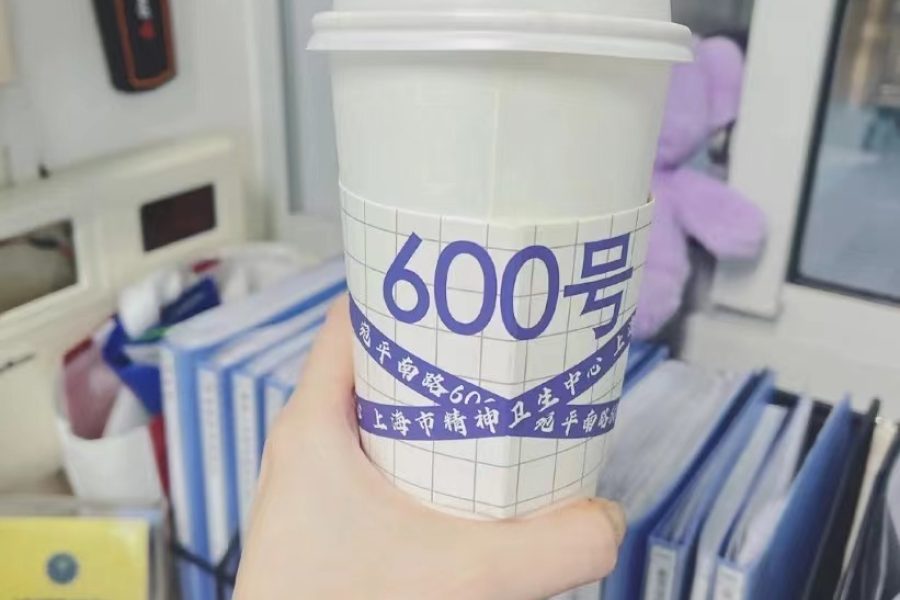
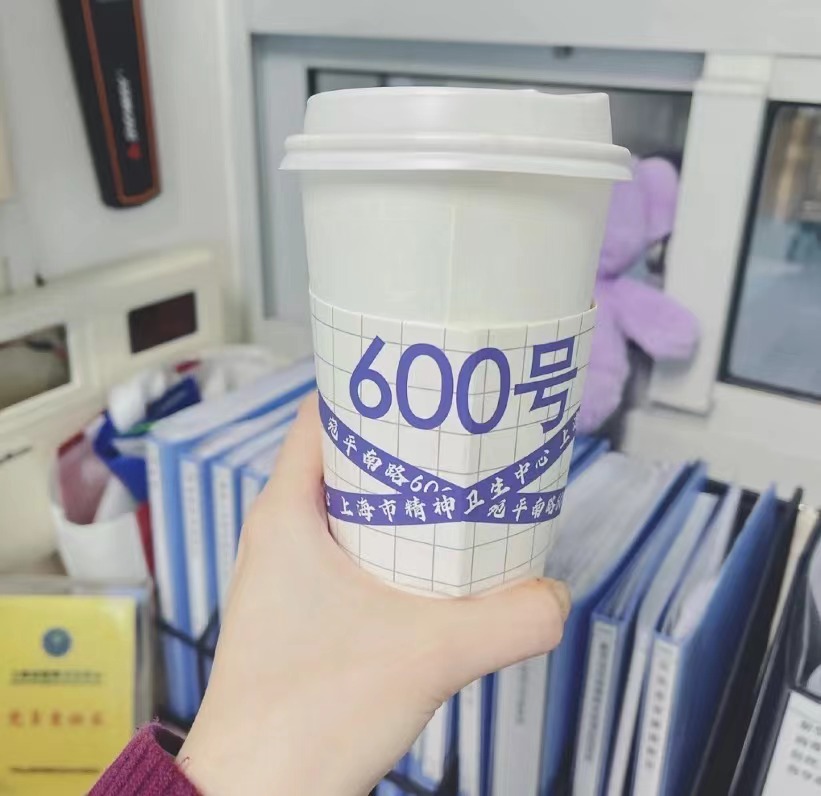
While the public still relishes the address "No. 600," a house number carrying historical memory, the hospital's "600 Limited Coffee" suddenly set social platforms abuzz. According to on-site feedback, sales exceeded 100 cups in the first hour of opening, and some medical staff even adjusted their schedules to arrive early to buy it. This drink, circulated internally only, offers three classic choices: Americano (15 yuan), latte and cappuccino (both 18 yuan). It comes in an oversized takeaway cup, and its value for money has sparked lively discussion online.
Dai Min, head of the Logistics Support Department at the Shanghai Mental Health Center, said in an interview that the idea for developing coffee drinks came from observing the daily needs of medical staff—the existing canteen lacked an area for beverages. Launching it in winter was intended to convey the institution's care through warm coffee. It should be particularly noted that this series follows strict sales rules: available only from December 20 to 24, 7:00-8:15 a.m., and only to hospital employees.
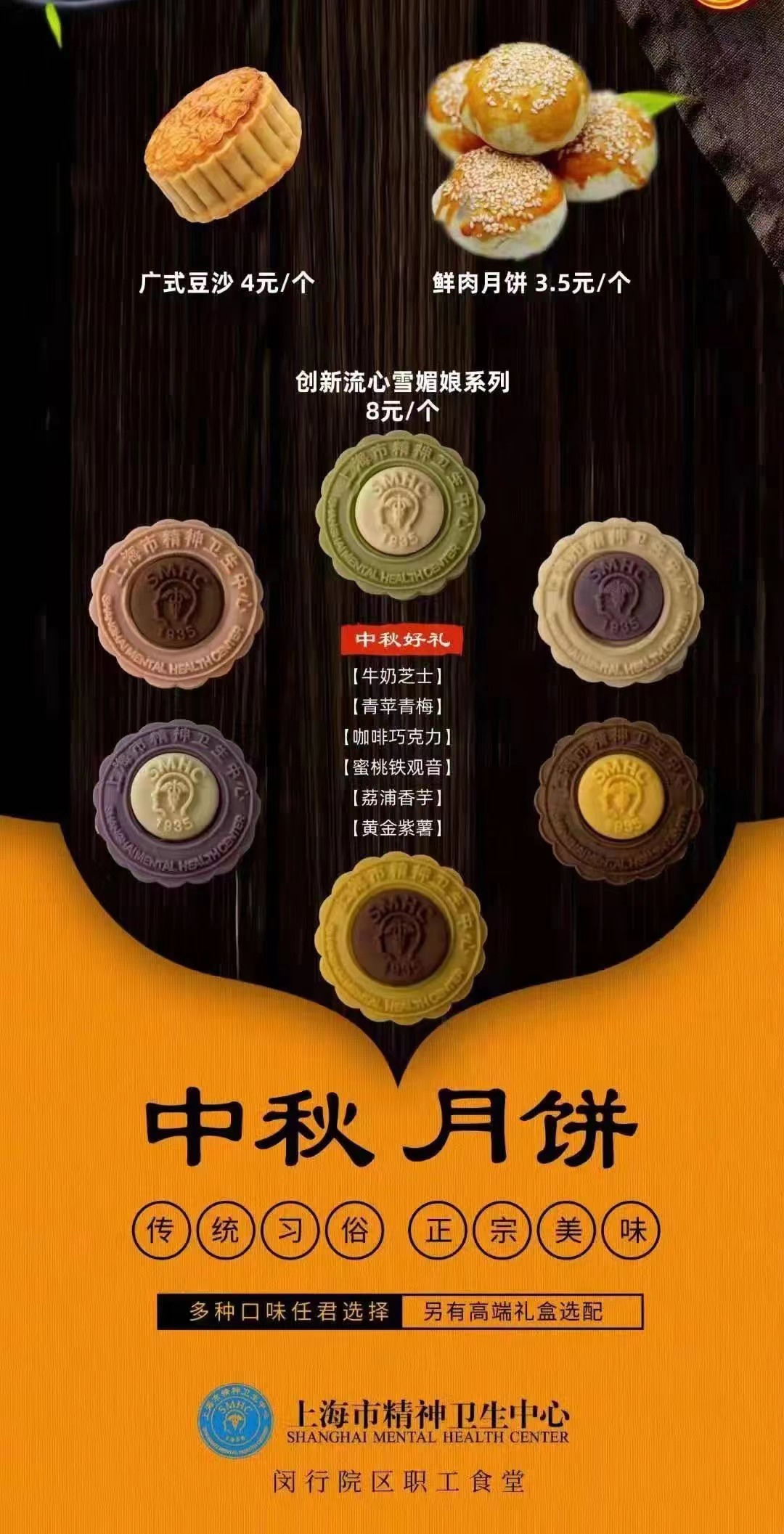
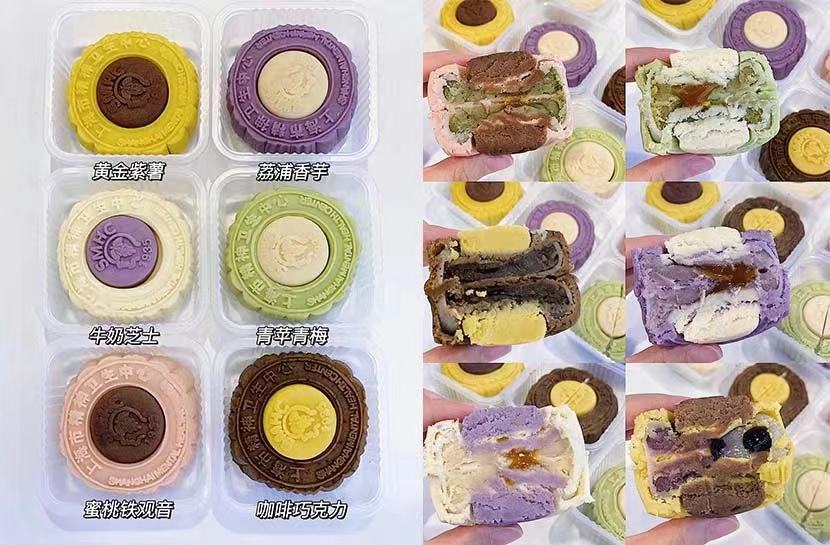
This coffee craze is no accident; behind it lies a long-accumulated internet-fame gene. During this year's Mid-Autumn Festival, the "Spirit Mooncake" series launched by the canteen at the hospital's Minhang campus had already made its mark. Besides traditional Cantonese-style and fresh-meat mooncakes, a specially designed six-flavor premium gift box included innovative flavors such as milk cheese and green apple with green plum. It kept pricing accessible while matching the aesthetics of younger groups, successfully turning a serious medical institution into a focus of cultural discussion.
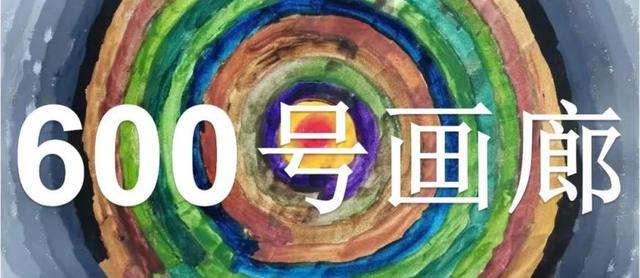
This innovative communication has continued to ferment: the "600 Gallery," opened in early December, showcases art created by people with mental disorders, accompanied by charity sales that promote a shift in social perception. Even more noteworthy is the charity sale of handicrafts made by recovering patients, running until December 30, covering categories such as fabric weaving, beadwork, painted works and calligraphy and painting, offering the public a platform to participate in and support directly.
From food and drink to art, the Shanghai Mental Health Center is building a multidimensional destigmatization matrix. Each viral product is a carefully designed communication vehicle—the coffee's 15 yuan price balances cost and an accessible image, the limited-time supply creates scarcity, and the staff-only rule reinforces professional endorsement. Together these details form a new paradigm for mental health education, building emotional connections while maintaining professionalism.