Light vs. Medium-Light Roast: Differences and 8 Specialty Pour-Over Beans
Introduction: Roast level directly affects a coffee's flavor expression, and light and medium-light roasts are favored by pour-over enthusiasts for their bright acidity and floral-fruity character. This article explains the differences between the two in the Maillard reaction and caramelization, analyzes the key to sweet-sour-bitter balance, and recommends 8 medium-light roasted beans that combine fruity aroma and complexity, with flavor characteristics and suitable brewing methods, to help you find your favorite everyday beans.
Coffee's flavor transformation from green bean to cup begins with roasting. Roasting not only changes bean color but also shapes aroma and mouthfeel through the Maillard reaction and caramelization. Although common grades such as light, medium-light, and medium roast have no strict boundaries, consumers can judge intuitively by flavor: the lighter the roast, the brighter the acidity and the lower the bitterness. If you seek coffee that is not bitter and has vivid flavor, medium-light roast is an ideal choice.
Medium-light roasted coffee usually retains more organic acids and sugars, presenting fresh fruity aromas and floral notes with a good sweet-sour balance. These beans suit low-temperature, slow-extraction methods such as pour-over and cold brew, which can fully reveal regional flavor characteristics. Compared with the intense roasted aroma of dark roast, medium-light roast emphasizes the bean's own personality.
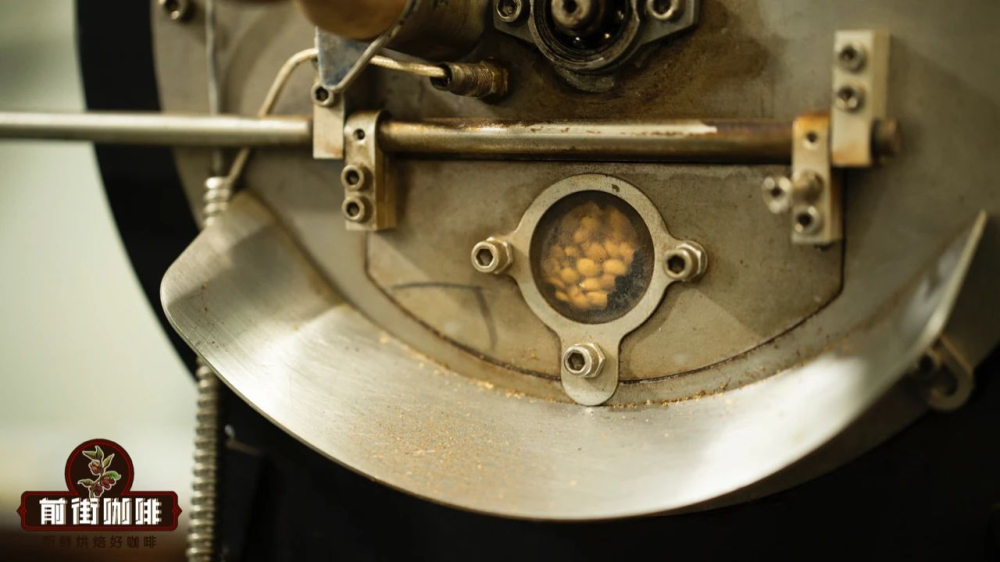
During roasting, three core elements require precise control: sourness, sweetness, and bitterness. The shorter the total roasting time, the more acidic substances are retained and the milder the bitterness. Medium-light roast usually has a shorter heating time, so it often carries lively fruity acidity, such as citrus, berries, or floral notes, with rich layers and a refreshing finish.
The following are eight medium-light roasted pour-over beans with high market recognition, each with a unique flavor expression and suitable brewing plan:
Ethiopia Hualui (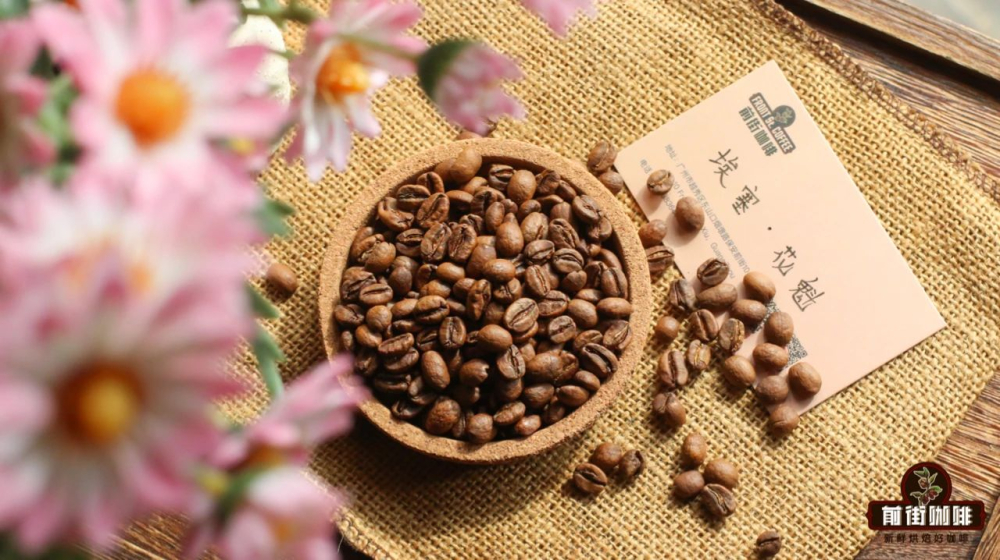 ): Prominent floral notes with a soft creamy strawberry aroma, bright but not sharp acidity. Suitable for pour-over, cold brew, or drip bags; a medium-fine grind and 90-92°C water are recommended, with longer intervals between pours to highlight the layers.
Panama Boquete Geisha (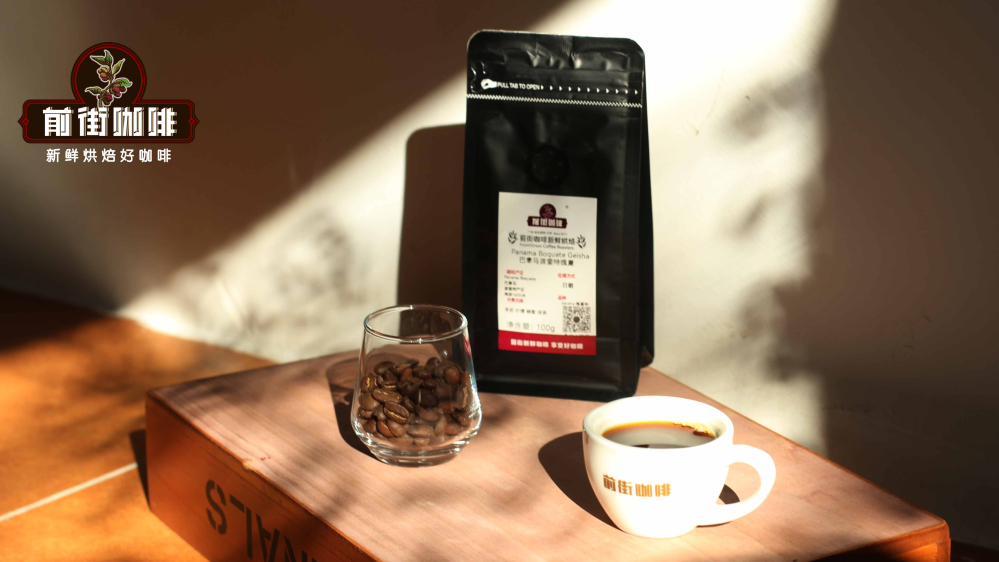 ): From a core specialty coffee region, under light roast it blooms with a complex aroma of jasmine, melon, and citrus, with a faint tea-like finish. A V60 dripper is recommended, with staged pouring to bring out the floral-fruity notes.
Costa Rica Blackberry (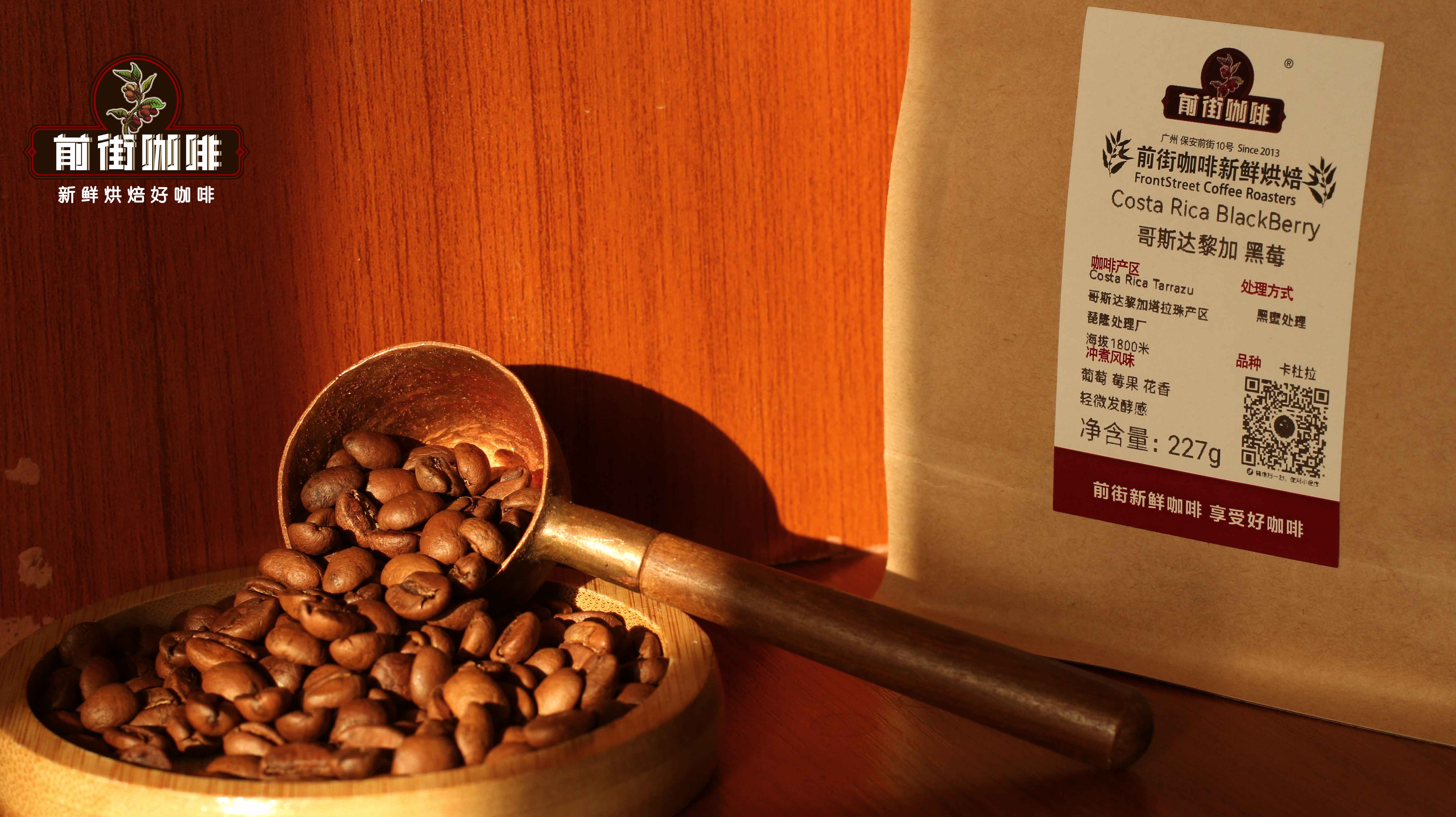 ): The honey process retains the full mucilage layer, giving rich fermented sweetness and berry flavor. After medium-light roasting, grape and blackberry notes are obvious; enjoyable hot or cold, and Moka pot extraction can enhance body.
Washed Yirgacheffe (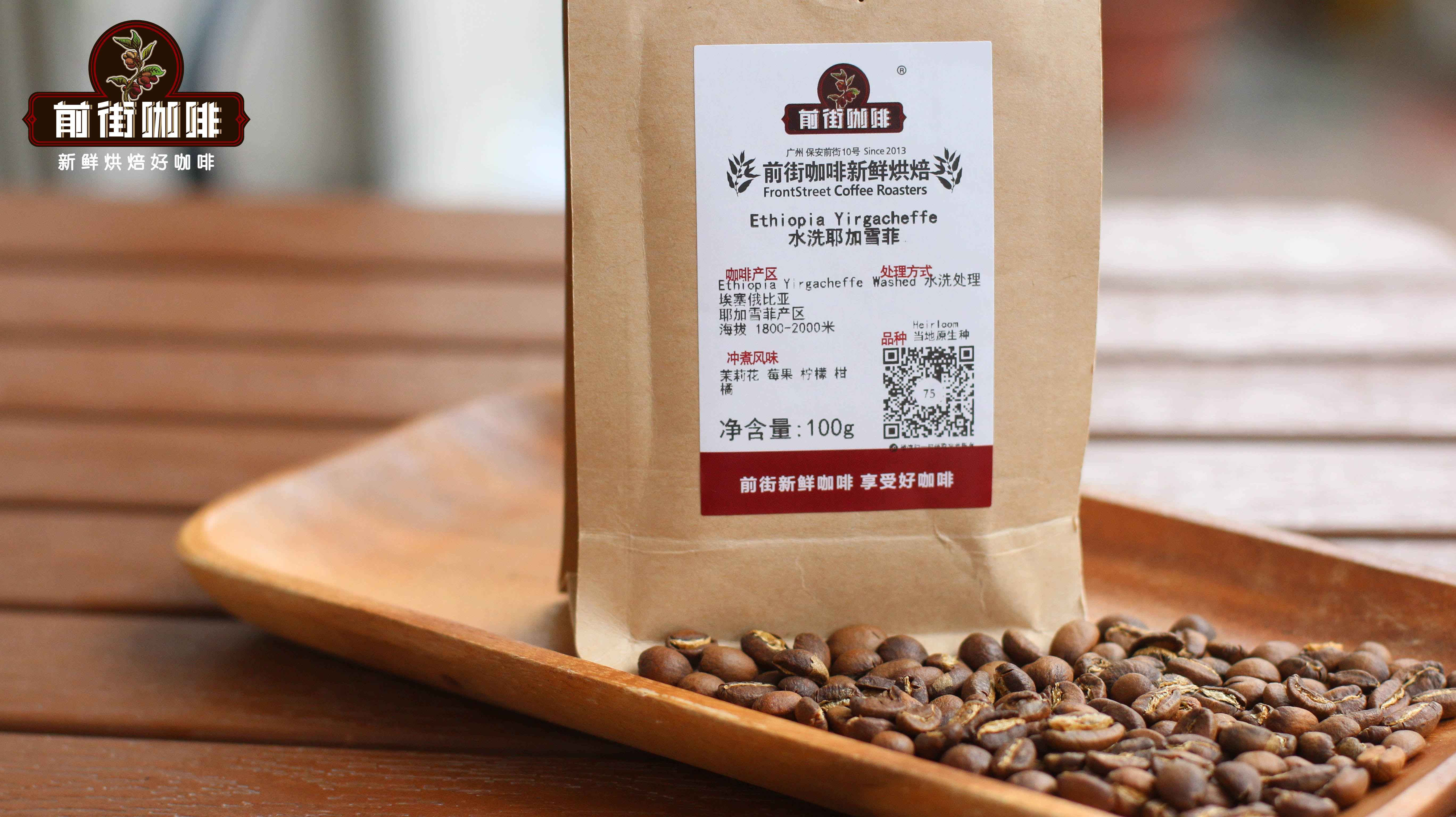 ): A classic representative of high-altitude regions, with white floral notes and refreshing citrus acidity, and very low bitterness. For pour-over, a light grind with 91°C water is recommended to highlight the bright acidity and aroma.
Kenya Little Tomato ( ): Known for its distinct berry acidity, with intertwined cherry tomato and smoked plum flavors and a strong juicy feel. Medium-light roast preserves the fruity texture, suitable for drinkers seeking a strong flavor impact.
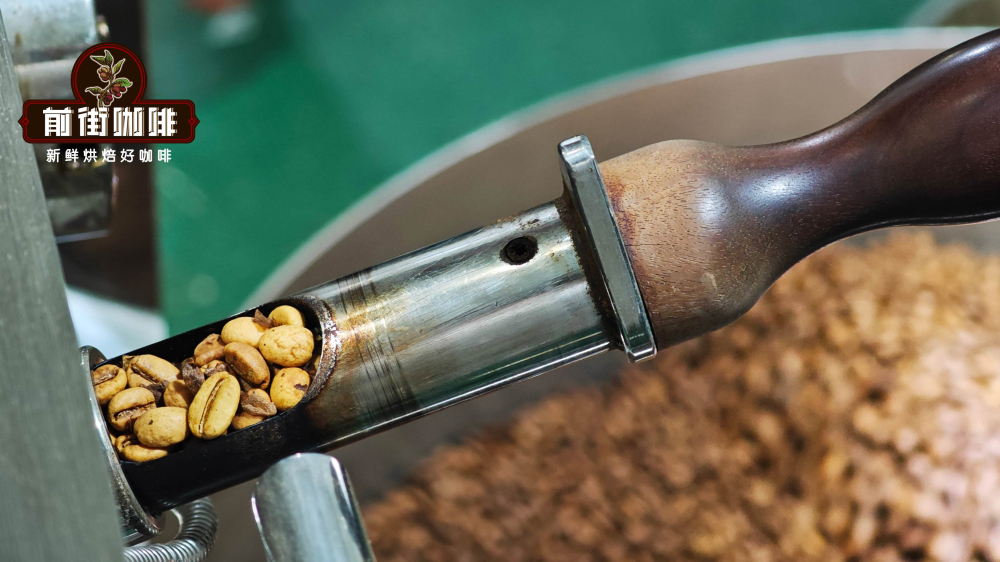
Panama Butterfly (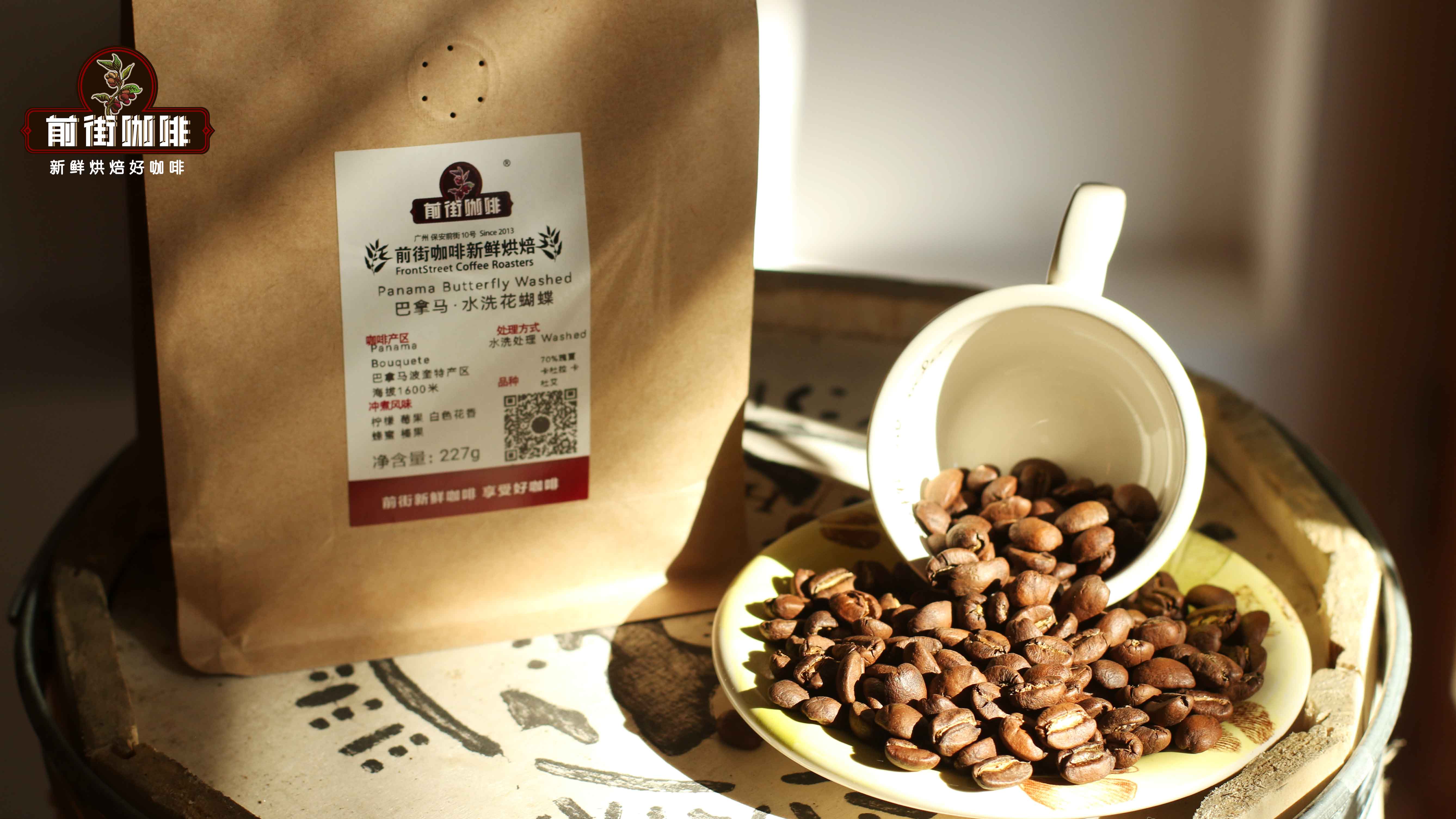 ): The Geisha hybrid brings elegant floral notes and a fresh bergamot feel, with a slight tea-like finish. Cold brew can amplify the citrus aroma; for pour-over, control the flow rate for even extraction.
Strawberry Candy (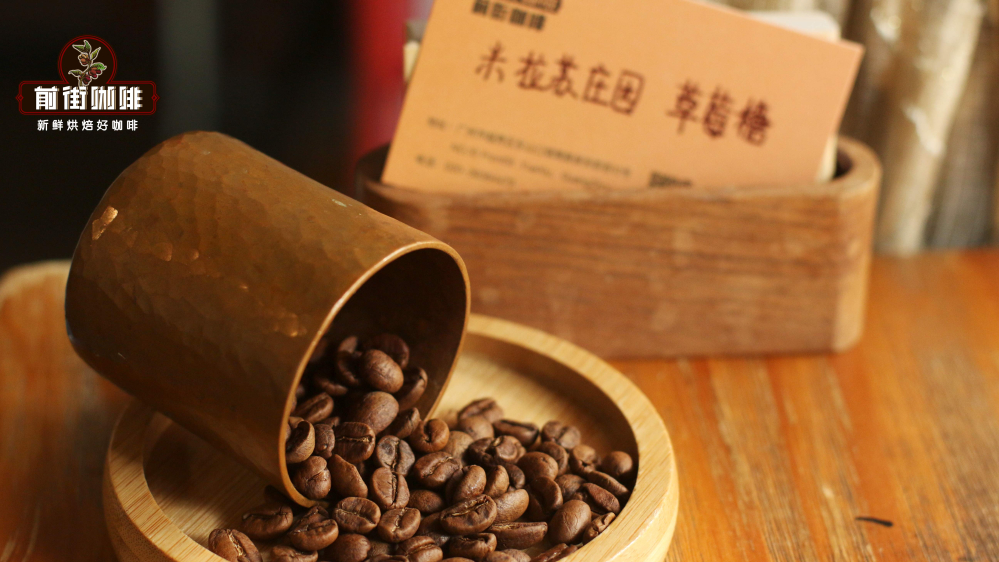 ): A combination of honey process and Geisha genetics, presenting sweet fruity aroma and moderate fermentation, with a flavor like fresh strawberry candy. Compatible with various devices; when using a home coffee machine, a coarser grind is recommended to avoid over-extraction.
Colombia Sidra (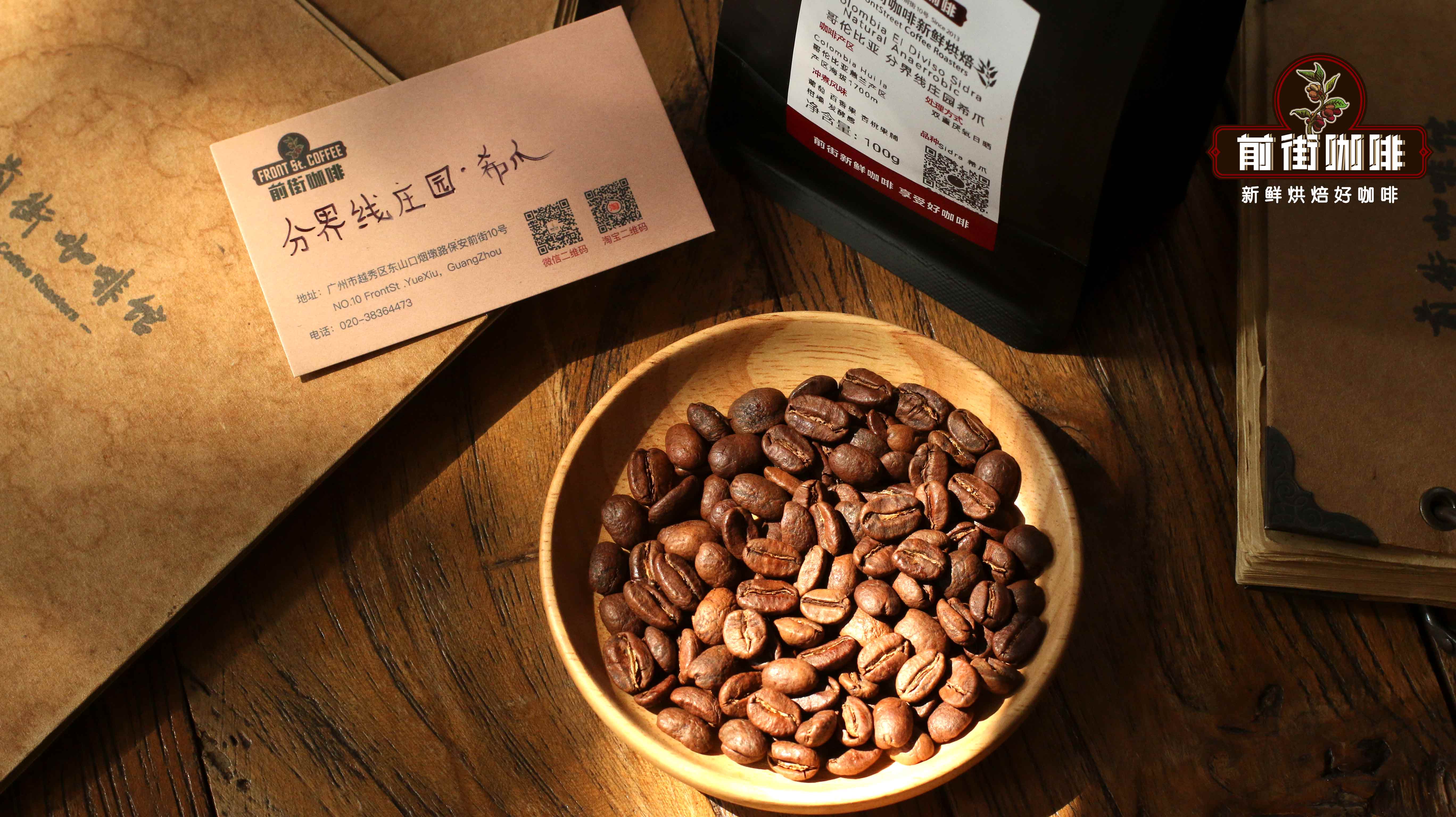 ): A competition star variety in recent years, with complex and varied aromas of passion fruit, grape, and blueberry, and prominent dried-fruit sweetness. SOE extraction maximizes the variety's characteristics, and the Clever Dripper is convenient and stable to operate.
When buying medium-light roasted beans, prioritize freshly roasted beans (within two weeks of the roast date) and adjust parameters according to your brewing device. For example, V60 suits highlighting acidity, while a French press balances body and fruity aroma. Once you understand the basic flavor logic, you can more precisely match your personal taste preferences.


