Pour-Over Iced vs. Hot Coffee: Flavor Comparison and Bean Selection Guide
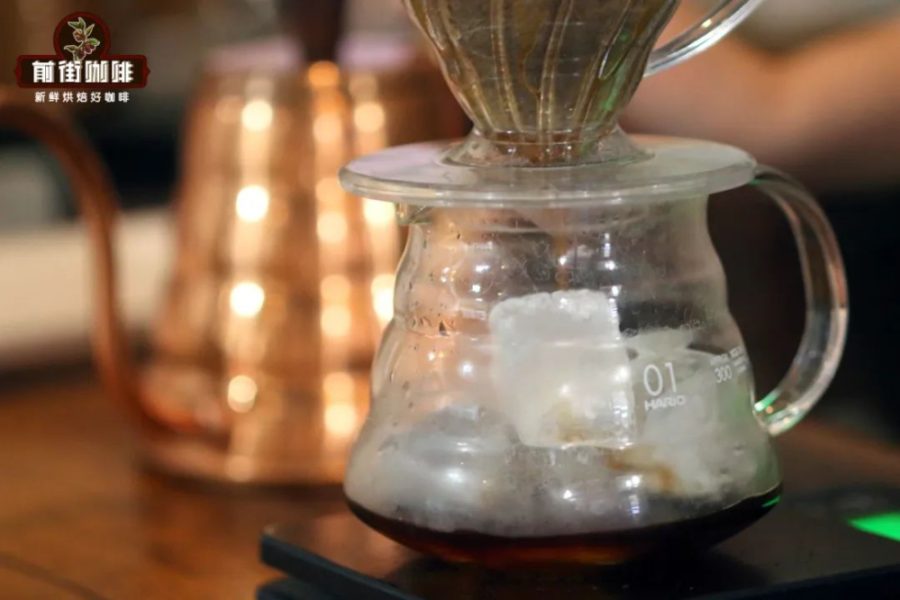
Introduction: Should pour-over coffee be served hot or iced? What are the essential differences in flavor expression between iced and hot pour-over? Which coffee beans are better suited to iced pour-over? Through comparative experiments and parameter analysis, this article reveals the extraction logic behind these two worlds of ice and fire, explains bean-matching approaches from light-roasted fruity notes to dark-roasted richness, and provides professional-grade extraction parameter references to help you make the best choice based on season and taste preference.
Customers walking into a specialty coffee shop often face a sweet dilemma: when confronted with a lengthy bean list, besides choosing origin and roast level, they must also decide on serving temperature. Hot and iced pour-over differ not only in temperature; their flavor presentation logic is fundamentally different.
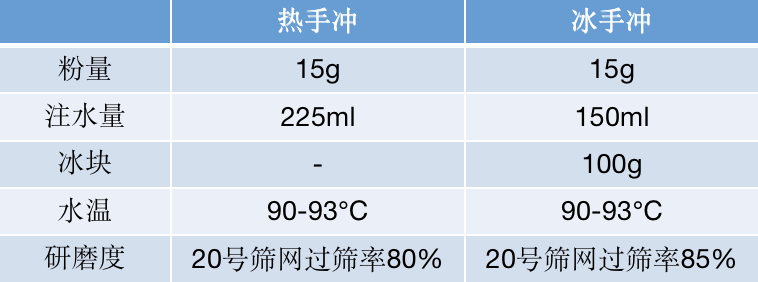
The essence of iced pour-over is an extension of hot extraction technique. The mainstream approach is to finen the grind (typically to 70-75% passing rate on the Chinese standard No. 20 sieve) combined with a lower brew ratio (1:12-1:14), first extracting a concentrate with higher concentration than regular hot pour-over (about 1.3-1.5% TDS), then cooling and diluting it with ice. During this process, every 30 grams of melted ice adds about 30 ml of water, and the final concentration falls back to the 1.1-1.3% range, precisely balancing refreshment and flavor intensity.
 Comparative experimental data show significant flavor differences between hot and iced brewing of the same bean. Evaluation is recommended across three dimensions: aroma complexity (hot brewing releases more volatile aromatic compounds), flavor layering (hot brewing reveals more detail), and body fullness (hot brewing's oils and richness are more prominent).
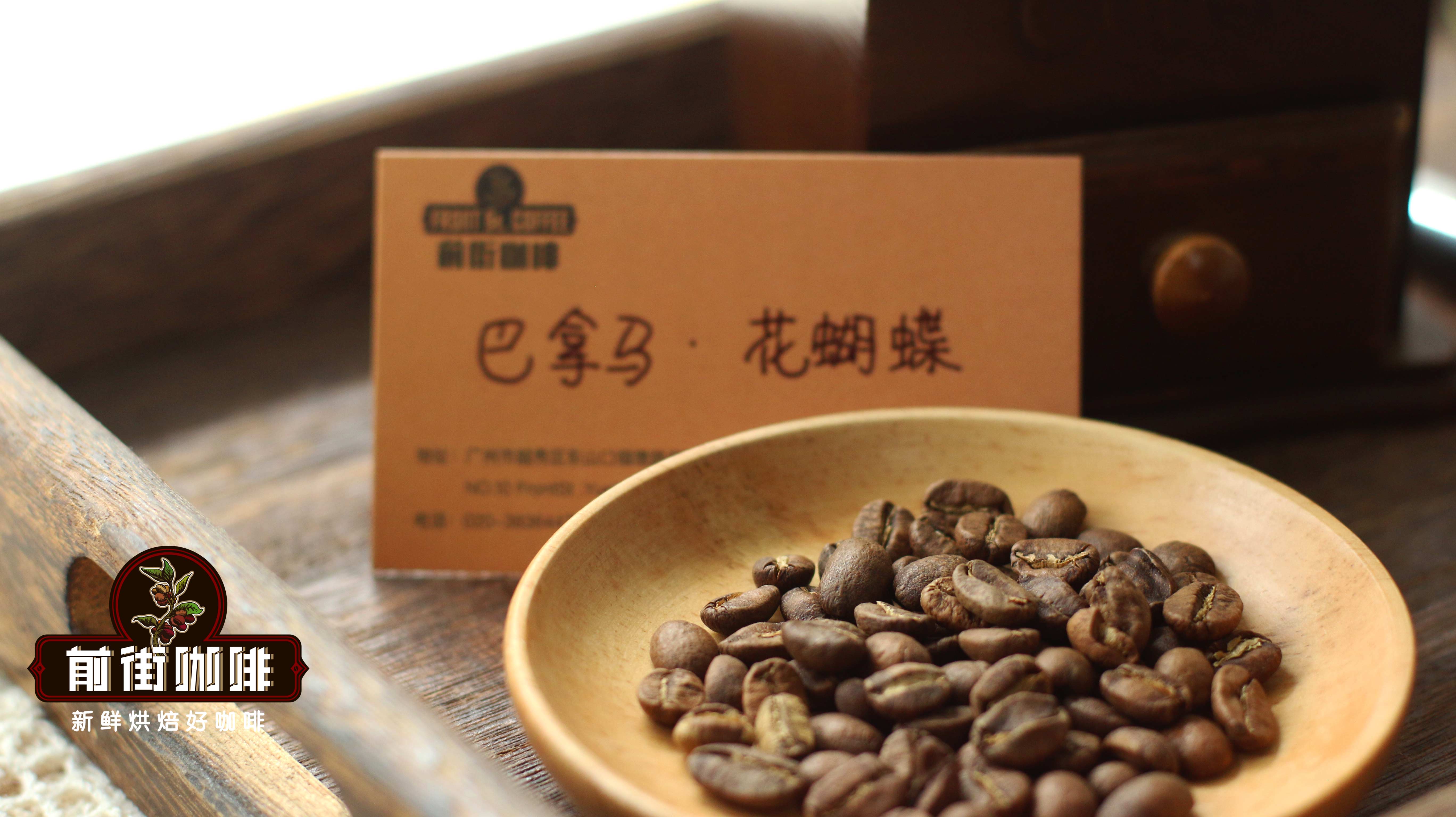
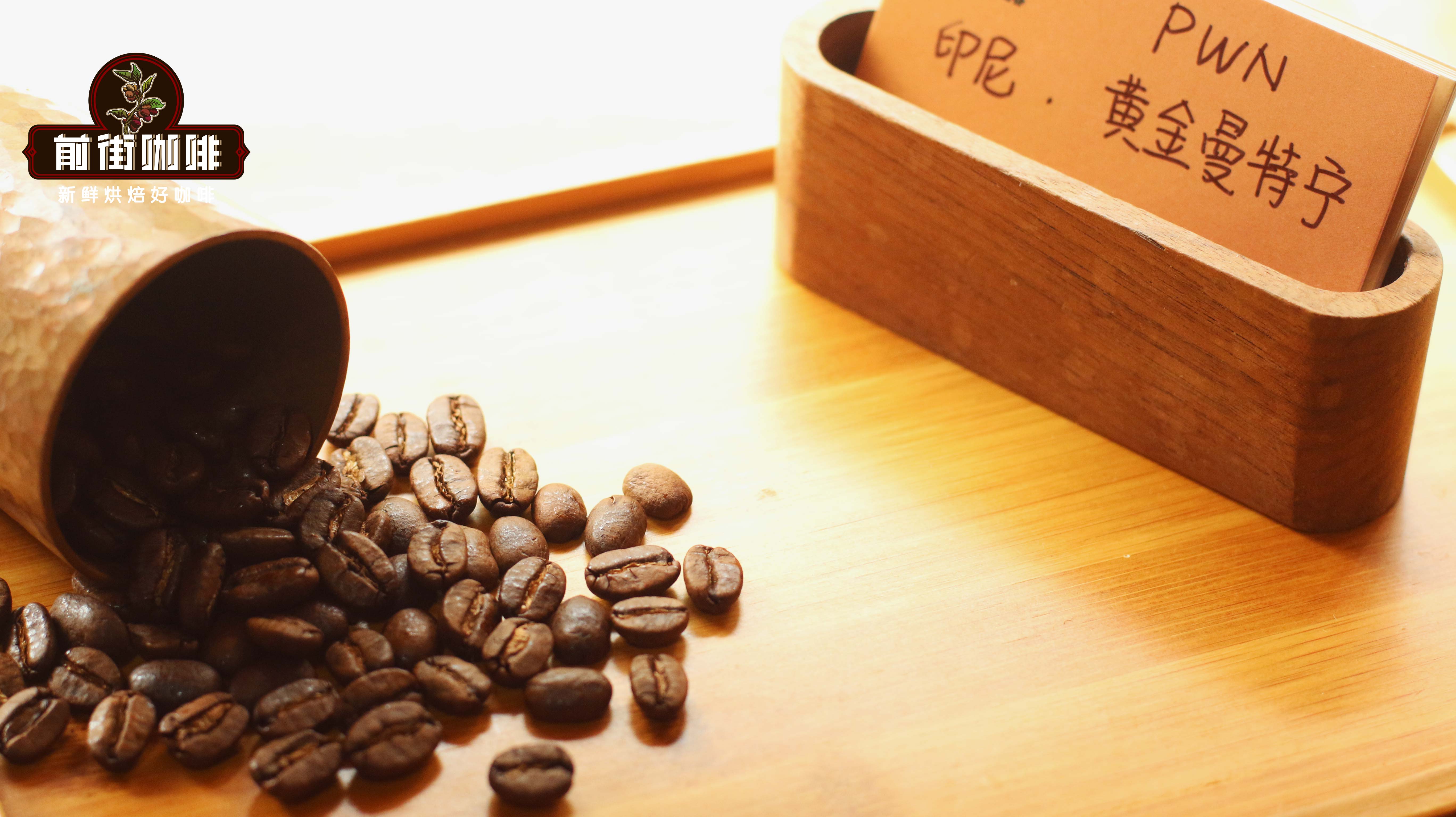
Take four typical roast levels as examples: A light-roasted Ethiopian washed bean (such as a TOH competition lot) shows bright citrus notes with jasmine aroma when hot; when iced, the acidity is more restrained, presenting a refreshing sensation akin to lemon black tea. A medium-roasted Papua New Guinea bean shows a balance of caramel and nuts when hot; when iced, sweetness diminishes but the chocolate base remains clear. A dark-roasted Indonesian Mandheling's herbal aroma and dark chocolate layers are noticeably simplified when iced. A specially processed Colombian anaerobic bean, when iced, instead highlights vinous notes and fresh berry characteristics.
Key parameter recommendations: for light-roasted beans, iced brewing suits 15-16 g coffee / 240 ml water, with a grind close to granulated sugar, at 88-90°C water temperature; for dark-roasted beans, a ratio of 1:15 or higher is recommended to prevent over-extraction, and the grind can be slightly coarser. Either way, the pouring speed should be 10-15% faster than regular hot pour-over to compensate for reduced extraction efficiency in a low-temperature environment.
 Testing shows that summer iced pour-over is generally more accepted than hot drinks, but flavor loss objectively exists. Light-roasted fruity-acid beans have a more pleasant sweet-sour balance when iced, and the aroma complexity of anaerobically fermented beans is actually more concentrated at low temperature. The richness and sweetness of medium-dark roasted beans are hard to fully express when iced, and they easily develop a thin, Americano-like mouthfeel defect.
 Professional advice: when purchasing coffee beans, ask the roaster for recommendations on cold-brew suitability. Quality light-roasted beans are usually labeled with keywords such as "bright acidity" and "citrus notes"; these beans have a high success rate for iced brewing. If the bag description includes words like "caramelization" or "chocolate finish," it is better suited to hot drinks. Remember, freshness is the foundation of successful iced brewing—beans within two weeks of roasting are more expressive whether brewed hot or iced.
 When you hesitate over your order in a café, observe the ice: quality iced pour-over should use large square cubes made from purified water, melting slowly to avoid excessive dilution. If an iced drink develops an obvious watery taste toward the end, it means the initial concentration or ice quantity needs adjustment. Remember these details, and you can enjoy just-right coffee experiences in both heat waves and cold winds.