Hiroshi Fujioka's Unique Japanese Pour-Over Method: Dark Roast + Tea Whisk Foam
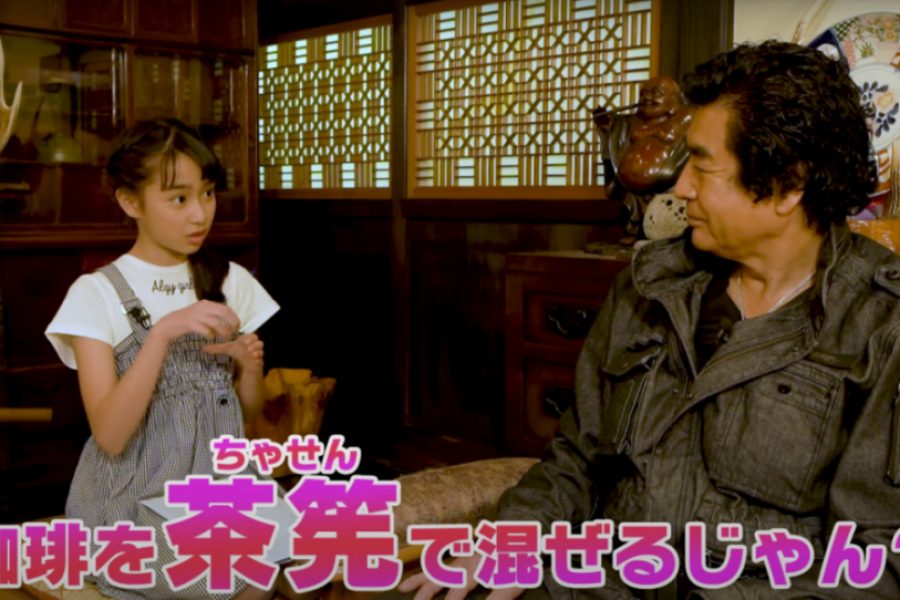
Introduction: Inspired by the tea ceremony, Japanese actor Hiroshi Fujioka incorporates matcha whisking techniques into coffee brewing, creating a unique dark-roast drip extraction method. This article details his 1:13 coffee-to-water ratio and 85°C water temperature settings, demonstrates how to use a tea whisk to create dense coffee foam, and includes practical pour-over tips and flavor experience analysis, taking you through the collision of tradition and innovation.
In the diverse world of coffee brewing, there are always some unconventional and interesting attempts worth exploring. Today we introduce a coffee brewing method created by a Japanese actor, which cleverly integrates elements of Japanese tea ceremony, making it unique.
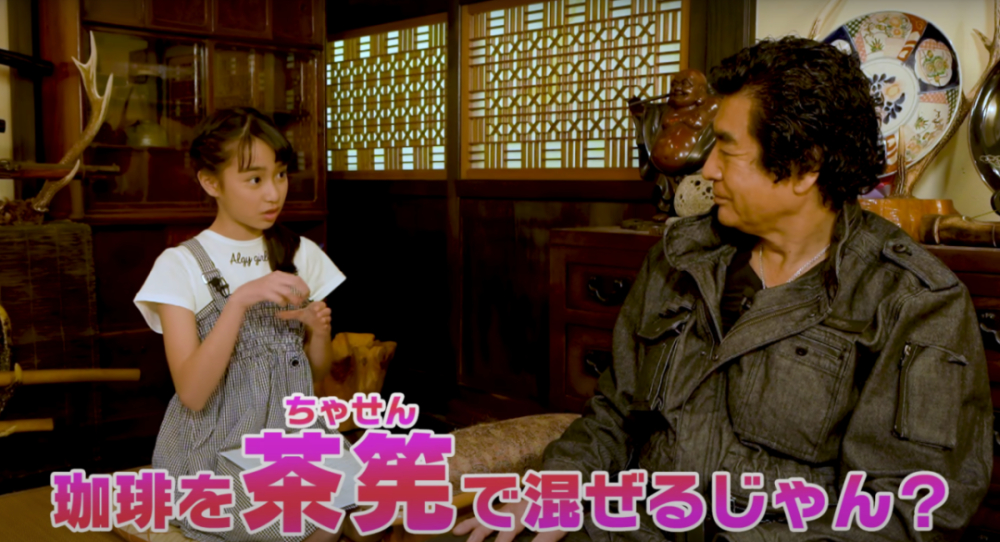
Before delving into this actor's unique coffee brewing method, let's briefly understand how matcha is prepared. Matcha holds an important place in Japanese tea ceremony and is a medium for tea ceremony practice. Typically, when preparing matcha, 2-4g of matcha powder is placed in a tea bowl, followed by 60-80ml of boiling water. Then, using a tool called a 'chasen' (tea whisk), the powder is first fully incorporated into the water, and then through specific motions, a thick, fine foam is whisked up.
So, what kind of spark would be created if this matcha preparation method were applied to coffee?
The protagonist of today's story, Hiroshi Fujioka, used a similar method to create his unique 'Way of Coffee.' Perhaps many people find the name familiar but can't recall where they've seen it; in fact, his main profession is an actor, and he even starred in the first Kamen Rider. Initially, his interest in coffee did not stem from the atmosphere of domestic Japanese cafes. Due to his acting work and volunteer activities, he traveled all over the world. In the process, he found that whether in developed Western countries or regions with physical conflicts, people would hand him coffee as a token of gratitude. This sparked a strong interest in coffee, and in different regions, he tasted local specialty coffees, thereby clearly knowing the coffee flavors he preferred.
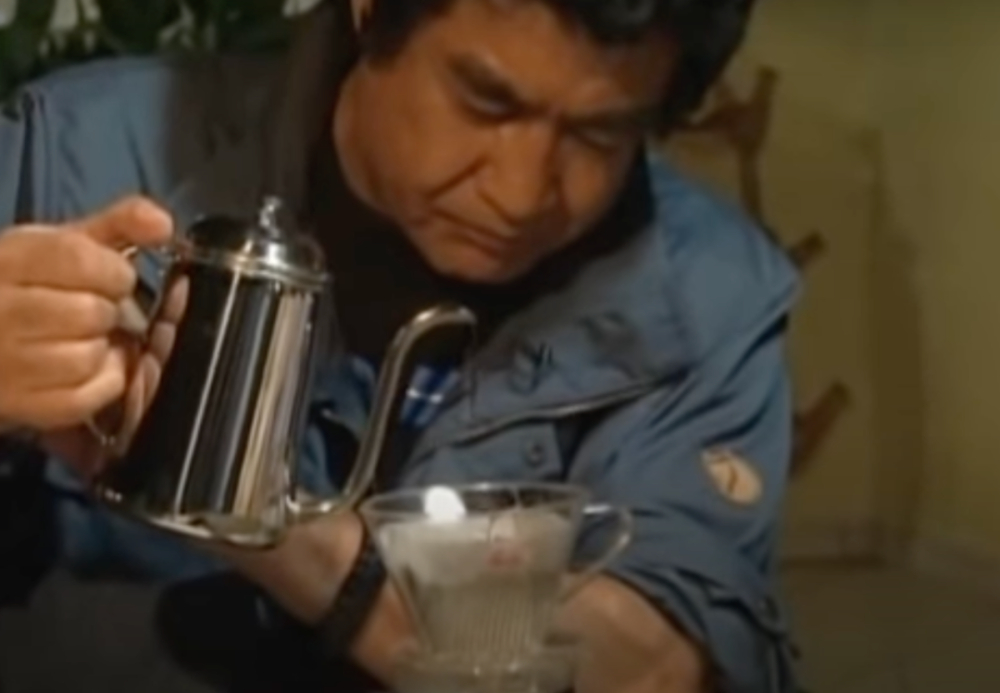
Next, let's detail Mr. Fujioka's coffee brewing method. He prefers Peruvian coffee beans, roasted using traditional Japanese dark roast. The grind is on the coarse side, the coffee-to-water ratio is set at 1:13, and the water temperature is controlled at about 85 degrees Celsius. The entire extraction process uses a drip method. First, the coffee bed is moistened by dripping for a 20-second bloom. After that, water is dripped throughout until the target amount is reached.
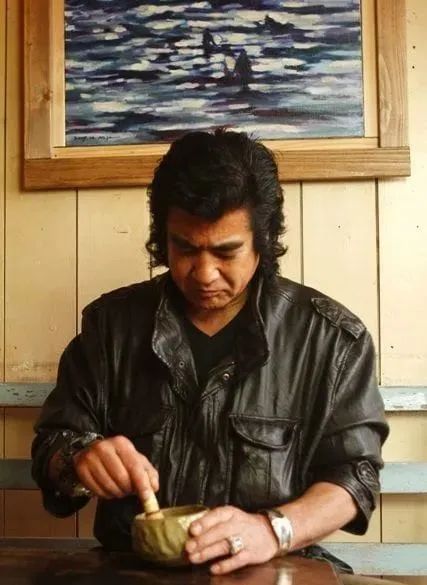
Then, some coffee liquid is poured into a tea bowl, and a tea whisk is used to stir (whisk) the coffee liquid until a fine, dense coffee foam is produced, which looks somewhat similar to espresso crema. This method of whisking coffee with a tea whisk was inspired by his mother's involvement in tea ceremony. By whisking up a thick, fine foam with the tea whisk, the coffee's aroma and the bitterness from roasting are firmly locked in, and the foam also adds a viscous, full-bodied mouthfeel to the coffee.
Of course, this interesting method is worth trying. Since Japanese-roasted beans that are shiny black were not available, someone used medium-dark roasted Blue Mountain coffee beans. After the coffee liquid was extracted, a tea whisk was used to whisk the coffee liquid in the same way as matcha. In the end, a fine foam was indeed produced, but it should be drunk as soon as possible, because in less than 10 seconds, the originally fine foam may turn into obvious coarse bubbles (presumably due to incorrect whisking technique).
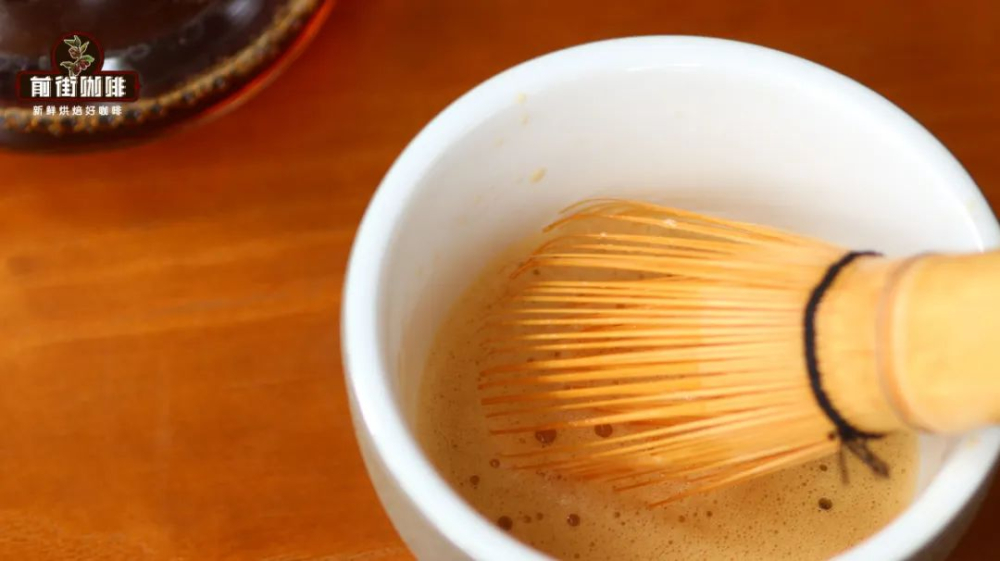
After tasting, it was found that this coffee does not taste very bitter; of course, the final flavor is closely related to the coffee beans used. If dark-roasted beans like Mr. Fujioka's are used, the taste might be completely different. However, its aroma and mouthfeel are indeed good, so you might as well try this unique coffee brewing method yourself.


