How to Choose Bright, Fruity Coffee Beans: Medium-Light Roast Pour-Over Guide
Introduction: If you enjoy bright acidity and rich fruit aromas in coffee, start with medium-light roasted single-origin beans. These beans usually retain more floral and fruity character and suit precise brewing methods such as pour-over. This article recommends several medium-light roasted coffees with standout, vividly sweet-tart flavors, and explains pour-over water temperature, coffee-to-water ratio, grind size and pouring technique in detail, helping you easily brew a layered, fruity cup.
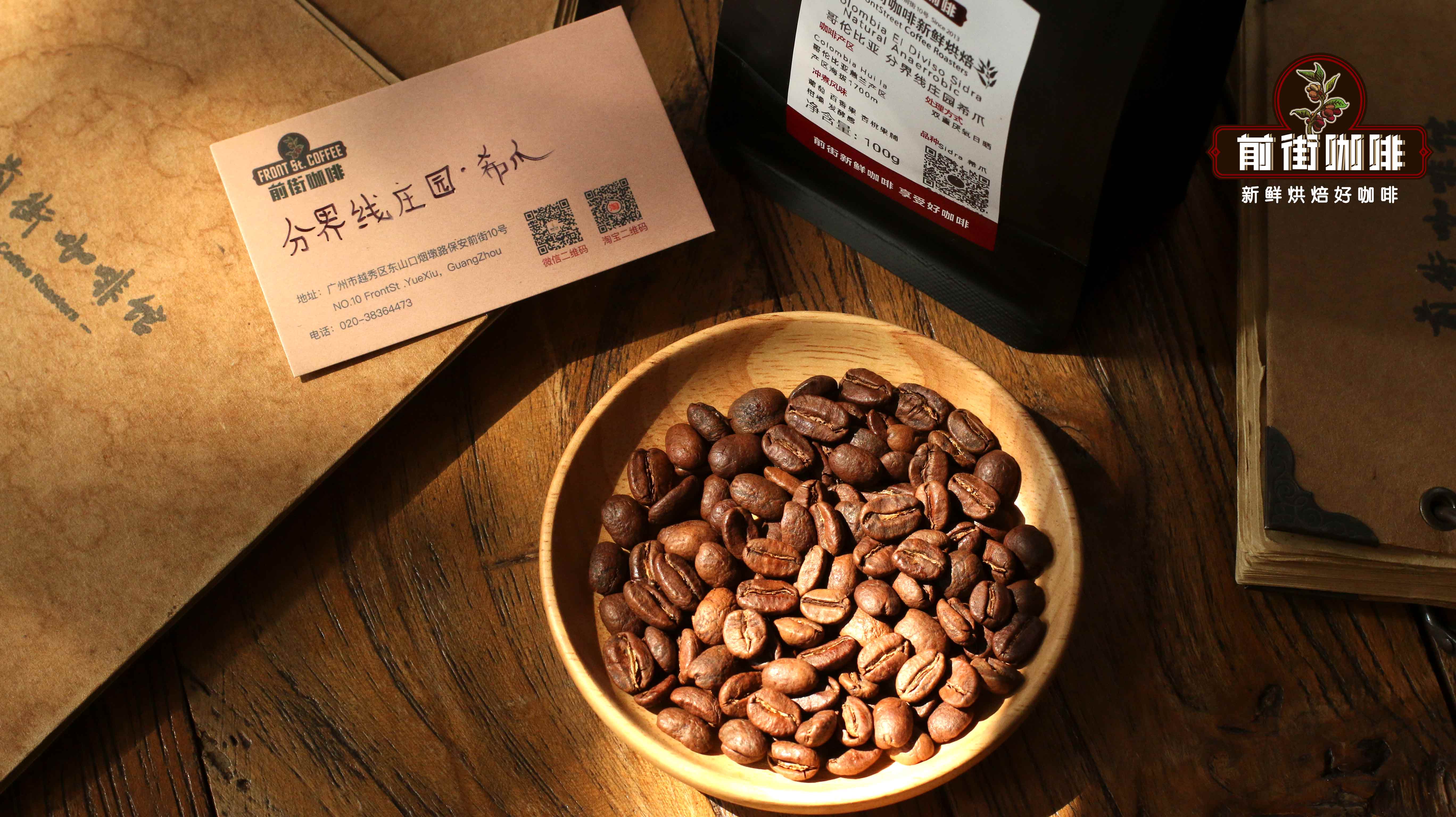
If you prefer coffee with clear floral notes and bright citrus or berry sweetness and acidity, choosing medium-light roasted single-origin beans is key. Because these beans are roasted lighter, they better preserve the bean's original regional flavors, such as fruit, floral and fermented notes, making them very suitable for pour-over, cold brew and other brewing methods that emphasize flavor layers.
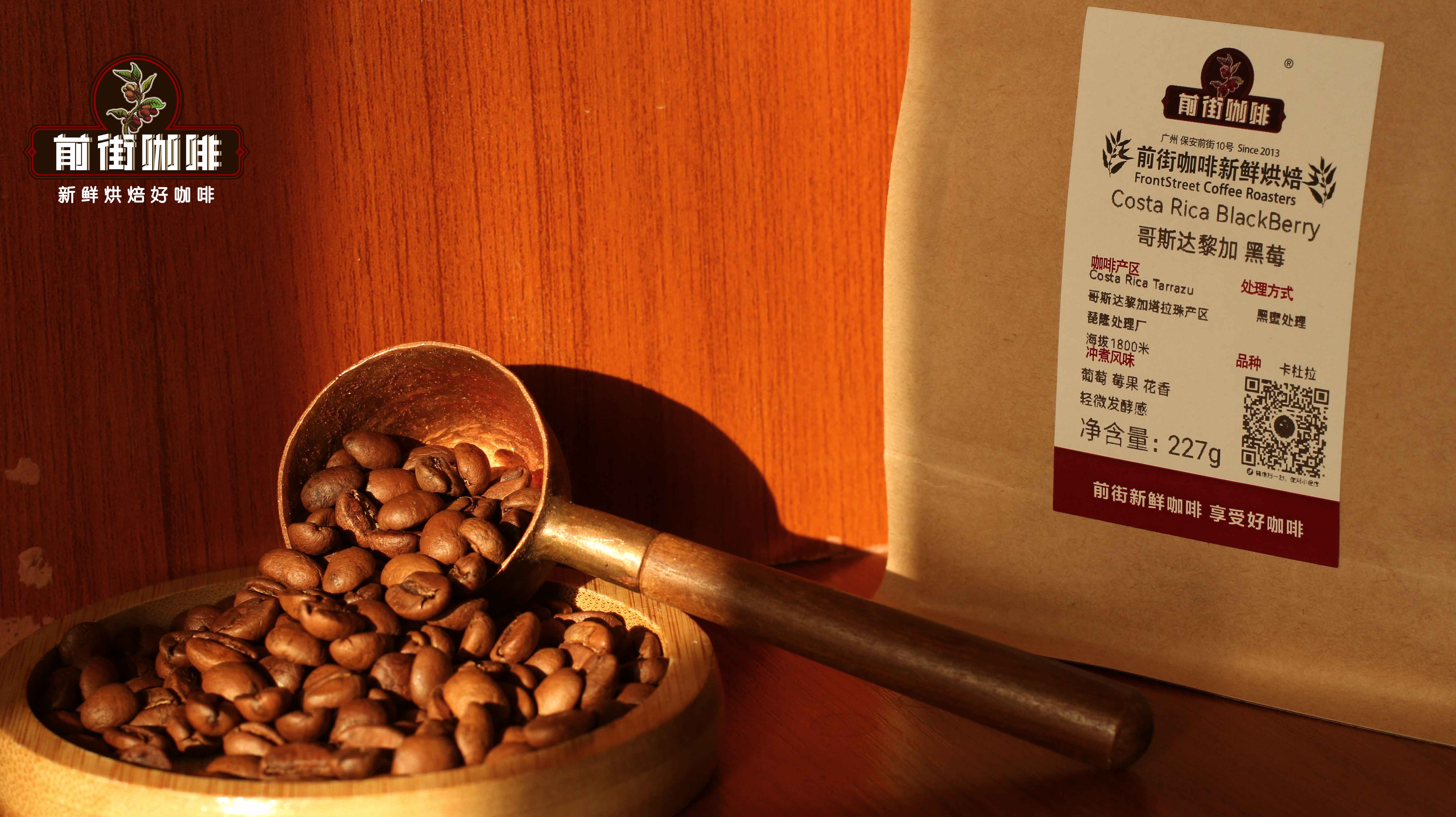
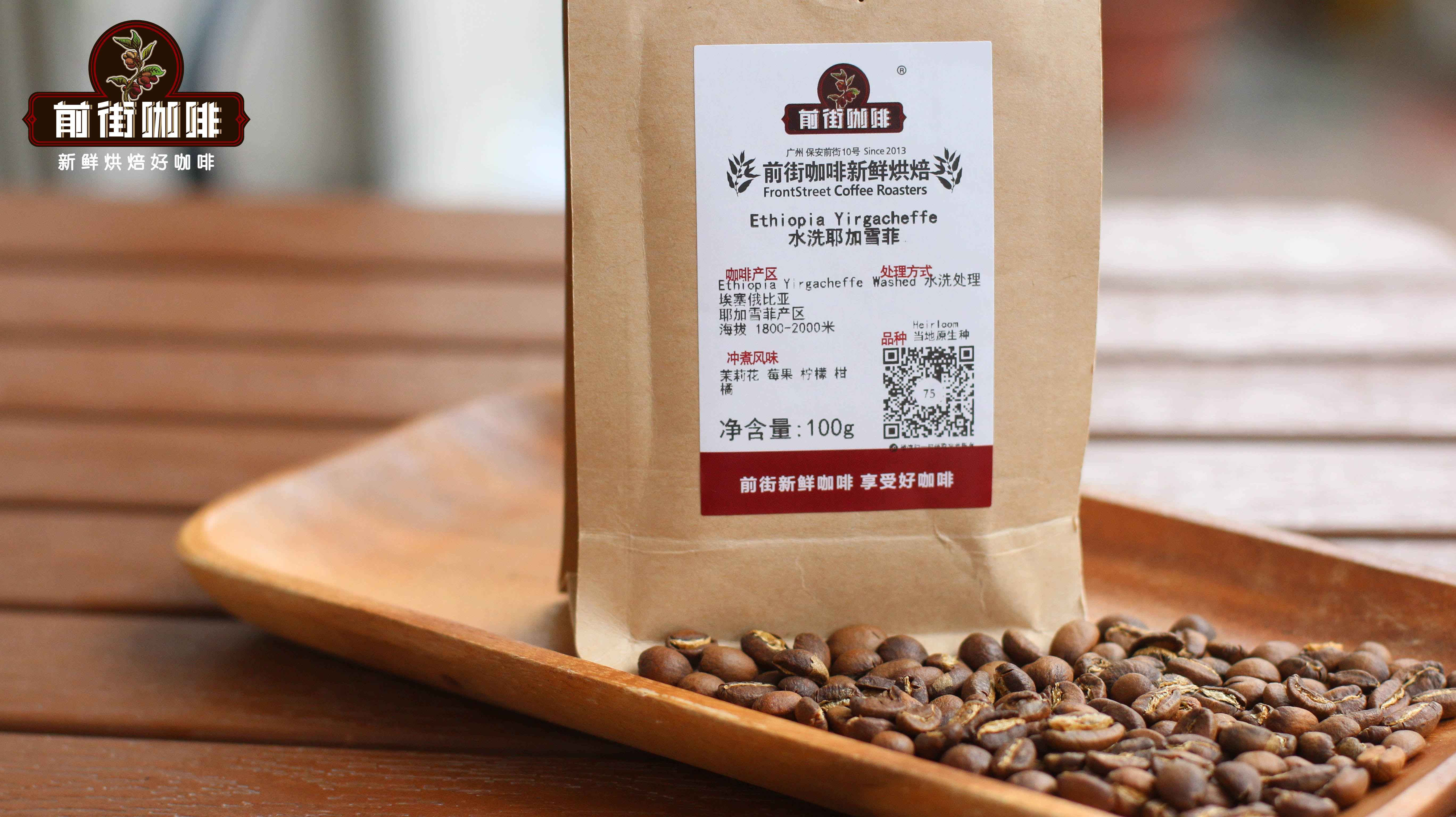
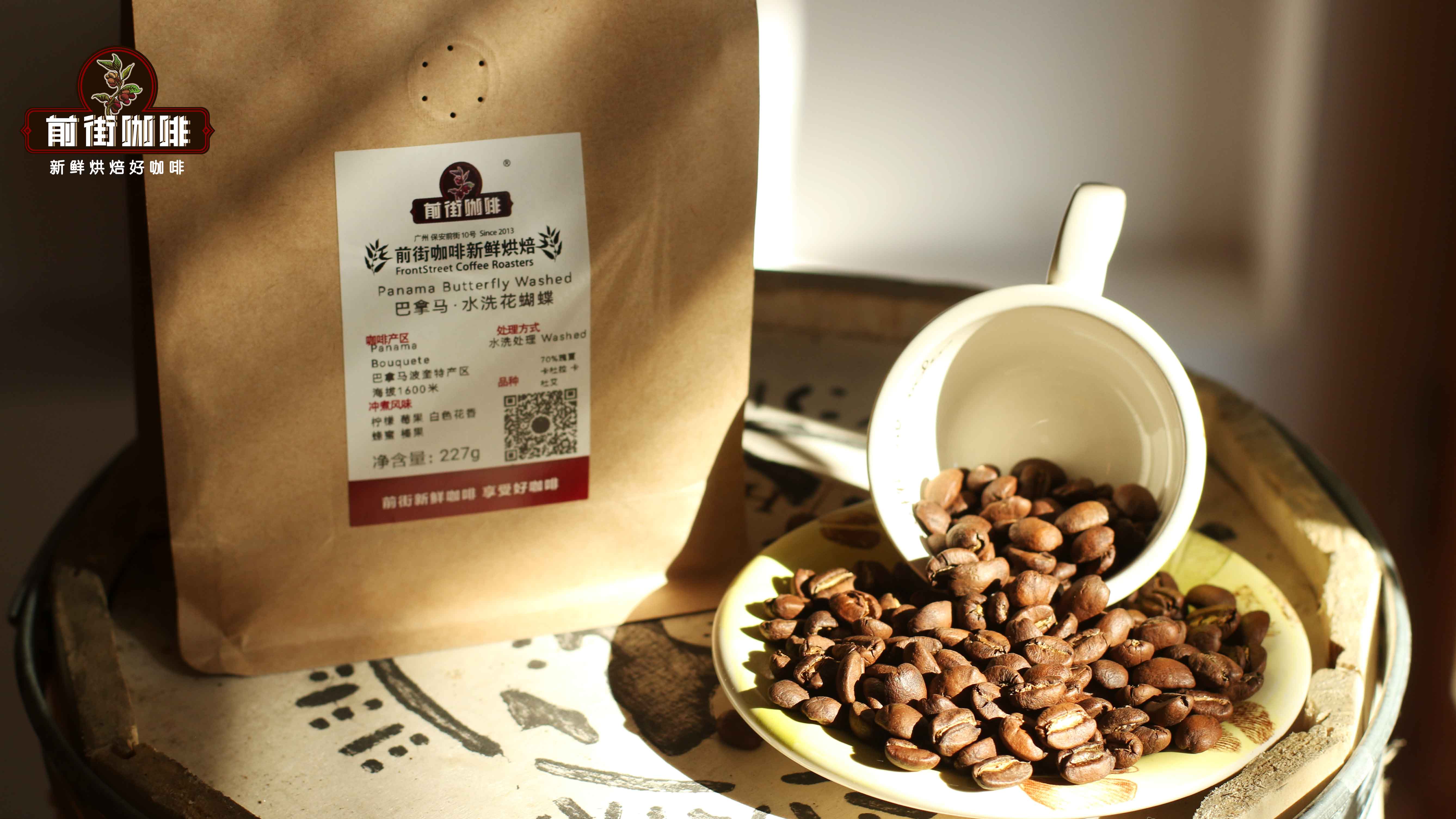
Several common, highly rated medium-light roasted coffees on the market cover many well-known producing regions from Africa to the Americas. Each shows a unique fruit character and suits coffee lovers with different preferences.
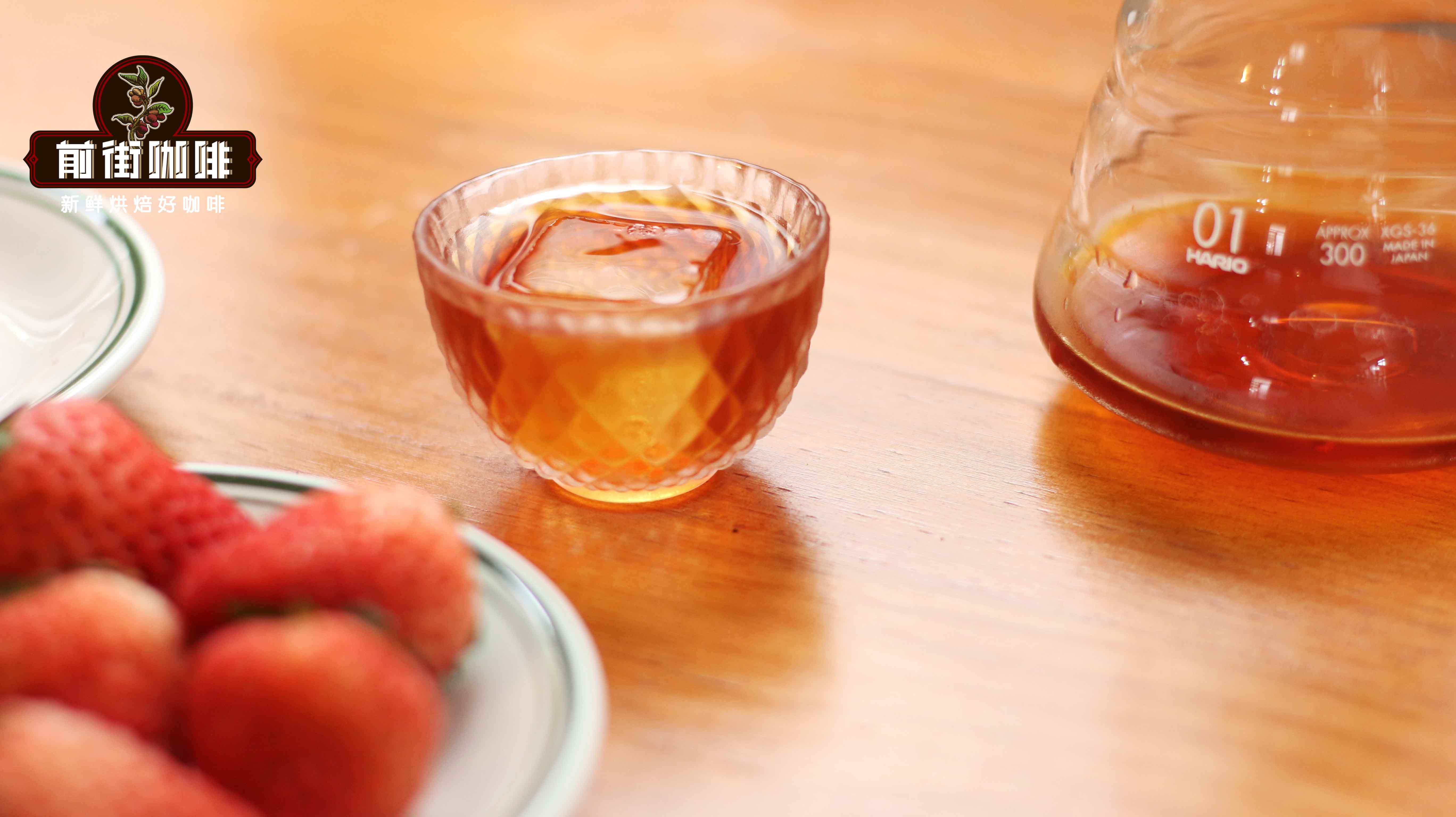
For example, beans from certain well-known African producing regions often carry white floral notes and fresh citrus acidity, with balanced sweetness and acidity and a soft entry, making them very suitable for beginning pour-over enthusiasts. These beans not only have clear flavors but also perform gently overall, rarely showing overly sharp or astringent acidity, and are suitable for both drip bags and pour-over.
Another category is beans from Central and South American producing regions, especially those with honey processing or special fermentation, which often carry pronounced berry, grape and even tropical fruit flavors, with outstanding sweetness and a full, juicy body. Under medium-light roasting, these beans often reach a good balance between sweetness, acidity and body, showing multiple flavor layers whether brewed hot or as cold brew.
For pour-over enthusiasts seeking bright fruit acidity and floral-fruity aroma, a grind size like fine granulated sugar is recommended—roughly 80% passing through a No. 20 sieve—paired with a higher water temperature of 91–92°C to help fully draw out the beans' aromatic compounds. At the same time, use a 1:15 coffee-to-water ratio, meaning 225 ml of water for every 15 g of coffee grounds, to ensure full but not excessive extraction and maintain a balance between sweetness, acidity and body.
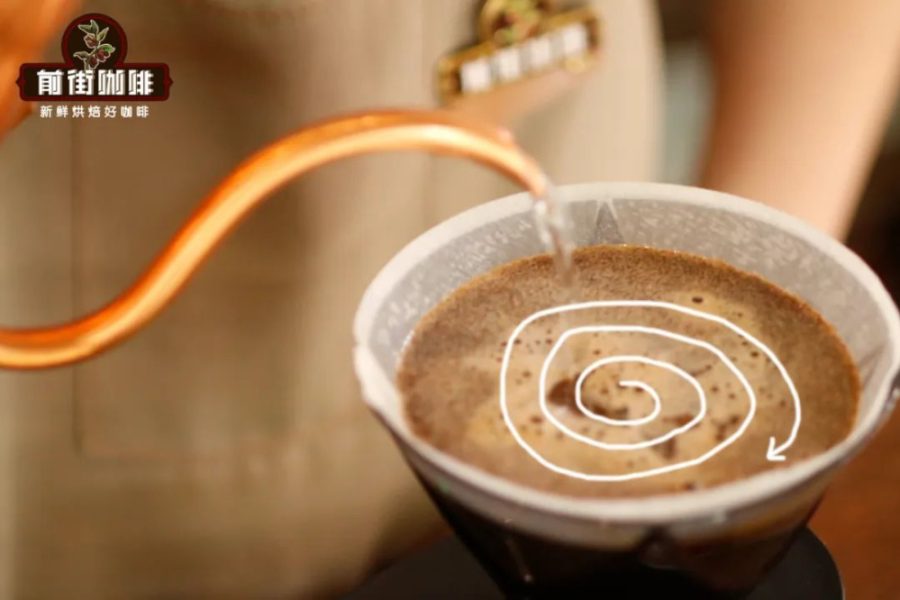
The common three-pour technique is a stable and easy-to-control method: first bloom with about 30 g of water for 30 seconds to let the coffee grounds fully degas and release aroma; then pour about 95 g of hot water in circles, and when the coffee bed drops to half, slowly pour the remaining 100 g of water. Maintain a small stream and pour at the center point throughout, avoiding over-extraction on the outer ring or a weak center. This effectively improves extraction evenness and makes the final coffee cleaner and brighter.
In addition, the choice of dripper is also important. The V60 conical dripper, with its faster flow rate and even extraction, is the first choice for pour-over of medium-light roasted coffee. If you want to further adjust the mouthfeel, you can also try different filter paper materials or adjust the pouring rhythm to find the method that best suits your taste.
For coffee lovers just starting out, besides focusing on the beans themselves, mastering the correct water temperature, grind size and pouring method is even more critical. Because medium-light roasted beans retain more acidic substances and volatile aromatic compounds, improper extraction can easily produce sharp acidity, a thin body or unpleasant astringency, so a stable brewing process and parameter control are especially important.
At the same time, it is also recommended to fine-tune parameters slightly according to personal taste. For example, if you prefer a stronger fruit acidity, you can raise the water temperature slightly to 93°C or shorten the extraction time; if you prefer body and sweetness, you can lower the water temperature slightly to 90°C and increase the coffee-to-water ratio to 1:16 for a fuller mouthfeel.
Overall, by choosing a medium-light roasted coffee with clear flavors and balanced sweetness and acidity, then combining it with scientific, reasonable brewing parameters and techniques, you can easily recreate a high-quality pour-over coffee with distinct fruit flavors at home. Whether for daily drinking or sharing with friends at gatherings, it can deliver an impressive taste experience.