Milk Brewed Coffee: A Practical Guide to Cold Brew Milk Coffee

Introduction: Many people wonder whether milk can be used for pour-over or cold brew coffee, and the answer depends on the brewing method. High-temperature pour-over is not suitable for adding milk, but low-temperature cold brew can unexpectedly blend into a rich, mellow mouthfeel. This article explains the science behind combining milk and coffee, shares operating parameters for cold brew milk coffee and tips for choosing coffee beans, and includes a complete 12-hour immersion process to help you make homemade milk coffee at home that comes close to an iced latte in flavor.
Brewing pour-over coffee directly with milk? This idea seems simple, but it actually hides two key problems. The first is the temperature limit—standard pour-over water temperature usually exceeds 90°C, and the amino acids in milk will undergo Maillard reaction derivative reactions with sugars at high temperatures, producing fructoselysine-type substances that may affect health. The second is extraction efficiency: milk itself is high in protein and fat, which hinders the dissolution of coffee flavor compounds, resulting in a final drink that is flat and tasteless.

But switch to a low-temperature cold brew method, and the situation is different. A refrigerated environment of 4-8°C both prevents milk from spoiling and compensates for inefficient extraction by extending the immersion time. This immersion-style extraction does not rely on hot water impact, but instead lets coffee grounds and milk slowly blend, making it particularly suitable for preparing a milk coffee base.
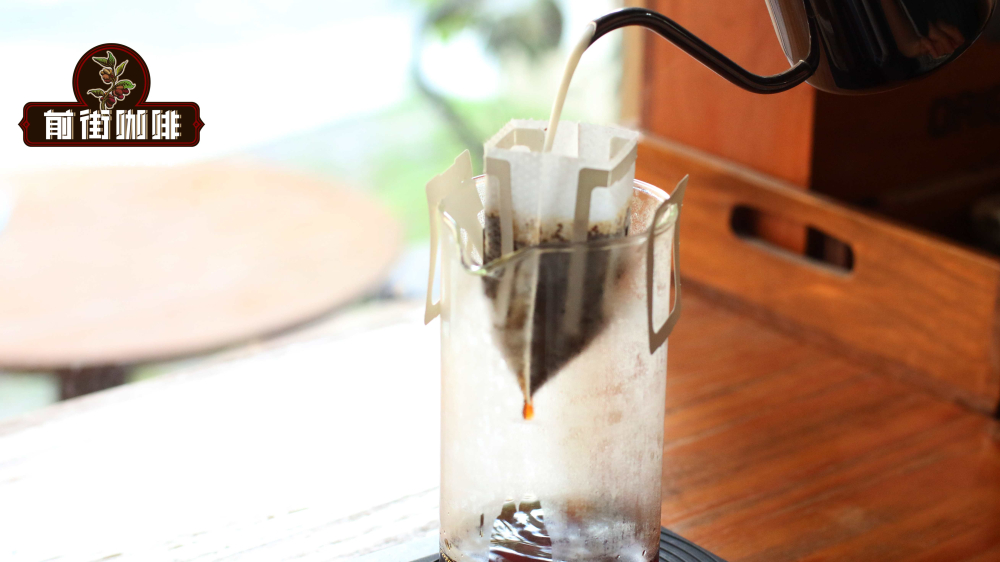
The choice of coffee bean roast level directly affects the final flavor. Medium-dark roasts (such as common beans at the dense second crack stage) usually present dark chocolate, caramel sweetness and roasted nut notes, which can form complementary layers with the creamy aroma of milk. If you prefer a richer mouthfeel, consider dark roast beans, which often have a fuller body and a lasting sweet aftertaste.
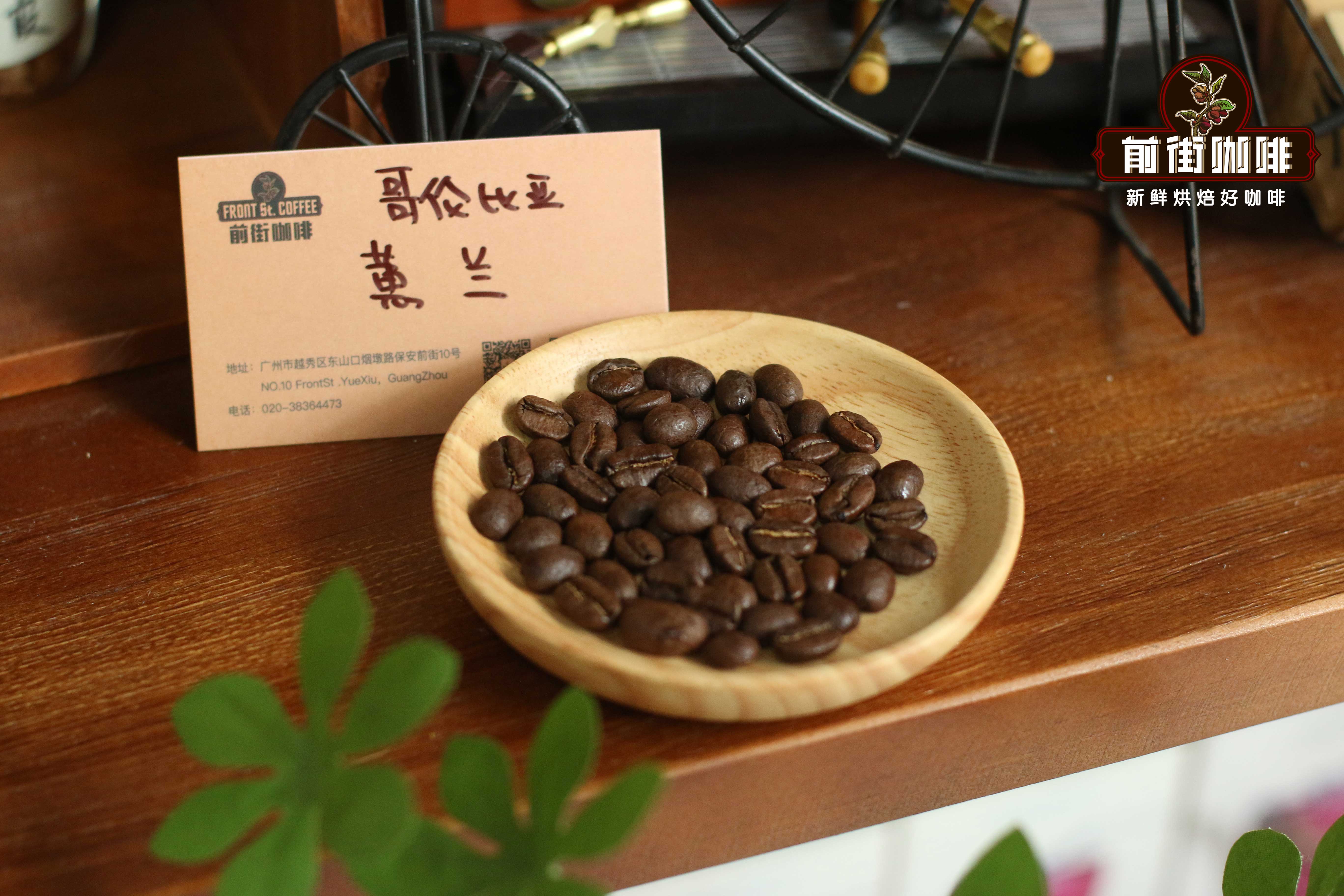
This test used an espresso blend (with a balanced flavor combination reminiscent of vanilla cream, sherry and brown sugar), cold brewed at a 1:8 coffee-to-liquid ratio (25 grams of coffee grounds to 200 milliliters of fresh milk). Key steps include: grinding the coffee beans to a fine sugar consistency (recommended to test with a No. 20 sieve, with a target pass rate of about 85%), and putting the grounds into a filter bag to avoid the trouble of subsequent filtering.

After immersing the filter bag in milk, make sure it is fully wetted—you can gently shake the container or use a stirring stick to help. When sealing and refrigerating, note two points: first, air must be completely isolated to prevent oxidation; second, it is recommended to place the container in the constant-temperature zone on the lower shelf of the refrigerator. 12 hours is a verified balance point; too short will lead to insufficient extraction, while too long carries the risk of milk spoiling.
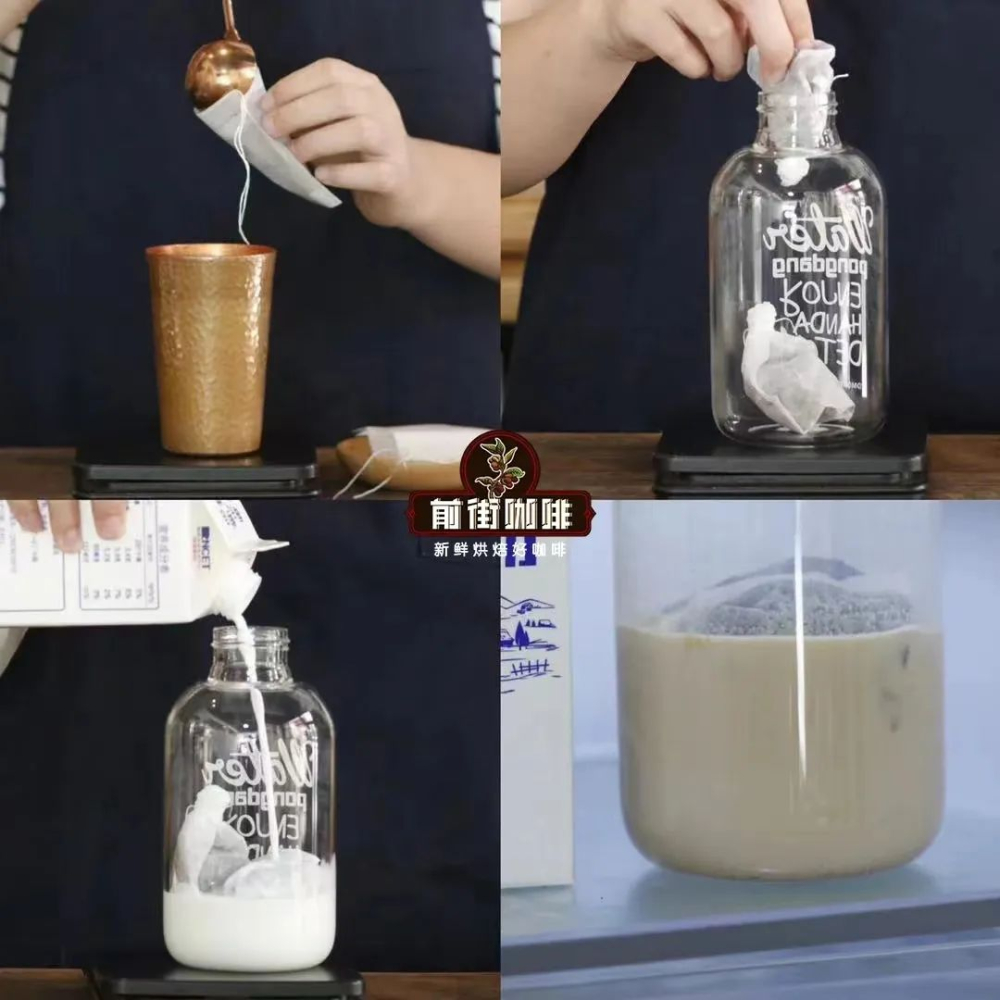
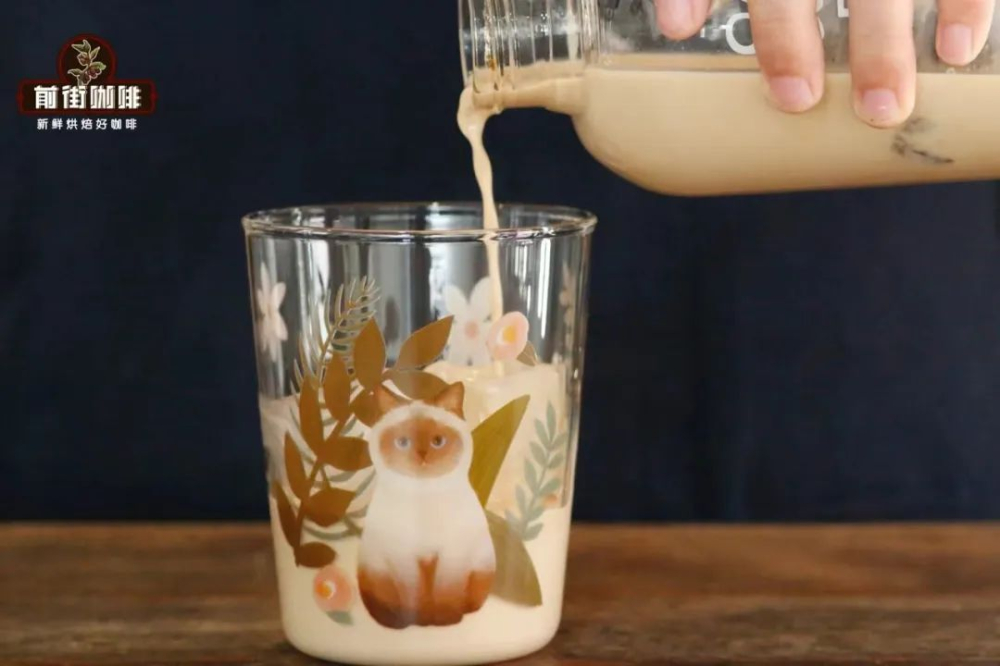
After immersion is complete, remove the filter bag to obtain milk coffee with a color close to an iced latte. At this point you will clearly perceive the combination of sherry-like fermented aroma and lactose sweetness, with a smooth texture similar to chocolate milk on the palate. If you want to improve the drinking experience, you can add ice cubes to cool it down and dilute it to your preferred concentration.