Pour-Over Coffee Guide: Grind Size, Water Temperature and Ratio
Introduction: Can't seem to brew pour-over coffee at home that tastes like the café version? This article explains the core parameters and key operational points of pour-over coffee in detail, including how to screen grind size, water temperature control ranges, coffee-to-water ratio pairings and pouring technique points, and analyzes the causes of common problems through the state of the coffee bed, helping you precisely adjust your brewing plan and easily improve the flavor performance of your coffee.
Many coffee enthusiasts report that even though they bought the same coffee beans as the shop, brewing them at home delivers greatly diminished flavor—either thin and tasteless, or overly bitter. In fact, the problem often lies in the brewing parameters and operational details. To master the correct pour-over method, you first need to precisely control grind size.
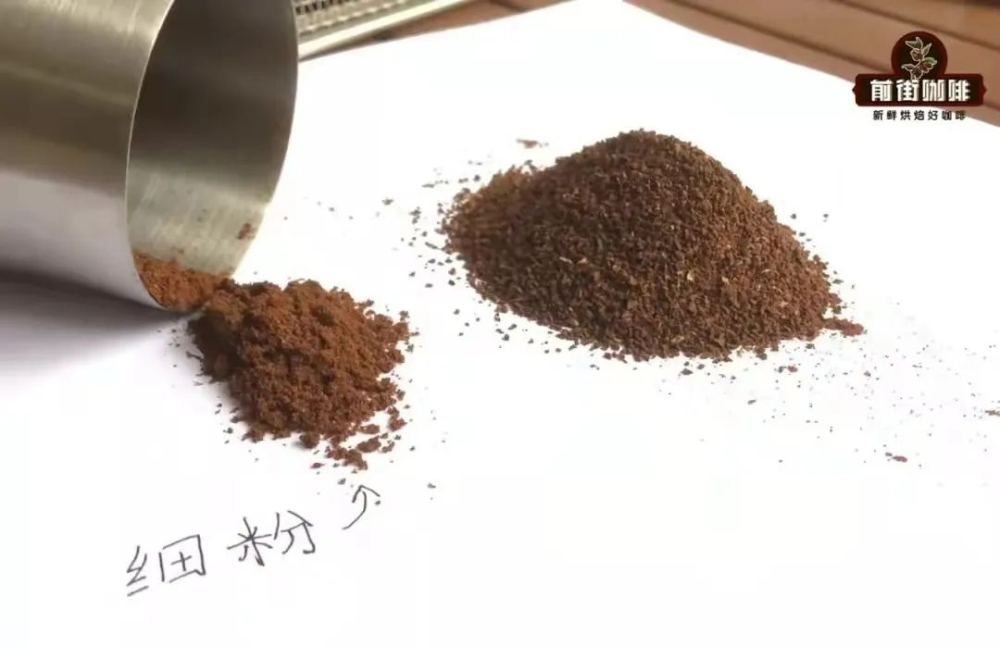
1. Grind size: the foundation that determines coffee flavorThe coarseness of the coffee grounds directly affects extraction efficiency. Too coarse leads to insufficient extraction of flavor compounds, while too fine easily causes over-extraction and bitterness. It is recommended to use a No. 20 standard sieve for testing: a pass rate of 70%-80% is the general range (if you don't have a sieve, it's worth buying one first; the price is usually under 50 yuan). Specific scenarios require adjustment—medium-light roasted beans are suited to a 75%-80% pass rate (retaining more acidity and floral/fruity notes), while medium-dark roasts should be controlled at 70%-75% (highlighting a fuller body).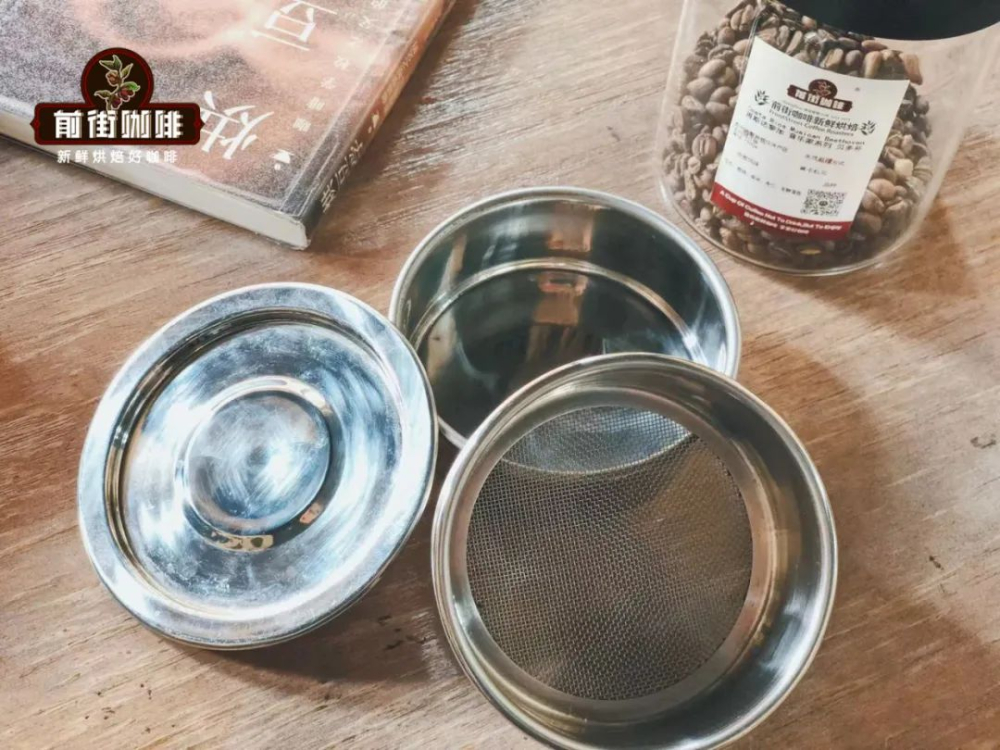
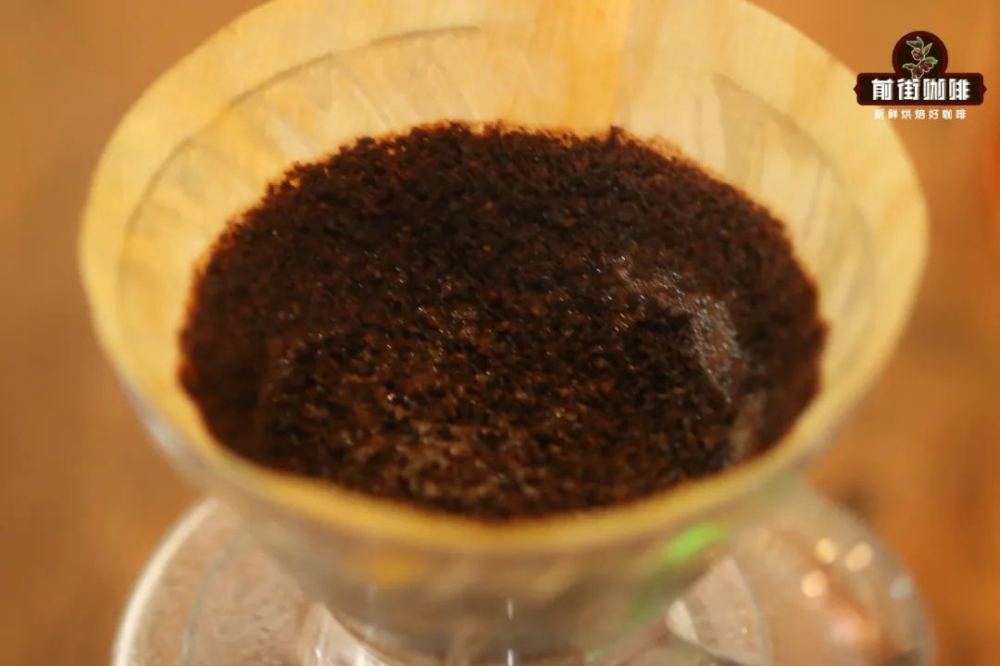
How can you judge whether the grind is appropriate from the coffee bed? If the coffee is bland and lacks layers, and the coffee bed shows coarse particles with edge particles washed apart by the water stream, while the pouring speed is too fast (normally 15 grams of coffee at a 1:15 ratio with three-stage extraction should take about 2 minutes), it is most likely ground too coarse.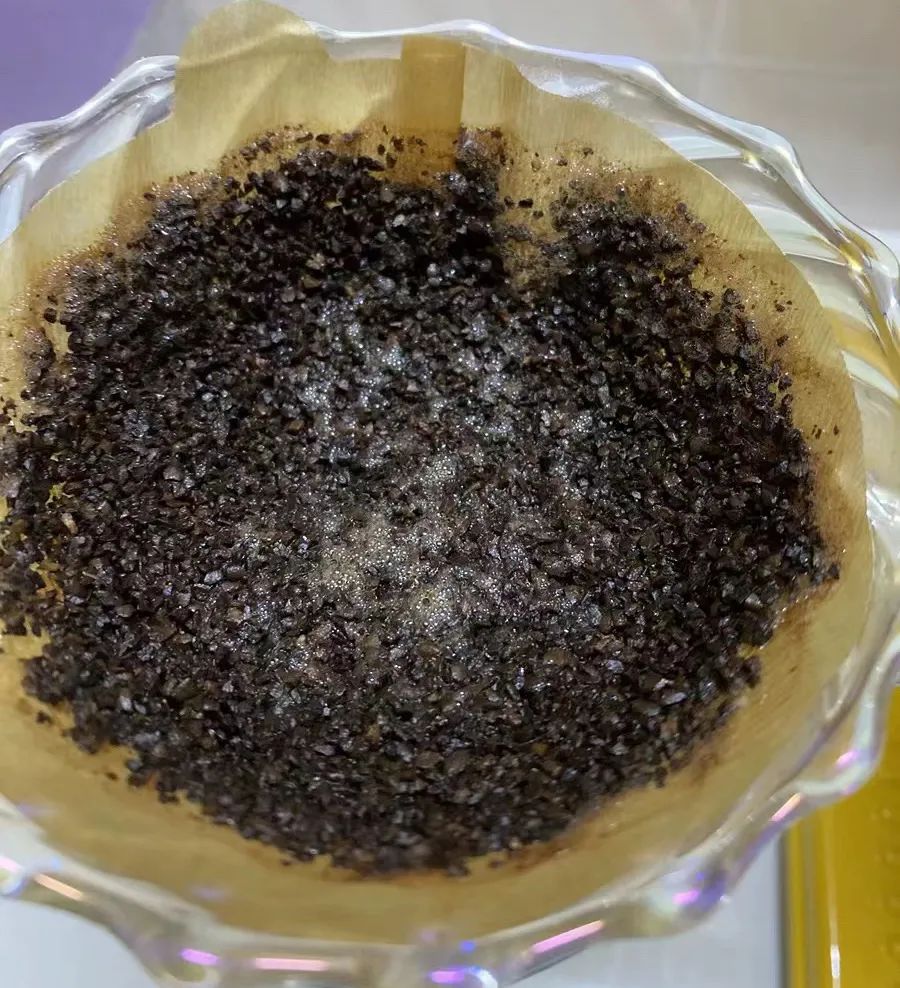 Conversely, if the coffee bed shows a muddy accumulation (fine particles clumping) and the taste is bitter and sharp, it indicates the grind is too fine or there are too many fines.
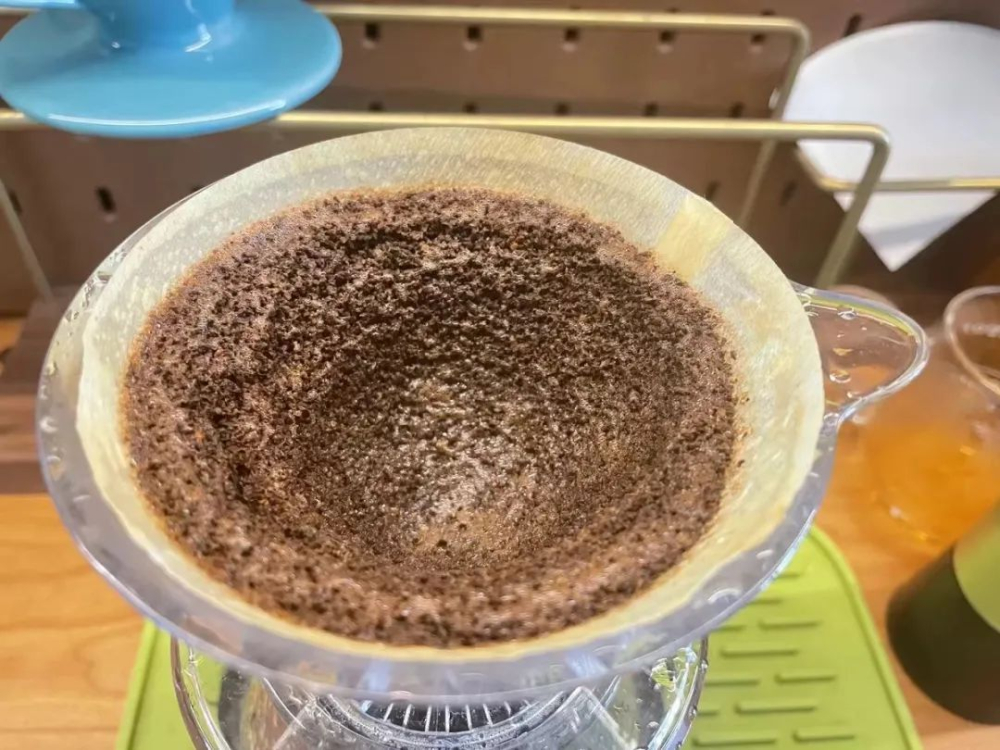 A more complex situation is a polarized particle size distribution—large particles float on the surface delaying extraction, while small particles sink to the bottom and clog the filter holes, resulting in over-extracted bitterness at the bottom coexisting with under-extraction at the surface. In this case, a sieve can be used to remove fines smaller than 0.2 mm to improve it.
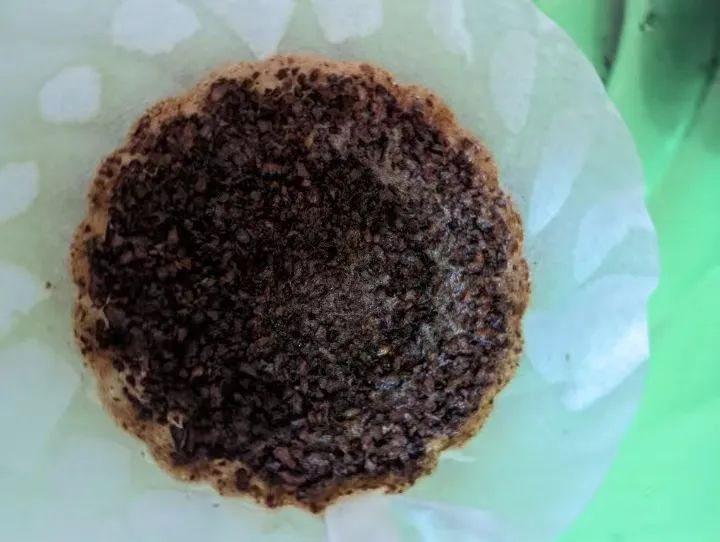
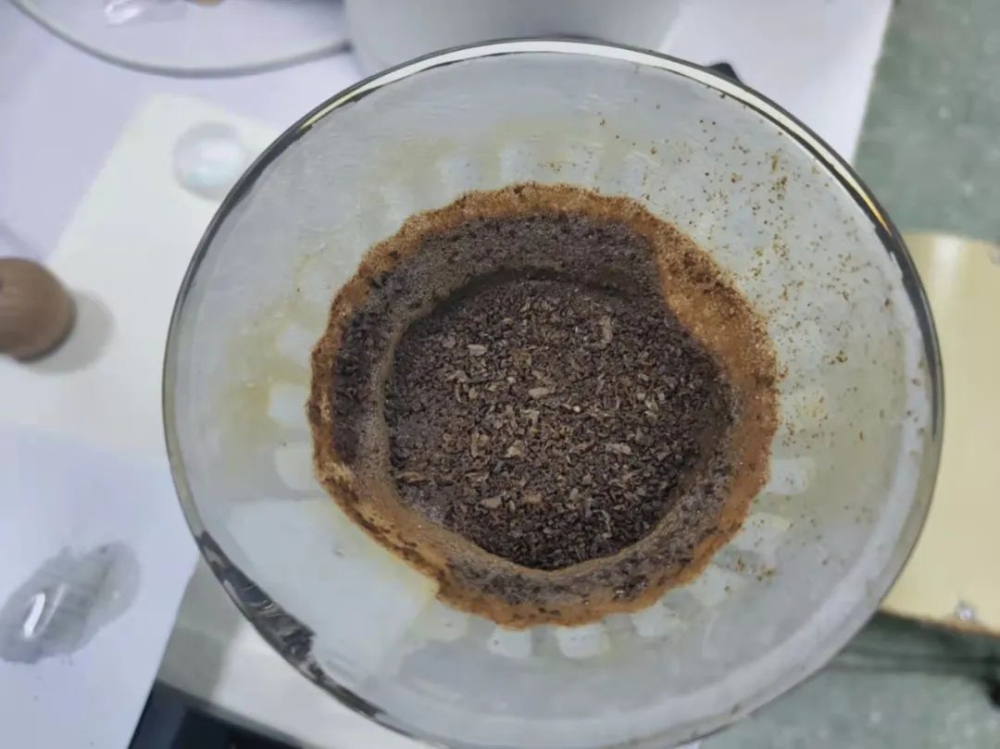
2. Pouring technique: the key affecting extraction uniformity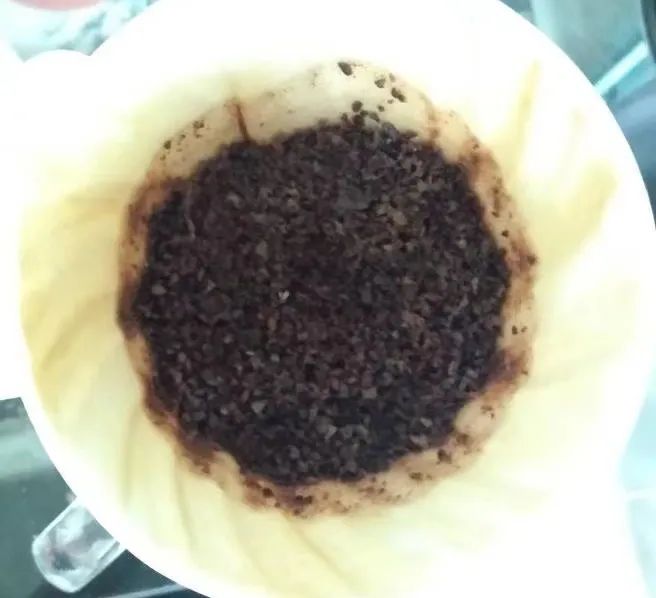 When the grind size is confirmed to be correct but the flavor is still poor, check the pouring operation. Common problems include: the water stream directly hitting the dripper's ribs and causing bypass flow (some water not contacting the coffee grounds), the water level rising too high during staged pouring and breaking through the coffee wall, and a fixed circling range forming a stepped coffee wall. These all lead to local under-extraction or over-extraction. An ideal coffee bed should be a uniform bowl shape, with consistent wall thickness naturally tapering to a flat bottom, ensuring water passes through evenly.
3. Coffee-to-water ratio: the golden formula balancing concentration and flavorA ratio of 1:15 or 1:16 is recommended (for example, 15 grams of coffee to 225-240 milliliters of water). The 1:15 ratio gives a richer, fuller flavor and suits dark roasts; 1:16 highlights fresh acidity and floral notes, fitting light roasts such as Geisha. Be careful to avoid cutting off the flow early—even if a small amount of coffee liquid remains at the bottom of the dripper, stopping the pour arbitrarily will change the actual coffee-to-water ratio and affect the final taste.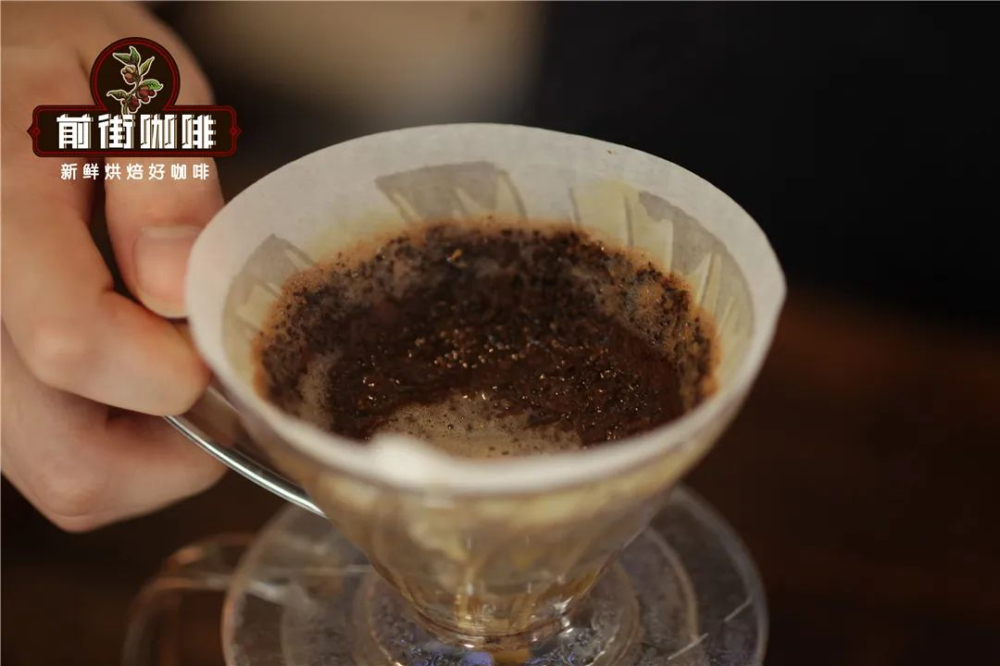
4. Water temperature: the temperature code for fine-tuning flavorThe mainstream recommended water temperature range is 86-93°C, and it should actually be adjusted according to roast level: medium-light roasts (such as Ethiopian natural) are best at 90-93°C to bring out bright acidity and aroma, while medium-dark roasts (such as Sumatra) should use 86-89°C to avoid excessive bitterness. If brewing at the recommended temperature still tastes too sour, try raising it by 1-2°C; if bitterness stands out, lower it by 1-2°C for fine-tuning.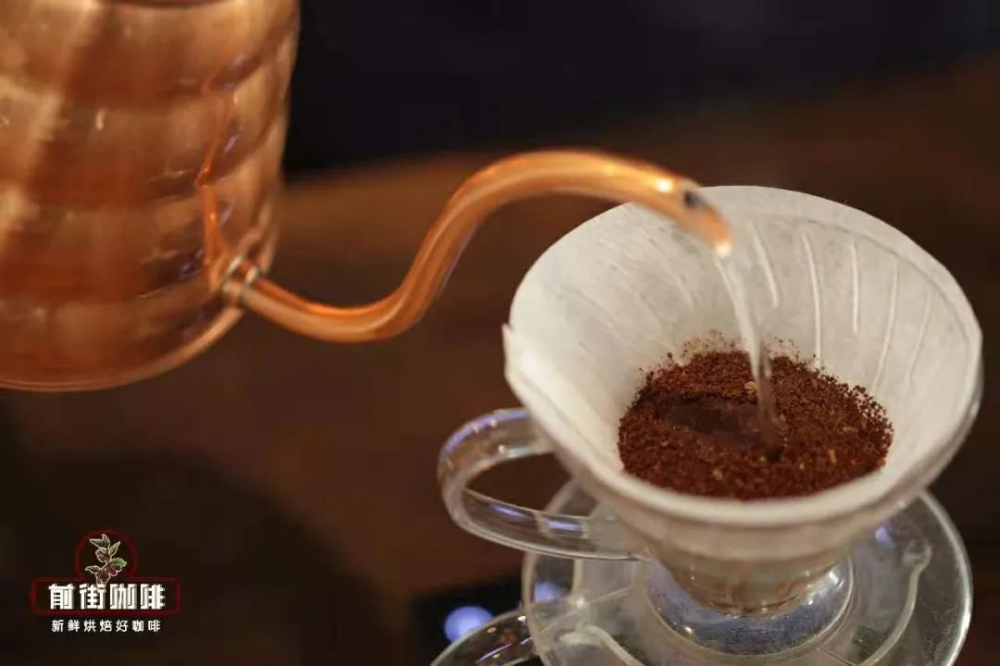
In summary, quality control in pour-over coffee requires comprehensive consideration of four major elements: grind precision, pouring technique, coffee-to-water ratio and water temperature control. By observing the state of the coffee bed (particle uniformity, wall shape, drainage speed) to quickly locate problems and making targeted adjustments, even beginners can gradually brew a flavor performance close to professional level.


