Espresso Water Temperature: Controlling Flavor and Crema
Introduction: Water temperature is one of the core parameters affecting the extraction quality of espresso, yet it is often overlooked. From burnt bitterness to sourness, from crema richness to flow rate stability, changes in water temperature directly alter the flavor expression of coffee. This article will provide an in-depth analysis of how water temperature affects the espresso extraction process, offer temperature setting recommendations for different scenarios, and reveal the difference between boiler temperature and actual extraction temperature, helping you precisely control the flavor balance of every cup of espresso.
When discussing the extraction parameters of espresso, grind size, dose, extraction time and others are often the focus of discussion, while water temperature—a key factor—is rarely explained in detail. This is not because it is unimportant, but because in the early days many coffee machines had boiler water temperature fixed at the factory setting, and adjustment operations were complicated, leading practitioners to prefer adapting water temperature through other parameters. However, with technological advances, high-end coffee machines launched in the past decade generally support custom water temperature, making it an important variable for optimizing extraction results.
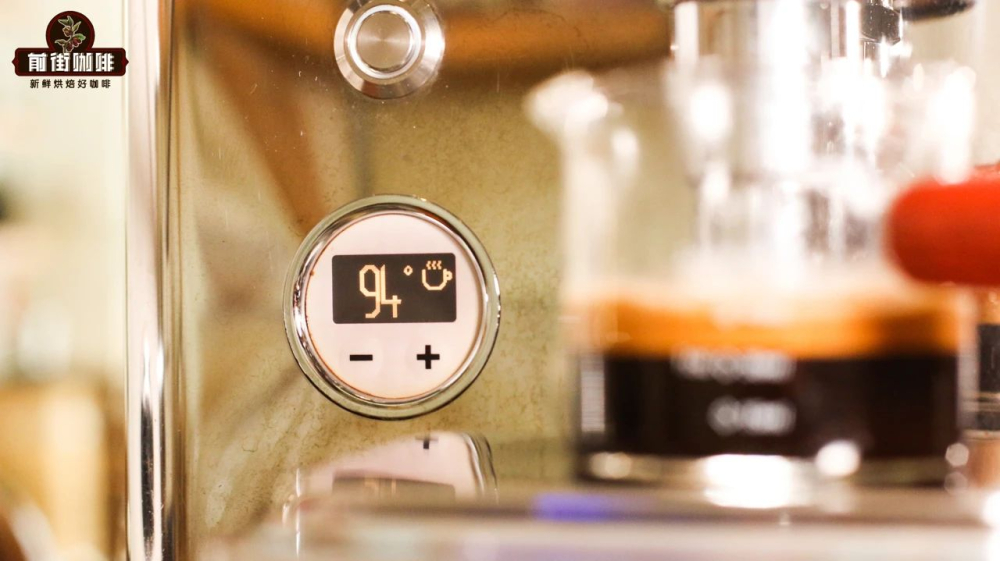
So what is the appropriate water temperature setting for a coffee machine? Generally speaking, 85-95°C is a reasonable range, and some models default to a relatively high setting of 92-96°C. This is consistent with the logic of pour-over coffee water temperature—high temperatures accelerate the extraction of substances, enhancing the coffee's intensity and complexity, but may also bring the risk of over-extraction; low temperatures result in lower extraction efficiency and thinner flavor.
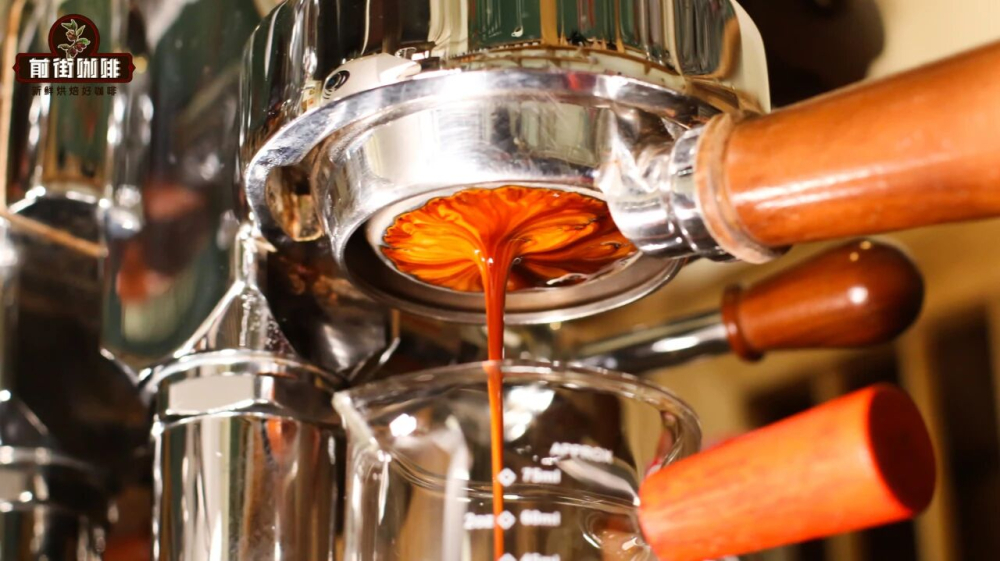
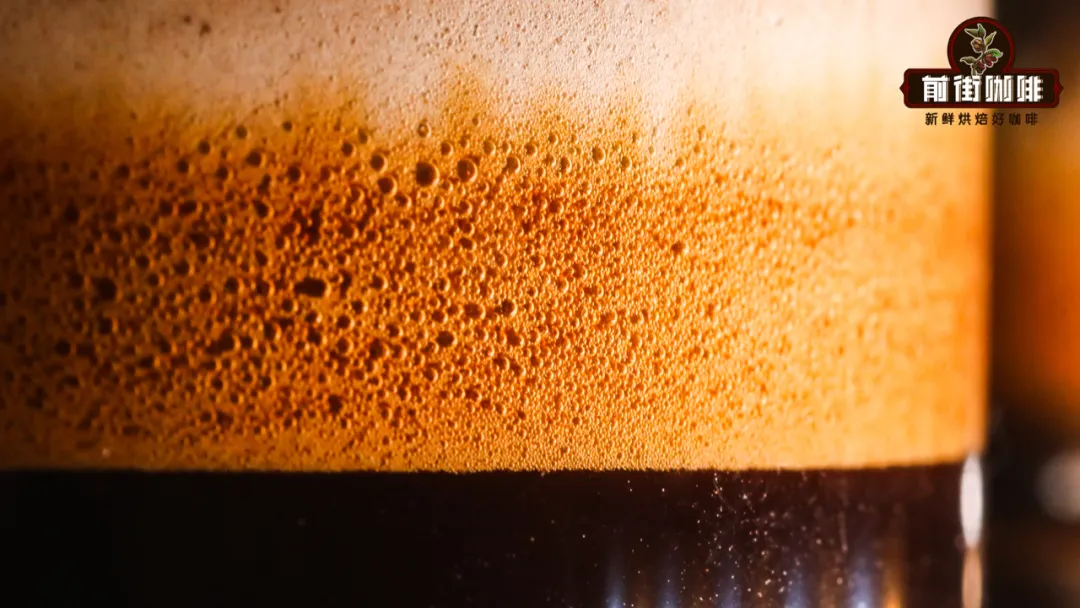
For espresso, the influence of water temperature is even more significant. If set too high (e.g., above 96°C), the coffee easily presents burnt bitterness or even woody off-flavors, but high temperatures help form thicker crema; the traditional combination of dark-roasted beans with high-temperature extraction is precisely to balance bitterness and crema performance, while controlling extraction time within 20-25 seconds to avoid worsening burnt flavors. Conversely, water temperature that is too low leads to prominent acidity, a thin and unstable crema layer, which is why early machines rarely dropped water temperature below 92°C.
Water temperature also directly affects the flow rate performance of coffee extraction. Under high-temperature conditions, the coffee puck expands from heat and releases internal gases (such as carbon dioxide); these gases temporarily obstruct water flow and gradually convert into crema as extraction progresses, causing the flow rate to shift from slow to steady. Under low-temperature conditions, water flow resistance is lower and the flow rate noticeably speeds up—in extreme cases, if extraction is forced right after the machine is started when the boiler water temperature is only about 60°C, not only is the time greatly shortened, but the coffee's taste becomes sharply sour and astringent due to under-extraction. In addition, small-boiler models that make frequent consecutive cups may experience abnormal flow rate fluctuations because the water temperature has not fully recovered after refilling.
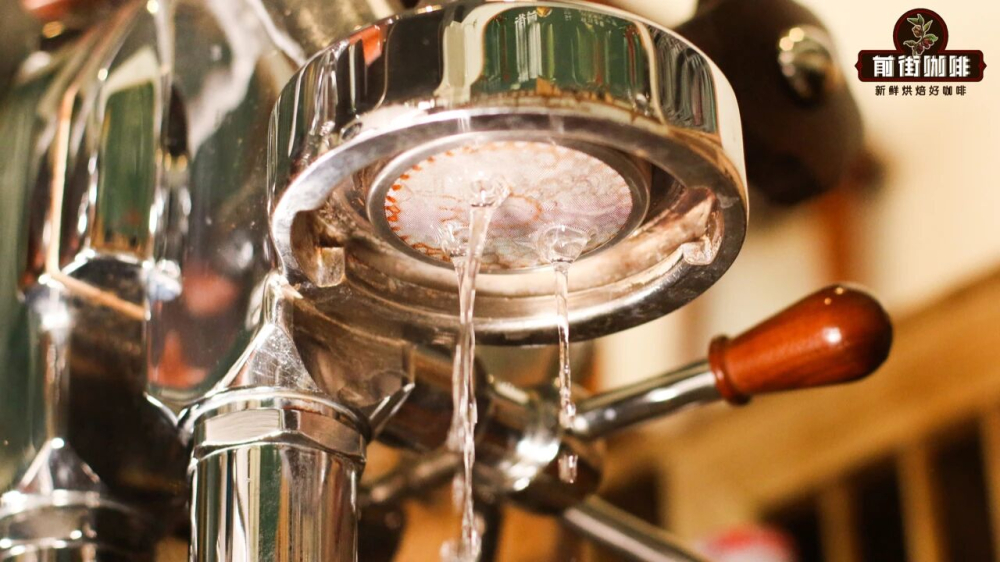
It should be noted that the "boiler water temperature" set by the user is not entirely equivalent to the actual extraction temperature. When water flows from the boiler through the dispersion screen and the portafilter (basket) to the coffee bed, deviations occur due to heat dissipation or absorption from contact with metal parts. For example, if more than 10 minutes have passed since the last extraction, the dispersion screen may be hotter than the boiler setpoint due to residual heat, and attaching the portafilter directly at this point will cause the initial water temperature to be too high; conversely, a portafilter at room temperature will absorb heat from the hot water, making the actual extraction temperature lower than the preset value. To solve this problem, professional practice recommends running a small amount of hot water to preheat the equipment before installing the portafilter, and proceeding with formal extraction once the flow rate and temperature have stabilized.
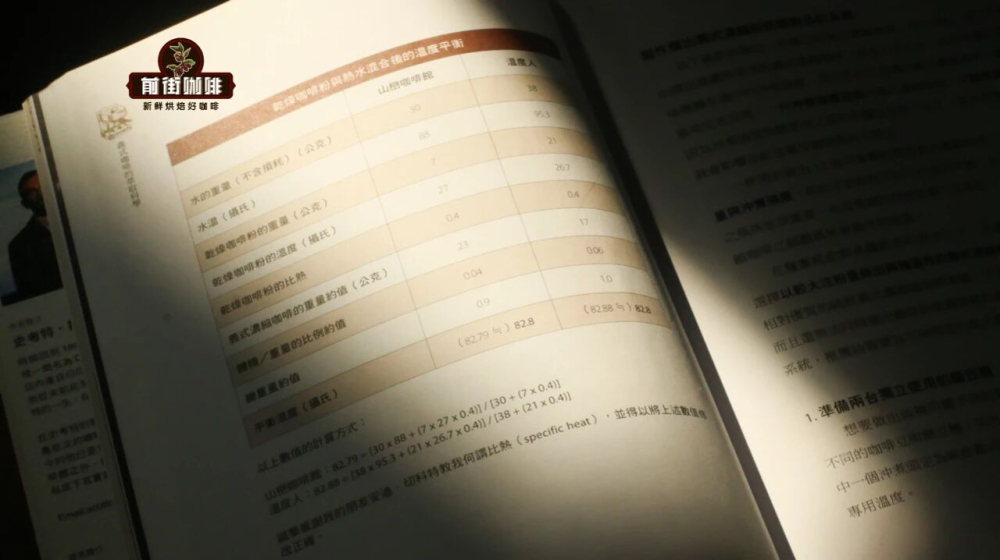
Different coffee ratios and doses also change the ideal water temperature range. According to simulation experiments in "The Extraction Science of Espresso": when 7 grams of coffee grounds are mixed with 38 grams of 88°C hot water, the final equilibrium temperature is approximately 82.8°C; if 21 grams of coffee grounds are used with 38 grams of 95.3°C hot water, the equilibrium temperature is similarly close to this value. This indicates that the larger the dose, the more heat the coffee grounds absorb, requiring a higher boiler preset temperature to compensate. Current mainstream espresso recipes generally use large doses (e.g., 18-21 grams) to extract a single espresso, so it is recommended to set the water temperature at 92-96°C to match flavor requirements.
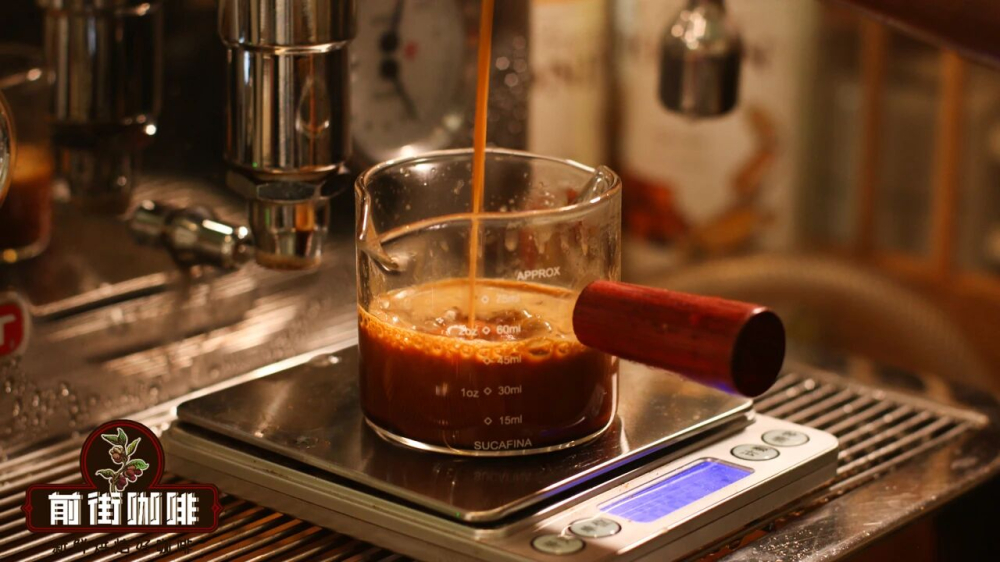
In summary, water temperature regulation for espresso requires comprehensive consideration of equipment characteristics, dose ratio, and target flavor. Beginners can start with the basic range of 93-95°C, and make fine adjustments by observing the crema state (whether rich and golden-brown) and flow rate performance (extraction completed within 20-25 seconds); if pursuing bright acidity or using light-to-medium roasted beans, it can be appropriately lowered to 90-92°C, but care must be taken to avoid under-extraction. Understanding the relationship between water temperature and extraction efficiency and the solubility of flavor substances is the key to truly mastering the soul of this cup of espresso.