Pour-Over Blooming: How Water Volume and Time Shape Flavor Release
Introduction: Blooming is the first step in pour-over coffee, yet its importance is often overlooked. The right water volume and timing not only fully awaken the coffee grounds but also enhance the overall body and complexity of the flavor. This article takes a close look at the science behind water volume during the bloom, explores how different coffee bean characteristics affect the bloom, and offers practical pouring technique advice to help you precisely control this key step and optimize your brewing results.
In the pour-over brewing process, the first step is usually pouring a small amount of hot water over the dry coffee grounds—this step is what we commonly call "blooming." Through this step, the coffee grounds are initially awakened and flavor compounds begin to release. Many beginners learning pour-over notice that most tutorials recommend a bloom water volume of about twice the weight of the coffee grounds—for example, 30 ml of water for 15 grams of coffee, or 40 ml for 20 grams.
Why twice? There is actually a scientific basis behind this. After coffee beans are roasted, a large amount of carbon dioxide remains trapped inside them, and these gases to some extent delay the release of flavor compounds. The core purpose of blooming is to encourage the carbon dioxide to escape as quickly as possible through a suitable amount of water, creating good conditions for subsequent flavor extraction. If the bloom is insufficient, the flavors extracted afterward often taste thin or unbalanced.
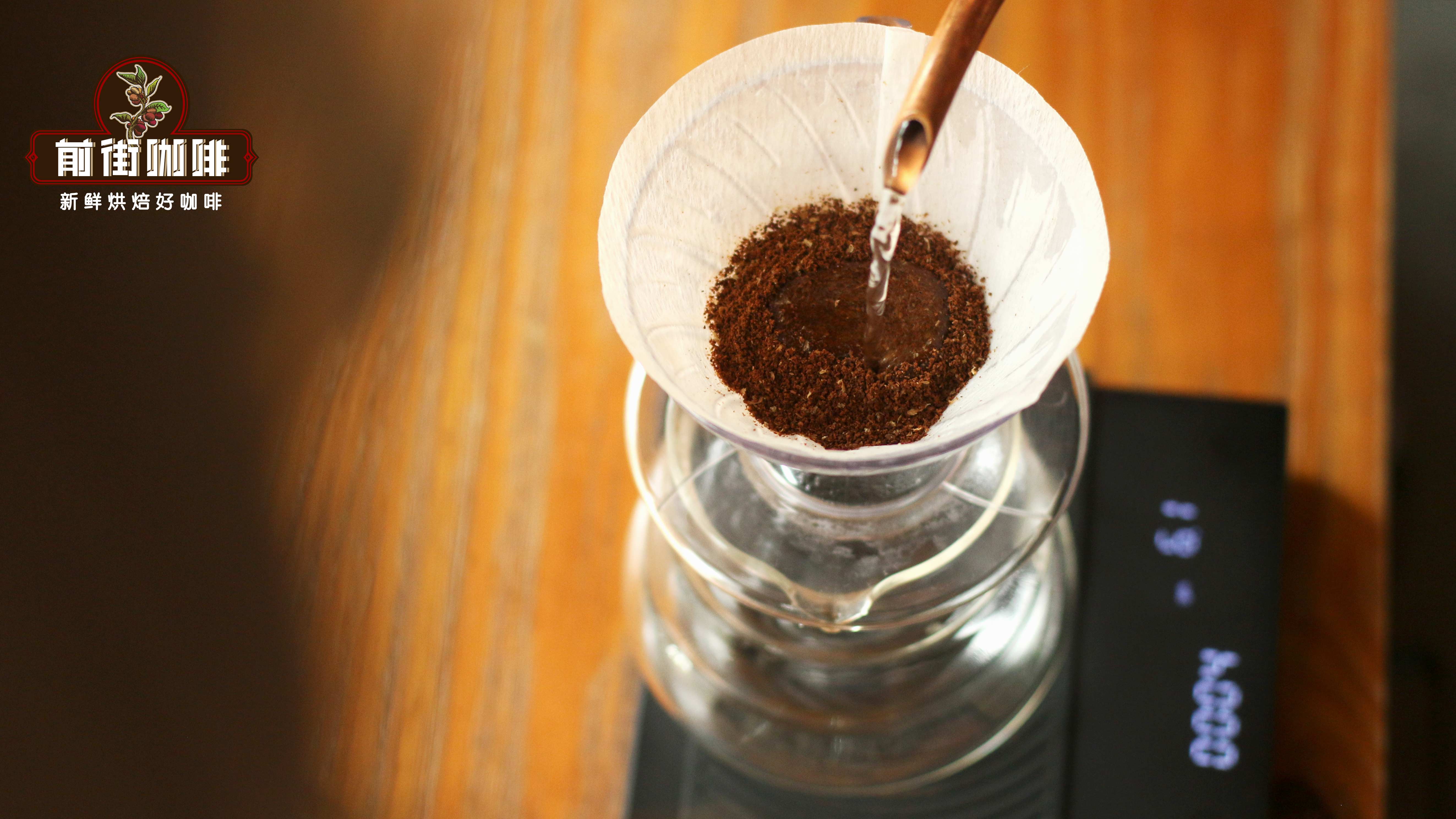
The ideal bloom state is when the water poured in just enough to evenly wet all the coffee grounds—neither wasteful nor affecting the subsequent pour. But if too much water is poured, the portion beyond the coffee grounds' absorption capacity will flow straight into the server, causing waste; if too little water is used, the coffee grounds may be unevenly wetted and degas insufficiently, affecting the overall extraction. Generally speaking, the saturated water absorption of coffee grounds is about twice their weight, which is why most tutorials recommend using twice the coffee weight in water for the bloom.
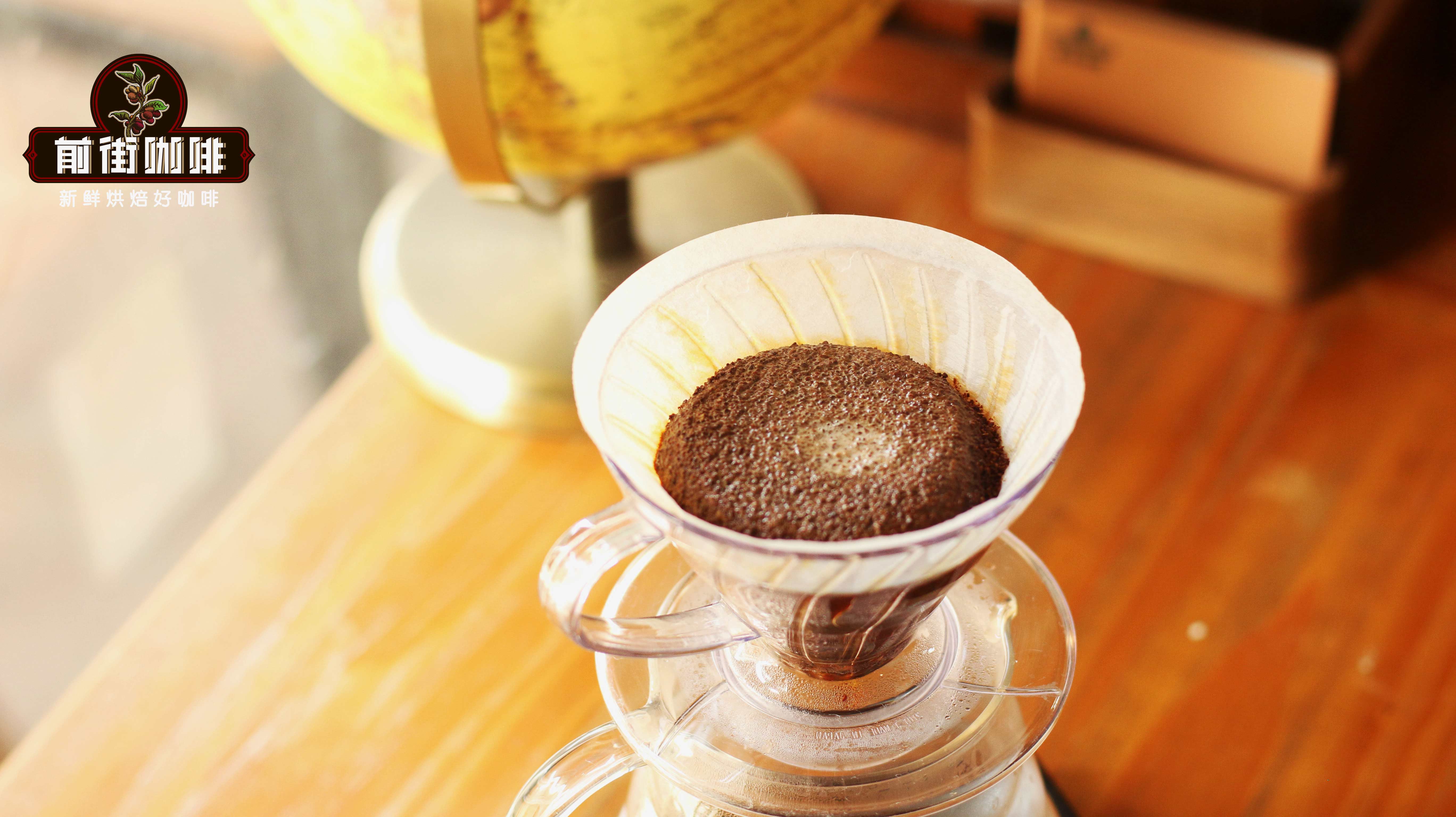
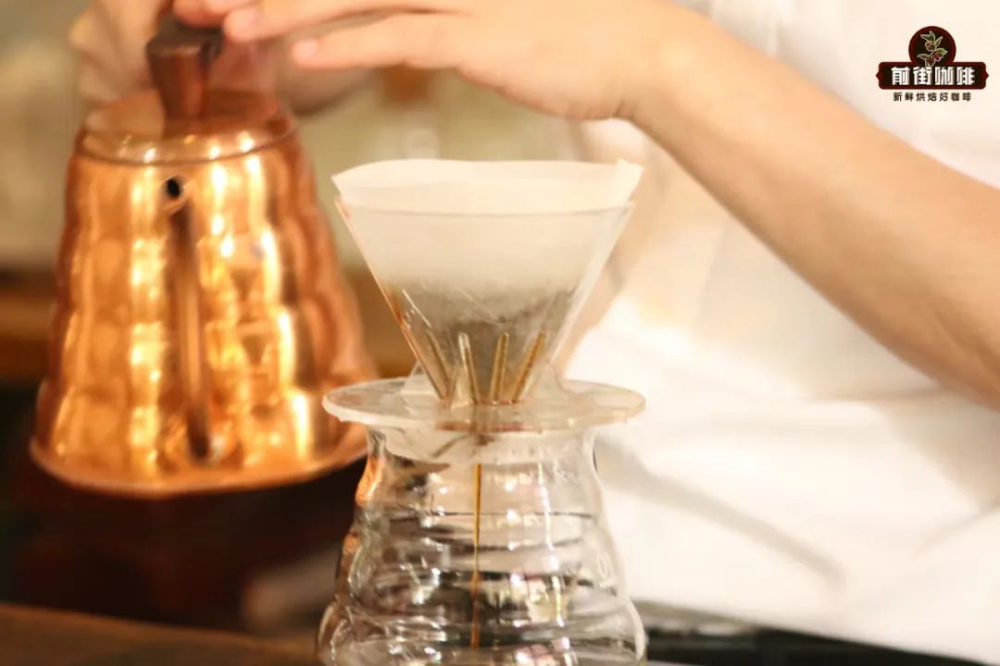
In practice, even when using twice the water volume, you may observe some coffee liquid flowing into the server. This is because water absorption by coffee grounds is not instantaneous but takes time. Only when water fully penetrates into the coffee particles can it be completely absorbed. If the water penetration rate cannot keep up, the excess water will drip down early under gravity.
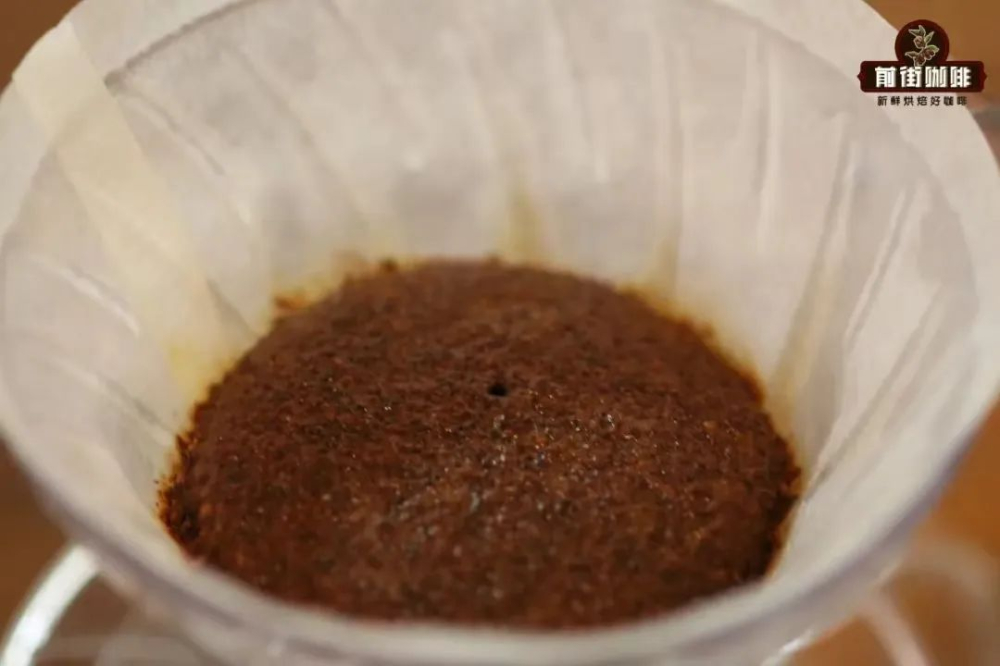
The water absorption efficiency of coffee grounds is closely related to grind size and roast level. Generally, the finer the grind and the smaller the particles, the faster the water absorption; however, because the gaps between particles become smaller, the water penetration path lengthens, which may actually slow the drip rate into the server. Roast level also affects absorption behavior: dark-roasted coffee beans have a looser structure, making it easier for water to enter the particles, so less liquid drips through; by contrast, light-roasted coffee beans have a denser structure and absorb water relatively slowly, so more water may drip through.
Based on these factors, we can flexibly adjust the bloom water volume according to the characteristics of the coffee beans we use. For medium-dark roasted, highly absorbent beans—such as some beans from Indonesian or Mandheling regions—you can use a bloom water volume close to twice the coffee weight; for medium-light roasted, harder-textured beans, such as Ethiopian Yirgacheffe or Hualukui, it is advisable to reduce the water volume appropriately to 1.5 times, ensuring the coffee grounds are wetted while avoiding excessive waste.
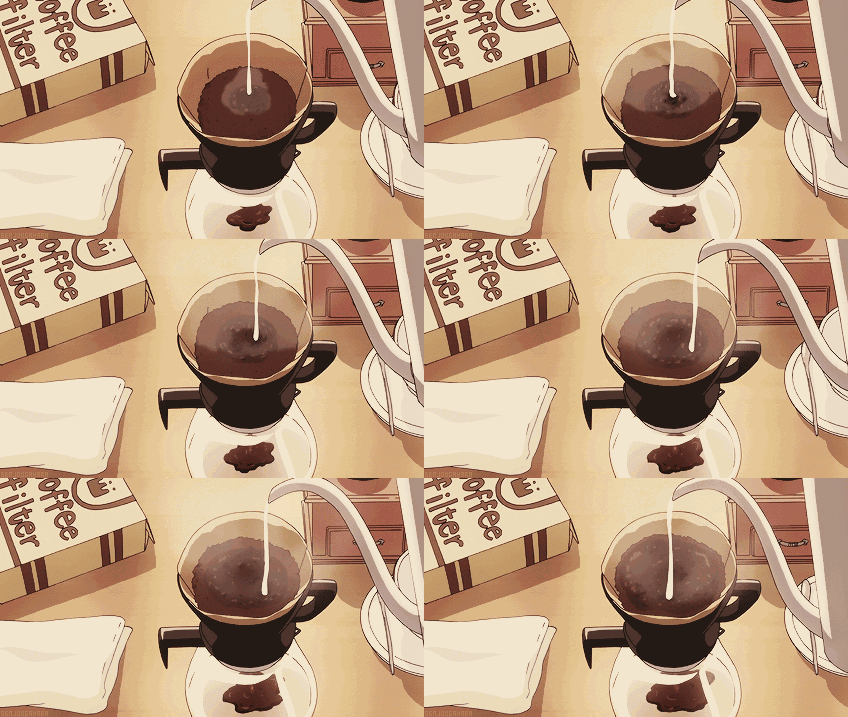
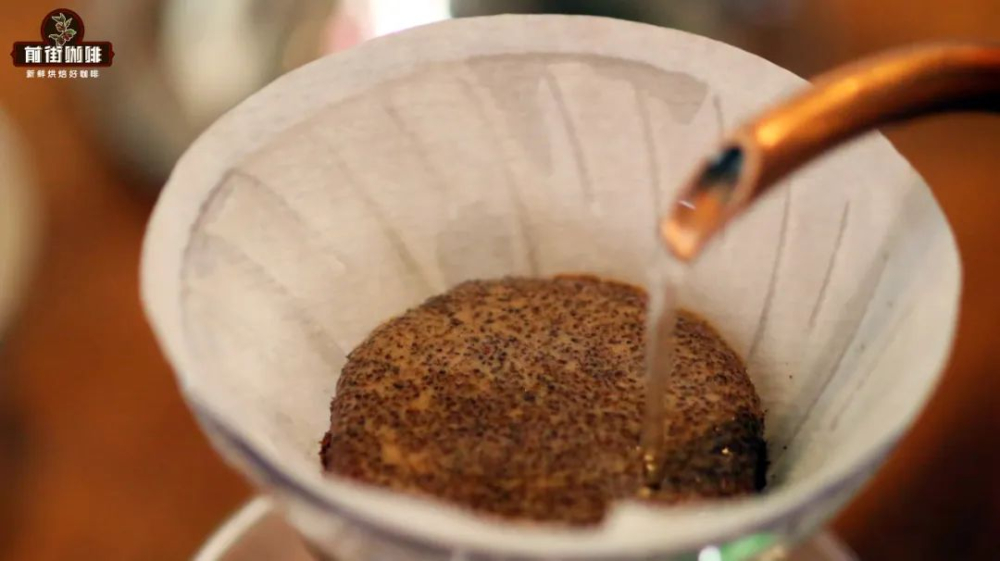
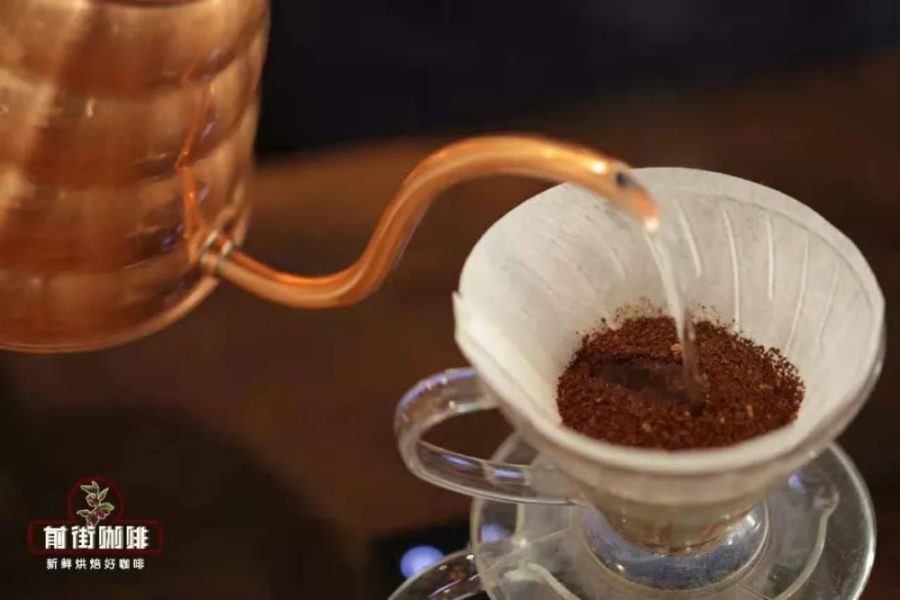
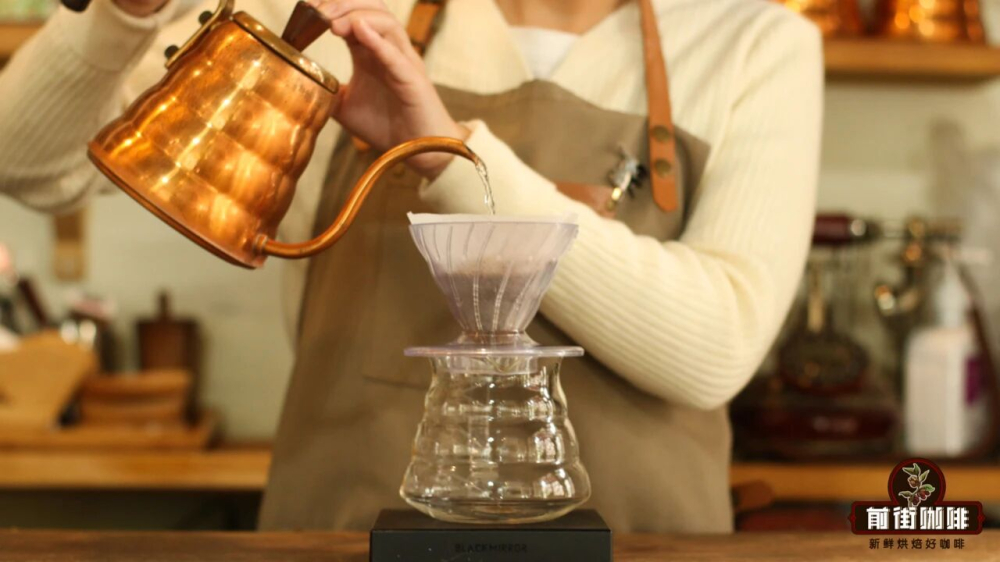
Besides controlling water volume, pouring technique is equally important. A thin stream is recommended, starting from the center of the coffee bed and pouring outward in a spiral motion evenly. This method helps the coffee grounds receive water evenly, promotes even gas release, and also extends the contact time between water and coffee grounds, facilitating more thorough degassing and preheating. If the coffee beans are not fresh enough and much of the internal carbon dioxide has already been lost, the coffee bed will not expand noticeably during the bloom and the gaps between particles will become larger, making it easy for water to flow away quickly; in this case the bloom effect is greatly diminished, and this step can even be skipped.
Note that a small amount of liquid flowing into the server during the bloom is normal, but if no liquid drips at all, it may instead be a sign that the coffee grounds have not been fully wetted. Of course, the less liquid that flows into the server, the more water has been effectively absorbed by the coffee grounds, and the fuller and more layered the final brewed coffee will taste. Given a fixed coffee-to-water ratio, controlling the bloom water volume and time is key to improving overall extraction quality.
For beginners just getting into pour-over, blooming with twice the coffee weight in water is the safest choice, as it ensures the coffee grounds are basically wetted and degas fully. But as experience accumulates, you can try to achieve the same effect with less water, which not only enhances the coffee's body and flavor completeness but also better trains your control over pouring and the state of the coffee bed.
In summary, although blooming is the first step in pour-over coffee, it is a key stage that affects the final flavor. By reasonably controlling water volume, pouring technique, and timing, you can significantly improve extraction efficiency and mouthfeel. Whether you seek a balanced taste or richer layers, mastering blooming technique will bring a qualitative leap to your pour-over experience.