Pour-Over Coffee Brew Time Guide: Parameters to Flavor
Introduction: Mastering the brew time for pour-over coffee is a key step in improving coffee quality. This article takes an in-depth look at how extraction time affects the flavor of pour-over coffee, shows you how to precisely control brew duration based on dose, pouring technique and other parameters, and offers practical adjustment tips to help you consistently extract coffee with the ideal flavor.
Have you ever wondered why precise timing matters when brewing pour-over coffee? Recording brew time not only helps us control the process but is also an important factor affecting the final flavor of the coffee. The timer not only reminds you of pouring milestones but also reflects, through extraction duration, where the coffee's strength and mouthfeel are heading—too long tends to produce bitterness, while too short may yield a weak, flavorless cup.
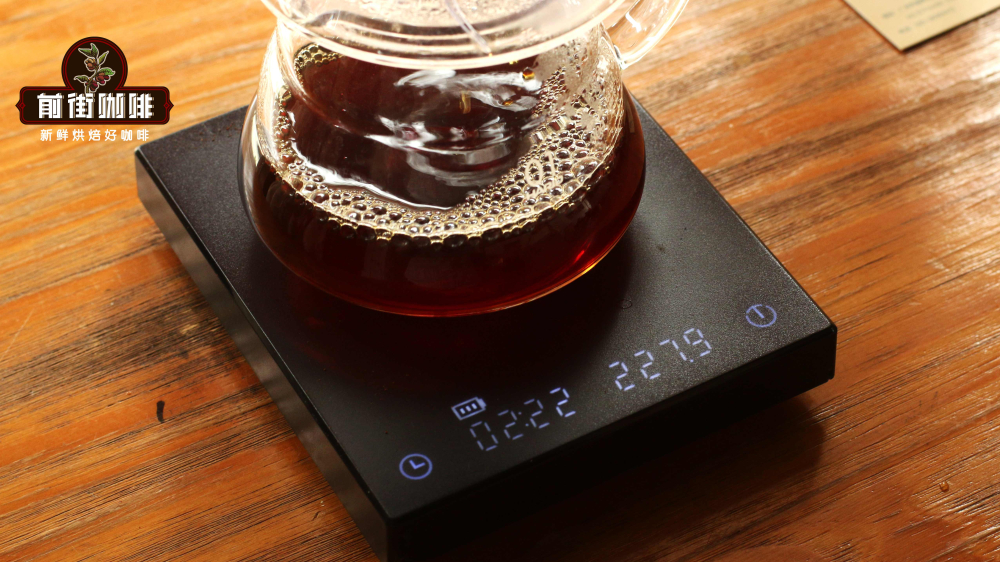
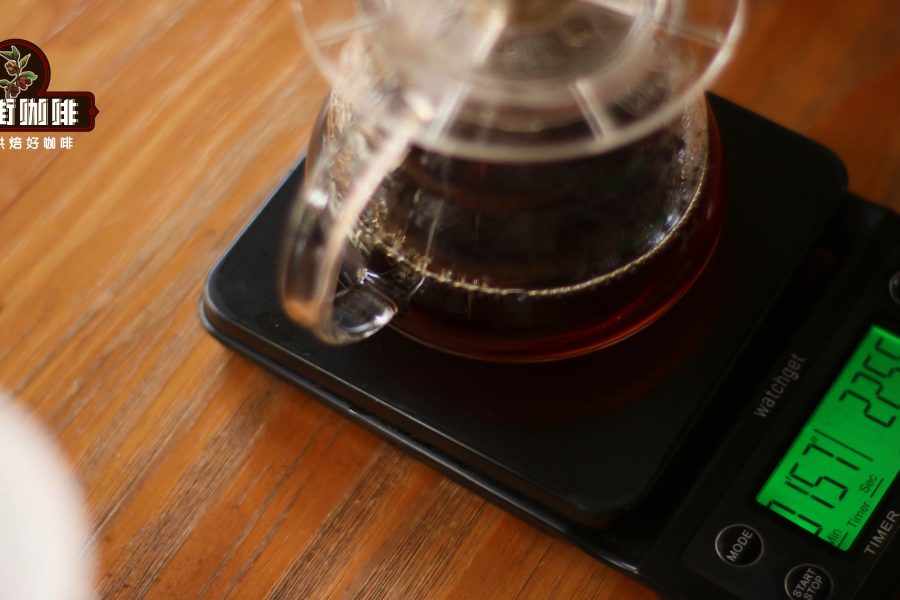
In home brewing, it is common to use a digital scale with a timer. The scale mainly helps control the coffee-to-water ratio, which significantly affects taste, but the timer function is equally important. It lets you accurately track the timing of each pouring stage, especially the first pour after blooming.
So what range is appropriate for extraction time? Based on 15 grams of coffee grounds and a three-stage pouring method, a total extraction time of 1 minute 50 seconds to 2 minutes 30 seconds is recommended. This range balances coffee strength and flavor complexity well and is the golden range suitable for most coffee beans.
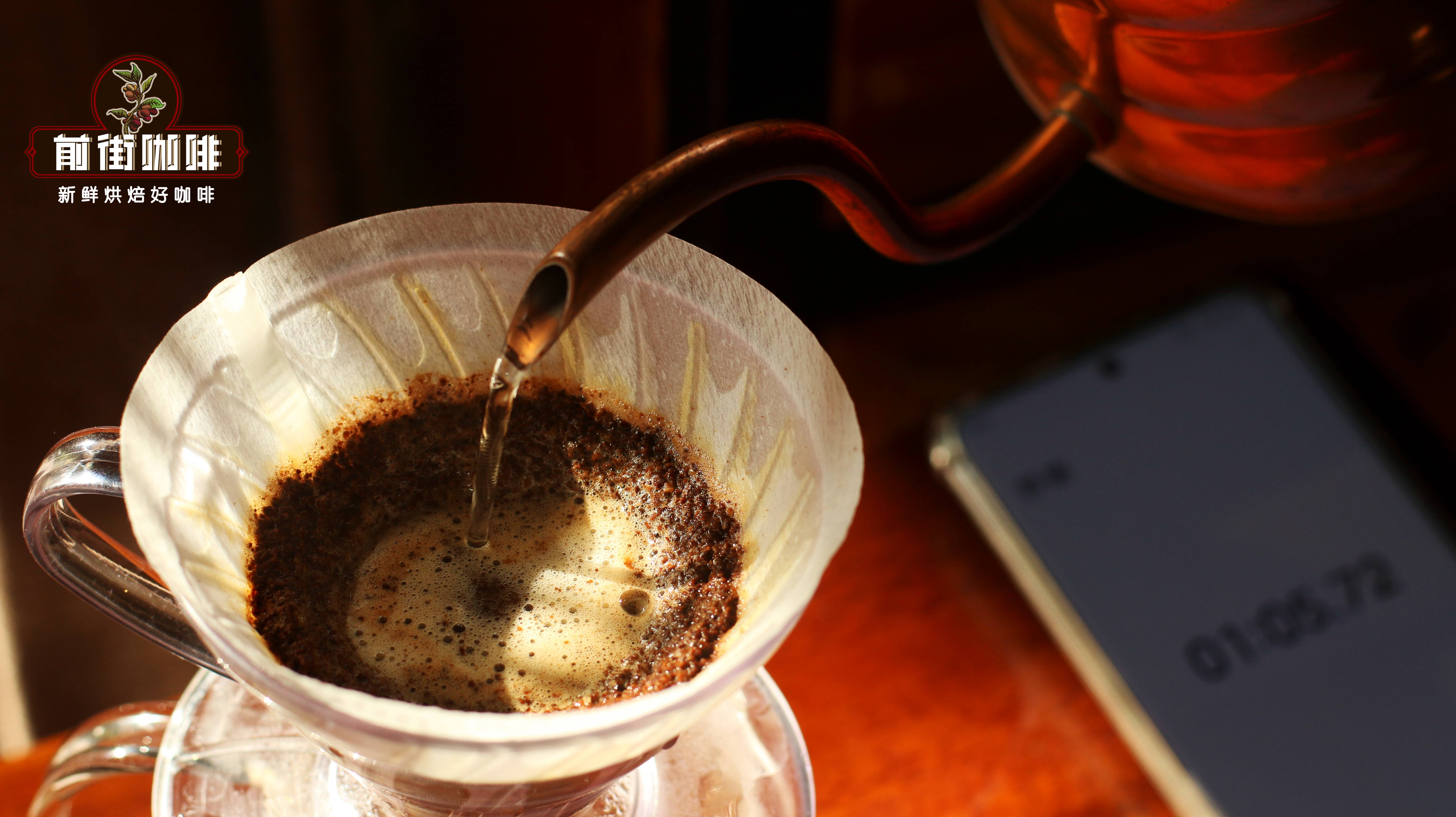
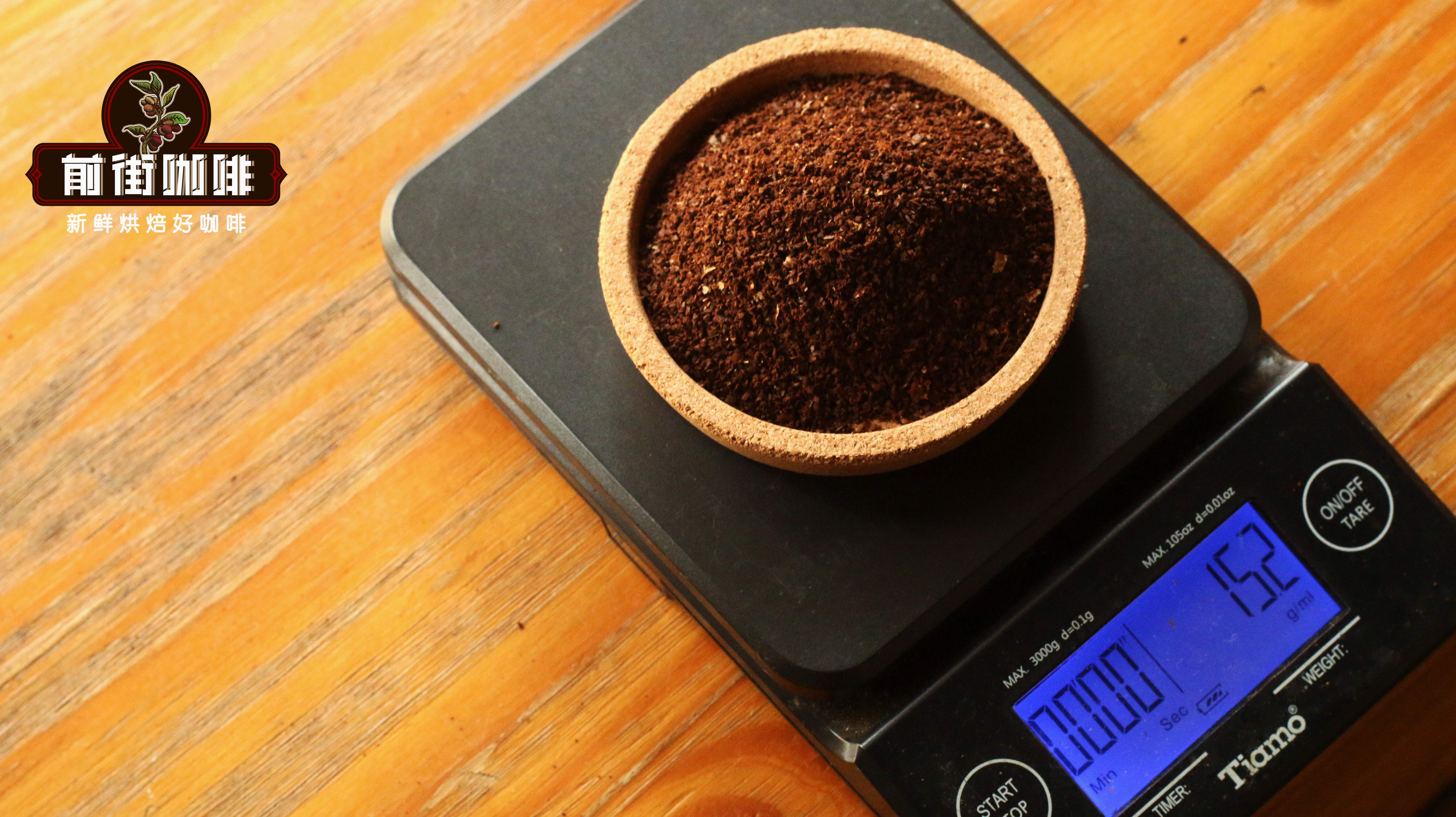
Changes in dose directly affect extraction time. When the dose increases to 20 grams, the coffee bed becomes thicker and the total water volume increases accordingly, so extraction time usually extends to 2 minutes 10 seconds to 2 minutes 50 seconds. Conversely, if using 10 grams of coffee grounds, extraction time can be shortened to 1 minute 20 seconds to 1 minute 50 seconds.
Besides dose, pouring technique is also a key variable affecting extraction time. A common misconception is confusing the three-stage pour with the three-pour method—the former includes the bloom for a total of three pours, while the latter does not count the bloom and actually requires four pours. The more pour stages, the longer the water takes to pass through the coffee bed, resulting in fuller extraction and richer flavor complexity.
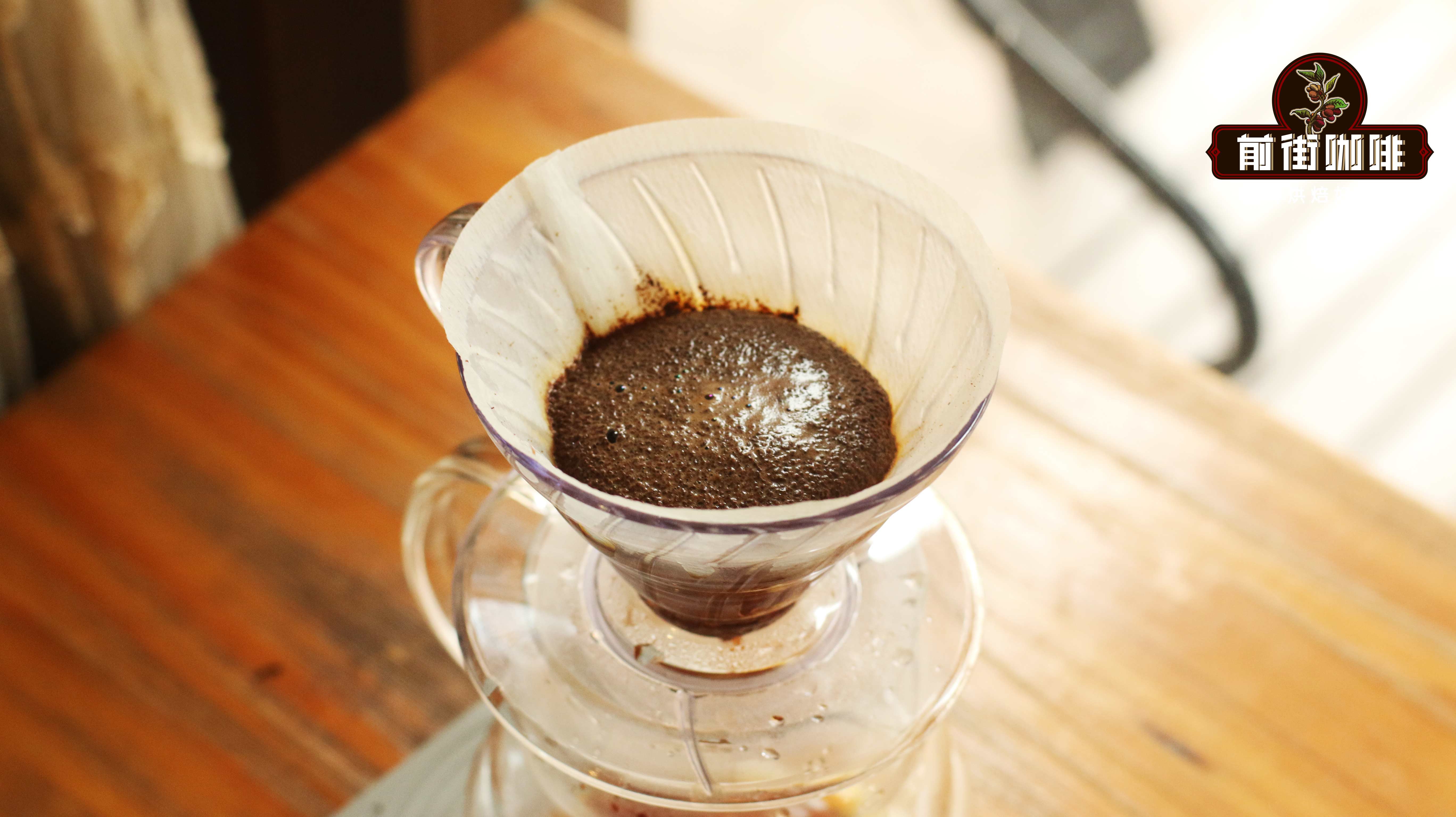
Extraction time in pour-over coffee is essentially a "passive parameter"; we cannot directly set it to finish in exactly two minutes, but we can indirectly control it by adjusting other parameters. For example, when the flow rate is too fast and causes under-extraction, you can extend extraction time and improve body by grinding finer, reducing the pour flow, or using more pour stages.
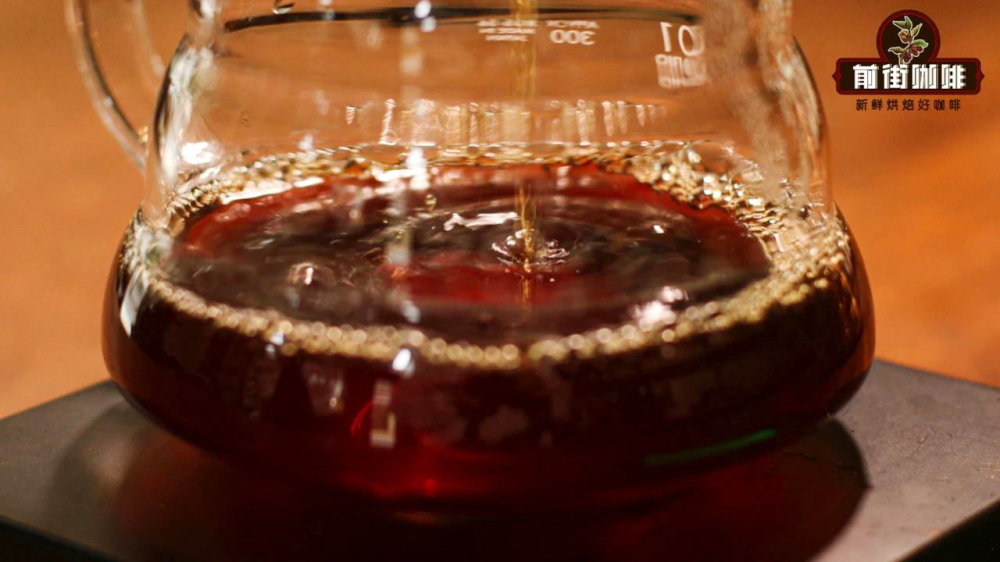
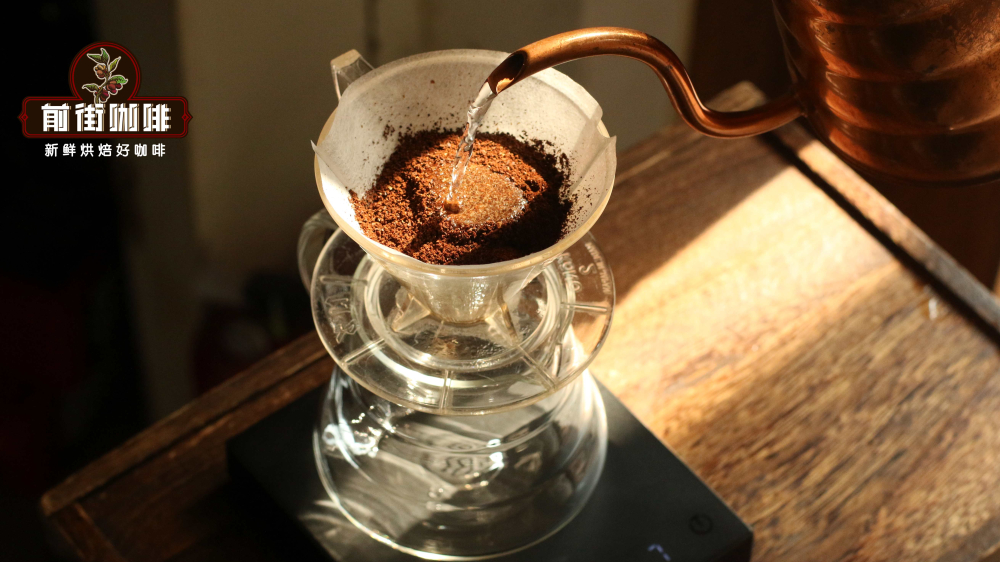
Taking classic Yirgacheffe coffee beans as an example, a proven parameter set is: 15 g dose, 1:15 coffee-to-water ratio, grind size equivalent to 80% passing a No. 20 sieve (about medium-fine), water temperature 91°C, using a three-stage pour—first pour 30 ml for a 30-second bloom, then a second pour of 100 ml, and finally a third pour of 95 ml. With this setup, the ideal extraction time should fall at around 2 minutes.
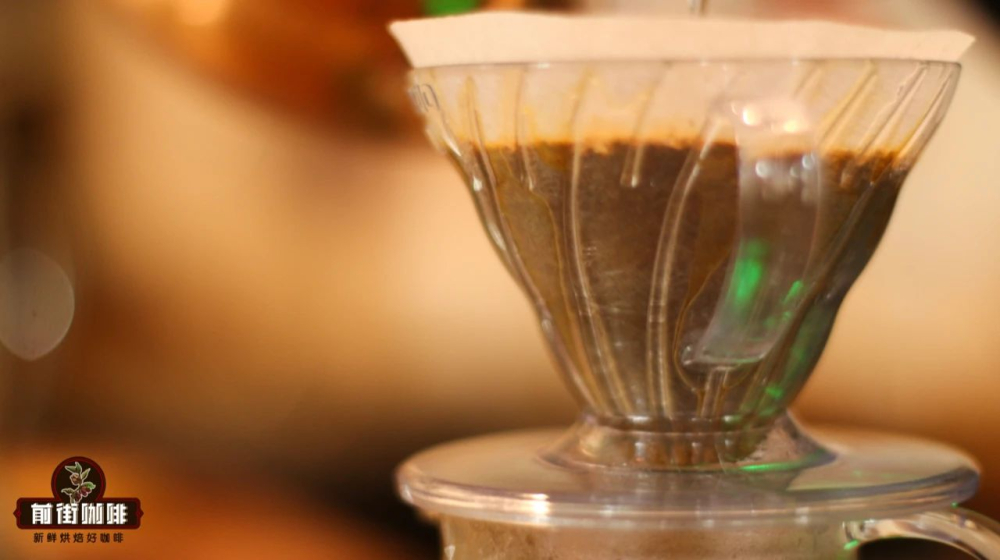
In practice, it is recommended to keep extraction time within the reasonable range of 1 minute 50 seconds to 2 minutes 30 seconds. Although coffee brewed at 1 minute 50 seconds and 2 minutes 30 seconds will differ in flavor, as long as it is within this range, acceptable quality is usually achieved. However, note that the closer you get to either end of the range, the higher the risk of undesirable flavors (such as excessive bitterness or sharp acidity), so keeping the time in the middle is safer.