Ristretto: A Complete Guide to Parameters, Flavor, and Commercial Bean Selection
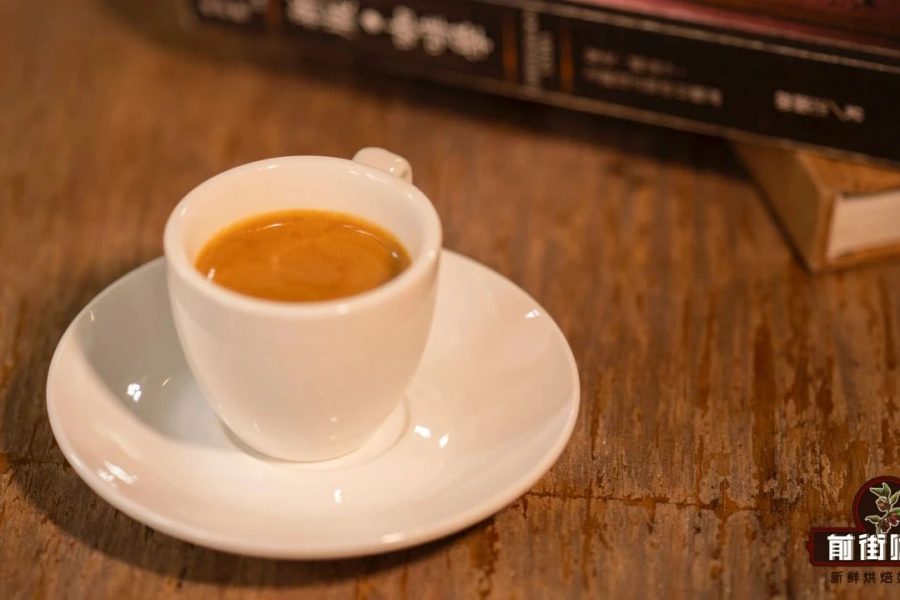
Introduction: Ristretto, the highly concentrated essence of Italian espresso, is often used as the base for premium milk coffee drinks. This article explains how to make this shorter-extraction coffee compared with Espresso, including key parameter control, differences in flavor characteristics, and criteria for selecting suitable commercial coffee beans. By comparing conventional extraction with Ristretto, it helps coffee professionals master this specialized technique.
In Italian, Ristretto means "restricted," referring to the espresso obtained through special control of the Espresso extraction process. Although it is also made with an espresso machine, Ristretto has a shorter extraction time and usually takes only the early, essence-rich portion of Espresso, presenting a more intense and concentrated flavor profile.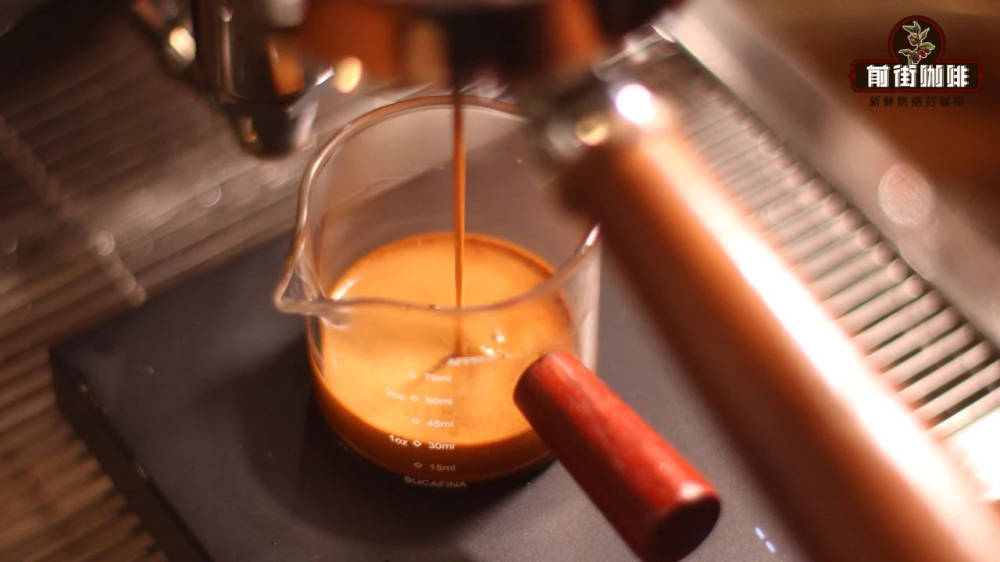
From a technical perspective, both Ristretto and Espresso use high-pressure extraction, but the former achieves flavor intensification by shortening the extraction time and reducing the amount of coffee liquid. Standard Espresso generally extracts for 25-30 seconds to obtain 30-40 ml of liquid, while Ristretto is usually completed within 15-20 seconds, with a final liquid volume of about 15-20 ml. This difference directly affects the coffee's mouthfeel.
The first requirement for making high-quality Ristretto is choosing the right coffee beans. Fresh Italian-style blend beans with a medium-dark roast level are recommended first, as these beans can better withstand pressurized extraction. Too light a roast leads to insufficient crema, while a lack of freshness affects aroma release. The pressurized extraction characteristics of espresso machines make it easier to achieve ideal results with blend beans than with single-origin beans.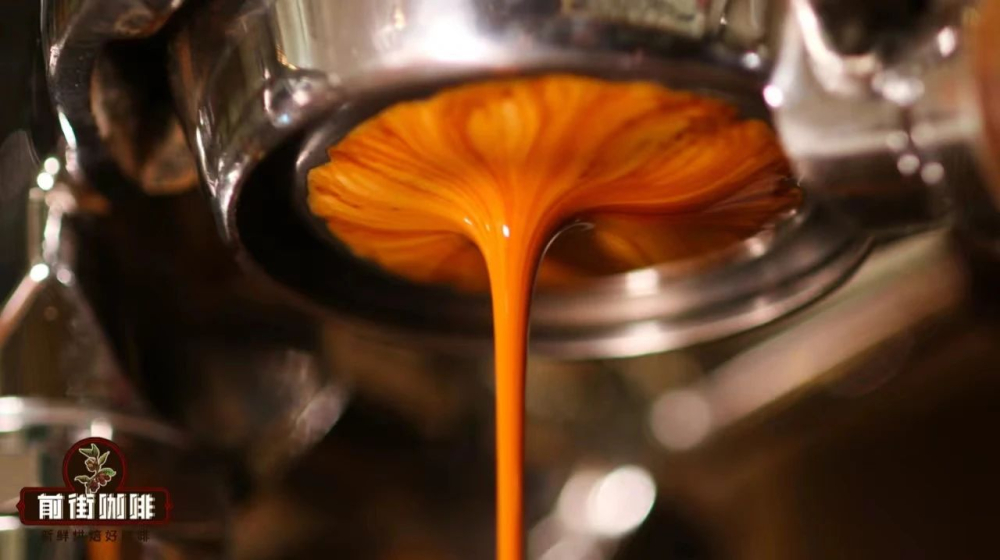
Observing the extraction process is a key skill for mastering Ristretto. During normal Espresso extraction, the initial stage flows out as a dark brown, viscous liquid, the middle stage turns golden yellow with a faster flow rate, and the final stage appears as a thinner, pale yellow liquid. Making Ristretto requires cutting off the extraction before the golden yellow stage ends—that is, stopping before the crema begins to turn white, which usually occurs at about 70% of the conventional extraction amount.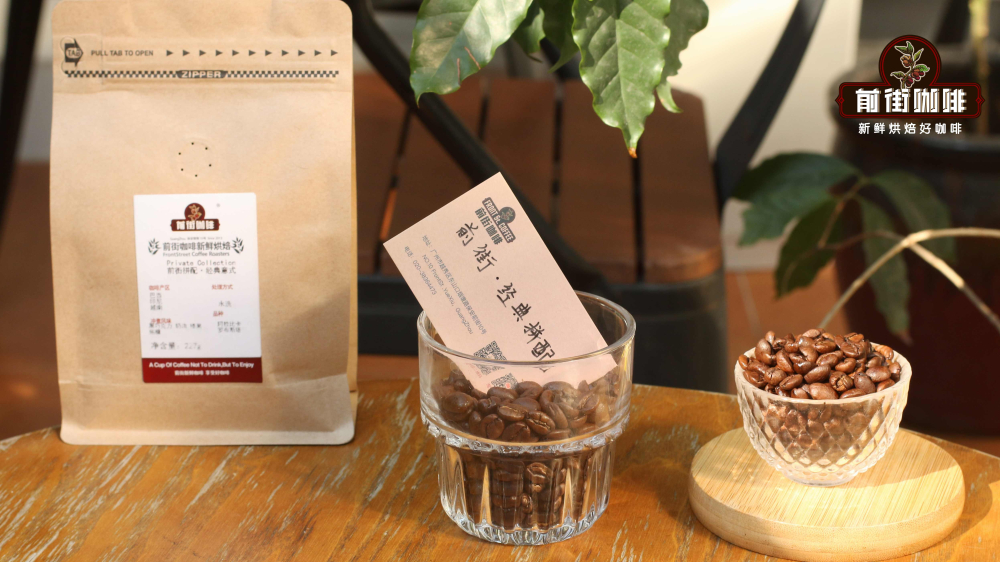
In terms of specific parameter control, taking 20 g of coffee grounds as an example: when standard Espresso uses a 1:2 coffee-to-liquid ratio, 40 g of coffee liquid can be extracted in 25-30 seconds; to make Ristretto, only 20-25 seconds of extraction is needed to obtain about 28 g of liquid (about 70% of the original amount). The espresso obtained in this way has stronger aromas of dark chocolate, maple syrup, and spices, with brighter acidity and milder bitterness.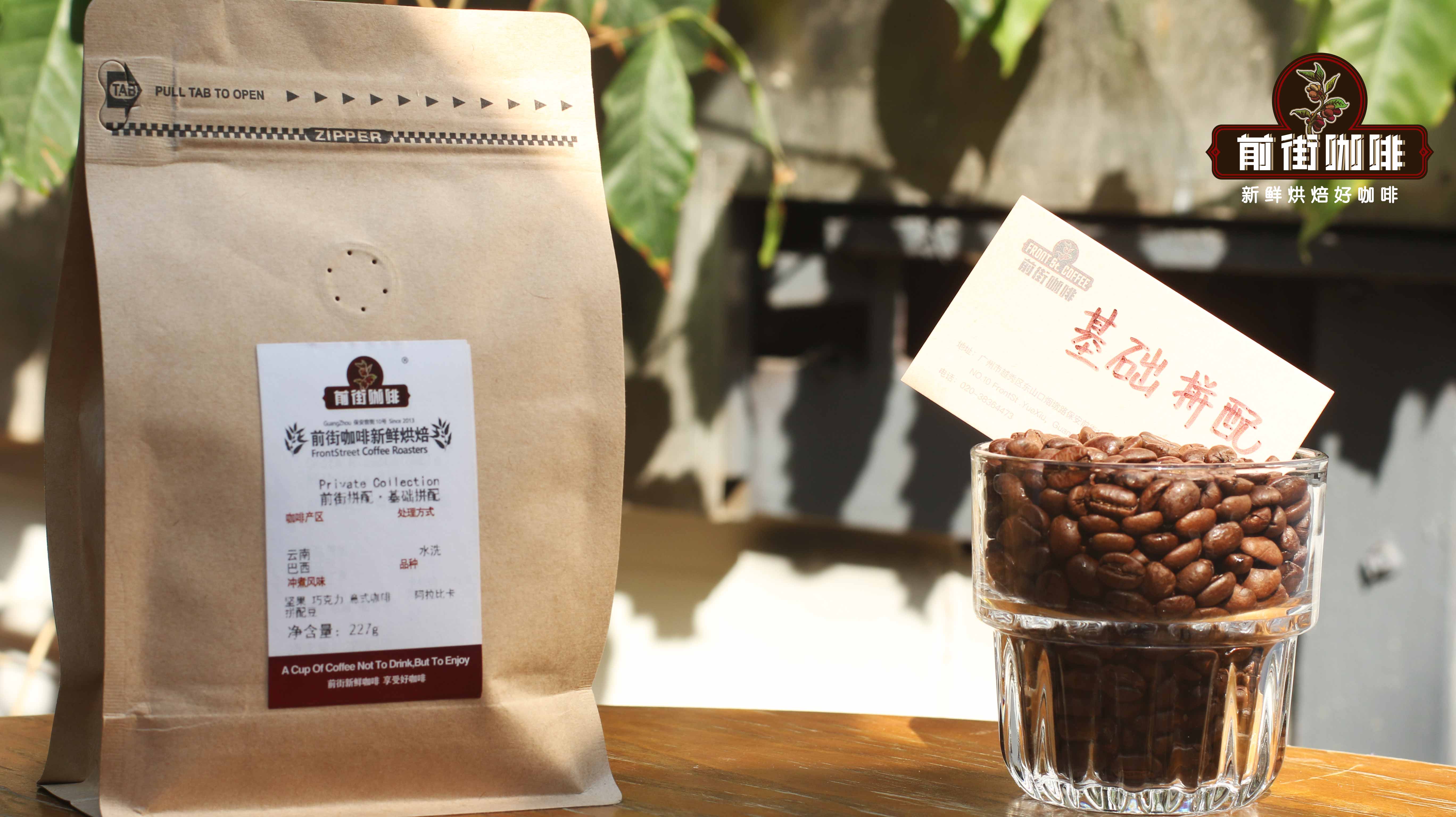
In terms of flavor characteristics, Ristretto is more intense and full-bodied than conventional Espresso. Because the early essence-rich portion of the extraction is captured, acidity is more prominent and bitter compounds are relatively reduced. Its texture is thicker, often with complex sweetness from caramelization reactions and pronounced crema aroma. These qualities make it an ideal base for specialty milk coffee drinks such as Flat White.
For commercial applications, choosing the right coffee beans is especially important. Medium-dark roasted blend beans usually perform more consistently. The following parameters should be noted: roast level controlled between Full City and French, and flavor descriptions should include rich base notes such as chocolate and nuts. Freshness directly affects extraction results; beans with a roast date within 14 days are recommended, and they should be stored properly.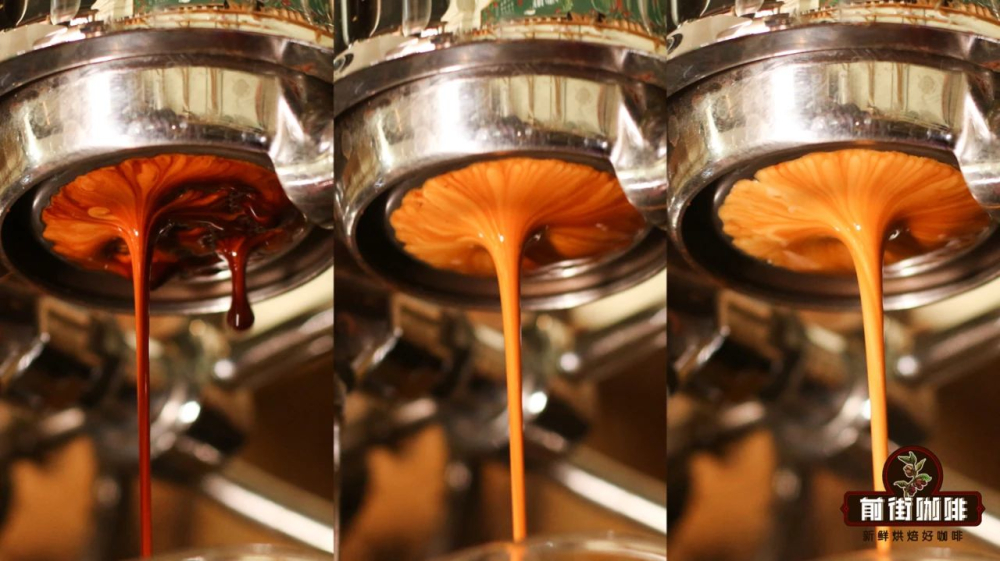
In practice, also note: the grind should be slightly finer than for conventional Espresso to compensate for the shorter extraction time; pre-infusion should be sufficient to ensure even extraction; and the pressure curve should remain stable to avoid channeling. Regular equipment cleaning is equally critical for maintaining Ristretto quality; daily backflushing and weekly deep cleaning are recommended.