Why Light Roasts Taste Sour: Blue Mountain vs. Geisha and Roasting History

Introduction: Have you ever wondered why today's popular pour-over coffee often carries fruity, floral acidity? This article examines the causes of sourness in light-roasted coffee, compares the flavor differences between two famous beans, Blue Mountain and Geisha, and traces the history of roasting from the dark-roast era to the specialty coffee revolution. By understanding changes in green bean processing, roasting curves, and brewing methods, you can build a scientific understanding of coffee flavor and have clearer direction whether you are buying beans or adjusting brewing parameters.
When you hear someone describe a drink as having "floral notes, citrus acidity, caramel sweetness," they are most likely describing the flavor characteristics of pour-over coffee. Walk into a café and order a popular pour-over, and the pronounced acidity confuses many beginners: why does modern coffee no longer pursue traditional bitterness?

In fact, coffee flavor shifting from a single bitter taste to diverse acidity and sweetness reflects a transformation across the entire industry. Taking 2000 as the dividing line, dark roasts previously dominated the market, while today light-to-medium-roast specialty coffee is more favored. This shift is no accident; it results from improved cultivation techniques, renewed roasting philosophy, optimized brewing methods, and consumer preferences working together.
Early coffee roasting relied on stirring in an iron pan, and uneven heating led to beans of varying darkness, ultimately presenting a near-black, scorched, bitter state. After drum roasters became widespread in the 19th century, improved semi-hot-air equipment from Germany laid the foundation for modern roasting, but the dark-roast standard of "roasting to second crack" still persisted for a long time.
During the 20th-century espresso boom, businesses used deep roasting (oily, blackened bean surfaces) to mask defects in flawed beans. In the same period, Jamaican Blue Mountain coffee stood out through a strict grading system—even when dark-roasted, it maintained a clean balance of acidity and bitterness, and together with successful marketing in the Japanese market, it established its status as the "king of coffee."

In the 1970s the specialty coffee movement arose, emphasizing the selection of high-quality beans at the cultivation stage. Around 2000, pioneering cafés such as Intellectuals in the United States promoted medium-light roasting, highlighting berry-like acidity while retaining a chocolate base. Nordic roasters went further, adopting a "drop two minutes after first crack" process to create espresso with extreme fruit acidity.
The turning point came at the 1999 Panama BOP competition—the Geisha variety stunned the industry by selling for over US$300 per pound, and its complex flavors of jasmine, tropical fruit, and tea directly fueled a global wave of planting in producing regions. It is worth noting that although early African beans such as Yirgacheffe had acidity, limited roast depth prevented them from fully expressing it.
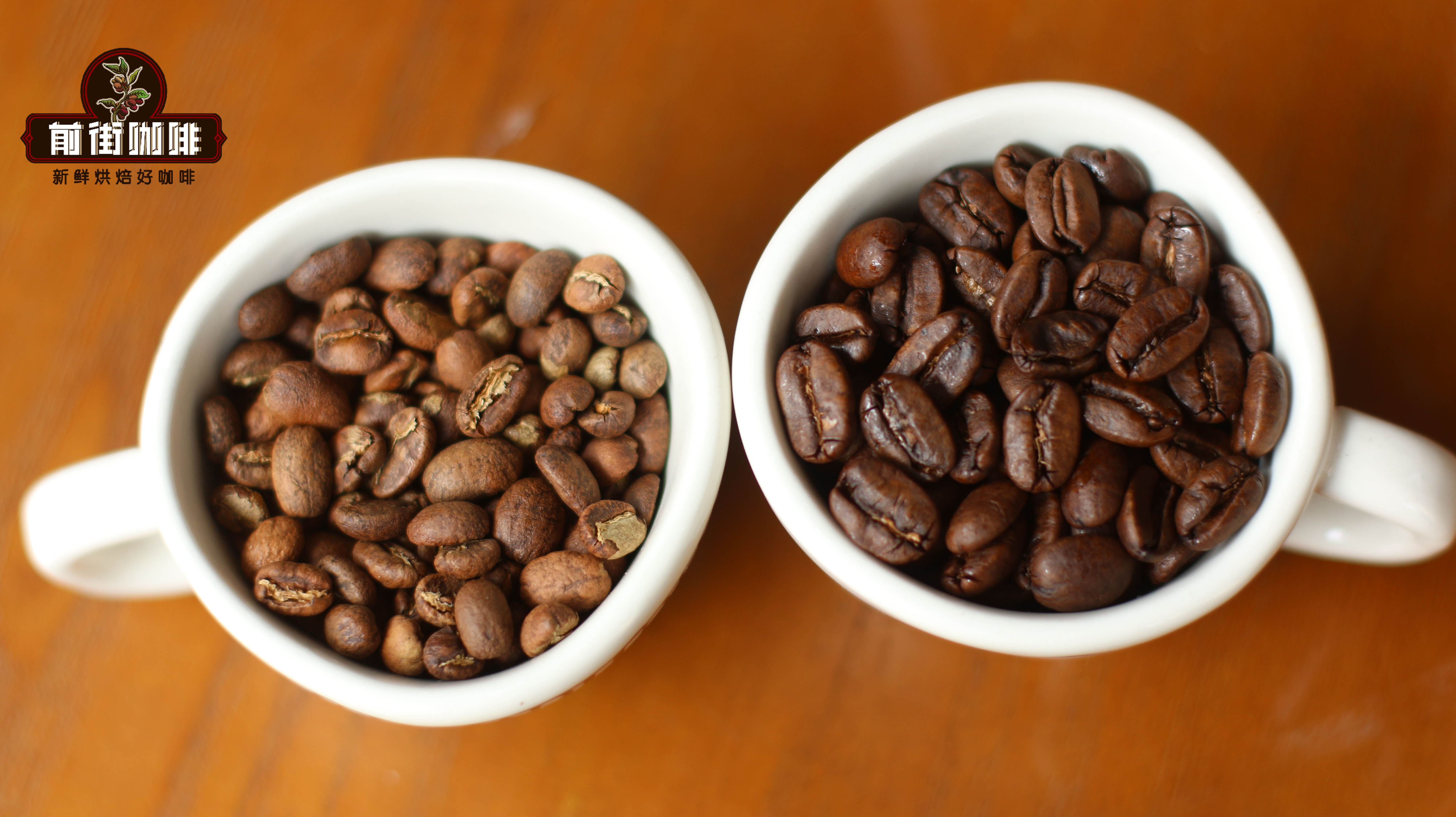
Between 2000 and 2010, diverse roasting schools formed: Europe and America retained some dark-roast traditions, Nordic ultra-light roasting highlighted floral and fruity notes, and Japanese roasting emphasized regional character. The spread of pour-over culture further amplified the advantages of light roasting—drip methods better preserve volatile aromatic compounds such as citrus and lemon acidity.
Professional advice: when brewing light-roasted beans at home, use a water temperature of 90-93°C with a V60 dripper and a 1:15 coffee-to-water ratio for staged extraction. A common mistake is over-extending the bloom time (it should be kept within 30 seconds), which may cause over-extraction and amplify sharp acidity.
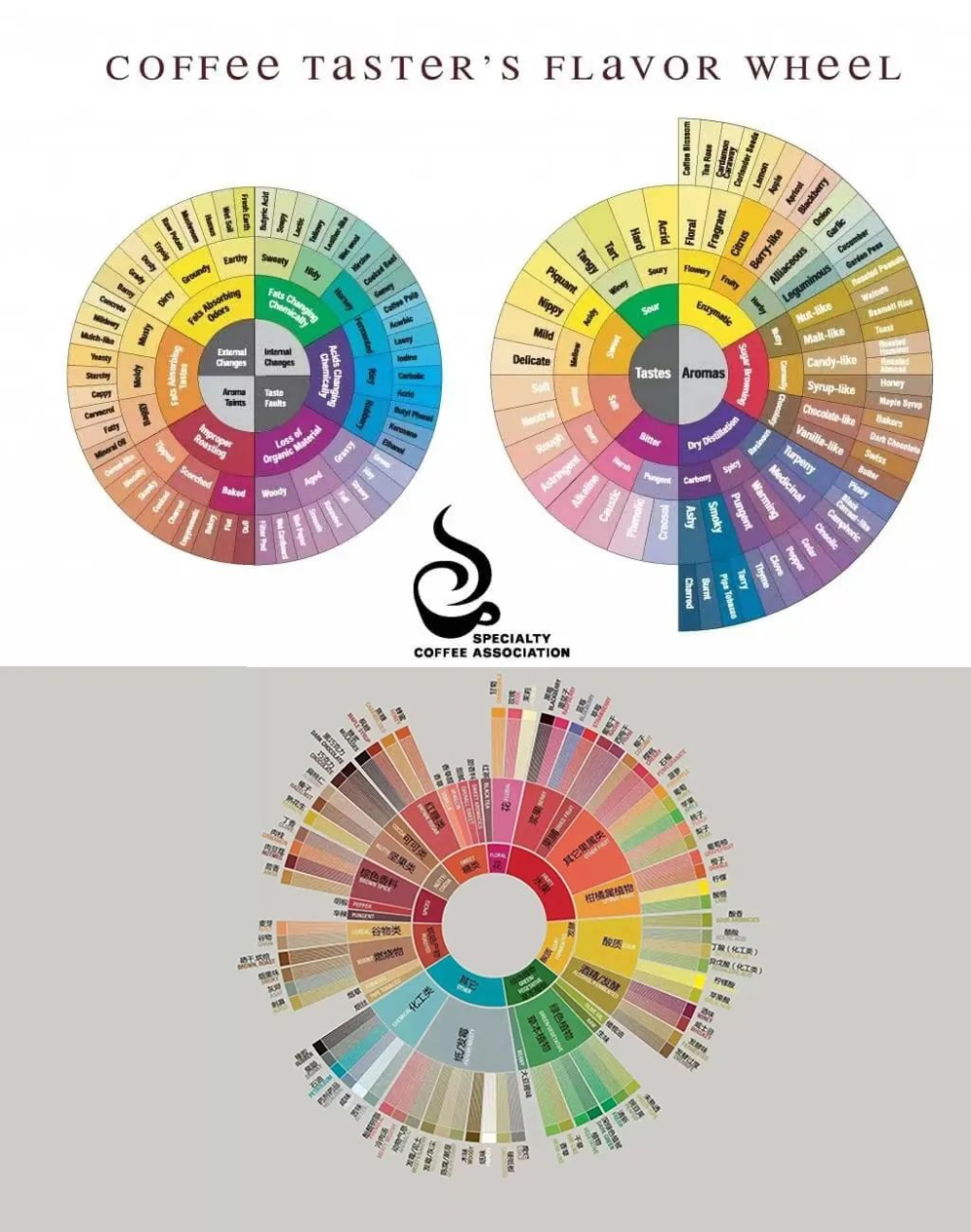
The evolution of the flavor wheel confirms the quality upgrade: the 1995 SCAA flavor wheel distinguished positive and negative flavors, while the 2016 version compressed negative descriptions to one-third and added dozens of positive flavor entries such as cherry and apricot, reflecting finer green bean processing worldwide.
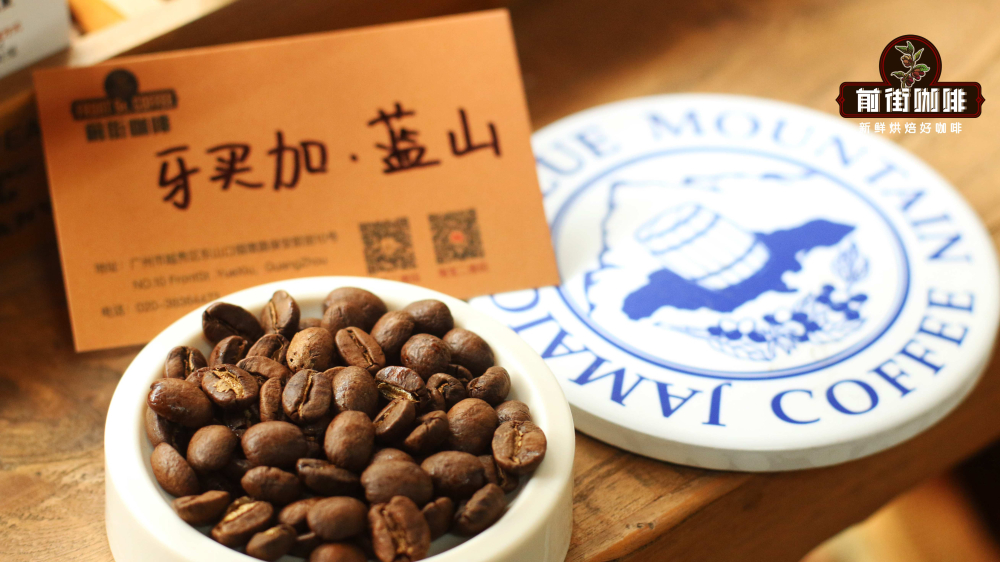
There is a cognitive bias in the current market—although pour-over coffee is dominated by acidity, classic dark-roasted beans such as Blue Mountain and Mandheling still have a steady following. Selection advice: those who prefer bright acidity can try Ethiopian heirloom varieties, while those seeking mellow sweetness can choose the Sumatra Lintong region.
Next time you smell lemon acidity or honey sweetness in coffee, take a moment to consider the complex interplay of growing altitude, roasting curve, and water quality behind it. Understanding these elements will help you find your ideal cup among the thousands of coffee flavors.