How to Fix Pour-Over Coffee That's Too Strong or Too Weak
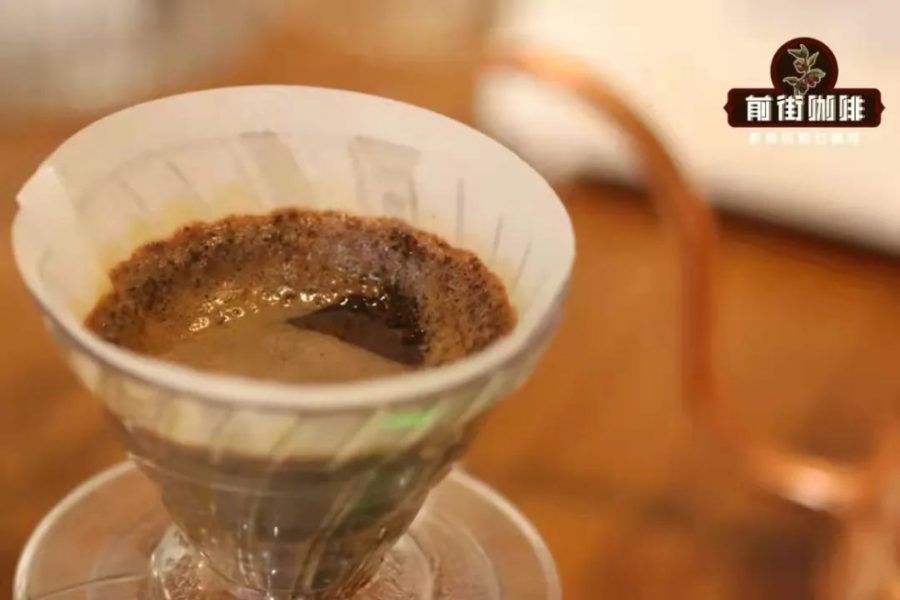
Introduction: When brewing pour-over coffee at home, do you often find it too strong and bitter, or too weak and flavorless? This article explains in detail the causes of abnormal coffee strength, such as water temperature too high or extraction time too long, and offers practical adjustment methods like the bypass technique to help you easily improve the taste and brew a balanced cup of pour-over coffee.
Today, pour-over coffee has become a daily choice for many coffee lovers because of its simple equipment and easy operation. With just a pour-over kettle, dripper, and filter paper, you can enjoy freshly ground coffee at home. However, seemingly simple operations require certain skills to consistently brew a balanced cup. Many beginners jokingly call themselves "over-extraction masters," brewing coffee that is either too bitter or has heavy off-flavors.
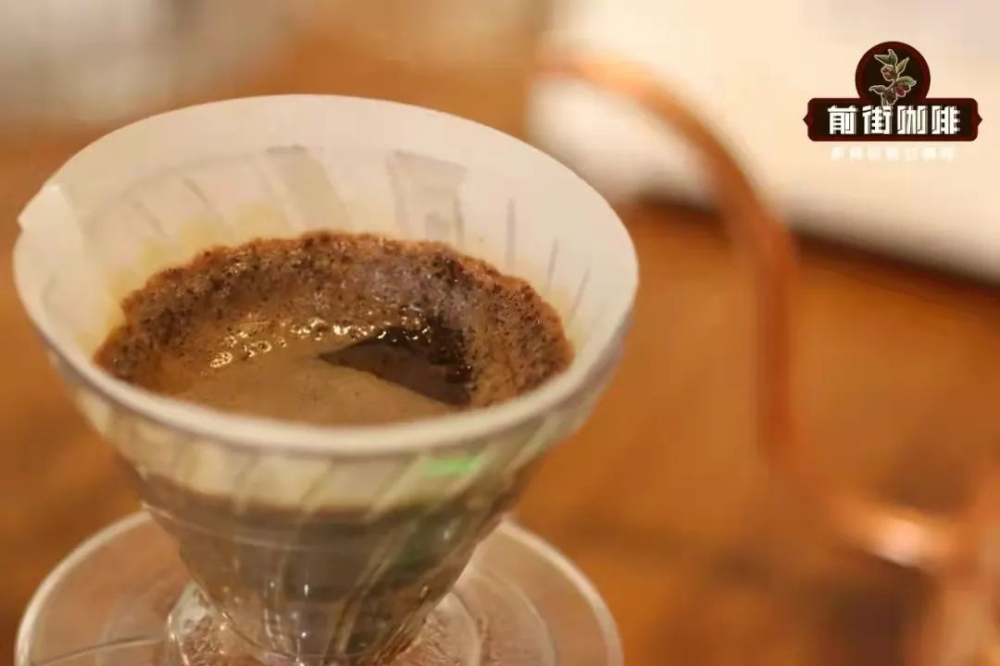
"Over-extraction" means the coffee grounds are over-extracted, releasing too many bitter compounds and undesirable flavors, usually manifesting as burnt bitterness, astringency, or obvious off-flavors. This is often caused by water temperature too high or extraction time too long. Once these negative flavors appear, they are usually difficult to fix afterward; it is advisable to record the problematic parameters and adjust water temperature, coffee-to-water ratio, or extraction time next time.
< >
Besides the obviously bad flavors of over-extraction, we more often encounter coffee that is too strong or too weak but not undrinkable. Overly strong coffee is pungent, with bitterness lingering on the tongue and a pressure in the throat; overly weak coffee is like water, lacking layers and flavor—drinkable but far from good. When faced with coffee that is "drinkable but not good enough," do you choose to drink it as is or pour it out? Actually, there is a third way—adjust the strength to save the cup.
Coffee that is too strong is a common issue; many enthusiasts report their coffee is "chokingly bitter," "flavors too concentrated," or "uncomfortable in the throat." When asked further whether they taste burnt, astringent, or off-flavors, most say there are no obvious off-flavors, just that the overall flavor is too heavy. This is usually due to a slightly high extraction yield but not severe over-extraction, and can be adjusted by "bypass pouring."
Bypass pouring, in English "bypass," is a method of adding clear water to the brewed coffee after the main extraction is complete. This does not affect the extraction process itself; it only dilutes to reduce overall strength and make the mouthfeel softer. This technique is actually very common in cafes; for example, espresso from an espresso machine is very intense, and to make it more suitable for general consumption, hot water is usually added to dilute it into americano—a typical bypass application.
< >
When your brewed pour-over coffee has flavors too concentrated and prominent bitterness but no obvious off-flavors, try adding 10–20 ml of clear water to dilute. Specifically: first add 10 ml of water, gently swirl to mix, and taste; if still too strong, add more gradually, no more than 10 ml each time, until you reach a comfortable strength. This gradual adjustment effectively avoids over-dilution making the coffee too weak.
Bypass pouring not only relieves the discomfort of overly strong coffee but also helps you better perceive the flavor layers. When the coffee liquid is too concentrated, flavor compounds are too tightly packed, masking the coffee's aroma and mouthfeel; after moderate dilution, the flavors become clearer, allowing you to more accurately assess the cup's strengths and weaknesses.
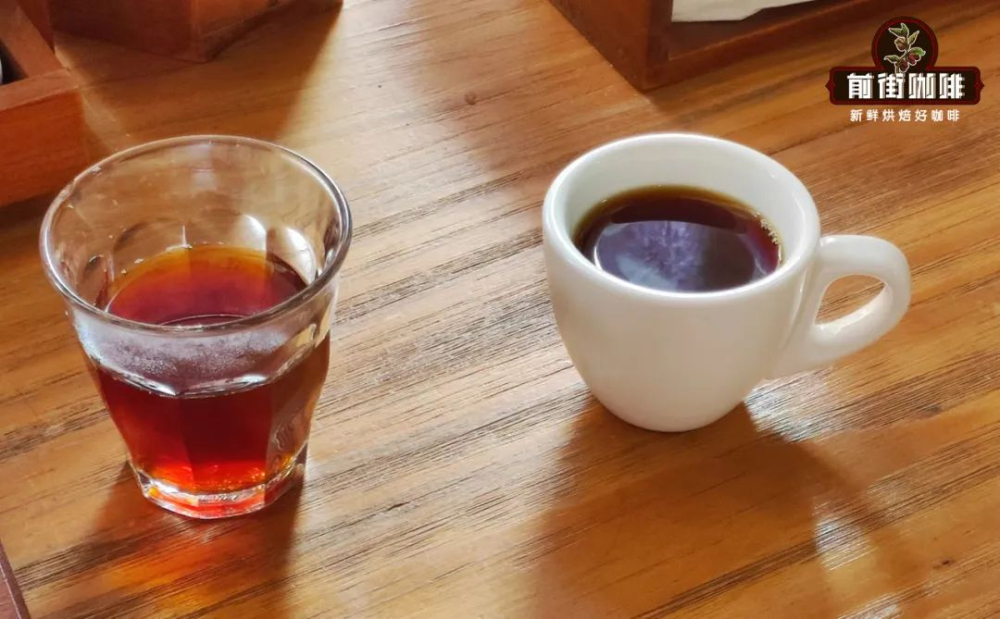
Of course, everyone's perception of "strong or weak" varies. Some find it just right, others too intense, and some too weak and flavorless. Cup color and material may also influence your judgment of coffee strength. Japan's Mitsuha Coffee once conducted an experiment: 30 participants were given 4 cups of coffee with identical strength, only the cup color was changed. Results showed that coffee in green cups was considered too weak by almost everyone; yellow cups were considered just right; and coffee in red or dark cups was generally considered too strong. This shows that vision significantly affects taste perception.
< >
Therefore, when you feel your pour-over coffee is "too weak" but cannot physically make it stronger (e.g., by brewing stronger or re-extracting), you can change your approach and "trick" your brain by choosing the right cup. For example, using a red or coffee-colored ceramic cup makes the coffee look darker and stronger, psychologically increasing your acceptance of the strength. If using a transparent glass cup, the coffee's clarity may make you mistakenly think it is not strong enough; try a dark-colored cup to experience the difference.
< >
Overall, adjusting the strength of pour-over coffee is not complicated; the key is understanding the principles. When too strong, you can dilute appropriately with bypass pouring to improve mouthfeel and release flavor layers; when too weak, you cannot truly make it stronger, but you can optimize the drinking experience through visual factors like cup color. Master these tips, and you too can consistently brew high-quality pour-over coffee at home that suits your personal taste.
< >


