Ethiopian Heirloom Coffee Beans: Varieties and Flavor Guide
Introduction: When buying Ethiopian single-origin coffee, you often encounter the mysterious variety label "Heirloom." This article takes a deep look at the truth behind this widely used term—it is not a single variety, but an umbrella term for thousands of unclassified native Arabica varieties in Ethiopia. Drawing on field research and agricultural research materials, it helps you understand why Ethiopian coffee beans vary so much in appearance yet have unique flavors, reveals the research background of numbered varieties such as 74110, and compares the differences between Panama Geisha and native Ethiopian variants.
In the specialty coffee market, exploring the flavors of single-origin coffee has become mainstream. When we buy coffee beans from Ethiopia, the "Heirloom" label that frequently appears on packaging often sparks curiosity. This word, derived from the English term for "heirloom," refers in the coffee industry specifically to ancient coffee varieties that cannot be clearly classified.
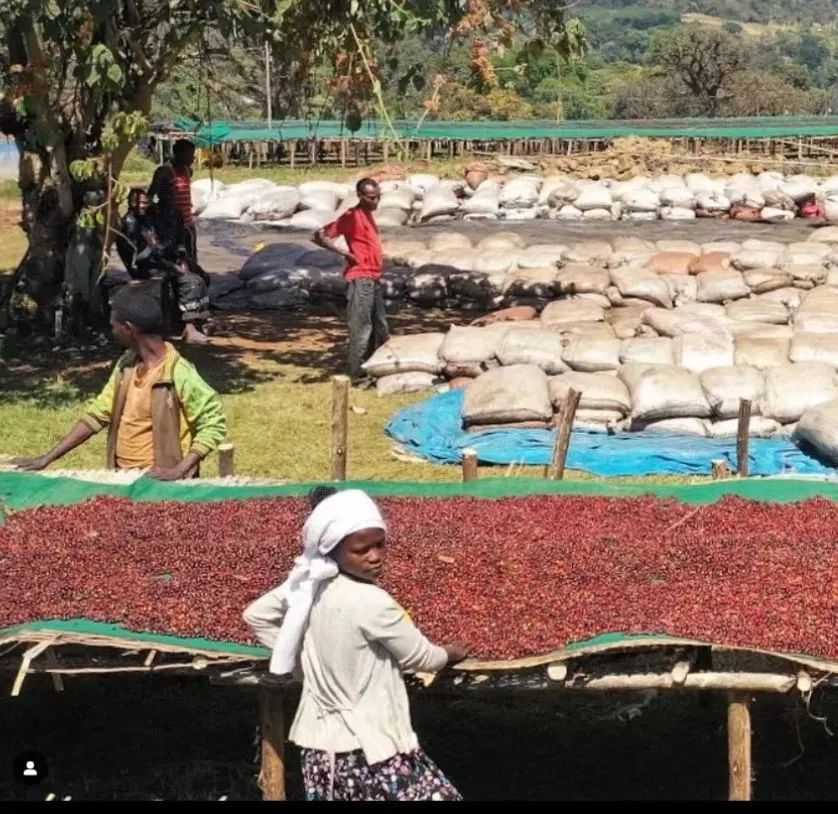
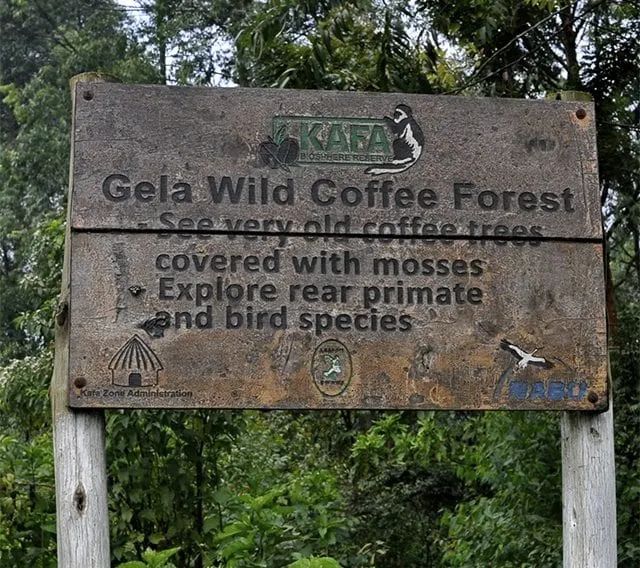
As the region where humans first discovered and cultivated Arabica coffee, Ethiopia holds more than ten thousand wild coffee genetic resources. In core producing areas such as the Kaffa Forest, coffee plants of different forms growing naturally mixed together is extremely common—dozens of coffee trees with different leaf shapes and fruit sizes may exist in the same plantation. This biodiversity makes it difficult for local farmers to carry out refined variety management as in Central and South American producing regions, so international coffee organizations classify these native varieties that have not been systematically classified uniformly as "Heirloom."
It is worth noting that mixed varieties do not mean defective quality.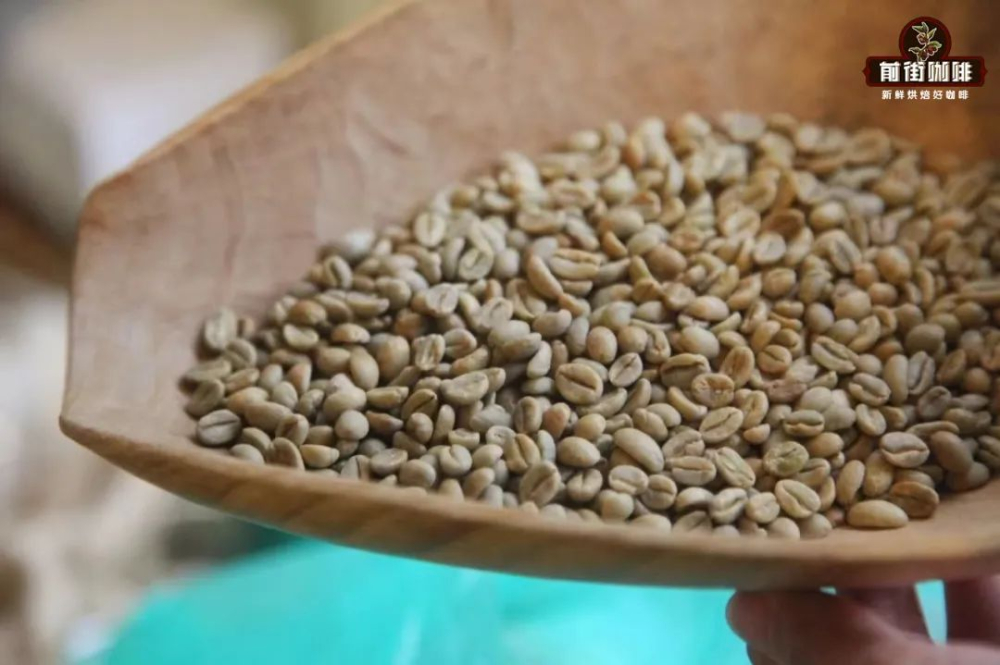 The uneven bean size and differences in bean color that consumers observe are in fact the natural result of many wild varieties growing together. Professional roasters suggest that when brewing this type of coffee, the bloom time can be appropriately extended (30-45 seconds is recommended) to fully bring out the layers of the mixed varieties.
A common flavor misconception needs to be clarified: although variety differences do affect the final performance of coffee, within the pure Arabica system this effect is relatively limited. The key factors that truly determine a producing region's character are altitude, soil, and microclimate.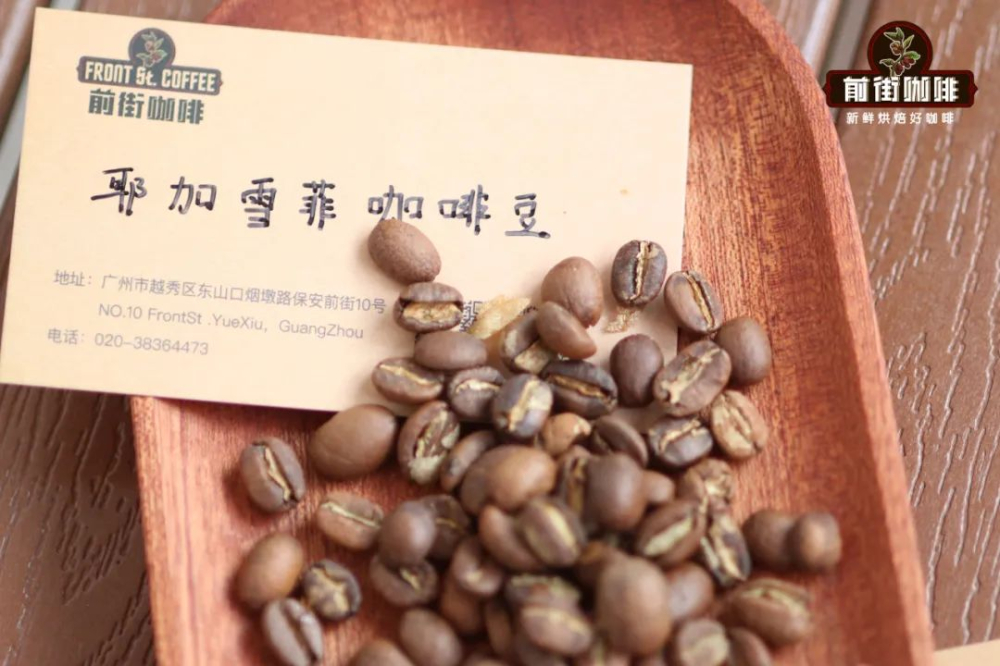 Take the well-known Yirgacheffe region as an example: the local floral and fruity notes mainly come from the high-altitude environment of 1,800-2,000 meters, not from the characteristics of a single variety. Local farmers traditionally call these varieties adapted to the special environment "Kurume," which in essence refers to the same type of native resources as "Heirloom."
Ethiopian agricultural research institutions do not rely entirely on nature's gifts. The research center in Jimma has launched the JARC series of varieties named with numerical codes (such as 74110 and 74112) through systematic selection and breeding. These numbers contain important information: the first two digits, 1974, represent the year the sample was collected, and the last three digits, 110, indicate the 110th selected line classified that year. Among them, 74110 has become an important planting choice in southern producing areas because of its strong disease resistance and bright acidity.
For coffee lovers seeking classic varieties, native varieties related to globally renowned lines can still be found in Ethiopia. Through morphological comparison by botanists, Gesha 1931 has been confirmed as a close ancestor of Panama Geisha; Gori Gesha is an independent line rediscovered by a farm owner in the wild coffee forest in 2011.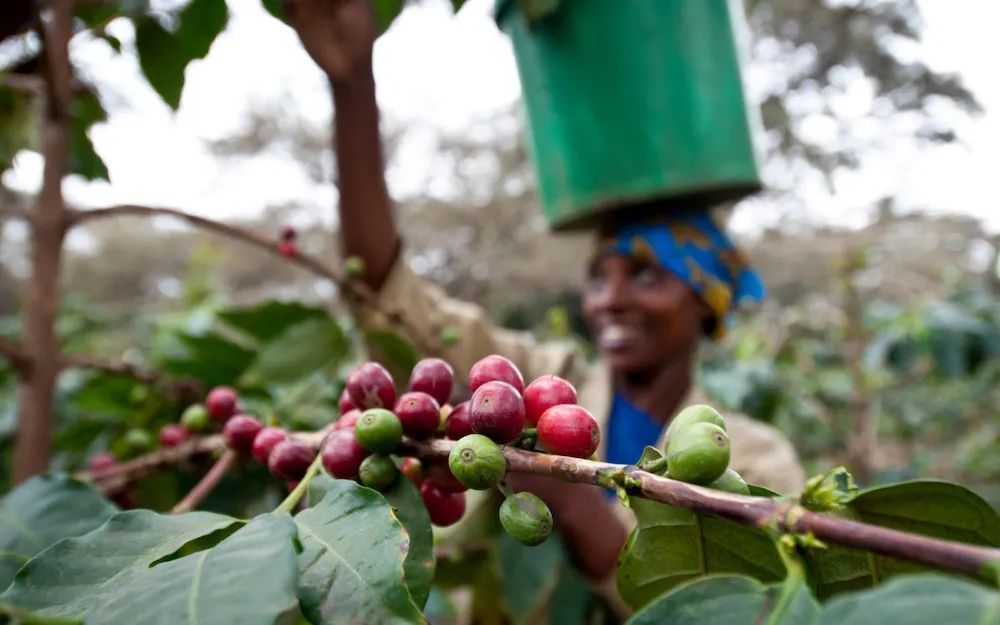 Also worth noting from the same period is the Wush Wush variety, a variant originating from the Kaffa Forest in the southwest that was improved by Colombia's Cenicafe laboratory and commercially planted in 2017; its unique blueberry notes shone at the Australian Barista Championship.
Professional advice: when brewing Heirloom mixed varieties, use a medium-light roast (Agtron 65-75) to preserve floral and fruity aromas, and use a water temperature of 92-94°C with a fine grind (70-75% passing a Chinese standard No. 20 sieve). For consumers focused on variety experience, prioritize batches labeled with specific numerical codes (such as 74110) or micro-regions (such as Yirgacheffe Kochere G1).