How to Make Vietnamese Egg Coffee and Nordic Egg-Filtered Coffee at Home

Introduction: This article explains in detail the principles and practical methods for making two distinctive egg-scented coffees: the egg yolk cream coffee born in wartime Vietnam, and the traditional Nordic method of clarifying coffee with egg white. From ingredient selection to ratio adjustment, it step by step explains how to use eggs to improve coffee's mouthfeel, compares the flavor differences between the two cultures, and provides key tips for home preparation and solutions to common problems.
The combination of coffee and eggs may seem strange, yet different cultures have developed unique ways of drinking it. The most representative are the egg yolk cream coffee created in Vietnam during a period of material scarcity, and the ancient Nordic brewing process that uses egg white to clarify coffee grounds. Both methods cleverly use the properties of eggs to bring coffee a rich mouthfeel and a clear texture.
The Vietnamese version was born during the Franco-Vietnamese War, when milk was in short supply; a chef at a hotel in Hanoi was the first to use egg yolk beaten with sugar to replace dairy products. **The core technique is to separate two egg yolks and add one spoonful of condensed milk or white granulated sugar**, then whisk with an egg beater until the texture is fluffy like light cream. It is recommended to use sterile eggs to ensure hygiene; when whisking, you can heat over a water bath to about 40°C to improve stability. The traditional method pairs it with dark-roasted robusta coffee beans, whose strong bitterness balances the sweet, rich egg cream. **It is recommended to pour the coffee liquid and egg cream sauce in layers at a ratio of 1:3 to 1:4**, finally presenting the signature golden top layer.
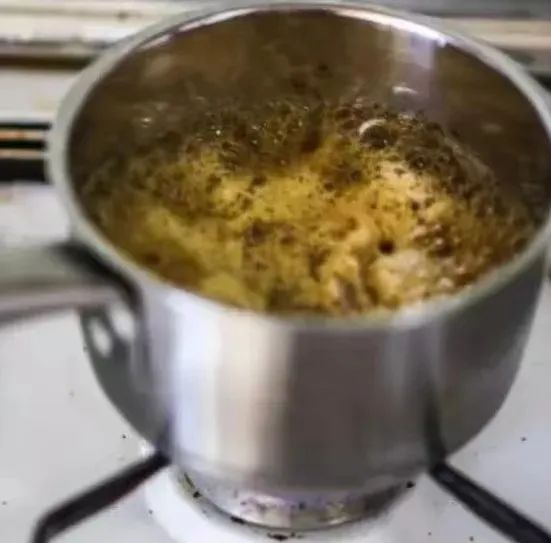
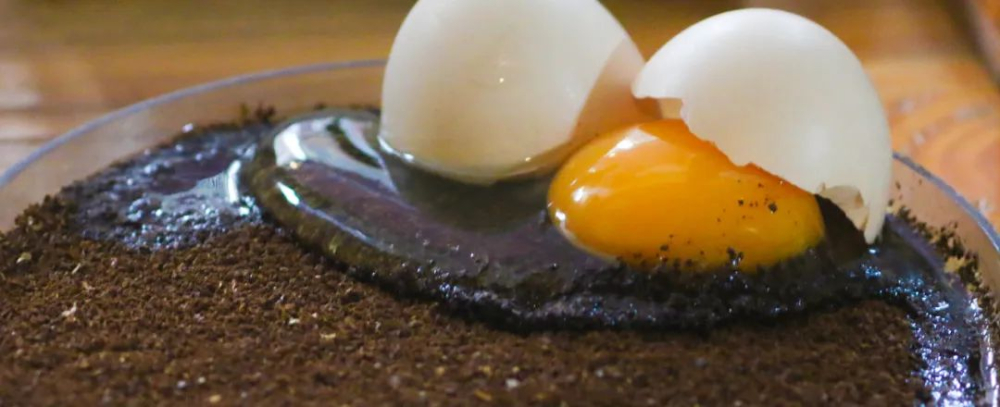
The Nordic school focuses on coffee clarification technology. **Pre-mixing fresh egg white with coffee grounds** is the key step—usually one egg white for every 25 grams of medium-fine ground coffee. During cooking, maintain medium-low heat (about 85°C); after the water comes to a gentle boil, pour in the mixture and stir continuously for 15 seconds so the coffee layer is evenly heated. **After 1 minute and 30 seconds, turn off the heat and quickly add 50 milliliters of cold water**, using the temperature difference to make the coagulated egg white-coffee grounds complex settle quickly. This method is especially suitable for emergency brewing when no dripper is available, but note that the grind should not be too fine (slightly coarser than pour-over is recommended) to avoid a burnt, bitter taste from prolonged heating.
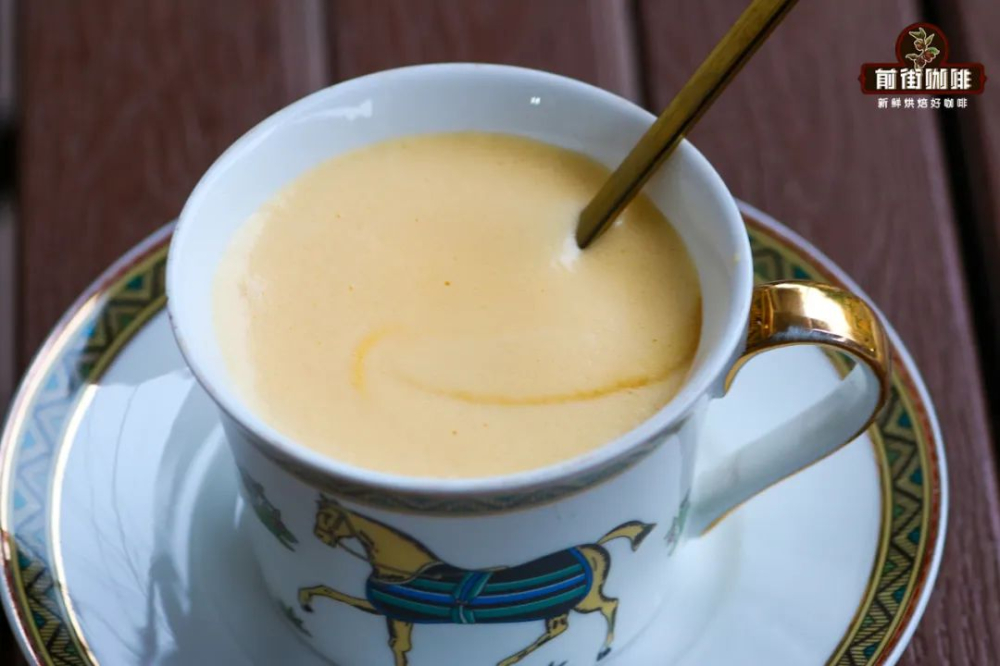
The logic behind the use of eggs in the two methods is completely different: the Vietnamese approach creates a dense mouthfeel through egg yolk fat and sugar, similar to the modern coffee milk cap concept; the Nordic technique uses the flocculation of egg white proteins to filter out impurities. For home preparation, pay special attention to hygiene; all tools that touch raw eggs must be thoroughly cleaned. If you are worried about the safety risk of raw egg yolk, you can choose pasteurized liquid egg to replace fresh egg yolk.
In terms of flavor, the Vietnamese style has a distinct caramel sweetness due to the use of condensed milk and is suitable with crisp pastries; the Nordic version is closer to a pure black coffee experience, with brighter acidity. Advanced enthusiasts can try adjusting the ratios—for example, adding a little vanilla extract to the Vietnamese recipe to enhance complexity, or mixing a small amount of sea salt into the Nordic brewing method to balance the taste. Both methods are best made with freshly roasted coffee beans (within 7-21 days after roasting) to obtain the best aroma release.
Common problems include: insufficient whipping of the egg yolk causing the layers to fail (the solution is to extend the whipping time until the color lightens and the volume increases); cloudiness in the Nordic brewing method (ensure the final cooling step is sufficient); and residual coffee grounds (it is recommended to let it settle for no less than 3 minutes). For storage, the Vietnamese version can be refrigerated for 2 hours, while the Nordic brewing method is best drunk immediately after brewing to ensure flavor.
These innovative methods demonstrate the adaptability of coffee culture—whether it is a wartime substitute for scarce ingredients or a practical improvement for daily drinking, both confirm coffee's inclusiveness as a global beverage. After mastering these techniques, you can further adjust the parameters according to personal taste, such as increasing the amount of sugar for a sweeter, richer Vietnamese style, or reducing the water amount to increase the concentration of the Nordic version.