Pour-Over Guide for Dark Roast Coffee: Mandheling, Blue Mountain and Brazil Parameters
Introduction: Dark roast coffee often suffers from excessive bitterness, but mastering the right brewing method can highlight its rich caramel aroma and nutty character. This article explains the flavor profiles of medium-dark roasted Mandheling, Blue Mountain and Brazil beans, analyzes the causes of bitterness and offers adjustment plans for key parameters such as water temperature, coffee bed control and coffee-to-water ratio, helping you brew a balanced, smooth pour-over cup.
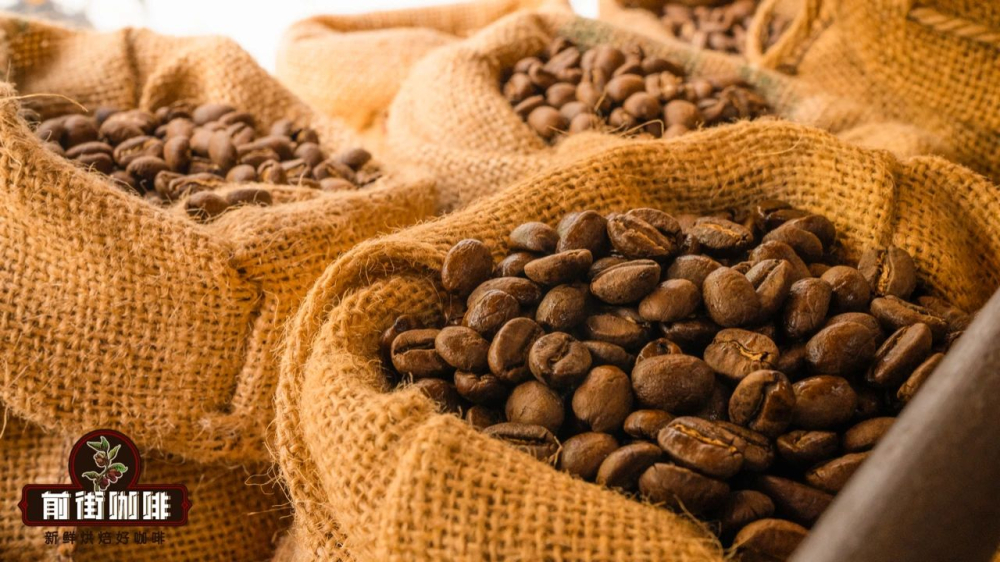
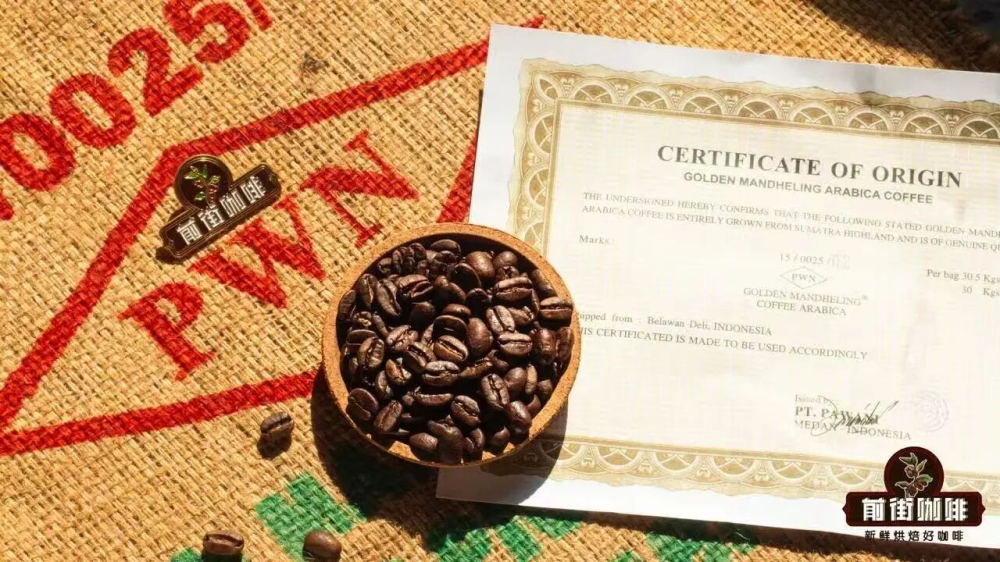
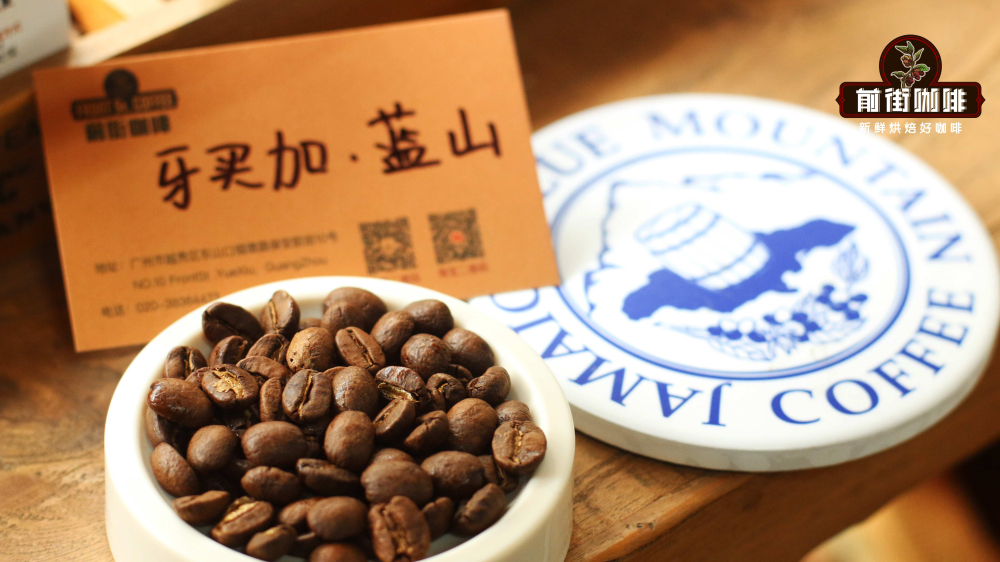
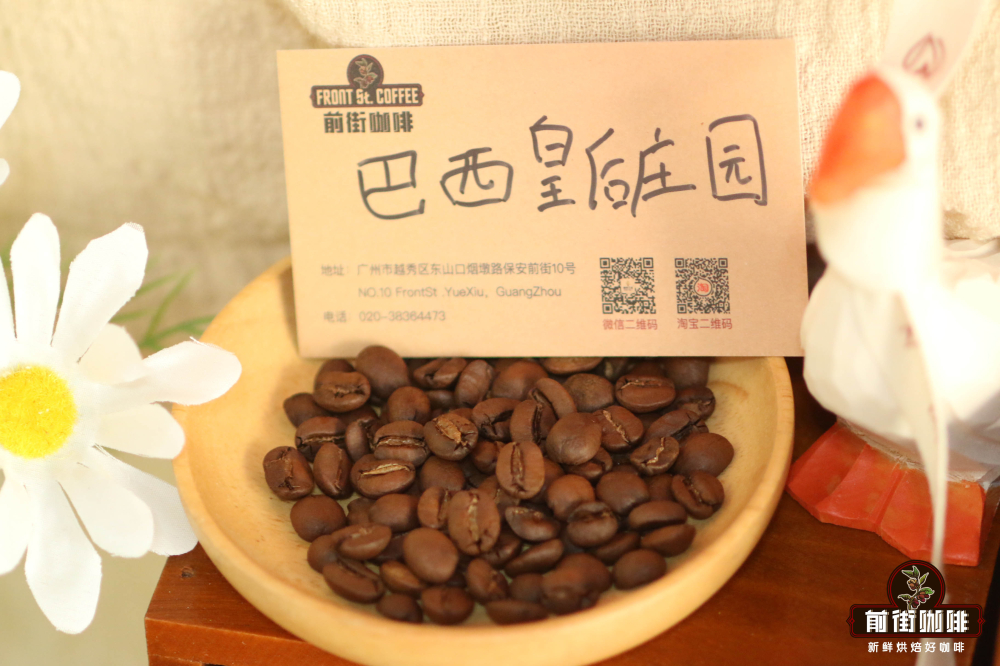
Dark roast coffee beans are known for their intense, dark-chocolate-like bitterness, along with a full body and traditional caramel aroma. Common examples include Indonesian Mandheling, which gives off herbal and spice notes; Jamaican Blue Mountain, which offers a nutty flavor balancing acidity, sweetness and bitterness; and Brazil beans, known for mixed nut aromas and light sugarcane sweetness. However, if these beans are brewed improperly, they easily produce unpleasant burnt-bitter or smoky sensations.
Coffee bitterness can be divided into two types: good and bad. High-quality bitterness is layered like caramel or dark chocolate, with a clear sweet aftertaste; poor bitterness manifests as burnt-bitter, astringent or woody flavors. When brewing, focus on avoiding the latter and improve flavor purity through parameter adjustments.
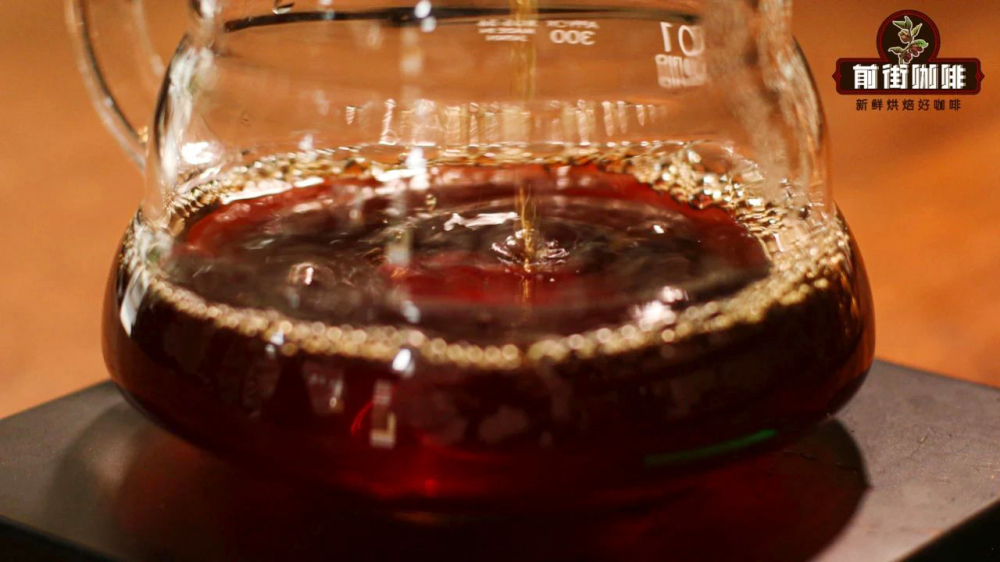
Lowering the water temperature is a common way to improve bitterness, but a reasonable range must be observed. For dark roast coffee, the recommended water temperature is 86-89°C—if brewing at 89°C is too bitter, try lowering it to 86-87°C; but below 83°C may cause under-extraction, resulting in a flat, sour and astringent sensation. In practice, small-batch tests are recommended to find the flavor balance point.
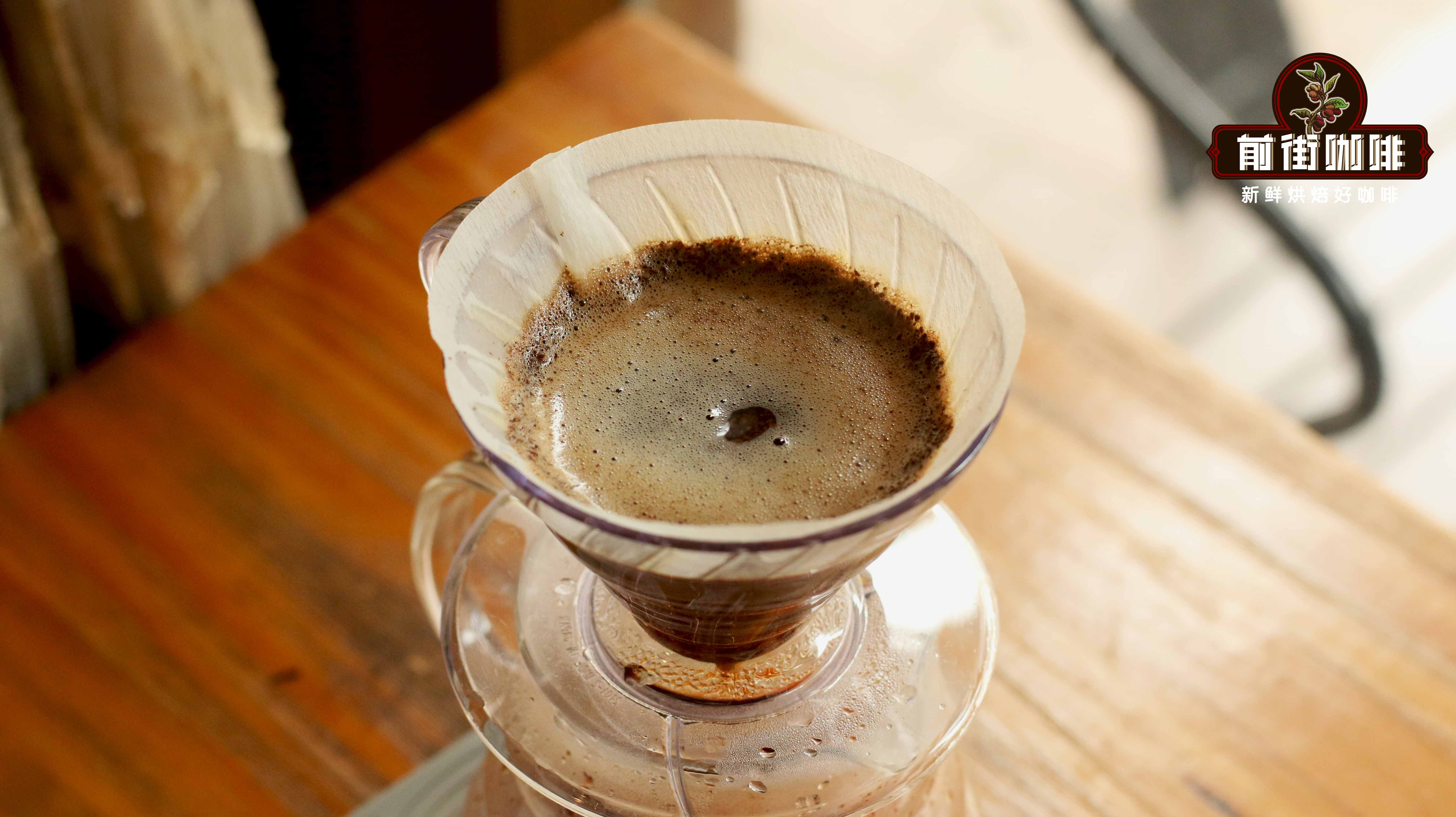
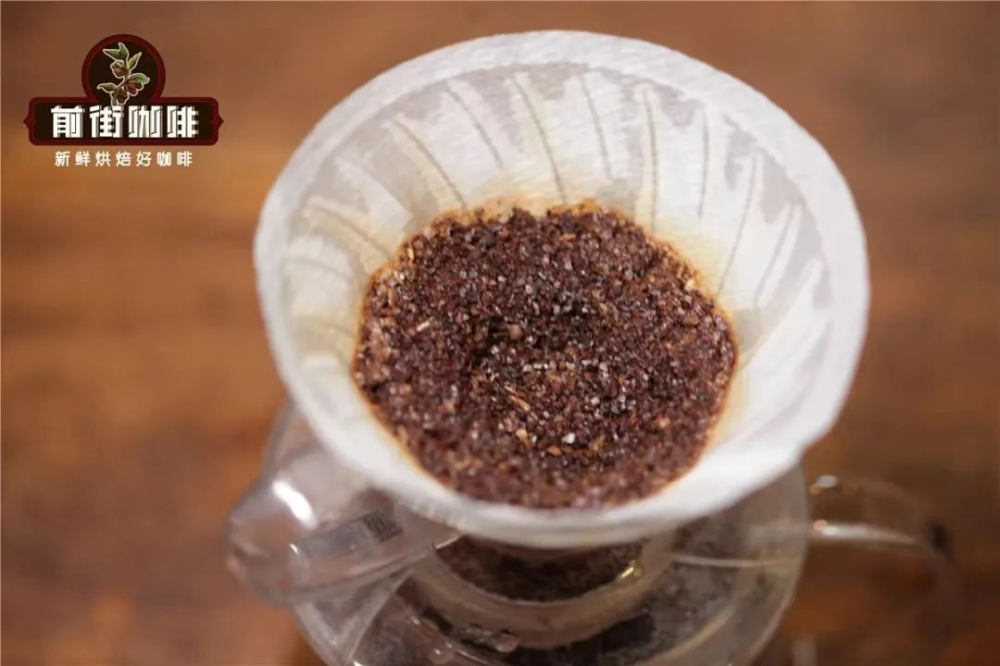
The shape of the coffee bed significantly affects bitterness. The ideal state is a uniform coffee wall on the dripper walls with a concave "bowl" shape in the center, which requires gradually raising the coffee bed height during pouring. If the bed stays flat throughout, extraction becomes concentrated and bitter compounds are over-released. Observe the brewing process to ensure the water flow drives the coffee bed to form a dynamic extraction zone.
Some enthusiasts use a 1:12 to 1:13 coffee-to-water ratio in pursuit of a rich body; although this reduces miscellaneous bitterness, it easily leads to excessive concentration. For dark roast beans, a 1:15 coffee-to-water ratio is recommended—although the absolute concentration is slightly lower, it improves overall smoothness and flavor balance. Adjust slightly to personal taste in practice, but it is recommended to start with standard parameters and conduct gradient experiments.
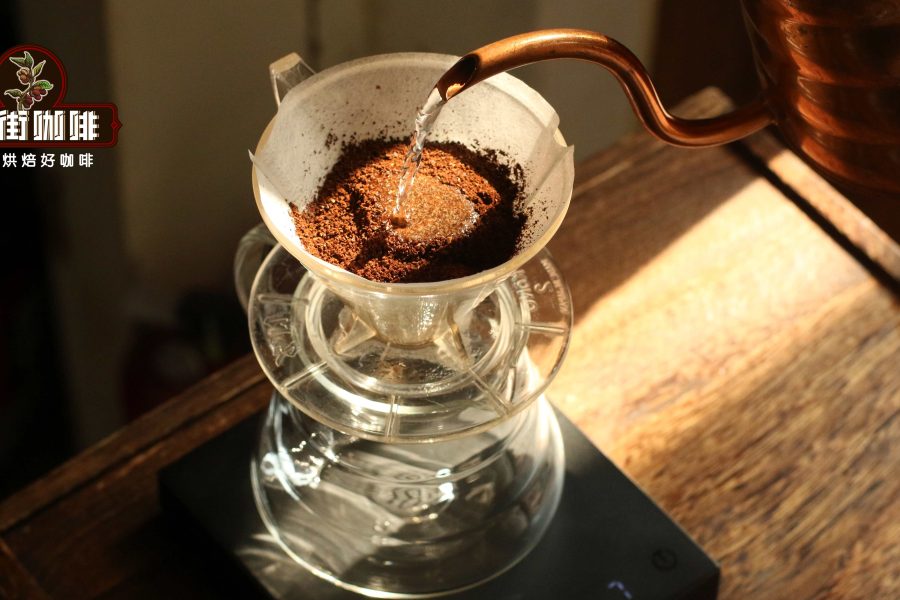
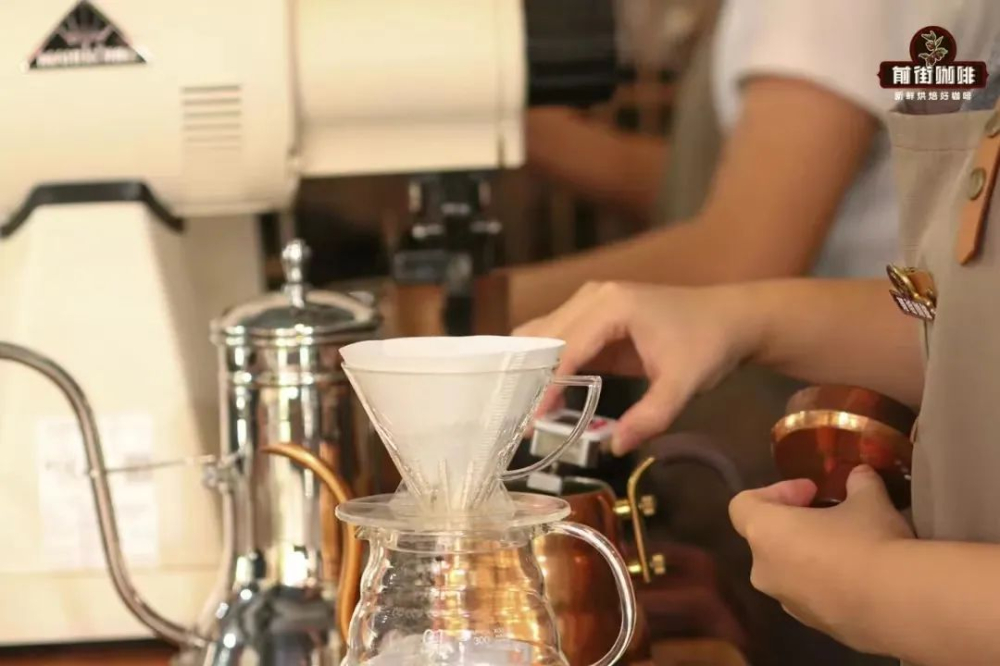
Beyond the basic parameters, note the following details: choose a medium-fine grind (similar to granulated sugar) to ensure a 2-3 minute extraction time; during pre-infusion, pour a small amount of hot water and let it bloom for 30 seconds to activate the coffee grounds; keep the water flow steady during staged pouring to avoid over-extraction at a single point. Regularly cleaning brewing equipment also effectively reduces off-flavor interference.
When obvious bitterness occurs, adjust comprehensively across three dimensions: water temperature, coffee bed and coffee-to-water ratio. First check whether the coffee bed has formed the ideal concave structure, then confirm whether the water temperature is within the recommended range, and finally consider appropriately loosening the coffee-to-water ratio. Through systematic parameter optimization, even dark roast beans can display rich layers rather than a single bitter note.
After mastering these techniques, the herbal spice of medium-dark roasted Mandheling, the nutty balance of Blue Mountain and the sugarcane sweetness of Brazil beans will emerge more clearly. Record the parameters and flavor changes of each brew to gradually build a brewing plan suited to personal taste, making dark roast coffee a flavor vehicle that showcases your technical skill.