Cockroach Leg Found in Milk Tea: Shenzhen Store Hygiene Incident and Consumer Rights Guide
Introduction: A consumer found a cockroach leg mixed into a drink at a well-known milk tea shop in Shenzhen, sparking widespread concern about beverage hygiene. This article details the incident, explains the compensation standards set by the Food Safety Law, provides practical steps for consumers to protect their rights, and invites professionals to share key pest control measures for milk tea shops, helping you avoid similar consumption risks.
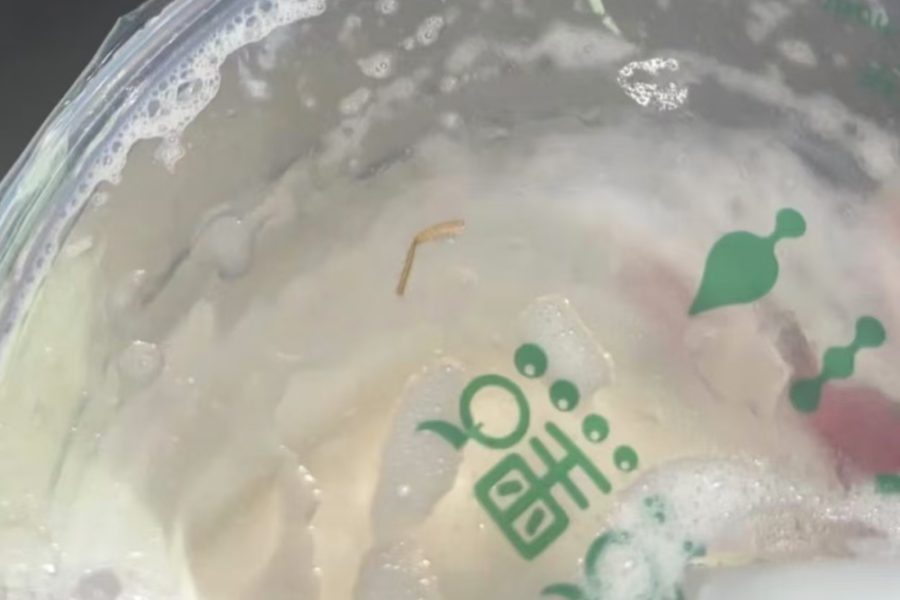
Recently, a consumer shared an unpleasant beverage experience on social media: after buying an iced tea with red bean at a milk tea store in the Dongmen Jin Shijie business district of Shenzhen, they discovered a piece of cockroach leg in the cup while drinking, which was nauseating.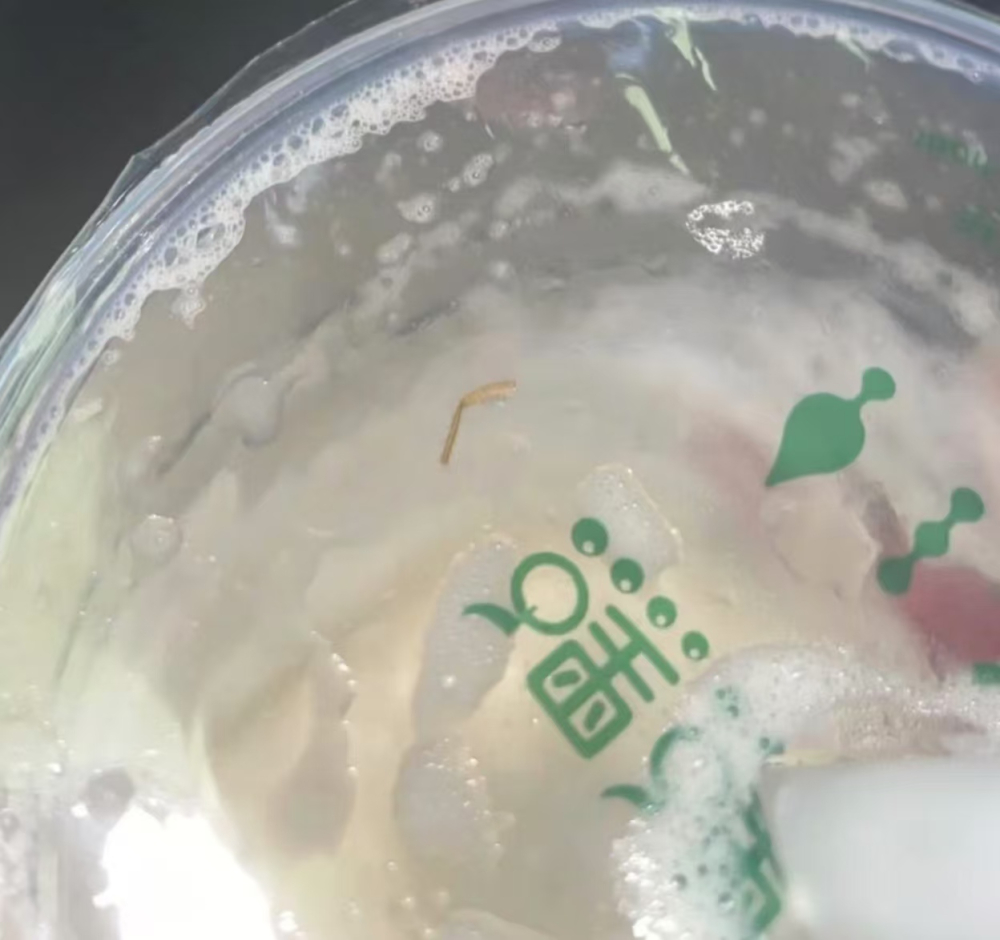 According to the consumer, when they drank to the bottom of the cup, they felt a foreign object in their mouth; spitting it out, they found it was an insect limb and immediately felt extremely uncomfortable.
After the incident, the consumer immediately approached the store manager to report the situation and expressed strong dissatisfaction with the drink's hygiene. From on-site communication, it was learned that the store manager claimed the store had recently undergone a hygiene inspection and had never had a similar incident before, and also appeared confused about the source of the cockroach leg. Nevertheless, the store initially proposed refunding the purchase amount and additionally compensating three times the cost.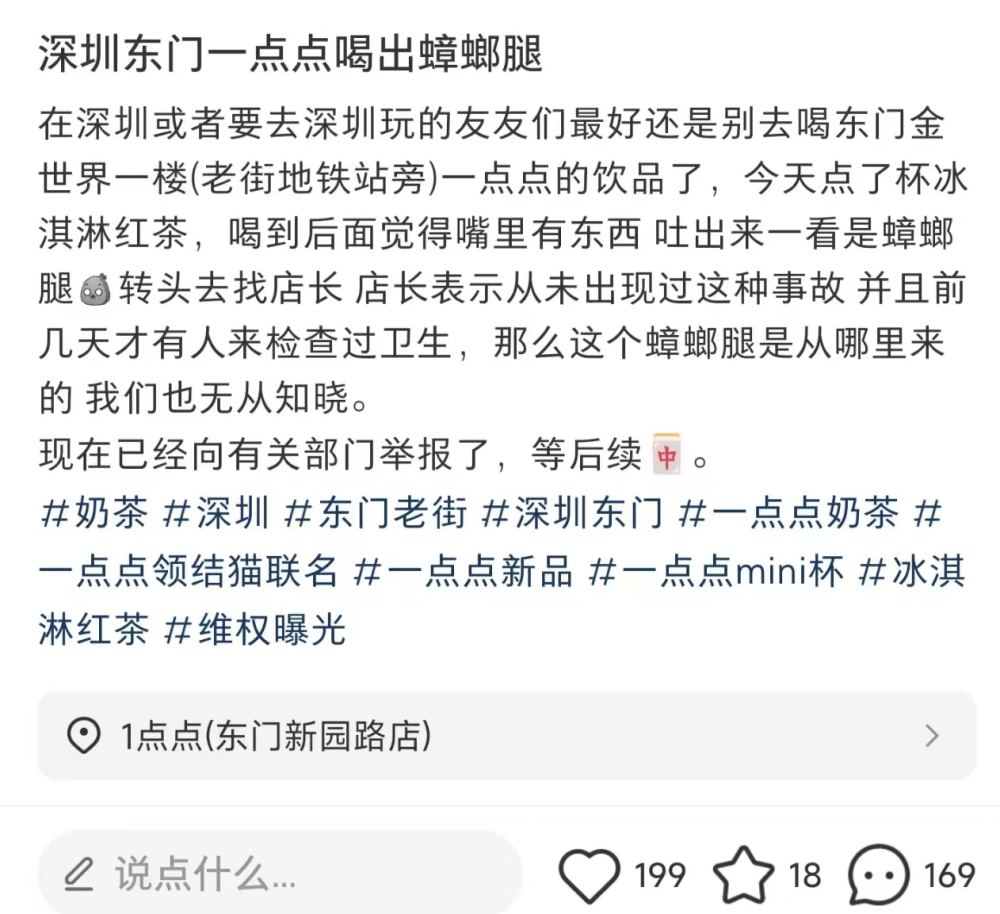
However, according to Article 148 of the Food Safety Law of the People's Republic of China, when consumers suffer harm from food that does not meet food safety standards, in addition to claiming compensation for losses, they may also demand from the operator or producer compensation of ten times the price paid or three times the losses; if the increased compensation amount is less than one thousand yuan, it shall be calculated as one thousand yuan. Based on this regulation, the consumer demanded compensation of ten times the order amount, but the two parties ultimately failed to reach an agreement on the compensation amount.
To protect their rights, the consumer submitted a food safety complaint against the store through the Shenzhen government's official platform. Soon after, they received a reply text message from the platform stating that the complaint had been transferred to the Luohu Regulatory Bureau of the Shenzhen Municipal Market Supervisory Authority for handling, and they are currently waiting to supplement relevant evidence materials.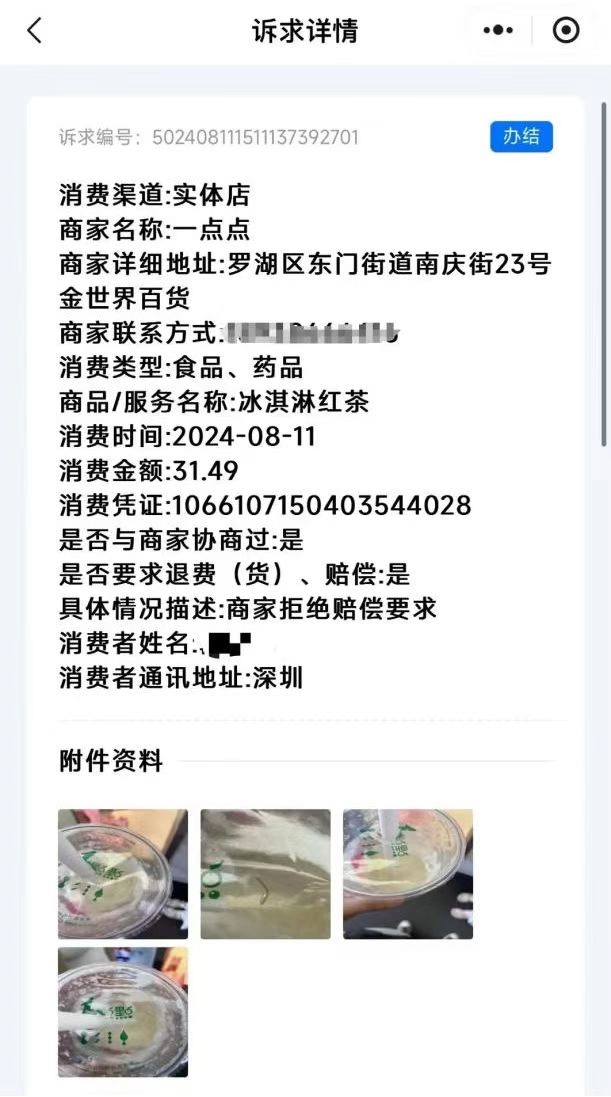
The person in charge of the milk tea shop involved responded in a media interview that they had actively negotiated compensation with the consumer but failed to reach a consensus due to differences over the compensation amount. The person in charge stated they would fully cooperate with the market regulatory authorities' investigation and promised to provide reasonable compensation in accordance with regulatory requirements.
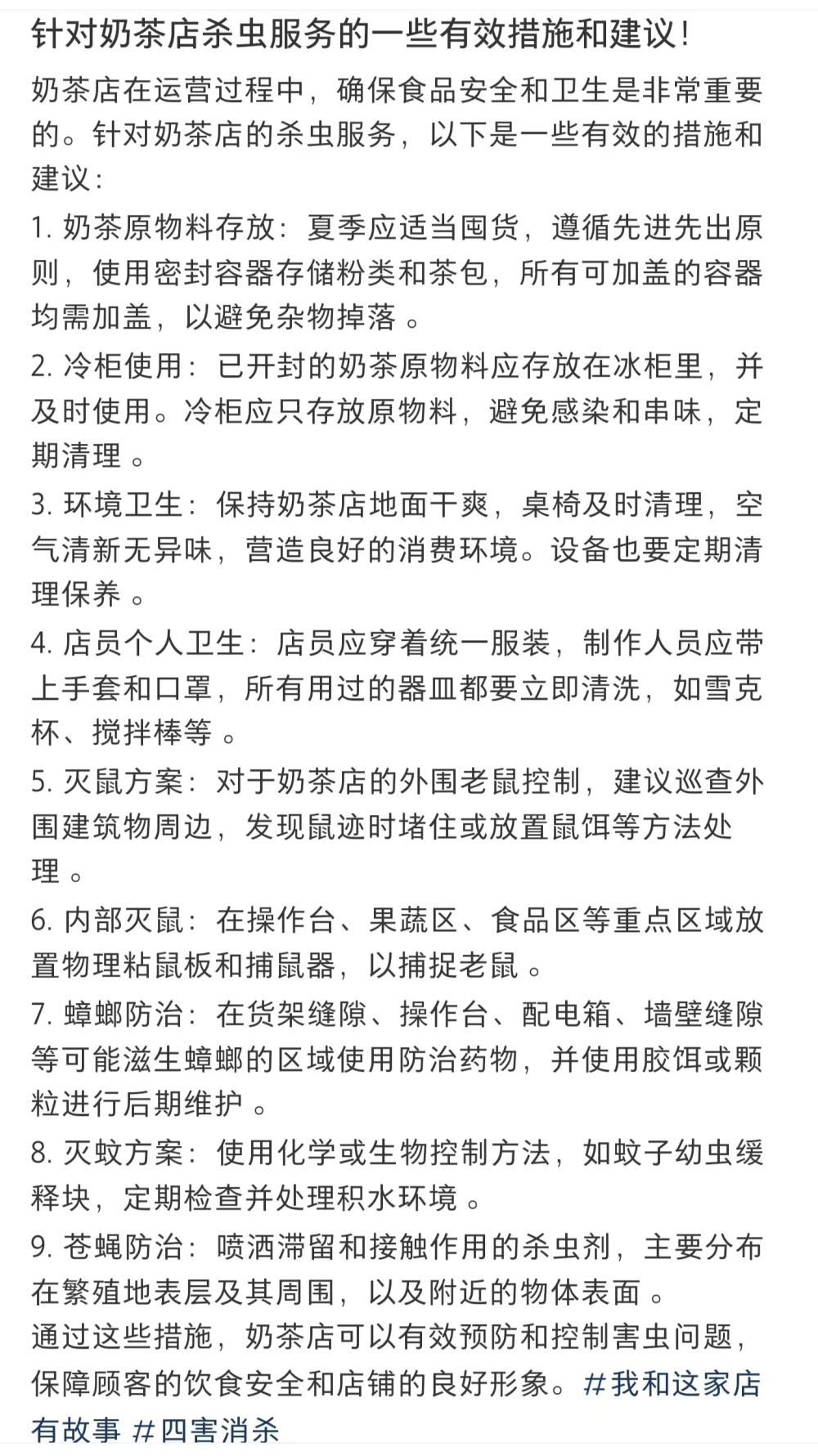
This incident once again raised public concern about hygiene and safety in the beverage industry. A professional engaged in pest control pointed out that food and beverage establishments such as milk tea shops should pay special attention to the prevention and control of pests like cockroaches. It is recommended that in daily store operations, professional control drugs be focused on areas prone to cockroach breeding, such as shelf gaps, countertops, around distribution boxes, and wall cracks, and that regular maintenance be carried out with gel baits or granular agents.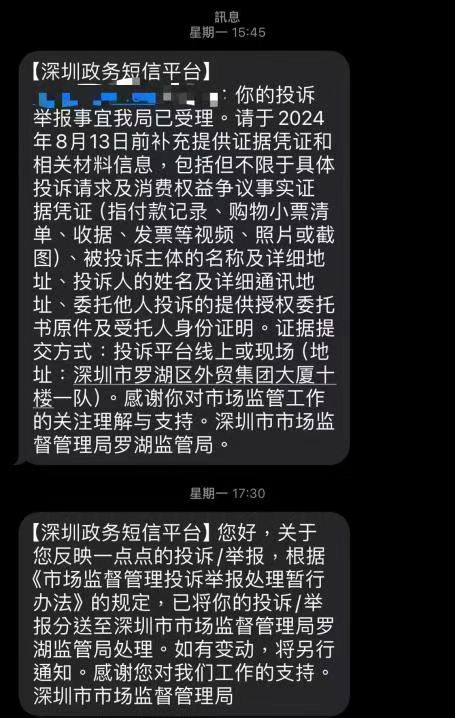
In addition, for flying insect problems such as mosquitoes, chemical or biological control methods can be adopted, for example, placing slow-release blocks for mosquito larvae and regularly checking water accumulation areas in the store and cleaning them promptly to prevent breeding. These measures help beverage stores establish a more complete hygiene protection system.
For consumers at large, when encountering similar food safety issues, they should keep consumption receipts, the problematic food itself (if possible), and on-site photos or videos, and promptly file complaints through the 12315 platform or the local market regulatory authorities. In the process of protecting their rights, clearly citing the relevant provisions of the Food Safety Law helps improve the efficiency of complaint handling and the success rate of compensation. Practitioners in the beverage industry should also take this incident as a warning, strengthen store hygiene management, improve pest control measures, and win customer trust with high-quality products and a safe consumption environment.
This Shenzhen milk tea cockroach leg incident not only exposed hygiene management loopholes in an individual store but also sounded an alarm for the entire industry. While enjoying delicious drinks, consumers should also raise their vigilance and learn to use legal weapons to protect their rights.