Nestlé's New CEO Laurent Freixe: Can Coffee Return to Peak?
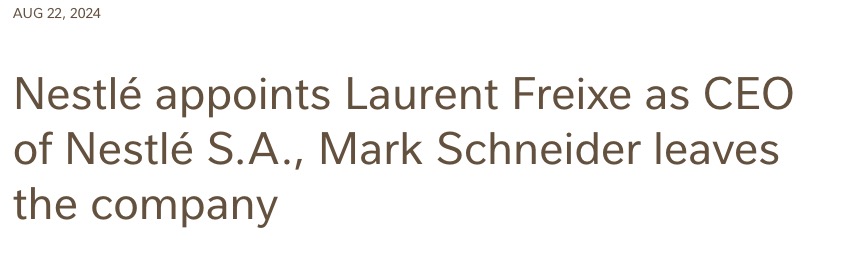
Introduction: Global food giant Nestlé recently announced a major personnel change: Laurent Freixe, current head of the Latin America zone, will take over as CEO in September. How will this veteran of a core market lead Nestlé through its sales decline? This article analyzes the strategic adjustments behind the leadership change, reveals the secret of Latin America's growth against the trend, and explores shifting consumer trends in specialty coffee and instant coffee.
This morning Beijing time, Switzerland-based food industry leader Nestlé Group announced a major leadership change: Laurent Freixe, 62, executive vice president and president of the Latin America zone, will officially take over as chief executive in September. It is the group's first internal CEO succession in eight years, marking a return of Nestlé's strategic focus to its core business.
During his eight years in office, outgoing CEO Mark Schneider led several landmark acquisitions—including the $3.3 billion purchase of specialty coffee brand Blue Bottle and global retail rights to Starbucks products. While these moves consolidated Nestlé's voice in coffee, his aggressive strategy of cross-industry acquisitions of healthcare companies contrasts sharply with the current need to refocus on the core business.
The incoming leader, Laurent Freixe, made his position clear in an interview: "Priority will go to consolidating existing core brands and key markets." Compared with his predecessor's frequent capital operations, he favors growth through operational optimization. The strategic shift is timely—the latest earnings show Nestlé's first-half 2024 sales fell 2.7% year on year, with every zone except Latin America contracting.
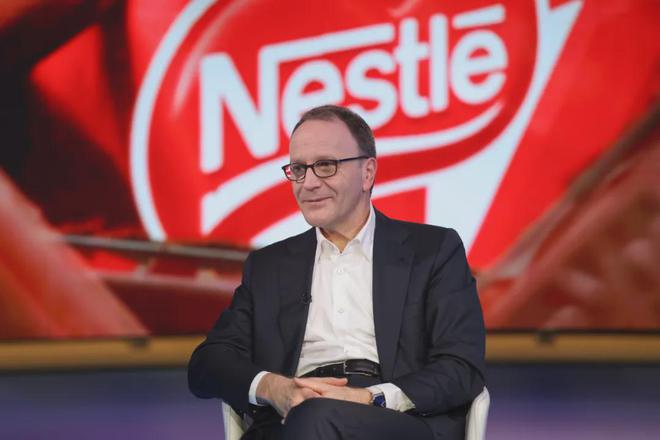
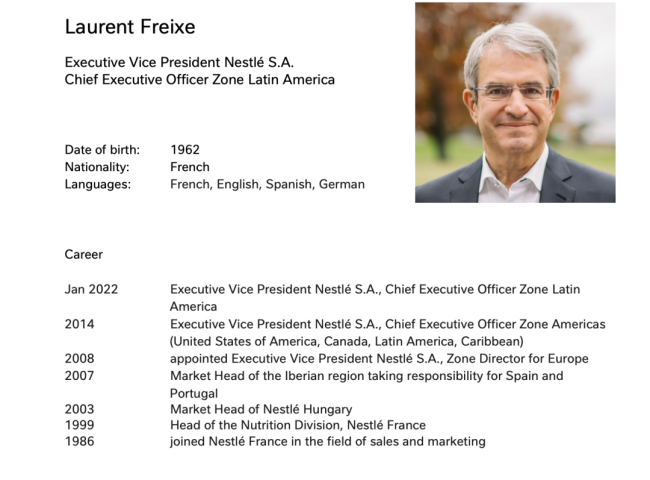
Notably, the Latin America zone has shown strong resilience under Freixe: sales reached 12.196 billion Swiss francs in 2023 and continued growing to 6.166 billion in the first half of 2024. The zone's consecutive positive growth stands out against the global downturn, and it became a key reason the board chose him as successor. Data show the zone's compound growth rate over the past two years reached 2.3%, far above the industry average.
A worsening global business environment has prompted several giants to change leaders in pursuit of change. Just a week before Nestlé announced its new CEO, Starbucks also completed a management change, with its stock rising more than 20% after new CEO Brian Niccol took office. These cases reflect a common challenge for consumer-sector leaders: how to maintain growth momentum during a market slump.
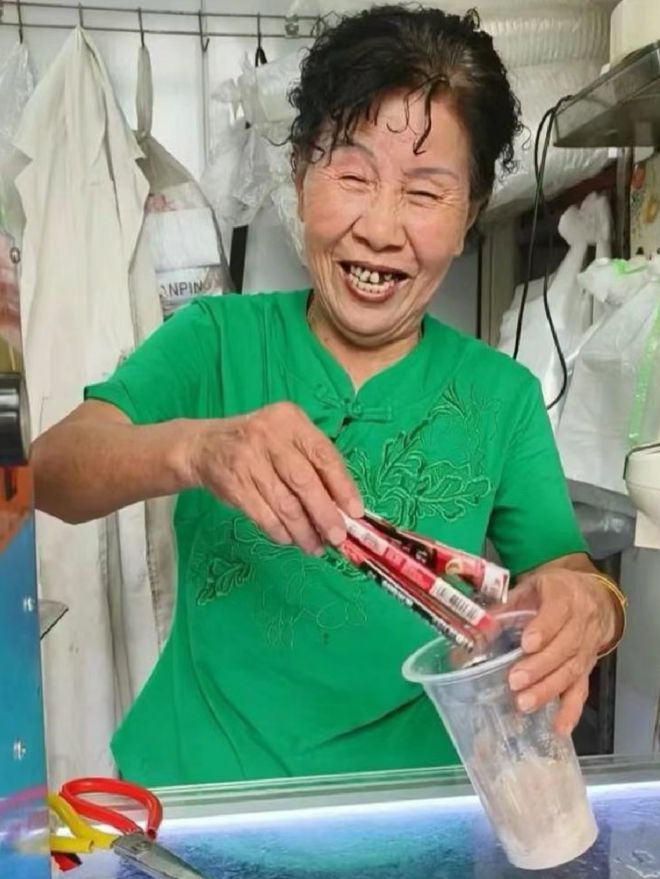
From the consumer perspective, despite the popularity of specialty coffee culture, Nestlé instant coffee remains a force to be reckoned with. The "three-sachet instant pour-over" phenomenon on the streets of Nanjing unexpectedly revealed the situational value of instant products—when an auntie brews openly on the spot, the ten-yuan price combined with the sense of a freshly made ritual wins market recognition. This phenomenal case reminds us that in the era of coffee consumption stratification, product-form innovation and experience reconstruction matter equally.
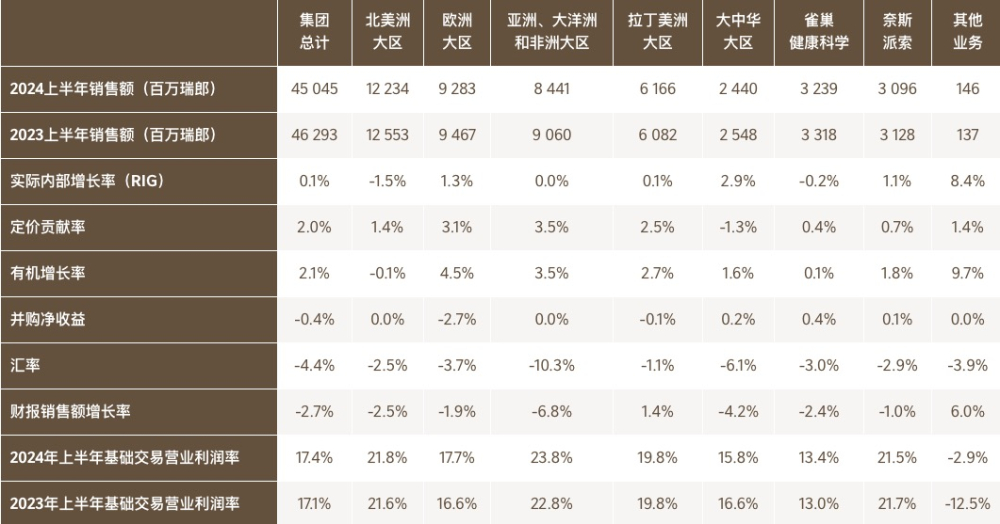
From an organizational standpoint, Nestlé's 2022 zone-system reform was significant. Splitting the former Asia, Oceania and Africa zone into Greater China and the AOA zone both reflected a strategic tilt toward the Chinese market and improved decision-making efficiency. The current success of the Latin America zone may offer a transformation reference for other regions—especially in building localized supply chains and iterating flagship products.
Industry observers note that Freixe's challenges go beyond a sales recovery. How can he maintain the advantage of the core coffee business while balancing the differentiated needs of emerging markets? How should the synergies of past acquisitions be handled? The answers will determine Nestlé's trajectory over the next five years. And this Latin America chief, known for his steadiness, is bringing his core-market philosophy to the center of the group's power.



