Starbucks persimmon milk drink sparks debate: is it healthy?

Introduction: Starbucks recently launched three regional limited-edition drinks in Shanghai, among which the Shaanxi-style "Fire Crystal Persimmon Frappuccino" has sparked health discussions over pairing persimmon with milk. This article takes an in-depth look at the new drink's ingredient combination, taste experience and nutritional controversy, while explaining the scientific principles of pairing persimmon with dairy products to help consumers view viral drinks rationally.
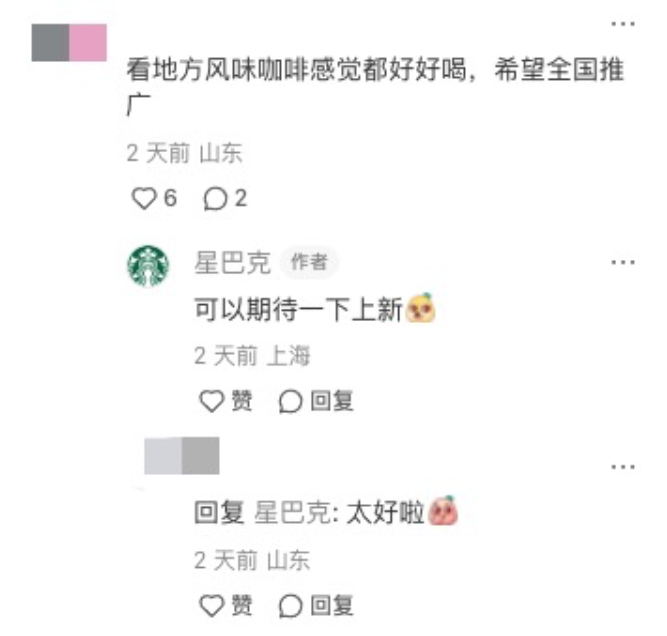
Recently, Starbucks unveiled three regional specialty drinks at Shanghai's "Road Life Festival," among which the "Qin-Jin Fire Crystal Persimmon Frappuccino" quickly became a hot topic on social platforms thanks to its sweet, juicy, bursting texture. This frappuccino, starring Shaanxi's specialty fire crystal persimmon, is topped with a light cream layer and sweet milk crumble; the official description emphasizes the harmony between the persimmon's natural sweetness and the dairy products.
In addition to the persimmon series, the concurrently released "Yan-Zhao Chestnut Red Bean Paste Latte" offers a rich sugar-roasted chestnut flavor paired with delicate red bean paste layers; the "Ba-Min Pomelo Tieguanyin Tea Latte" innovatively blends two kinds of pomelo fruit aroma with tea notes, forming a unique balance of slight bitterness and sweet aftertaste.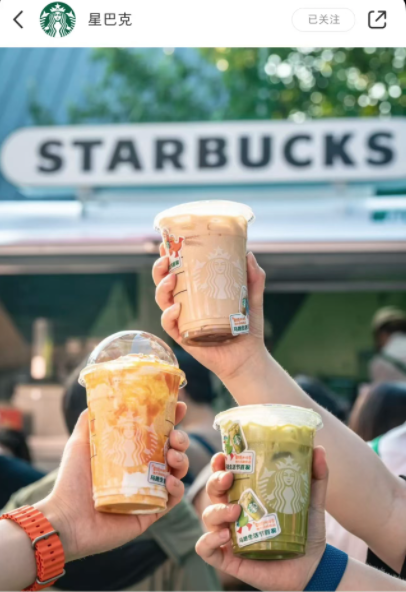 According to on-site consumer feedback, the three drinks are available for a limited time during the Road Life Festival, and even in Shanghai they must be purchased through specific channels.
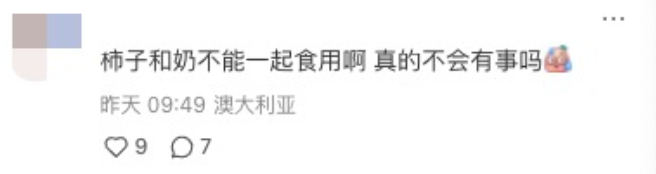
The most controversial of the new products is undoubtedly the Fire Crystal Persimmon Frappuccino—its name once sparked amusing misreadings online, with a large number of comments mistaking "fire crystal persimmon" for "Mars persimmon," a topic that garnered over 200 interactions and resonances.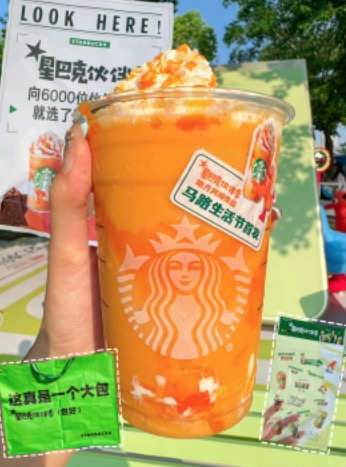 But more consumers are focused on health concerns: could the classic taboo of pairing persimmon with milk affect the safety of this new product?
From the Starbucks menu description, the Shaanxi fire crystal persimmons used in this product are known for their high sweetness and plump flesh, and the dairy products paired with them appear as a top cream layer and milk crumble pieces.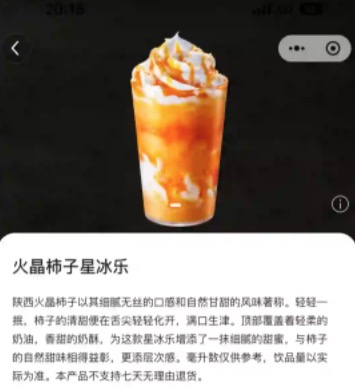 Industry insiders reveal that similar persimmon tea drinks often use oat milk instead of traditional milk; this plant-based ingredient, being lactose-free and lower in fat, can effectively reduce the risk of tannic acid-protein reactions.
Regarding the scientific controversy over persimmon and dairy products, authoritative medical experts point out that the key lies in the interaction between tannic acid and protein.The chief physician of Guang'anmen Hospital, China Academy of Chinese Medical Sciences, clearly stated that the large amount of tannic acid in persimmons (about 0.45%-4.7%) may form insoluble complexes when it meets casein in milk, causing digestive discomfort.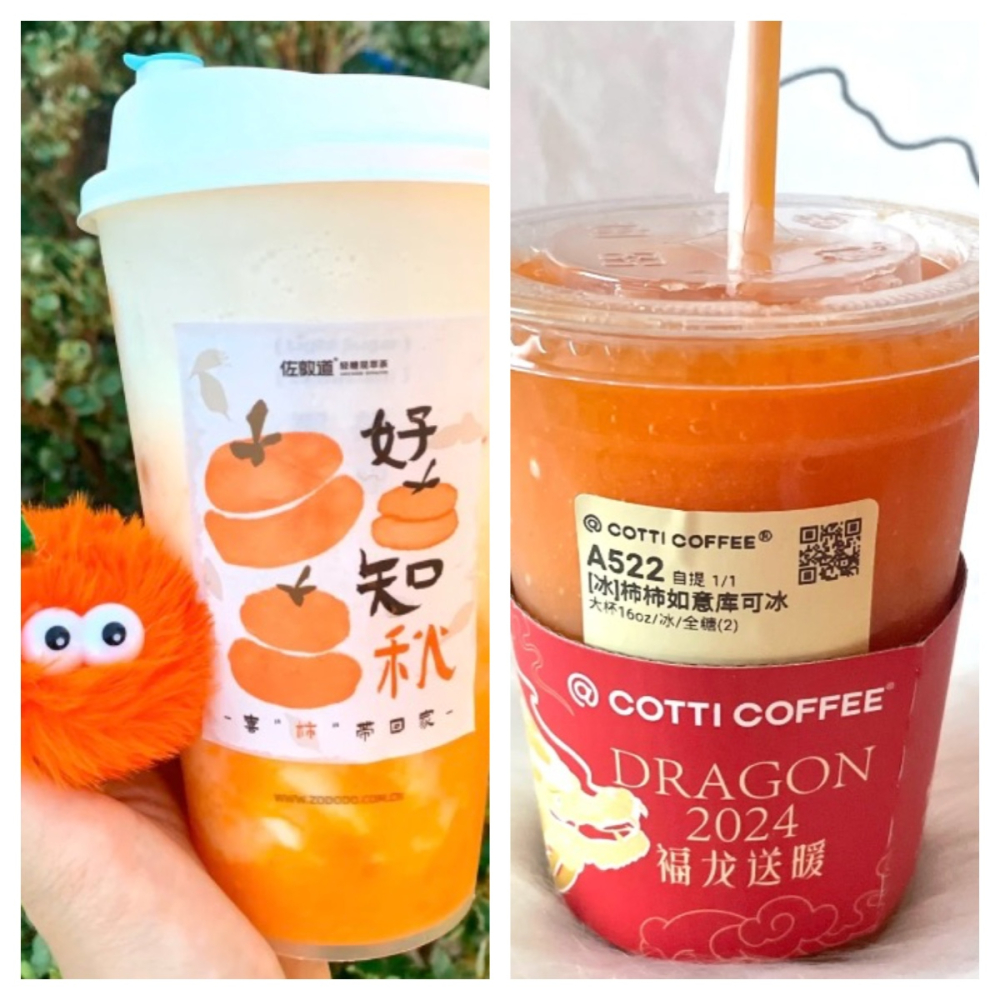 However, the actual degree of impact depends on the amount consumed and individual differences; small amounts usually do not cause serious symptoms.
It is worth noting that most persimmon drinks on the market actually use alternatives such as oat milk and coconut milk.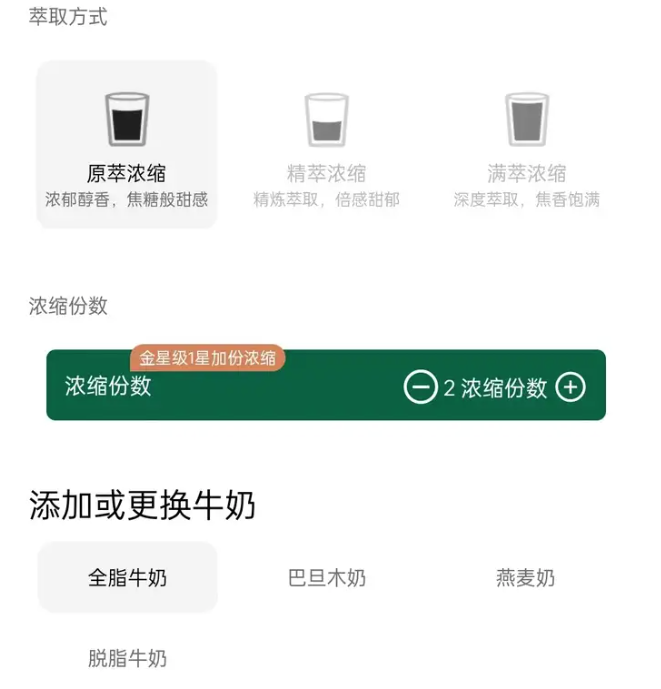 When purchasing, consumers should check the ingredient list: if it clearly states the use of milk and contains whole persimmon flesh, it is advisable to avoid drinking on an empty stomach and to control the amount consumed at one time; if choosing a plant-based milk version, restrictions can be relaxed appropriately, but total sugar intake should still be noted.
This incident reflects the coexistence of innovation and controversy in the new tea drink market. For consumers, it is important both to maintain curiosity about emerging flavors and to master basic nutritional pairing knowledge.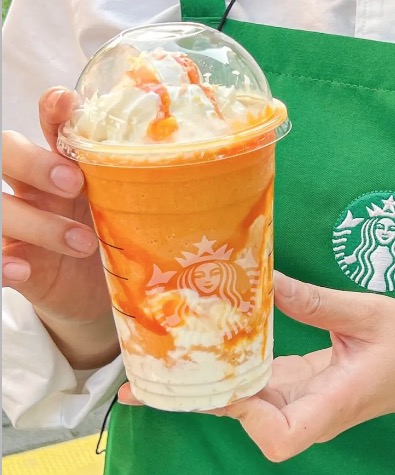 Whether trying limited-edition new products or drinking daily, only by viewing the science of ingredient combinations rationally can one better enjoy the taste experience brought by coffee and tea drinks.