Is a 10-hour queue for Hangzhou milk tea worth it?
Lead: A Suzhou milk tea brand's first store recently opened in Hangzhou, where online orders reportedly required a wait of 10 hours and 40 minutes, sparking heated discussion. This article analyzes the reasons behind the phenomenon, explores why consumers are willing to wait so long, reveals the queue marketing tactics of viral milk tea shops, and offers rational consumption advice to help you judge whether it is worth queuing for hours for viral milk tea.
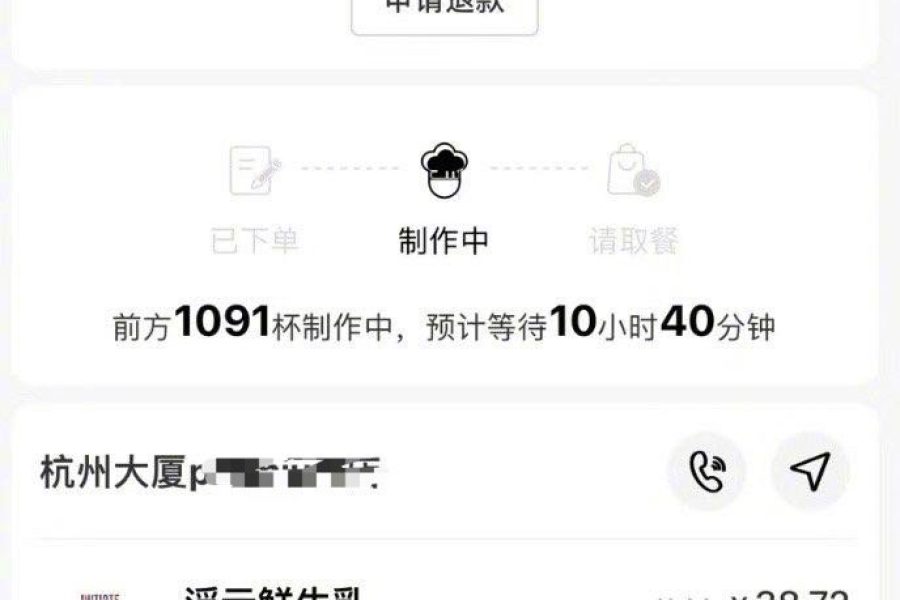
A milk tea brand from Suzhou called "BONJOUR" recently opened its first store in Hangzhou Tower, quickly triggering a queuing frenzy. A netizen shared an online ordering experience showing 1,091 cups ahead and an estimated wait of 10 hours and 40 minutes—a figure many consumers called unbelievable. This is not an isolated case; other consumers also posted order screenshots showing waits ranging from 5 to 9 hours, igniting a citywide debate over whether milk tea is worth such a long wait.
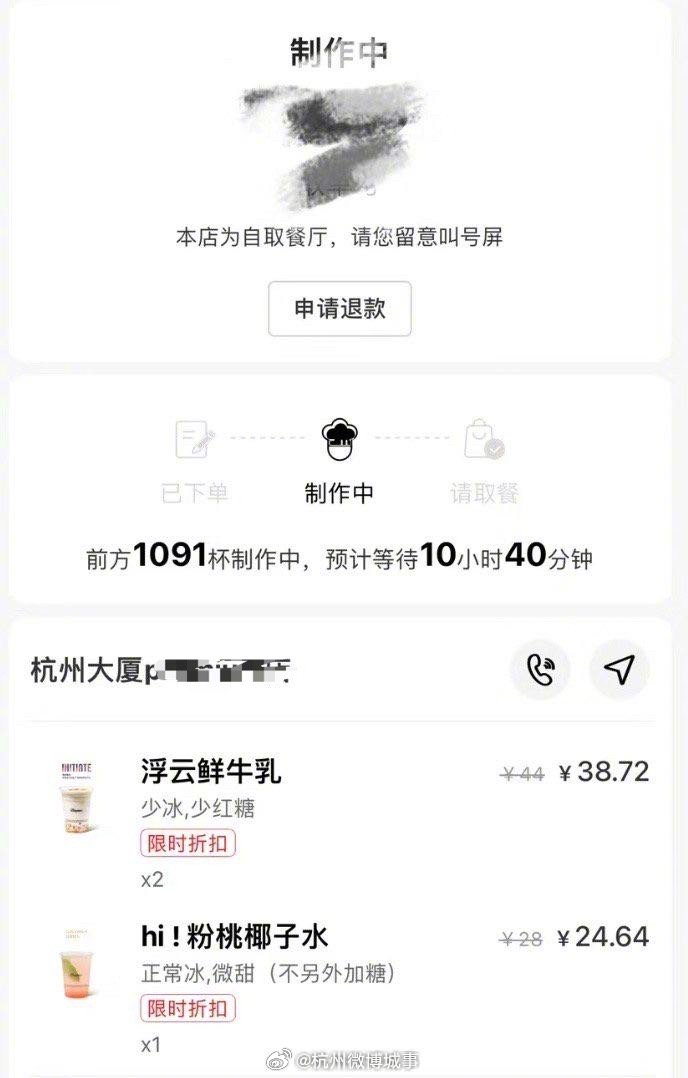
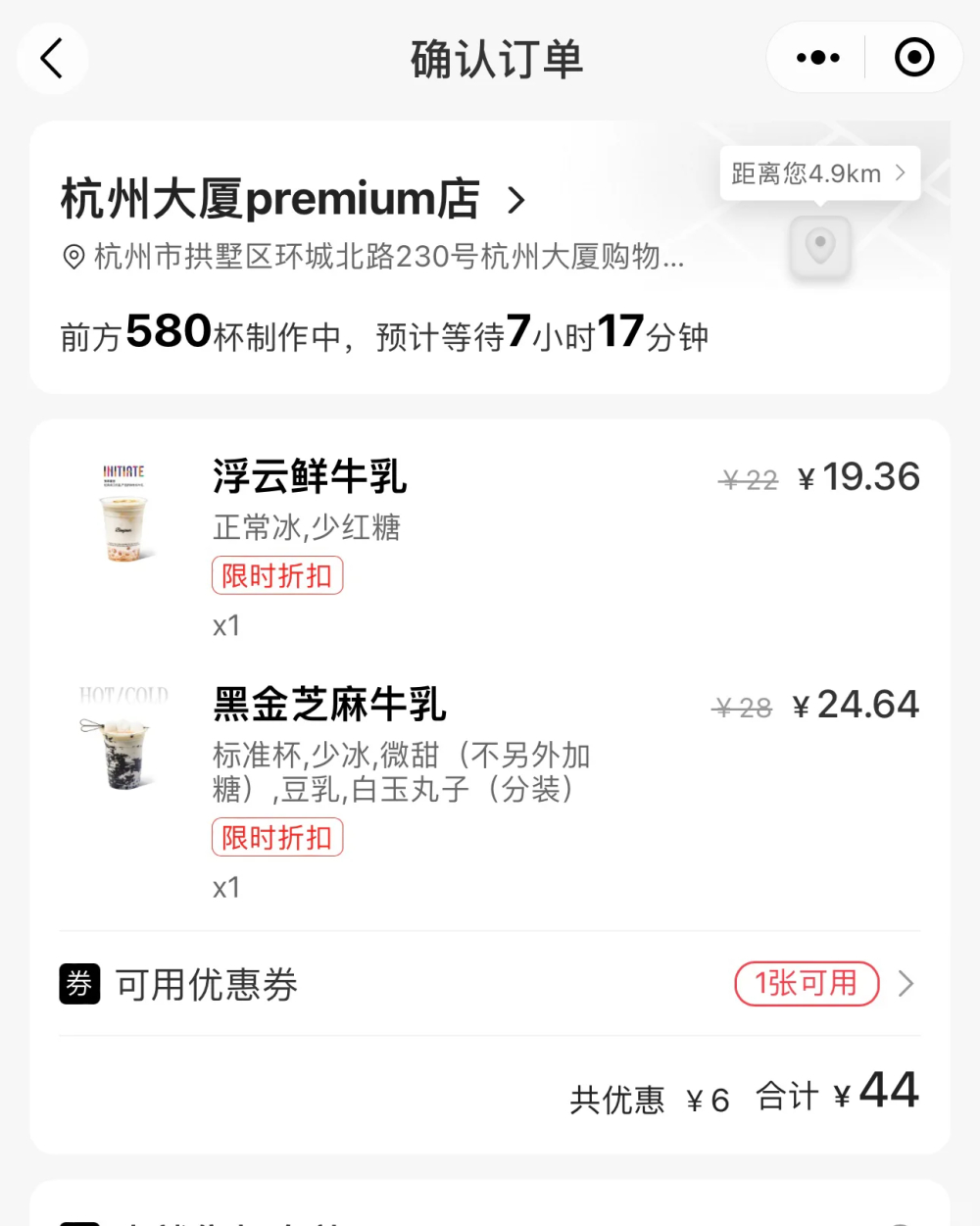
Social media has been flooded with order screenshots from Hangzhou netizens, with queue times generally measured in hours. One consumer showed a wait of 7 hours and 17 minutes with 580 cups ahead; even more extreme was 1,301 cups ahead with an estimated wait of 9 hours and 7 minutes. These figures leave onlookers wondering: is Hangzhou's milk tea market really so hot that such long waits are necessary? Among the many milk tea shops to choose from, why does this particular one require such a long queue?
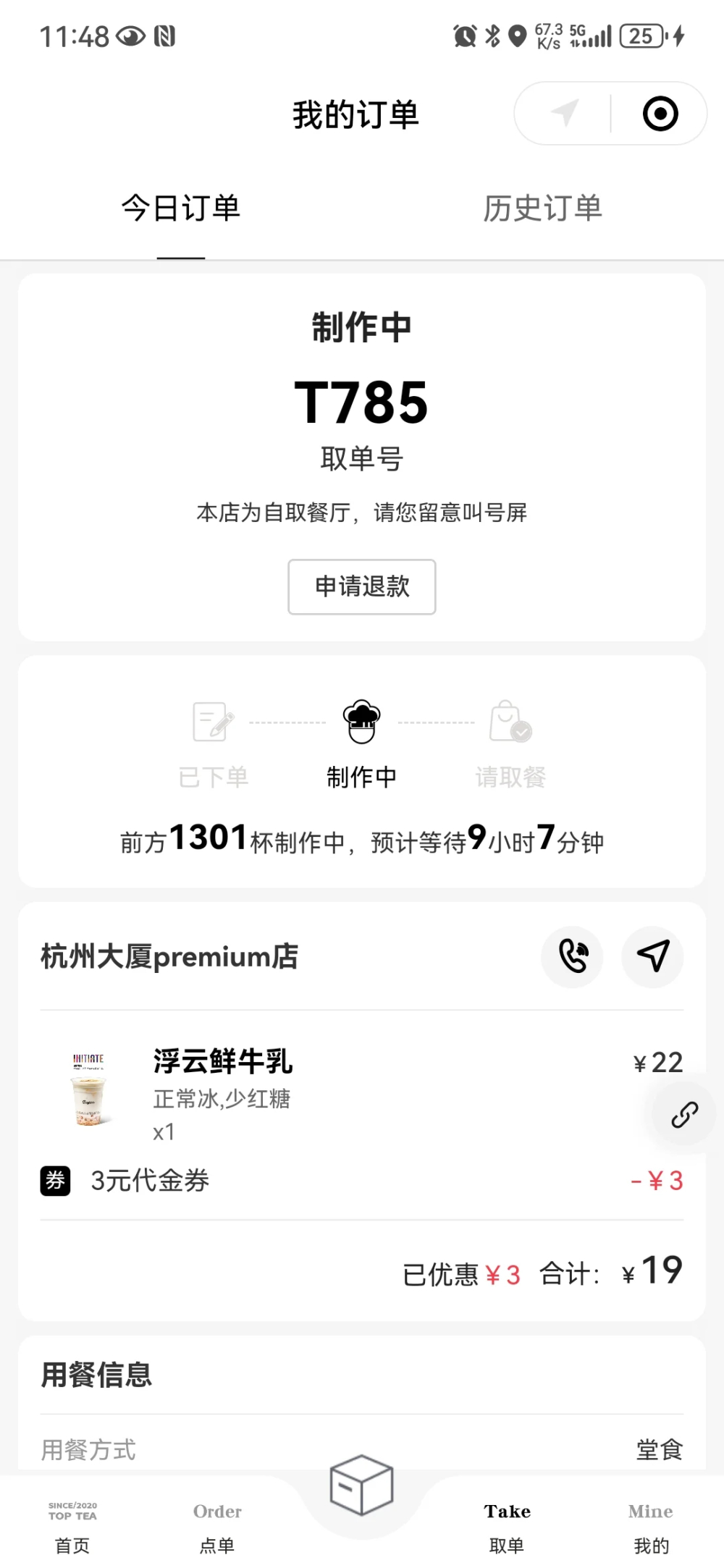
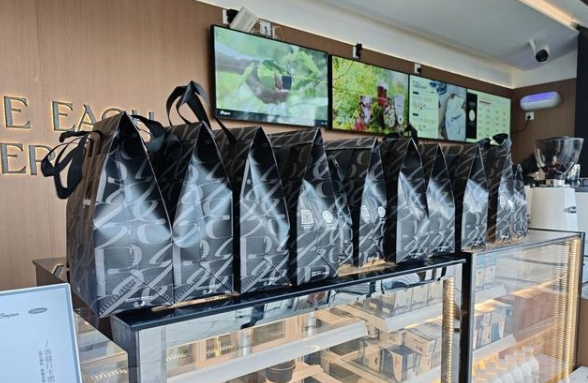
The tea shop called "BONJOUR" is actually a local Suzhou brand that entered the Hangzhou market for the first time on August 20, choosing Hangzhou Tower as its location. According to online feedback, every order at the store shows an unusually long queue, with wait times typically starting at 5 hours. Yet the on-site situation contrasts sharply with the online data: when a reporter visited in person, only two or three customers were waiting under the sunshade outside, and a dozen packed milk teas sat on the counter inside.
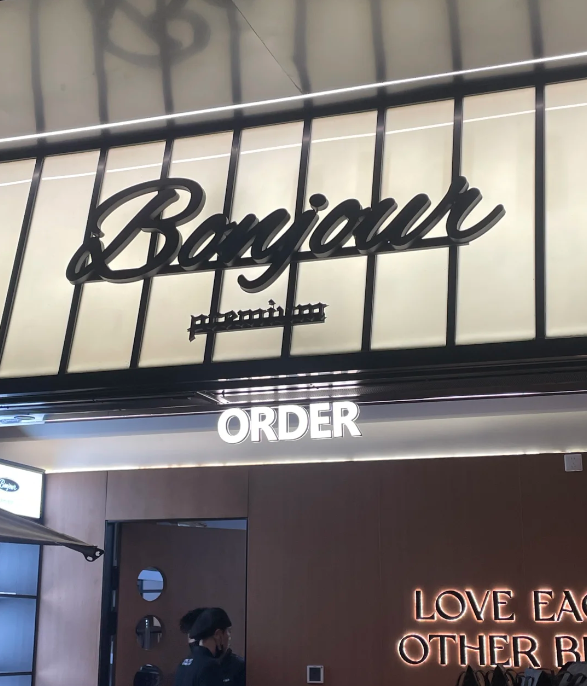
Staff explained that because waits are so long, most customers choose to order through the online queue system. Ordering now would still mean an 8-to-9-hour wait, with more than 1,000 cups still ahead. This gap between online queuing and the actual in-store experience reflects a common operating model among viral milk tea shops—using online queues to create a sense of scarcity and encourage consumers to order early.
A reporter randomly interviewed a consumer waiting to pick up tea, who said he had learned about this Suzhou brand and its astonishing queue times through a group-buying website. Out of curiosity, he had ordered the milk tea on his phone in advance and made a special trip to the store to collect it. Asked for his assessment of the milk tea, he admitted that the long wait had raised his expectations considerably, but after actually tasting it he found nothing special about the flavor—his purchase was more about following the trend and trying something new.
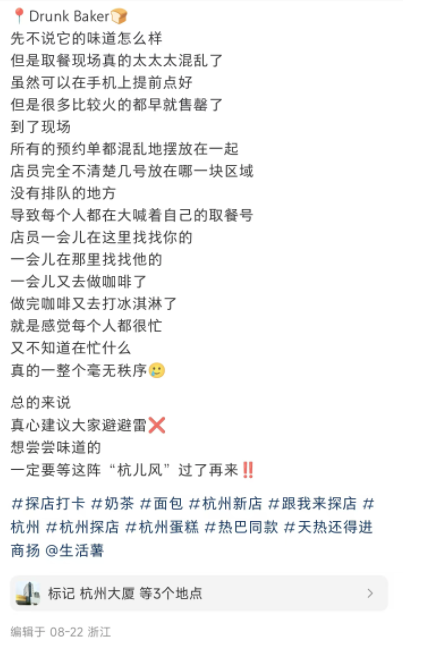
Meanwhile, "avoid this place" posts about the milk tea shop have already appeared online. Some consumers pointed out that beyond the taste of the milk tea itself, the chaotic pickup situation was disappointing. Although customers can order online in advance, popular products often sell out quickly. Upon arrival, all pre-orders are placed haphazardly together, staff cannot clearly identify where each order is, and there is no effective queuing order on site. Customers have to shout their pickup numbers loudly, while staff frequently switch between making coffee, ice cream and other products, leaving the overall service process chaotic and disorganized. The netizen suggested that anyone wanting to try it should wait until this wave of hype dies down before making a decision.
"Hang'er feng" is a Hangzhou dialect expression that vividly describes locals' consumer psychology of following trends and joining the crowd. This phenomenon is especially pronounced in shopping, leisure and trend-driven consumption. Whenever a viral shop enters the Hangzhou market, a similar queuing spectacle almost always repeats itself. Yet the staying power of viral brands ultimately depends on the strength of their products. Some consumers recall that when Heytea first entered Hangzhou, long queues also appeared, but within just a few months wait times returned to normal.

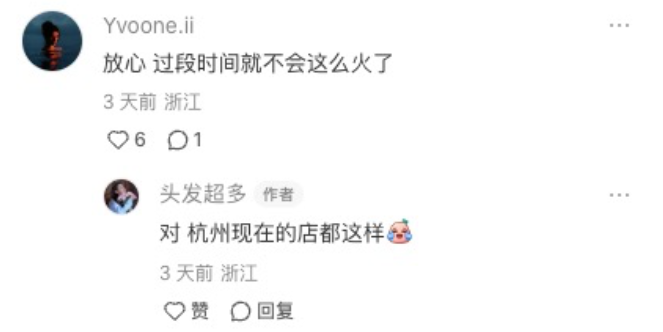
Many Hangzhou consumers also remain rational, questioning whether this is a hunger marketing tactic deliberately created by the milk tea shop. Some netizens pointedly asked whether the store might be placing fake orders itself. The combination of a first store and hunger marketing may deter some consumers, especially when buying requires paying scalpers a premium. Most comments agreed that ordinary milk tea is not worth a wait of seven or eight hours, let alone more than 10.
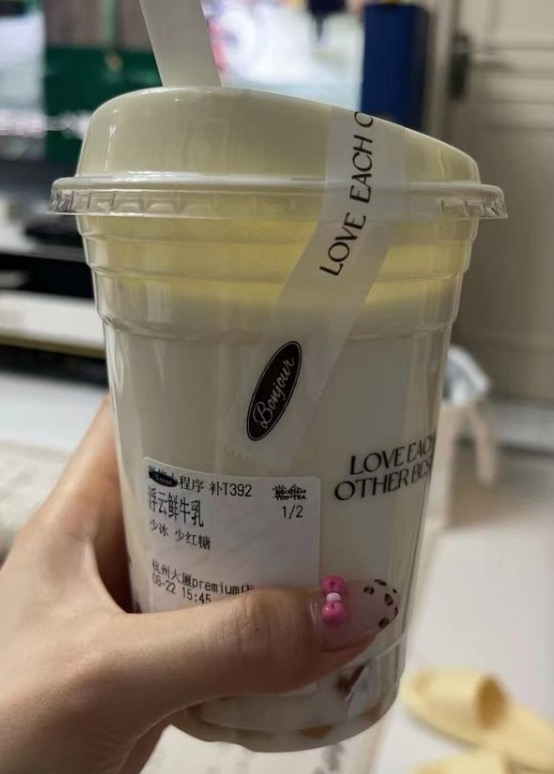
This phenomenon raises a deeper question: in fast-paced modern life, is it really worth queuing for up to ten hours for a viral milk tea that may disappear in a few months, merely to satisfy a brief vanity or trend-following impulse within one's social circle? When facing long queues at viral milk tea shops, consumers should perhaps more rationally assess their investment of time and money, and the actual value they receive.