Pets in Cafés? Inside Chagee's New Pet-Friendly Stores
Introduction: More and more coffee and tea brands are experimenting with pet-friendly formats. Chagee recently opened its first batch of pet-friendly stores in several cities, offering pet lovers a new social space. This article takes a close look at these stores' special services, pet-friendly standards, and how they balance the needs of pets and customers, exploring the considerations and practices behind this emerging trend.
For many pet owners, going out for coffee often means facing a dilemma: either enjoy a drink alone, or bring a pet and find no store that will let it in. That is now changing. On August 23, Chagee announced the opening of its first pet-friendly stores in four cities—Changsha, Kunming, Hangzhou, and Shijiazhuang—with plans to roll out the format in more cities.
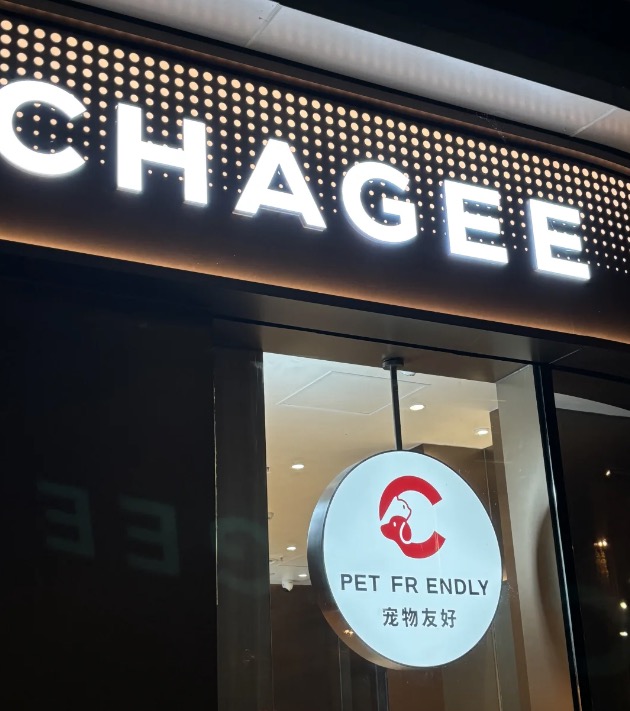
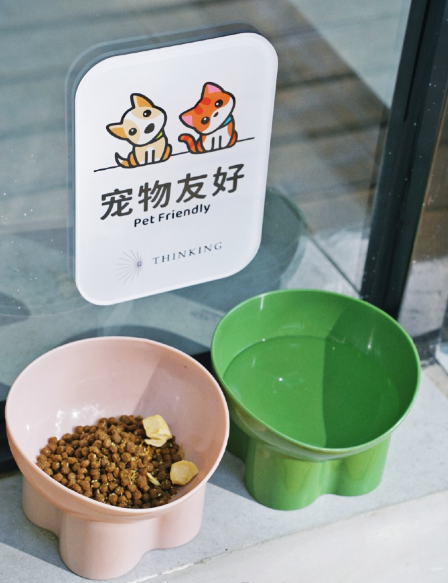
A pet-friendly store is not simply one that allows pets inside; it is a place that offers comprehensive convenience for pets and their owners. Such stores usually provide pet-specific amenities—basic supplies like water bowls, waste bags, and cleaning wipes; some even offer special facilities such as litter boxes. Better-equipped stores also supply pet snacks and toys, and even stroller rental, truly creating a comfortable space shared by people and pets.
On social media, the move drew positive feedback from many pet-owning netizens. One user said, "Finally there's a place where I can bring my dog to drink Boya Juexian—he'll definitely like the store's environment." Other pet owners hoped the stores would offer special services such as free pet cream. From photos of the Changsha store shared by netizens, the store does have a well-equipped pet care area, and the completeness of the setup is a pleasant surprise.

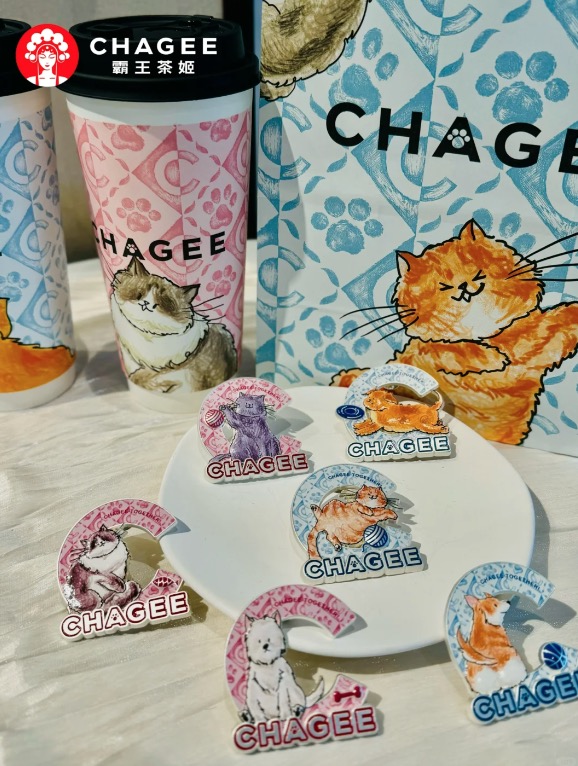
Chagee had already gained experience through pet-themed marketing campaigns, having run a pet month-themed activity around its star product Boya Juexian, including themed badges, blind-bag sets, and other merchandise. This successfully attracted a large number of pet-loving consumers and fully tapped the commercial potential of the "pet economy."
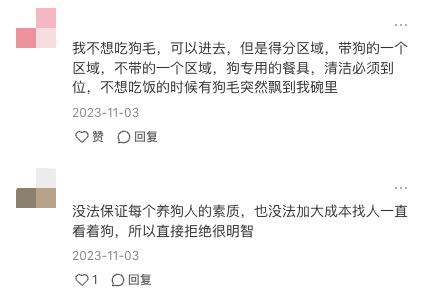
However, the pet-friendly format also faces controversy. Some consumers worry that such stores may affect the dining experience of non-pet owners, citing hygiene concerns, animal disease-control risks, and fears of pet hair falling into food. Some customers who clearly object said outright, "Customers who don't like pets may avoid the place; it would be safer to keep a traditional no-pet policy."
The food and beverage industry is clearly divided on pet admission policies. Supporters believe that, provided hygiene is ensured, moderately opening pet-friendly areas is worth trying; opponents stress that, apart from dedicated pet restaurants, restricting pets from food businesses is standard practice. One industry worker shared an experience: a venue once allowed customers to tie up pets in an outdoor courtyard, but ultimately scrapped the policy after receiving hygiene complaints.
In fact, even pet-friendly stores set clear requirements for pets and owners. First, pets must be legally kept and hold valid vaccination certificates—a basic measure to protect public health. Store staff must receive basic pet behavior training so they can properly handle emergencies. Most importantly, owners must manage their pets' behavior throughout the visit, ensuring they do not disturb other customers and preventing any incidents of injury, truly achieving a "mutually friendly" coexistence.
Notably, pet-friendly policies are not unique to Chagee. Observers note that well-known tea brands such as Starbucks, Heytea, and Manner have all tested pet-friendly stores in various forms. Behind this trend is the fast-growing pet economy—China's pet industry reached 592.8 billion yuan in 2023 and is expected to exceed 811.4 billion yuan by 2025.
As social attitudes change, the human-pet relationship is shifting from "owner and kept animal" to "family member." After the tea industry's battles over product quality, price competition, and co-branded marketing, the pet-friendly economy is becoming a new growth point. For brands, this is both an opportunity and a challenge, requiring a balance between service innovation and operational management.