UK Cafes Ban Laptops: Balancing Efficiency and Atmosphere

Introduction: Recently, a number of cafes in the UK have introduced new rules restricting laptop use during the lunch peak and on weekends, sparking discussion about "digital nomads" occupying public space. Behind this measure lie operators' considerations about table turnover and spending patterns, and it also reflects the balancing challenge facing cafe culture between the need for efficiency and the traditional experience. This article takes an in-depth look at the business logic behind the bans and explores how cafes in China and abroad are responding.
In an era before co-working spaces became widespread, cafes had long served as mobile offices for many freelancers. The cost of a cup of coffee, paired with free Wi-Fi and a reliable power outlet, lets laptop-carrying customers work comfortably all day—a seemingly cost-effective office model that has given many independent cafe owners headaches.
The laptop bans that have recently appeared at cafes in many parts of the UK are a concentrated expression of this conflict. According to The Daily Telegraph, a number of independent cafes, including Milk and Bean in Newbury and Collective in Caversham, have begun prohibiting customers from working on laptops during the weekday lunch peak from 11:30 to 13:30 and all day on weekends. These community cafes, which are usually limited in size, are adjusting their operating strategies to protect their business performance.

The owner of Collective admitted to the media: 'We understand remote workers' needs, but as a small business we have to ensure reasonable turnover of tables and chairs. Many customers can work quietly for four or five hours after ordering, and this low-spend, long-occupancy situation really affects overall revenue.' The operator of Milk and Bean noted that laptop users not only spend less per head than ordinary customers on average, but their long occupation of seats directly reduces table turnover by about 30%.
In practice, these bans show a clear focus on specific time slots.Data shows that the average spend per customer at UK cafes between 14:00 and 17:00 on weekdays is 42% higher than at lunchtime, while weekend family customers spend two to three times as much as weekday business customers. By precisely controlling laptop use in specific periods, operators try to optimize efficiency during high-value hours while maintaining basic inclusiveness of service.
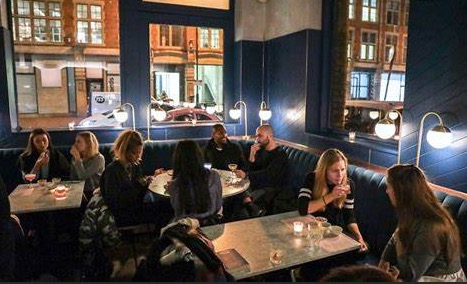
Consumer reactions are sharply divided. A social media survey shows that about 55% of respondents support such restrictions, believing they help restore the social nature cafes should have; but 40% say they understand remote workers' needs, especially for young people who lack a home office environment, for whom cafes remain an important temporary workplace. Notably, some users suggest more flexible solutions, such as setting a minimum spend per hour or designating dedicated work areas.
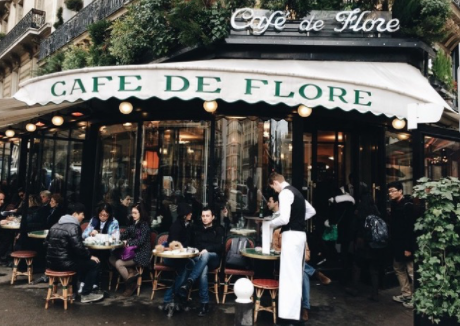
This business dilemma is not unique to the UK. In Paris, France, which also values coffee's social culture, some specialty cafes have chosen a more radical solution—simply removing in-store Wi-Fi and posting signs at the entrance reading 'Focus on Coffee Time.' Local industry figures explain: 'We want customers to stay because of the aroma of the coffee, not the convenience of power outlets. When people put down their screens, they are more likely to discover the appeal of good coffee itself.'
Faced with this global trend, more cafes have adopted compromise solutions. Innovative cases in cities such as Berlin and Tokyo show that physically dividing different functional areas (such as setting up back-to-back quiet work zones and social zones) can both protect the comfort of regular customers and preserve reasonable space for mobile workers. This design usually requires spacing of more than 80cm between tables and chairs in the work area, along with dedicated lighting equipped with USB charging.
Industry observers point out that this transitional dilemma for cafes essentially reflects the overlapping functions of living space in modern cities.An ideal solution should take into account three aspects: clear functional zoning of space, differentiated pricing strategies (such as appropriately raising the minimum spend during working hours), and an intelligent seat management system. For consumers, while enjoying the convenient services of cafes, actively following venue rules and observing etiquette about length of stay is also an important part of maintaining a good coffee culture.