UK cafes ban laptops at lunch and weekends: balancing customer needs

Introduction: In recent years, many freelancers and remote workers have taken to working on laptops in cafes, enjoying the aroma of coffee and the convenience of the internet. However, this behavior has also troubled many cafe owners. Recently, some cafes in the UK have begun restricting laptop use during lunch and weekend hours, sparking heated discussion. This article explores the reasons behind this, customer reactions, and the different strategies cafes around the world are adopting.
For many office workers and freelancers, ordering a coffee at a cafe and pulling out a laptop to start working has become a daily habit. Especially after the pandemic, as remote work became more common, many people have turned cafes into a "second office." Not only can they enjoy the aroma of coffee, but there is also free Wi-Fi and power outlets—just buy one drink and you can sit all day, which seems especially worthwhile amid rising energy costs.

However, this "space-borrowing" behavior is not necessarily good for cafe owners. Customers who come to "work" on laptops often sit for hours but may order only one coffee, occupying seats without bringing corresponding spending. Over time, this inevitably affects table turnover and overall revenue, giving many operators a headache.
According to The Daily Telegraph, several cafes in the UK have begun implementing new rules, particularly banning laptop use during the lunch rush (11:30 a.m. to 1:30 p.m.) and all day on weekends. This measure is widely interpreted as a management adjustment by cafes to prevent "digital nomads" from occupying seats for long periods to work.

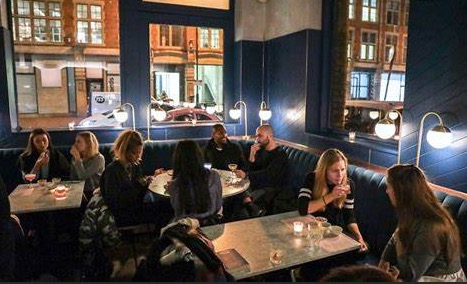
Take "Milk and Bean" in Newbury and "Collective" in Caversham as examples. Both cafes have clearly stated that customers are not welcome to use laptops during the above hours. The owners explain that they would rather customers relax and chat in the cafe than treat it as a mobile office. One owner candidly admitted that as a small business, they need to ensure seat turnover; while they understand people's work needs, it is genuinely difficult to accept someone occupying a table and chairs for a long time.
Another cafe operator analyzed from a business perspective, arguing that customers using laptops usually order less and have lower spending power, and that long stays affect other customers' ability to get seats, ultimately affecting overall turnover. Therefore, restricting computer use is also about safeguarding the basic operation and profitability of the business.
Customer reactions to such new rules are mixed. On social media, some users expressed support, believing this preserves the cafe's original relaxed atmosphere and helps everyone focus on chatting, reading, or relaxing rather than working. But many netizens also felt such rules lack human warmth, especially for tourists or freelancers who temporarily need a place to work—it seems unfriendly.
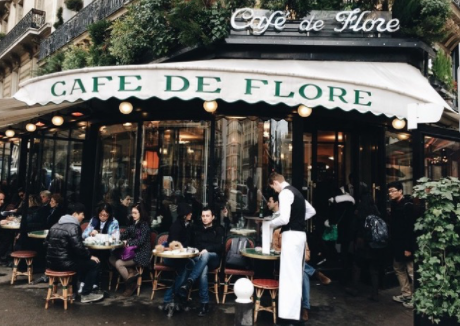
In fact, similar measures are not unique to the UK. In Paris, France, some cafes have also begun restricting or even banning laptop use to protect traditional "cafe culture"; some shops even turn off Wi-Fi directly, encouraging customers to put down their phones and computers and focus on enjoying coffee and conversation. Some cafe owners believe cafes are not just places to provide drinks, but should be places for people to relax and socialize, not offices.
Of course, not all Paris cafes take a "one-size-fits-all" approach. Some shops choose a compromise: dividing the store into a "no-computer zone" and a "free-use zone," letting customers choose seats according to their needs. This approach accommodates those who want to work quietly while also protecting customers who want to enjoy the traditional cafe atmosphere, becoming a solution that balances multiple needs.
From the UK's "ban" to Paris's "zoning," these different strategies in fact reflect the cafe industry's thinking and adjustment in the face of new consumer trends. How to preserve the cafe's original social and leisure attributes while also meeting modern people's need for flexible workspaces is a question operators need to continue exploring.