Washed Coffee Processing: Full Step-by-Step Guide and Pour-Over Bean List
Introduction: The washed process is recognized in the specialty coffee world as a method that highlights coffee's true flavors. Through precise control of fermentation and washing steps, it creates fresh, bright acidity and a clean mouthfeel. This article explains the complete washed coffee production chain, from flotation to hulling, analyzes the causes of its low-sugar, high-acid flavor profile, and includes brewing suggestions and flavor reference notes for different roast levels to help you find the washed beans that suit you.
 Washed and natural are the two most mainstream processing methods on coffee farms worldwide. Among them, the washed process, with its excellent control of flavor purity, has become the first choice for enthusiasts seeking coffee's true essence. This traditional method, which relies on water circulation, uses scientifically broken-down steps to preserve the varietal aromas of the coffee beans themselves to the greatest extent.
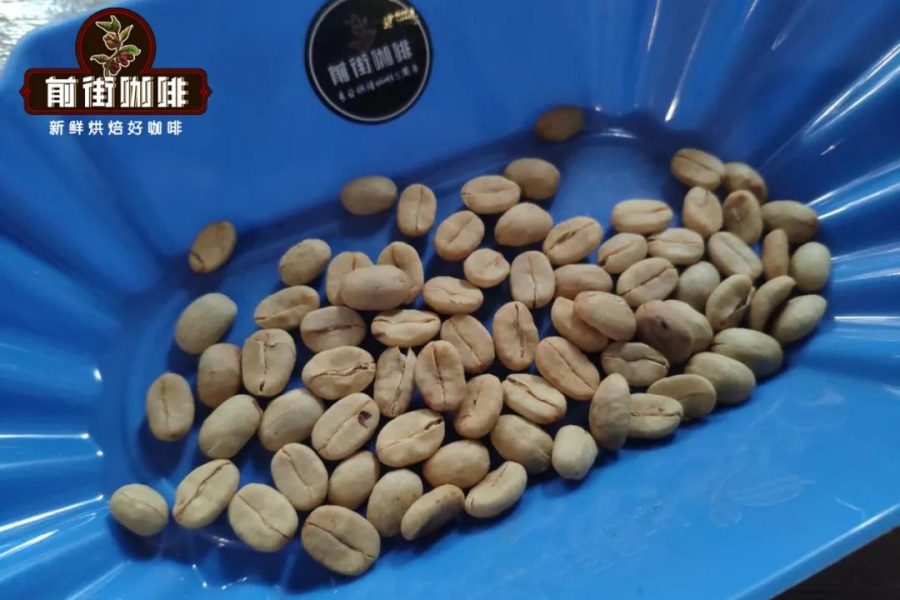
 The standard washed process begins with flotation tank sorting—the harvested coffee cherries are poured into water, and unripe or diseased cherries naturally float and are removed due to density differences. Next, a depulper strips off the outer skin and fruit pulp, and the seeds with mucilage still attached go straight into fermentation tanks. Professional processing plants adjust fermentation time according to local temperatures (usually 12-36 hours). Once the slippery pectin layer has been broken down by microorganisms, residual matter is thoroughly removed by high-pressure water spray. After multiple rinses in clean water, the parchment beans must be evenly dried on shaded, ventilated drying beds to a moisture content of 11%-12%, and finally a huller separates the silver skin to yield the final green beans.
The core advantage of this process lies in the conversion and consumption of sugars during fermentation—the continuous soaking environment drives extensive metabolism of fructose and glucose inside the beans, making the finished coffee's sweetness relatively mild while simultaneously producing more abundant organic acids such as citric, malic, and quinic acid. This biochemical reaction directly shapes the signature high, bright acidity of washed beans, which, combined with intact varietal floral and fruit aromas, forms a layered flavor structure.
 Take Ethiopia's Yirgacheffe region as an example: beans processed with the traditional washed method often show distinct jasmine and orange blossom notes. A light-to-medium roast (suggested roast level: early City, from dense first crack to its end) strengthens the green tea finish and natural honey sweetness. These beans are relatively dense; for pour-over, use 90-93°C water at a 1:15 coffee-to-water ratio, and pay attention to the force of the first pour during staged extraction to avoid damaging the delicate floral compounds.
The upgraded washed process at some Kenyan estates deserves special attention—alternating soaks in double fermentation tanks (changing the water every 18-24 hours), combined with the high mineral content of mountain spring water, can fully extract aromatic precursors from the fruit pulp. The typical flavor spectrum of this processing method includes the fresh astringency of tomato stem and leaf, the complex sweet-sour of smoked plum, and the delicate texture of snow pear flesh, often accompanied by a distinctive dark plum-like sweetness. Roasting to light-to-medium (from the start of first crack to the dense phase) balances the sweet-sour ratio; for cold brew, extend to 18-20 hours to highlight the smoked plum finish.
 For consumers who prefer low acidity, traditional washed beans from Colombia's Huila region are recommended. The growing environment at 1,400-1,800 meters gives these beans a natural chocolate base, and after a standard washed process removes excess pectin, a medium-dark roast (early second crack) effectively develops layers of hazelnut butter and roasted cocoa. For espresso extraction, keep the dose at 18-20 g and maintain a 25-30 second flow time at 9 bar pressure to highlight a creamy, full body.
Whichever processing batch you choose, washed beans should be stored away from light and sealed. Use aluminum foil bags with one-way degassing valves and keep them in a cool 10-20°C environment; after opening, use them up within 2 weeks if possible to preserve flavor activity. Grind size should be adjusted to the brewing method: medium-fine for pour-over (70-75% passing through a Chinese standard No. 20 sieve), and coarse for French press (about 50% passing), to avoid over-extraction that causes sharp acidity or woody off-flavors.
 Professional roasters note that the best flavor window for washed beans usually appears 7-14 days after roasting, when the acidic and bitter compounds reach a golden balance. Home roasters who process green beans themselves should monitor development time (duration after first crack) to no less than 20% of total roast time to ensure full development of aromatic oils. Once you master these key parameters, even beginners can experience coffee's purest regional flavors through washed beans.


