13-year-old girl's 12 cavities from daily milk tea: how to protect teeth
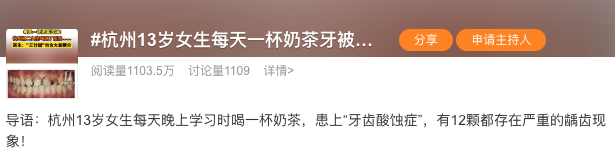
Introduction: A 13-year-old girl in Hangzhou developed 12 severe cavities and dental erosion after drinking milk tea every day over a long period, drawing widespread attention. This article takes an in-depth look at how milk tea harms teeth, reveals how sugar and an acidic environment together erode tooth enamel, and offers practical dental care advice to help coffee and milk tea lovers balance enjoyment with health.
Young people's love of milk tea is plain to see. From the "first cup of milk tea in autumn" to the "first cup of the school term," this sweet drink has become a daily must-have for many people looking for a pick-me-up. However, drinking too much milk tea can bring serious oral health problems. Recently, the news that a 13-year-old middle school girl in Hangzhou developed 12 severe cavities from drinking milk tea every day over a long period trended online, drawing public attention to the relationship between milk tea and dental health.
According to reports, the eighth-grade girl, Xiaoliu (not her real name), under heavy study pressure, got into the habit of drinking milk tea every night, even using it as a pick-me-up while studying. At first her parents did not pay much attention, until they noticed obvious abnormalities in her teeth: her once neat teeth had become uneven, covered with yellow and black patches. After a medical examination, doctors found that Xiaoliu had severe "dental erosion," with all 12 teeth showing serious cavities, requiring lengthy root canal treatment and crown restoration.

Dental erosion, known medically as erosive tooth wear, is a disease in which tooth enamel demineralizes due to prolonged contact with acidic substances. Early symptoms appear as chalky white changes on the tooth surface, which may later develop into brown or black patches. As the condition worsens, patients may experience surface defects, discoloration, and sensitivity, and even pulpitis or tooth fracture, seriously affecting chewing function, appearance, and mental health.
Xiaoliu's mother said that because the child is tall and thin, the family was not worried about obesity from milk tea and instead encouraged her to use it as a pick-me-up. Xiaoliu drank a cup of milk tea every night while studying; although she knew milk tea is high in sugar, she usually chose the 30% sugar option. However, doctors point out that this seemingly "healthy" choice still contains a large amount of hidden sugar, which is one of the main causes of cavities.
Sugar and dental health are inextricably linked. Bacteria in the mouth use sugar to produce acidic metabolites, and these acidic substances gradually corrode tooth enamel, leading to demineralization and cavity formation. It is worth noting that even 30% sugar milk tea still contains enough sugar and acid to damage teeth. Research shows that sugar not only directly promotes bacterial growth but also brings pleasure by stimulating dopamine secretion, which is exactly why many people find it hard to give up sugary drinks.
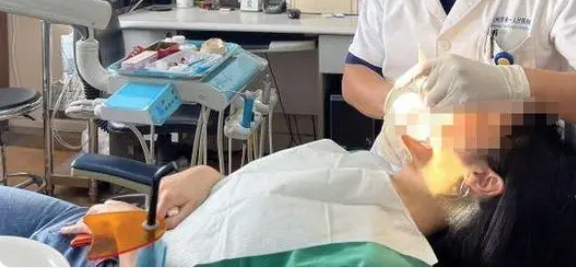
Besides the sugar factor, drinking time and manner are also important causes of dental problems. Doctors specifically point out that drinking milk tea over a long time, as Xiaoliu did, especially at night, prolongs the mouth's exposure to an acidic environment. At night saliva secretion decreases and the mouth's self-cleaning ability declines, making it easier for acidic substances to erode teeth. The development of dental erosion usually proceeds as follows: initially the tooth surface demineralizes and softens, forming white patches; without timely intervention, it further develops into obvious cavities and dental erosion.
For milk tea lovers and coffee drinkers, dentists offer the following professional dental care advice: first, adjust eating habits and reduce the frequency of consuming sweet and sour foods and drinks; second, rinse the mouth promptly with plain water after drinking to help neutralize the oral acidic environment; most importantly, wait at least 30 minutes after drinking before brushing with fluoride toothpaste, which avoids further damage to already softened enamel from immediate brushing while using fluoride toothpaste's remineralizing effect to strengthen teeth.

For patients who already have tooth sensitivity, cavities, or other dental problems, it is advisable to seek medical treatment promptly for professional care. Regular dental checkups and correct oral care habits are key to preventing dental erosion. In addition, choosing low-sugar or sugar-free drinks, controlling drinking frequency and amount, and paying attention to oral cleaning after drinking can all effectively reduce the risk of tooth damage. Remember: while enjoying tasty drinks, also protect your dental health.


